







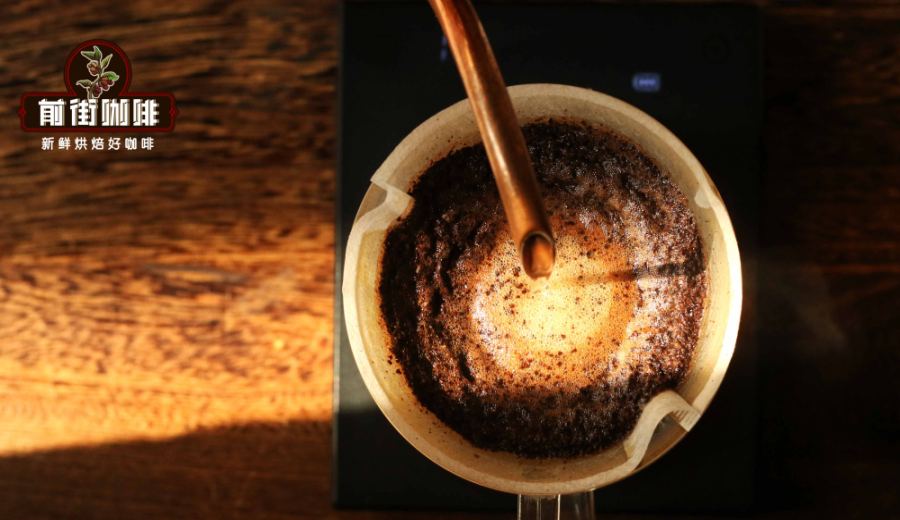
Introduction:Jamaican Blue Mountain coffee is hailed as the "King of Coffee," but its authenticity is hard to verify, let alone brewing it at home to approach the flavors of its origin. This article starts from the core growing region of Blue Mountain coffee—Clifton Estate—and analyzes its altitude, climate, CIB grading system, and processing method differences. It also delves into the certification and packaging details of authentic Blue Mountain coffee to help readers identify genuine Blue Mountain No. 1. Practical pour over suggestions and a three-stage pouring technique are also provided, so you can enjoy the rich and balanced extreme flavors of Blue Mountain coffee at home.
Blue Mountain coffee has long been regarded as the pinnacle representation in the coffee world. However, the quality of Blue Mountain products on the market varies greatly, with many counterfeits even flooding the shelves. If you want to brew coffee at home that closely resembles the original flavors of Blue Mountain, you first need to master the correct bean variety selection, regional knowledge, and pour over techniques. This article takes Jamaican Blue Mountain No. 1 coffee as an example, covering its growing environment, the background of Clifton Estate, CIB grading, how to distinguish real Blue Mountain coffee, and offering practical pour over advice to give you a full understanding of the charm of this "King of Coffee."
Jamaican Blue Mountain No. 1 coffee is mainly grown in Clifton Estate within the Blue Mountains, cultivated at an altitude of about 1310 meters, with the Typica variety and washed processing method. The most distinctive flavor characteristics of this coffee are a soft brown sugar sweetness and mild berry acidity upon entry, gradually revealing nutty and cocoa aromas in the mid-to-late stages. The mouthfeel is silky smooth, and the finish carries a mild walnut aroma. The overall profile is well-layered and balanced.
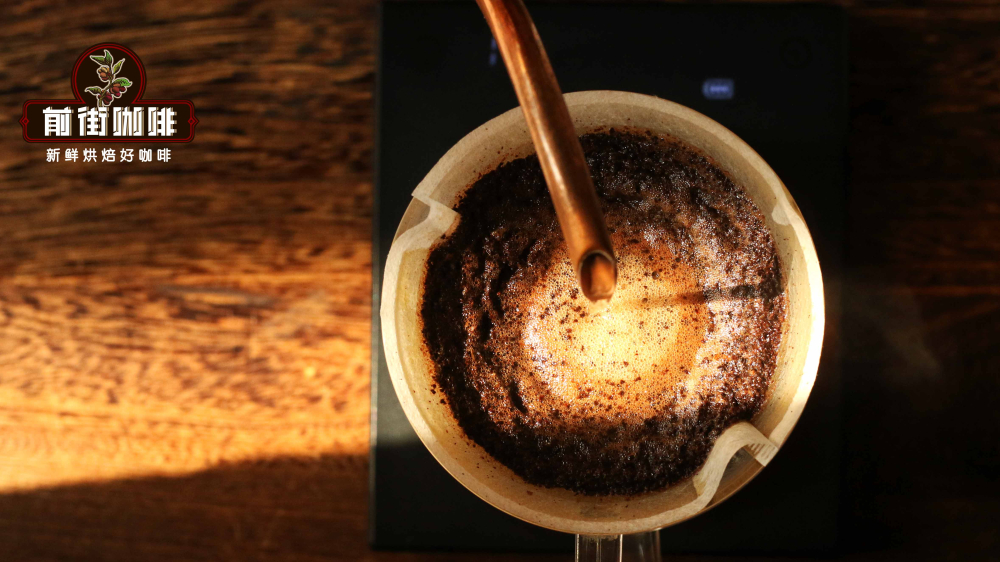
The Blue Mountains are located in eastern Jamaica and are the highest peaks in the Caribbean region, with the main peak reaching an altitude of 2256 meters. However, as areas above 2000 meters are nature reserves where coffee cultivation is prohibited, the actual regions where Blue Mountain coffee can be grown are limited to slopes between 910 and 1700 meters in altitude. This area enjoys a cool and foggy climate, with an average annual temperature of about 27°C, along with abundant rainfall and fertile volcanic soil, providing nearly perfect growing conditions for coffee trees. It is precisely because of this that Blue Mountain coffee can develop its unique flavor characteristics and become a dream product for coffee lovers worldwide.
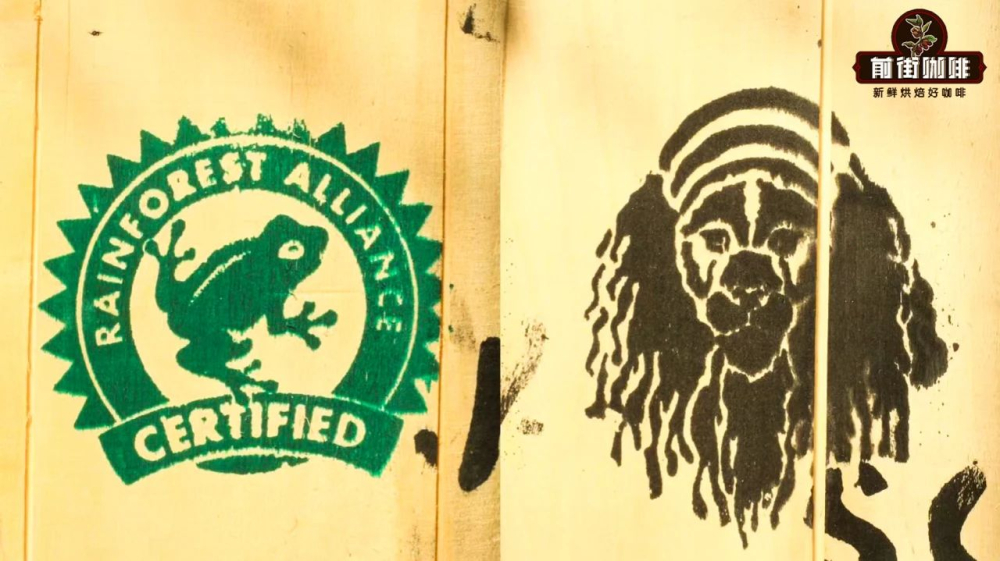
Clifton Estate is one of the most representative coffee estates in the Blue Mountain region. It is not only the oldest surviving coffee-growing area in Jamaica but also currently the only Blue Mountain coffee farm certified by the Rainforest Alliance (RFA). This certification is extremely stringent, requiring a comprehensive evaluation of the farm’s ecosystem, pesticide use, and waste management. The certification mark is a small green frog, often seen on its wooden barrel packaging. Possessing this certification means the estate meets international standards in sustainable agriculture and environmental protection.
Jamaican Blue Mountain coffee is divided into multiple grades based on altitude and bean shape. Only coffee grown between 910 and 1700 meters in altitude qualifies to be called "Blue Mountain coffee." These coffees are further categorized into NO.1, NO.2, NO.3, and PB (Peaberry, or round bean) based on strict criteria such as bean size, defect rate, and moisture content. Among them, NO.1 is the highest grade, requiring a screen size of 17 or above, a defect rate below 3%, and a moisture content of around 13%. Currently, only about 6,000 hectares of the Blue Mountain region meet the planting standards for Blue Mountain coffee, making it quite rare.
In terms of processing methods, Clifton Estate has long primarily used the washed process, achieving the rich aroma and balanced mouthfeel characteristic of Blue Mountain coffee through steps such as removing the pulp, fermentation, washing, and drying. However, since 2019, the estate has also begun experimenting with the natural (sun-dried) process, which can bring out different flavor layers, though the washed process is still considered the best at presenting the classic flavor profile of Blue Mountain coffee.
Faced with the many products on the market claiming to be "Blue Mountain coffee," how can consumers discern authenticity? First, authentic Jamaican Blue Mountain No. 1 coffee must be exported by an official export company designated by the Jamaica Coffee Industry Board (CIB) and accompanied by official certification and related documents. Second, Blue Mountain coffee is one of the few regions in the world that still ships green beans in wooden barrels—a tradition dating back to the colonial era. Wooden barrels effectively preserve coffee aroma and block out foreign odors, whereas other regions almost exclusively use jute bags for transport. Additionally, the wooden barrels from Clifton Estate also bear the green frog symbol representing Rainforest Alliance certification, which is another key indicator of whether the coffee comes from an authentic Blue Mountain region.
If you’ve purchased authentic Blue Mountain No. 1 coffee beans, the next key step is how to brew them to bring out their best flavors. It is recommended to use a KONO filter or other slower-flow filters, such as a Kalita Wave or a French press, to fully showcase its richness and layered complexity. The suggested coffee-to-water ratio is 1:15, with a grind size of about 75% passing through a standard #20 sieve, and water temperature controlled around 88°C, which helps balance the acidity, sweetness, and body.
For actual pour over brewing, you can use a three-stage pouring method: first pour 30 grams of water for a 30-second bloom to awaken the coffee grounds; then pour 95 grams of water in small circular motions, reaching a total of 125 grams for the first stage; after the water level slightly drops, pour up to a total of 230 grams. Remove the filter just before the water level is about to run out, with a total brewing time of around 2 minutes. This method helps achieve even extraction, avoiding over-extraction or under-extraction, and fully presents the delicate flavors of Blue Mountain coffee.
In summary, Jamaican Blue Mountain No. 1 coffee is not only the result of its origin and processing method but also a refined tasting experience that values detail. From understanding the regional altitude, CIB grading, wooden barrel packaging, and Rainforest Alliance certification, to mastering the correct pour over techniques, each step is key to recreating the ultimate flavors of Blue Mountain coffee. With these points in mind, you can easily enjoy the unique charm of this "King of Coffee" even at home.
The above content is compiled by CoffeeHunters, a coffee news website.


