







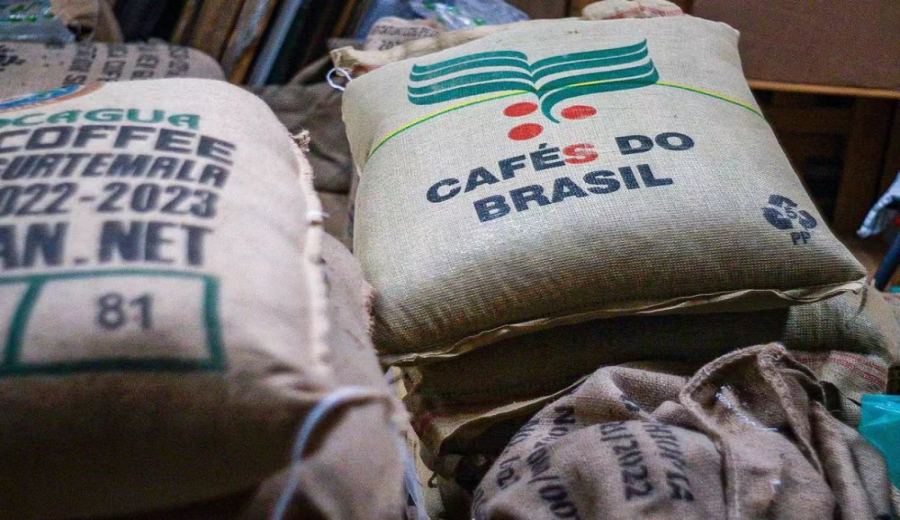
Introduction:Brazil is the world’s largest producer of Arabica coffee, and its specialty beans are known for their low acidity, full body, and chocolatey sweetness. This article delves into the flavor profiles of its major producing regions, the four official grading systems, and provides detailed brewing parameters and recommendations for two popular bean varieties—Cerrado Red Bourbon and Mogiana Yellow Bourbon—using both pour over and French press methods. It aims to help coffee enthusiasts grasp the unique charm of Brazilian beans.
As the country with the highest global production of Arabica coffee, Brazil not only holds an important position in the commercial coffee market, but its specialty coffee is also gradually gaining international attention. Accounting for about 30% of global consumption, the success of this South American coffee kingdom is due not only to its advantageous geographical conditions, but also to its highly industrialized cultivation and processing techniques.
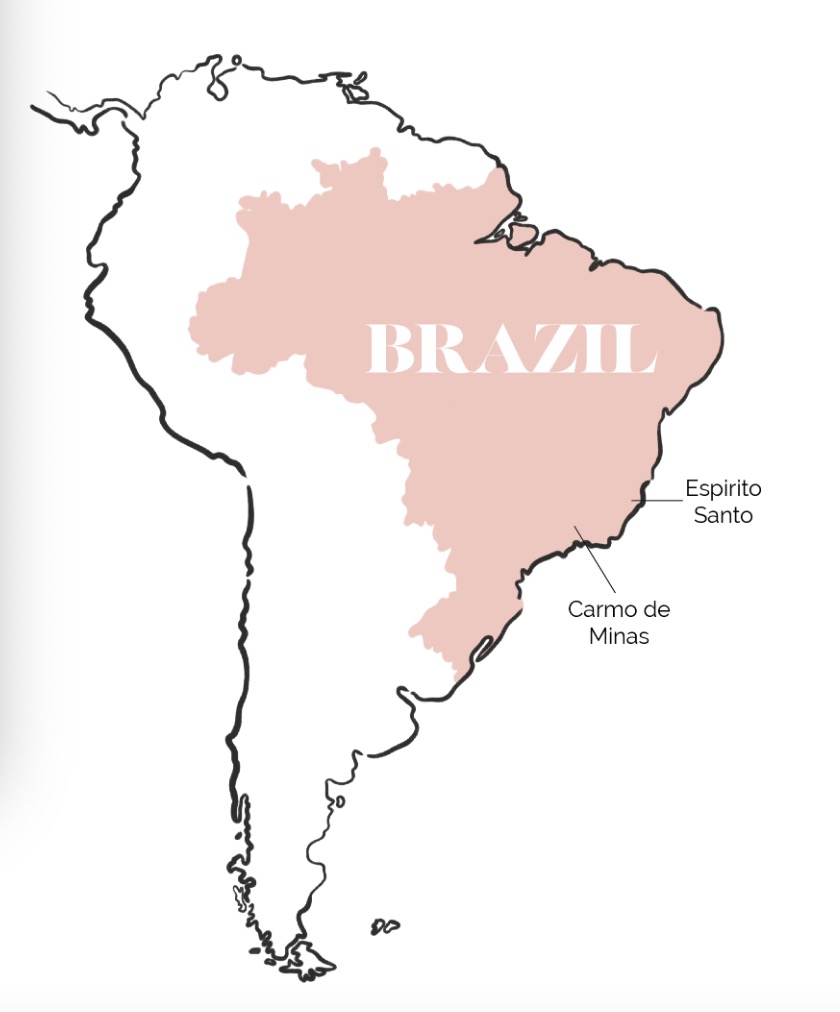
The main producing regions of Brazilian specialty coffee include Minas Gerais, São Paulo (known for traditional Santos coffee), Paraná, and Mogiana. These areas are mostly flat in terrain with relatively low altitudes, forming a clear contrast with other high-altitude coffee-growing regions in Central and South America. Although lacking in microclimatic diversity, this has resulted in the distinctive rich flavor profile of Brazilian beans.
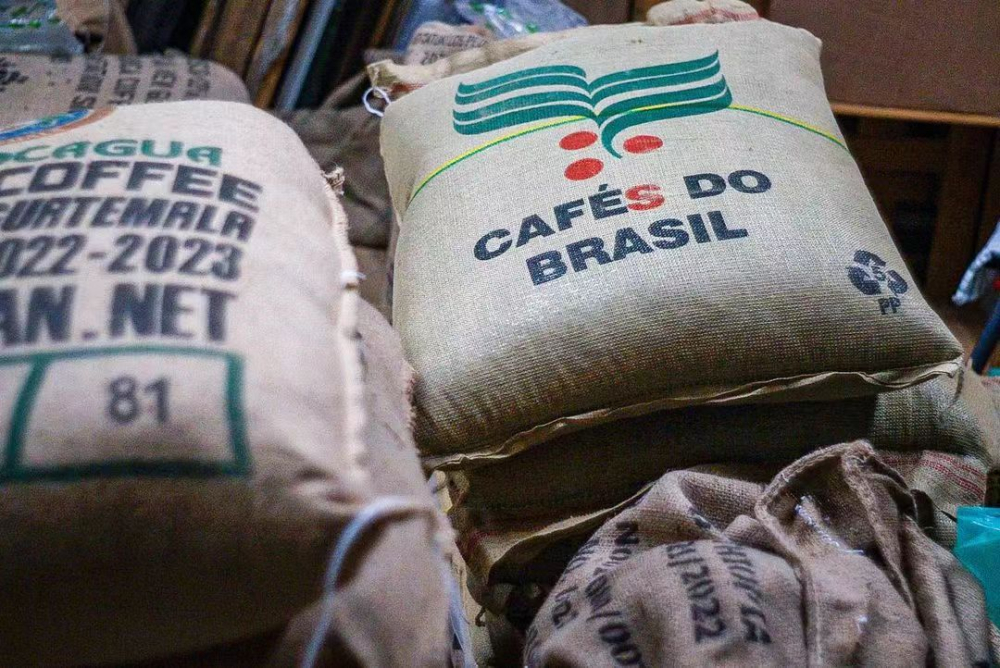
In terms of flavor expression, Brazilian coffee generally exhibits low acidity and pronounced nutty tones along with chocolate-like sweetness. Compared to the citrus and floral notes often found in African beans, Brazilian beans offer a richer, more balanced taste with a good harmony of acidity and bitterness, as well as excellent aftertaste. This stable and mellow mouthfeel makes it a foundational component in many blends and an excellent starting point for single-origin enthusiasts exploring South American flavors.
Regarding the quality grading of coffee beans, Brazil has developed a diverse evaluation system to accommodate its unique growing environment. First isDefect Rate Grading, which uses a deduction system to inspect the number of defective beans in 300 grams of coffee, categorizing them into seven grades from No.2 to No.8. Among these, No.2 is the widely recognized highest practical grade, as No.1 is almost never stably available.
Next isBean Size Grading, which classifies beans using sieves measured in 1/64-inch units, with common ranges being 14 to 20 mesh. It’s important to note that this number represents the width of the shorter side of the bean. The market considers 17/18 mesh as the top grade, although 19 mesh beans do exist, they are produced in very limited quantities.
In terms of quality assessment, Brazil also employsCupping Grading, commonly using terms such as Fine Cup (FC) and Good Cup (GC). Processing methods (such as natural, washed, or honey) and farm information are also indicated, helping consumers better understand the background of the beans. Additionally, grading terms based onFlavor Profile Characteristics—such as Strictly Soft (very smooth), Soft (smooth), Hardish (harsh), to Rioy (with iodine-like sharpness)—also provide important references for professional buyers.
Among the many Brazilian specialty coffees, Red Bourbon from the Cerrado region and Yellow Bourbon from the Mogiana region are two highly praised single origins. Cerrado beans are known for their classic nutty tones, caramel sweetness, and full body, offering great value and making them an ideal entry choice for those exploring Brazilian flavors.
In comparison, Yellow Bourbon from Fazenda Rainha (Queen Estate), thanks to its varietal characteristics and higher cultivation management standards, presents a brighter and crisper profile. After brewing, its chocolate and nut aromas are pronounced, with a delicate and smooth mouthfeel, gentle and clean acidity, suitable for drinkers who prefer complexity without sacrificing balance.
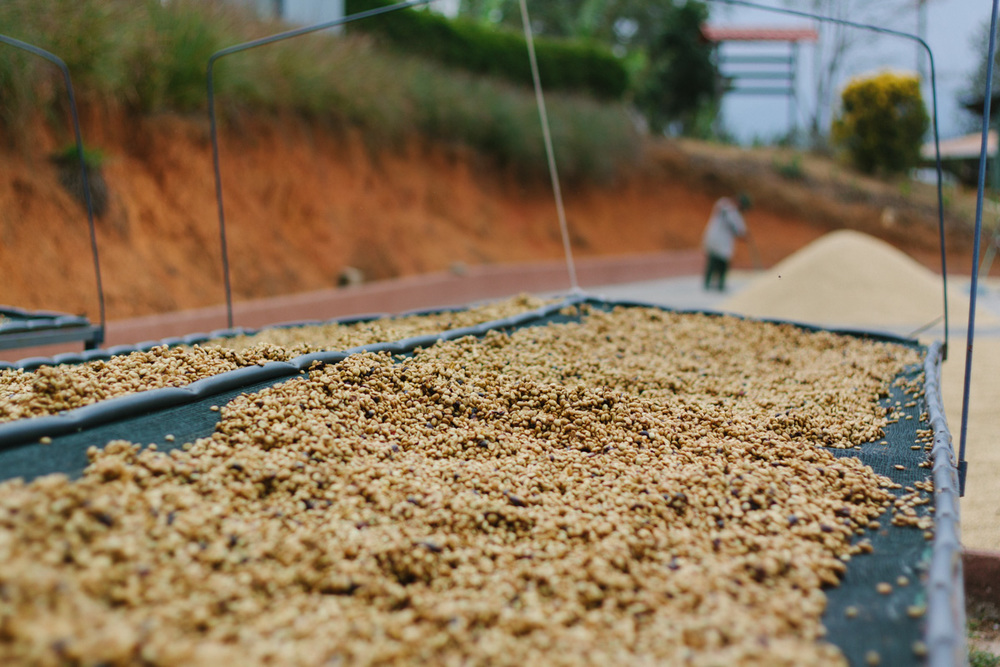
For brewing Brazilian coffee, methods such as pour over or French press, which are forms of drip or immersion brewing, are recommended to fully showcase its rich characteristics. Since Brazilian beans are often medium to dark roasted, it is advised to usea lower water temperature and coarser grind sizeto avoid over-extraction, which can lead to bitterness.
Taking pour over as an example, you can use a Kono filter, with a water temperature of 88°C and a coffee-to-water ratio of 1:15. A suggested coffee dosage is 15 grams, ground to roughly the coarseness of white sugar (70% passing through a 20-mesh sieve). Specifically, start by pouring 30 grams of water for a 30-second bloom, then pour up to 125 grams and let it sit briefly, followed by topping up to 225 grams to complete the extraction, with a total brew time of around 2 minutes and 10 seconds. This yields a rich and balanced coffee flavor.
If using a French press, be sure to pour out the coffee immediately after pressing down the filter to avoid over-extraction caused by prolonged steeping, which can negatively impact the taste. With the right brewing parameters and techniques, the sugarcane sweetness, black tea notes, nuttiness, and chocolatey aftertaste of Brazilian coffee can be fully revealed, delivering a smooth and memorable drinking experience.
The above content is compiled by CoffeeHunters, a coffee news website.


