








Introduction:Although Americano may seem simple, the choice of beans actually involves subtle expertise. Selecting the right coffee beans can not only enhance the flavor but also highlight distinct taste characteristics. This article delves into the definition of Americano, the ideal roast levels, and based on regional flavor profiles, recommends different types of beans according to various flavor preferences. It also compares the differences between SOE and blended beans, helping you find the Americano beans that best suit your taste.
Americano is a type of coffee commonly consumed in daily life. It can be made by diluting drip coffee or espresso with water, or by directly brewing single-origin beans. However, many cafés, for the sake of convenience, use the same espresso beans for both Americano and milk-based drinks, making it difficult to balance the flavors of the two. In reality, depending on your preferred flavor profile, the selection of beans for Americano can be quite diverse.
First, if you prefer milk-based drinks, it is recommended to choose medium to dark roasted blended beans—such as those with hazelnut and caramel aromas. These beans usually blend well with milk, bringing out sweetness and a rich mouthfeel. On the other hand, if you mainly drink Americano, especially black coffee, then medium to medium-light roasted beans would be a better choice, as they can better showcase the layered complexity and fruity notes of the coffee itself.
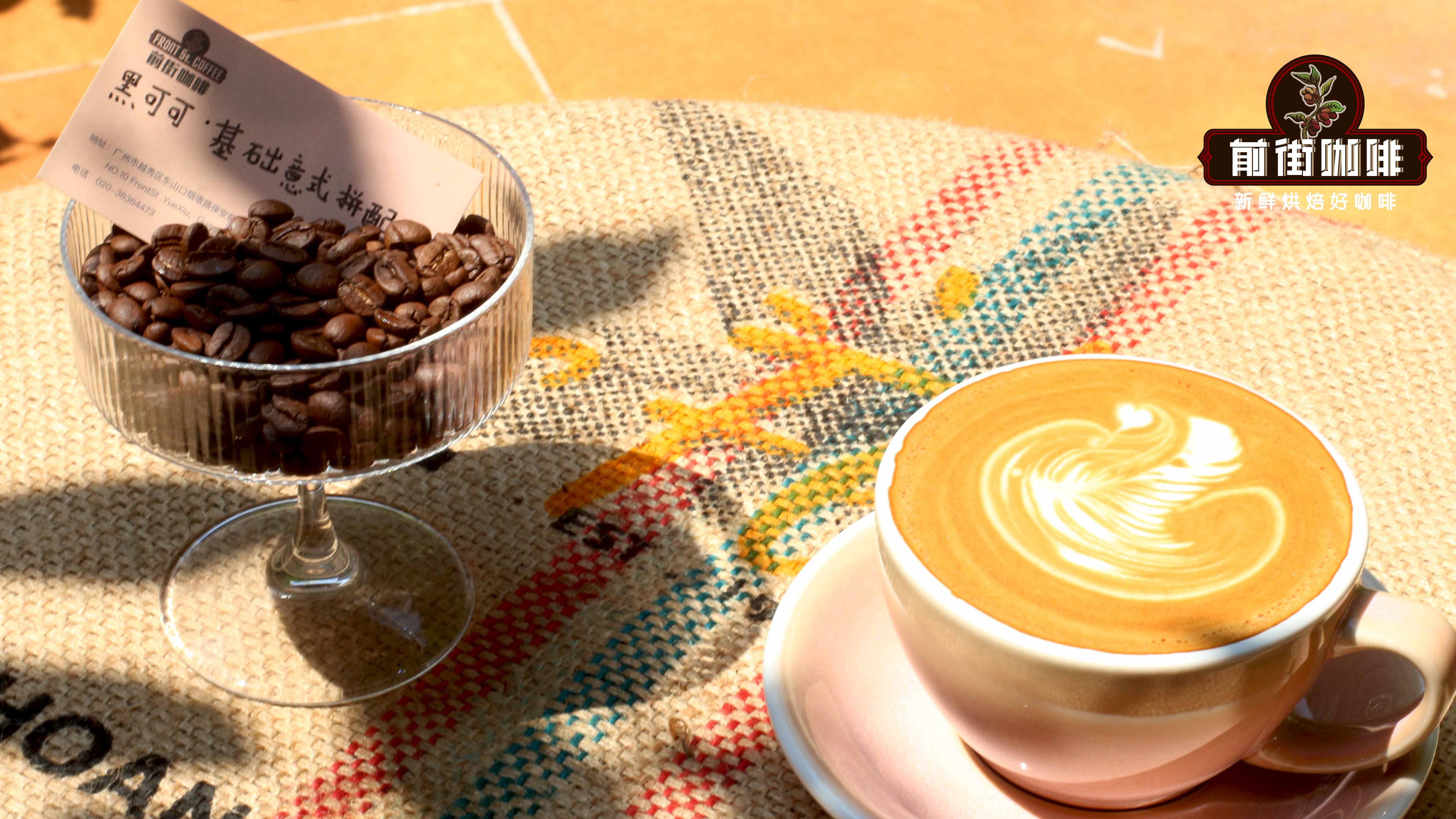
For example, if you enjoy floral and fruity flavor notes, you can opt for medium-roasted beans, which often have bright citrus or berry characteristics and are particularly suitable for making iced Americano—refreshing and pleasant. If you prefer more pronounced fruit acidity and sweetness, such as certain single-origin beans (SOE), like those with bright lemon and orange notes, they can give your Americano a more diverse and refreshing taste, forming a clear contrast with the common bitter or burnt flavors.
In practical operations, if a café only has one grinder, it will typically prioritize the needs of milk-based drinks and choose a dark roasted blended bean that can support the flavor of milk, as these beans are generally priced higher and more widely accepted by customers. However, if your focus is on offering high-quality Americano and you have the capacity to use a separate grinder, you can further explore single-origin SOE beans. These coffees can more clearly express regional characteristics—such as the citrusy fruitiness of Yirgacheffe or the herbal and earthy tones of Indonesian Mandheling.
It’s worth adding that the definition of Americano is actually quite broad and is not limited to using espresso diluted with water. You can make a single-origin black coffee using pour over, drip, French press, or even siphon methods—as long as no milk or sugar is added, it can all be categorized as Americano. This also means that any type of coffee bean can be used to make Americano, although cafés generally choose more expressive espresso beans for brewing.
In terms of bean varieties, the most common choices are Arabica and Robusta. Arabica offers a rich flavor profile with bright acidity and is commonly found in specialty coffee; Robusta, on the other hand, has a higher caffeine content, a stronger flavor, and is often used in instant coffee or espresso blends to boost body and crema. Both have their unique strengths in Americano, depending on whether you’re pursuing delicate fruity notes or a bold, intense taste.
In summary, selecting the right Americano beans starts with clarifying your own taste preferences: do you prefer a rich sweetness or a fresh fruit acidity? Next, consider your operational conditions—are there multiple grinders to separately handle the needs of milk-based drinks and black coffee? By gaining a deeper understanding of roast levels, regional characteristics, and extraction methods, you’ll be able to more accurately choose the Americano beans that best suit you.
The above content is compiled by CoffeeHunters, a coffee news website.


