








Introduction:As an important origin of specialty coffee in Central America, Costa Rica, with its unique geographical environment and diverse growing regions, has cultivated numerous coffee beans with distinct flavor profiles. This article delves into the geographic conditions, coffee cultivation characteristics, and main harvest seasons of two major regions — Tarrazú and Western Valley — while also providing an in-depth look at the performance and flavor profile of the Geisha variety grown locally. Practical brewing suggestions are also included to help coffee enthusiasts better grasp the essence of Costa Rican coffee.
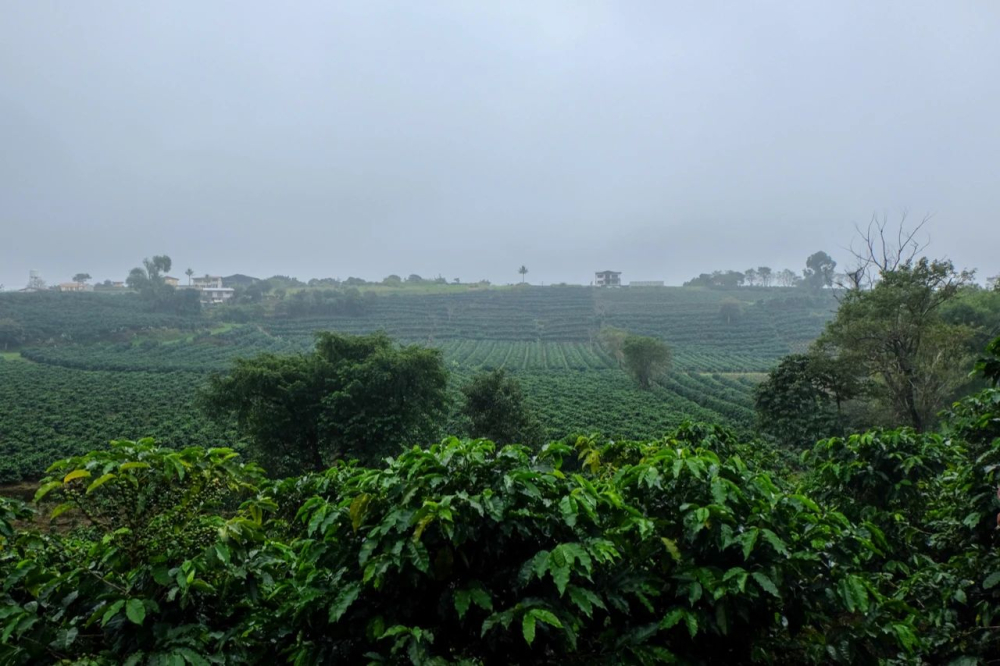
Located on the Central American isthmus, Costa Rica lies within the tropical zone around 10 degrees north latitude. Yet, thanks to its many active volcanoes and high-altitude mountains, it enjoys a microclimate ideal for coffee cultivation. Its volcanic soils are rich in minerals and highly drainable, and when combined with stable temperatures and ample rainfall, they contribute to the country’s unique standing in the global specialty coffee market. The nation is divided into eight major coffee-growing regions, including Western Valley (Valle Central Occidental), Tarrazú, and Central Valley (Valle Central). Each region, due to differences in altitude, climate, and soil, produces coffee with its own unique flavor characteristics.
Among these, the Tarrazú region is renowned for its high altitude and bright, clear acidity. It is one of the highest-altitude coffee-growing areas in Costa Rica, with cultivation typically taking place between 1,200 and 1,700 meters above sea level. This not only allows the coffee cherries to ripen slowly but also helps the beans retain a richer complexity of flavors. In contrast, the Western Valley is slightly lower in elevation, ranging from about 1,000 to 1,200 meters. Although its overall flavor profile is not as sharp as Tarrazú’s, it benefits from Pacific air currents that regulate temperatures, making it cooler than other regions at similar altitudes. This contributes to the accumulation of complex aromas and higher sugar levels in the coffee cherries.

The Tarrazú region is not only a representative of Costa Rica’s specialty coffee, but its washed-processed beans are also widely acclaimed as a flavor benchmark for the country. Coffee from this area typically features bright lemony acidity, high sweetness, and a delicate caramel finish, making it ideal for those who enjoy a crisp acidity and well-defined flavor layers. Moreover, some micro-regions within Tarrazú, such as La Minita, are standout names in the specialty market. Though their annual production is limited, they are known for consistently high quality.
The Western Valley is one of the larger coffee-growing areas in the country. Its main characteristics include abundant sunshine and high humidity — the average annual relative humidity reaches 81%, along with an average temperature of about 21.5°C and ample rainfall — all of which provide ideal growing conditions for coffee plants. The harvest season in this region extends from November each year to March of the following year, which is longer than in other regions, giving farmers more time to carefully select ripe coffee cherries. Due to its proximity to the Pacific Ocean, there is a slightly larger day-night temperature variation, which helps the coffee beans develop a richer spectrum of aromas. Common flavor notes include tropical fruits, caramel, and a smooth mid-palate.
Aside from Tarrazú and the Western Valley, Costa Rica’s other major coffee-growing regions each have their own unique traits. For example, Central Valley is the country’s earliest coffee-growing area, with elevations ranging from 1,200 to 1,600 meters. It is known for its chocolatey tones and full-bodied mouthfeel, often processed using a combination of washed methods and low-temperature machine drying, resulting in a mild and rich flavor profile. Tres Ríos is famed for its balanced acidity and sweetness, along with delicate floral notes, making it a classic region for refined, elegant flavors — ideal for those who prefer gentle fruit acidity and long-lasting aftertastes.
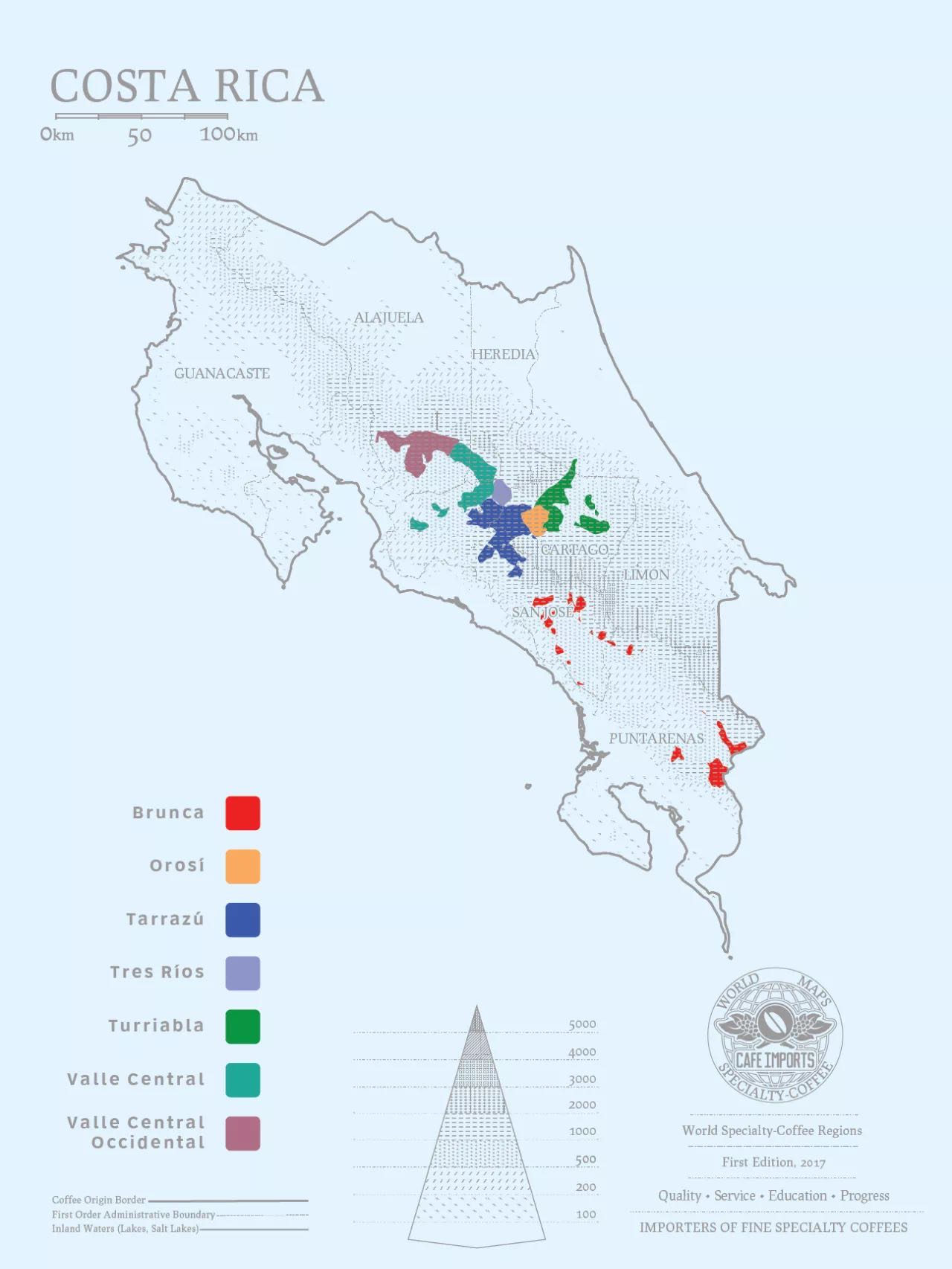
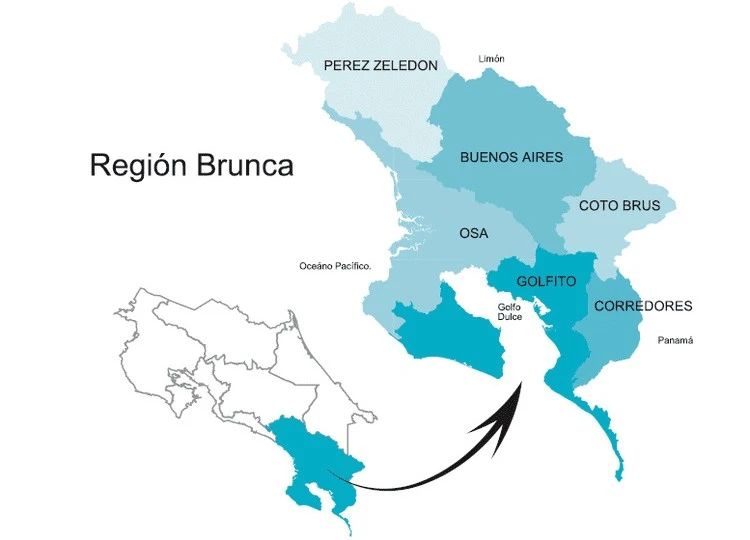
Other regions in Costa Rica, such as Brunca, Orosi, and Turrialba, each exhibit diverse regional characteristics. Brunca has a lower altitude and offers more approachable flavors, making it suitable for beginner coffee drinkers. Orosi boasts a coffee-growing history of over a century and is known for its smooth and well-balanced cup. Turrialba, with an earlier harvest season and abundant rainfall, produces beans with fragrant aromas but a relatively lighter body.
The Geisha variety has been gaining increasing attention in Costa Rica in recent years, especially in high-altitude regions such as Tarrazú and the Western Valley. This variety is celebrated for its unique jasmine, tea leaf, and tropical berry aromas. When processed using honey or washed methods, its subtle sweetness and complexity are further highlighted. For instance, Geisha beans processed with raisin honey often exhibit intense dark berry, fermented fruit, and even wine-like notes, whereas washed Geisha showcases a fresher profile of citrus, yellow-skinned fruits, and white floral tones.
For brewing recommendations, when working with Costa Rican Geisha or high-altitude washed beans, it is suggested to use a medium-fine grind (approximately 78–80% passing through a #20 sieve), with a brew ratio set at 1:16 and water temperature controlled between 90–91°C. This setup can fully highlight the beans’ sweetness and aromatic layers. When using a V60 dripper for pour over, start with a 30-second bloom using 30 grams of water to awaken the coffee grounds. Then, pour in a slow, circular motion until you reach 120 grams. Once the coffee bed has slightly settled, add the final 90 grams of water. The total extraction time should be around 1 minute and 50 seconds. This method helps balance acidity and body while showcasing the intricate details and layered flavors in the cup.
The above content is compiled by CoffeeHunters, a coffee news website.


