







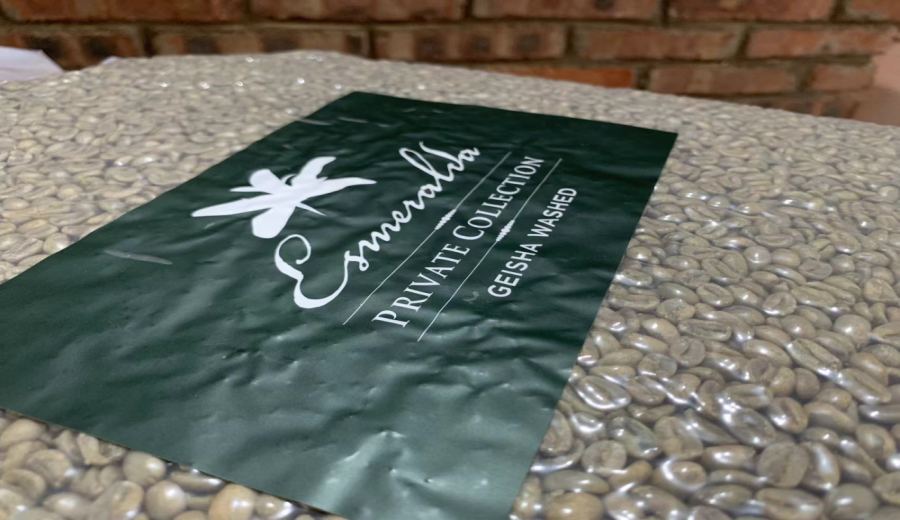
Introduction:The Geisha coffee from Panama’s La Esmeralda Estate is renowned for its unique floral and fruity aromas, but the grading system of Red Label, Green Label, and Blue Label often confuses many. This article delves into the production altitudes, processing differences, and actual flavor profiles of the three grades, while also offering expert pour over recommendations to help you choose the most suitable Geisha beans based on your budget and taste preferences.
Panama La Esmeralda’s Geisha coffee is a legendary variety recognized in the specialty coffee world. However, with three grades — Red Label, Green Label, and Blue Label — many coffee enthusiasts often don’t know how to choose. This article will start with the estate’s historical background, taking you through how the Peterson family transformed this once-retired farm into one of the world’s top coffee regions, and then break down the differences among the three grades of Geisha in terms of growing altitude, cupping standards, processing methods, and flavor characteristics. Whether you’re pursuing auction-grade quality or seeking a high-value everyday enjoyment, you’ll find clear guidance.
The story of La Esmeralda began in 1964, when Swedish-American financier Rudolph A. Peterson retired and moved to Panama, purchasing the La Esmeralda Estate in the Bouquete region, which initially focused mainly on dairy farming. He could never have imagined that this estate would later become famous for its Geisha coffee. In 1973, his son Price Peterson, after earning a doctorate in neurochemistry, returned home and used scientific methods combined with microclimate and altitude conditions to replan the planting areas, gradually developing multiple brands, among which the Geisha variety became the flagship product starting in 2012.
La Esmeralda Estate includes four main farms: Canas Verdes, El Velo, Jaramillo, and Palmira, where all coffee beans undergo post-harvest processing. Among them, Palmira was the first farm acquired by the family. After years of experimentation, the estate team discovered that only Geisha grown at altitudes above 1400 meters could exhibit the variety’s distinctive delicate aromas and complex layers. Therefore, the grading of Red, Green, and Blue Labels is primarily based on altitude, supplemented by cupping results.
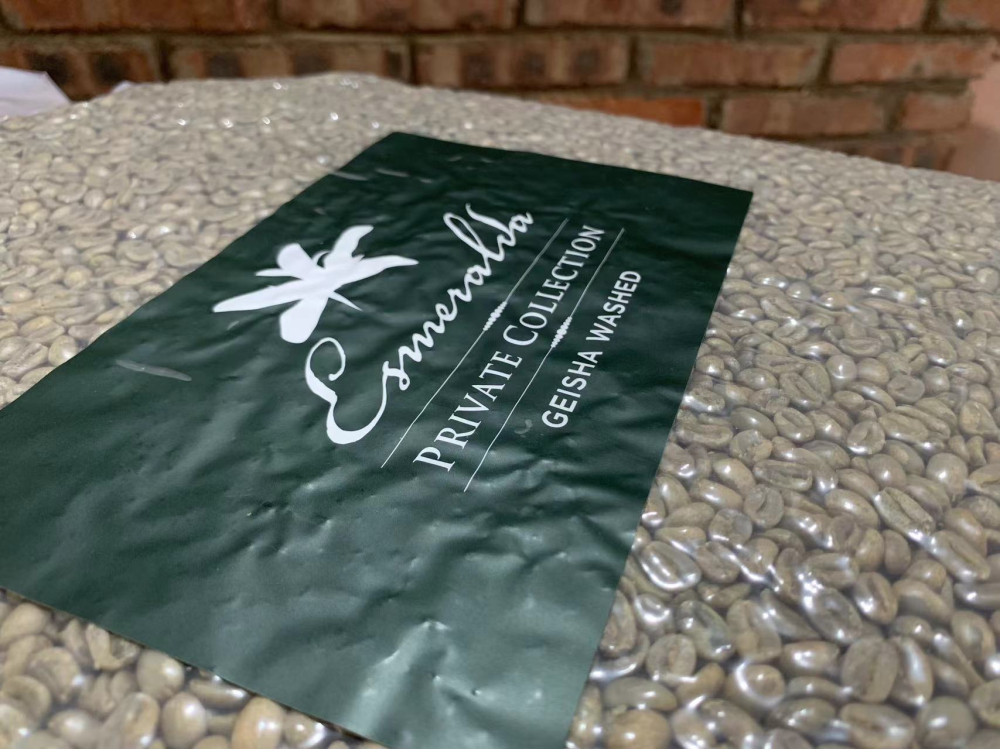
Red Label Geisha is considered the top-tier representation of La Esmeralda Estate, limited to farms Jaramillo and Canas Verdes at elevations of 1600 to 1800 meters, often scoring above 90 points in cupping. These coffee beans are typically processed using either natural (sun-dried) or washed methods, and since 2018, yeast fermentation has also been introduced to further enhance flavor complexity. Red Label Geisha is only available through the annual global auction, making it highly sought after by collectors and top-tier coffee shops. Its flavor profile is characterized by bright floral notes, citrus acidity, and sweet fruity undertones, with distinct layers and a long finish, representing the pinnacle of the Geisha variety.
Green Label Geisha belongs to the reserve-grade batches. Though not part of the auction, it also comes from micro-lots of the high-altitude farms Jaramillo, Quiel, and Canas Verdes, grown at elevations between 1600 and 1800 meters. These beans are mostly carefully selected ripe fruits, processed using washed and natural methods. The flavor characteristics are pronounced, featuring delicate floral notes, bright fruit acidity, and juicy mouthfeel. Common flavor descriptions include jasmine, citrus, berries, and honey, with a clean aftertaste reminiscent of oolong tea and cantaloupe. Green Label not only offers great value but is also the preferred everyday choice for many coffee lovers wanting to enjoy Geisha.
Blue Label Geisha is a selected-grade blended batch, grown at around 1500 meters, with beans sourced from a mix of Jaramillo, Canas Verdes, and El Velo farms. Compared to Red and Green Labels, Blue Label has more subdued aroma and acidity, but still retains the essential cleanliness of Geisha. Its flavors are dominated by soft floral notes, mild acidity, and clear fruity sweetness, with a relatively refreshing mouthfeel, making it suitable for drinkers who prefer a lighter style. Blue Label is only offered with washed processing and serves as an affordable entry option for those new to Geisha.
Auction-grade Red Label Geisha attracts fierce competition from coffee merchants worldwide each year. Its value lies not only in its rarity but also in the rigorous selection process and top-tier processing techniques. Green Label, though not part of the auction, also benefits from high-altitude cultivation and refined processing, with more accessible pricing, making it a favorite among many coffee enthusiasts. If you’re just getting into Geisha, Blue Label provides a clear-flavored and reasonably priced entry option.
For brewing recommendations, Green Label Geisha is particularly well-suited for pour over. It is recommended to use a fine sugar-like grind size (about 3.5), with water temperature controlled at 91–92°C, and a 1:15 coffee-to-water ratio. Practical parameters can be referenced as follows: using a cake dripper, 15 grams of coffee, start with 35 grams of water for a 30-second bloom, then pour in stages up to 100 ml and pause, followed by slowly pouring up to 225 ml, with a total brewing time of about 2.5 minutes. This method fully highlights its floral and fruity notes as well as its layered complexity.
No matter which grade of La Esmeralda Geisha you choose, the key lies in understanding its origin characteristics and processing methods, and adjusting your brewing parameters according to personal taste preferences. Red, Green, and Blue Labels each have their own unique traits — from auction-grade treasures to high-value everyday beans — allowing you to experience the distinctive charm of the Geisha variety.
The above content is compiled by CoffeeHunters, a coffee news website.


