







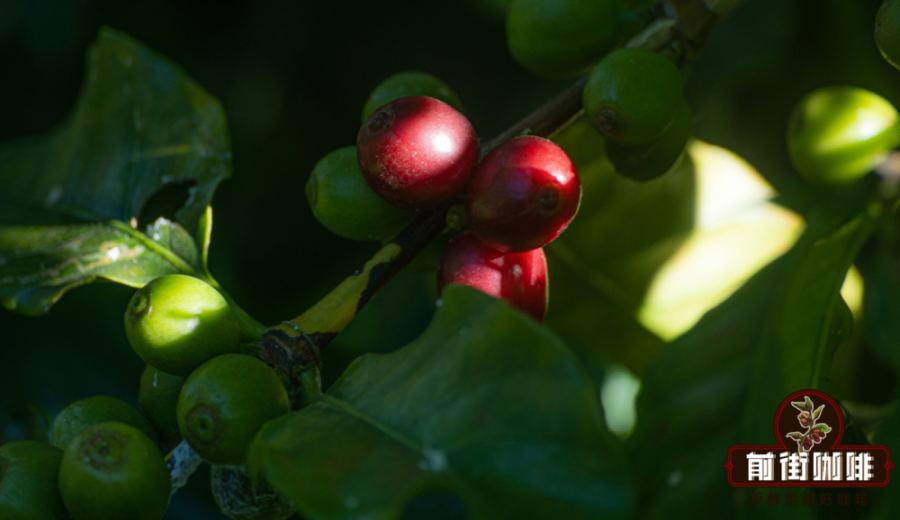
Introduction:As a hybrid of Arabica and Robusta, Catimor is known for its strong disease resistance and high yield, making it a dominant variety in regions such as Yunnan. However, it is often considered to have relatively inferior flavor. This article delves into the breeding background and disease-resistance mechanisms of Catimor, analyzes its cultivation under Yunnan’s specific altitude conditions and cupping performance, while also comparing it with premium Typica to help readers fully understand the potential and limitations of this variety.
Among the diverse family of coffee varieties, Catimor (Catimor) is a member with a unique background and a fair share of controversy. It was created to combat coffee leaf rust, resulting from a cross between the Timor variety—which has Robusta lineage—and the Bourbon variant Caturra. It was first successfully cultivated in 1959 at Portugal’s CIFC Coffee Research Center. Since the 1980s, this variety has been widely planted in Central and South America and gradually introduced to Yunnan, becoming a primary choice for local coffee cultivation.
The most well-known characteristic of Catimor is its exceptional disease resistance, particularly against coffee leaf rust, berry diseases, and certain pests, making it especially favored in regions prone to outbreaks. In addition, it boasts vigorous growth and is suitable for high-density planting, effectively increasing yield per unit area and ensuring stable market supply. However, these advantages come at a cost—due to its Robusta heritage, Catimor is often criticized in cupping sessions for lacking aromatic complexity and having a noticeable bitter and astringent finish, sometimes even described as a “devilish aftertaste,” which poses a significant barrier to its entry into the premium market.
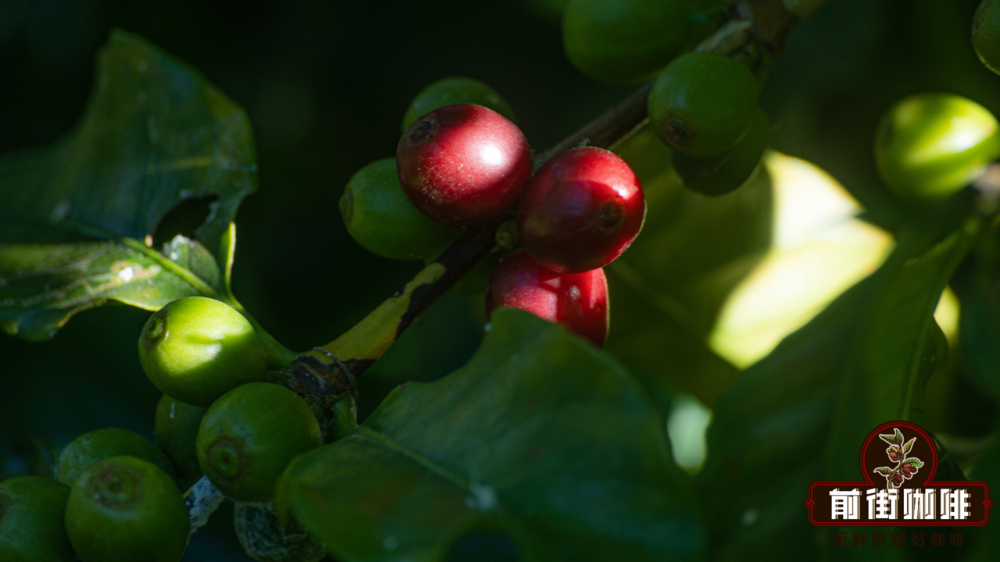
Generally speaking, coffee flavor is closely related to the altitude at which it is grown. At higher altitudes, the large diurnal temperature variation slows down the growth of coffee cherries, which helps accumulate sugars and aromatic compounds, thereby enhancing cup quality. In contrast, even when grown above 1200 meters, Catimor still struggles to match the flavor profile of traditional high-quality Arabica varieties such as Bourbon or Caturra. If planted at too low an altitude—such as below 1000 meters—its performance often resembles that of commercial-grade beans, lacking distinct characteristics.
In Yunnan, this variety is commonly referred to as “Yunnan small-grain coffee,” although traditionally, small-grain coffee refers to Typica. With the expansion of Catimor cultivation, what is now commonly called Yunnan small-grain coffee on the market mostly refers to the Catimor variety. This variety thrives when planted on slopes at altitudes between 800 and 1800 meters, with the best performance observed in valley areas around 1100 meters. Too high an altitude can result in overly sharp acidity, while too low an altitude may lead to excessive bitterness, affecting the overall balance of flavors.
Yunnan’s geographic and climatic conditions provide an ideal growing environment for Catimor. The region features vast sloping lands, pronounced topographic variations, fertile soil, ample sunlight and rainfall, along with significant diurnal temperature differences—all of which contribute to the healthy growth of coffee trees. Especially in Baoshan, where the annual average temperature reaches 21.5°C, with extreme highs of up to 40°C and no frost throughout the year, such conditions are highly conducive to coffee cultivation, earning Baoshan recognition as one of Yunnan’s premium regions for small-grain coffee. Locally produced coffee is renowned for being rich yet not bitter, with pronounced but not overpowering aromas, uniformly small beans, and distinctive fruity notes paired with a full-bodied mouthfeel.
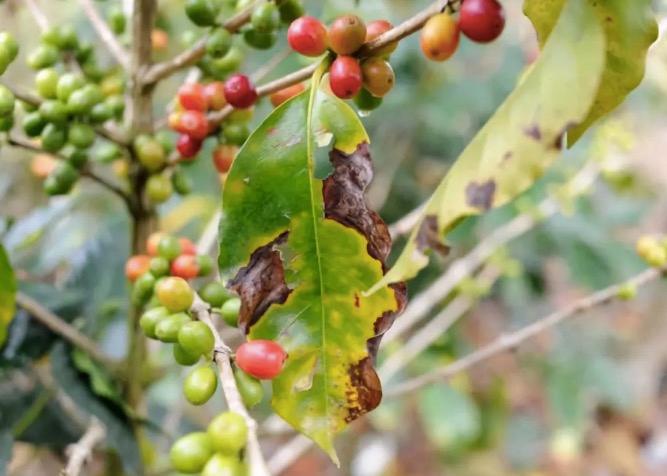
Yunnan small-grain coffee trees typically take three to four years to begin bearing fruit. In Yunnan, the peak flowering period for coffee plants mainly occurs from March to May, with the flowering season extending from February to July. However, the blooming period is extremely brief, usually lasting only two to three days. Subsequently, the coffee cherries enter a long growth and maturation phase, generally requiring 8 to 10 months to fully ripen. Harvesting usually begins in November locally and can continue until March or April of the following year, with ripening slowing as altitude increases. For example, the new-season batch of a certain brand’s 2013 coffee beans, launched in February 2022, was harvested between November and December of the previous year.
When it comes to premium Arabica in Yunnan, the 2013 Typica from a certain brand is a standout representative. Grown at high altitudes, this variety showcases the rich aroma characteristic of pure small-grain coffee. After undergoing natural sun-drying processing and medium roasting, its flavor profile is clear and distinct—offering the tart-sweetness of dried apricots, prominent nutty notes, and a soft brown sugar sweetness, with a delicate tea-like aftertaste. The overall cup is nuanced and layered. Such premium-grade coffee is suitable for various brewing methods including pour over, cold brew, siphon, and drip bags, all of which can fully highlight its unique flavor potential.
The above content is compiled by CoffeeHunters, a coffee news website.


