








Introduction:Delve into the geographical advantages, cooperative systems, and distinctive coffee varieties of Ethiopia’s Yirgacheffe region. Focus on the flavor profiles of renowned washed cooperatives such as Konga, and provide specific adjustments in grind size, water temperature, and brewing techniques to address common bitterness issues during pour over. Help coffee enthusiasts better master the key brewing points for this classic origin.
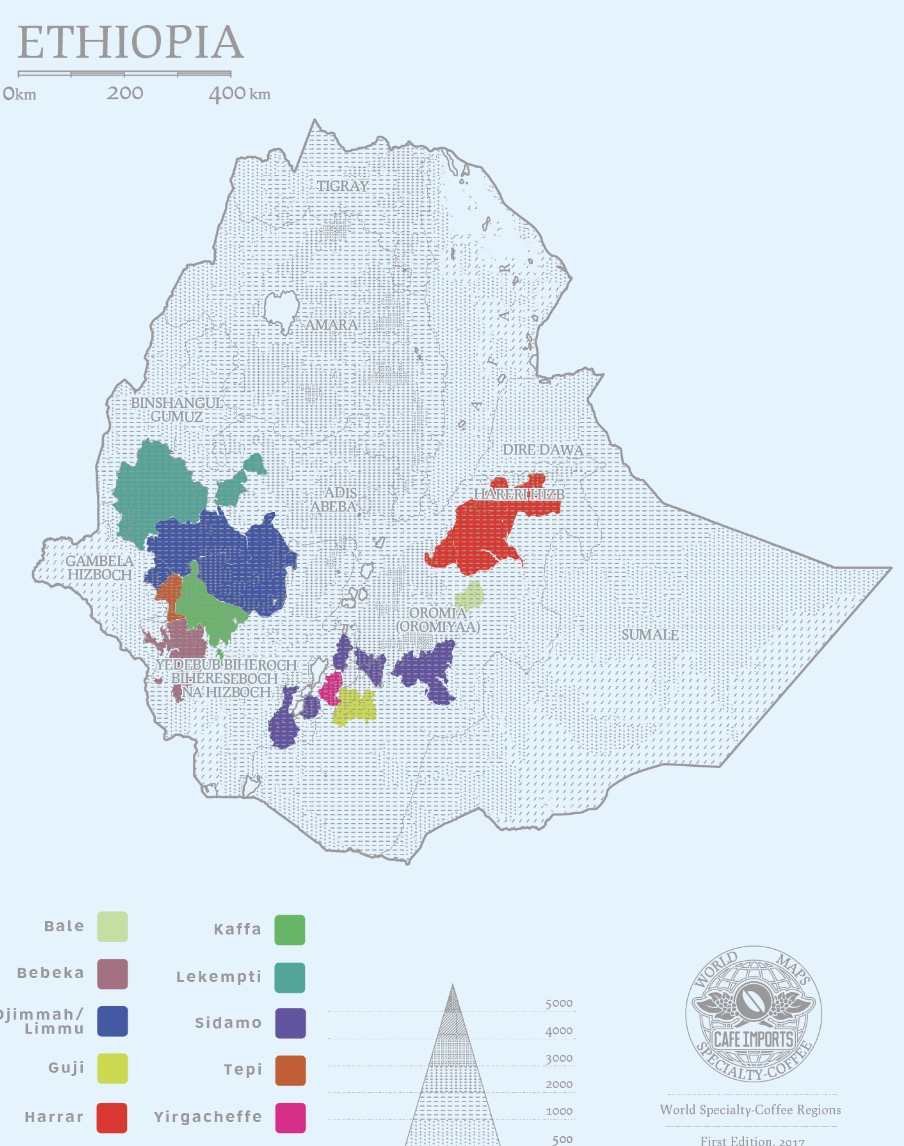
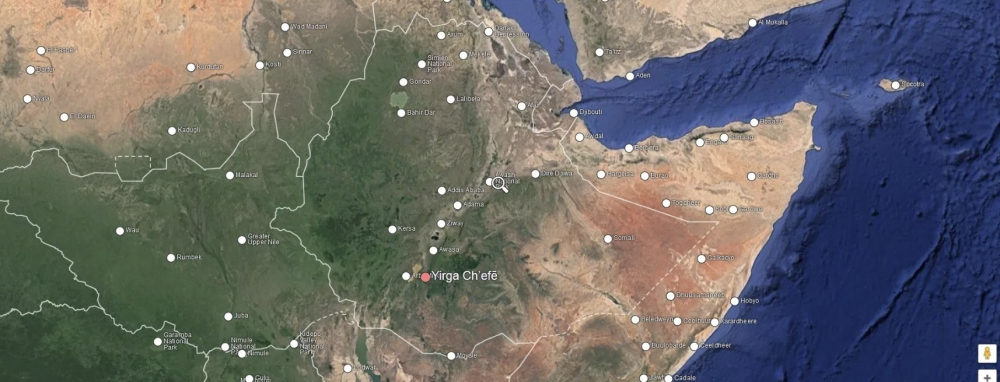
Yirgacheffe is one of the most renowned specialty coffee regions in southern Ethiopia, famed worldwide for its unique floral, citrus notes, and bright acidity. Located in the Gedeo Zone in the southwest, it was originally part of Sidama but was officially designated as a separate region in 2010 due to its distinctly different coffee flavors. The region sits at an altitude between 1,700 and 2,100 meters, with significant day-night temperature variations. The combination of a humid climate and fertile soil gives rise to highly distinctive coffee flavors.
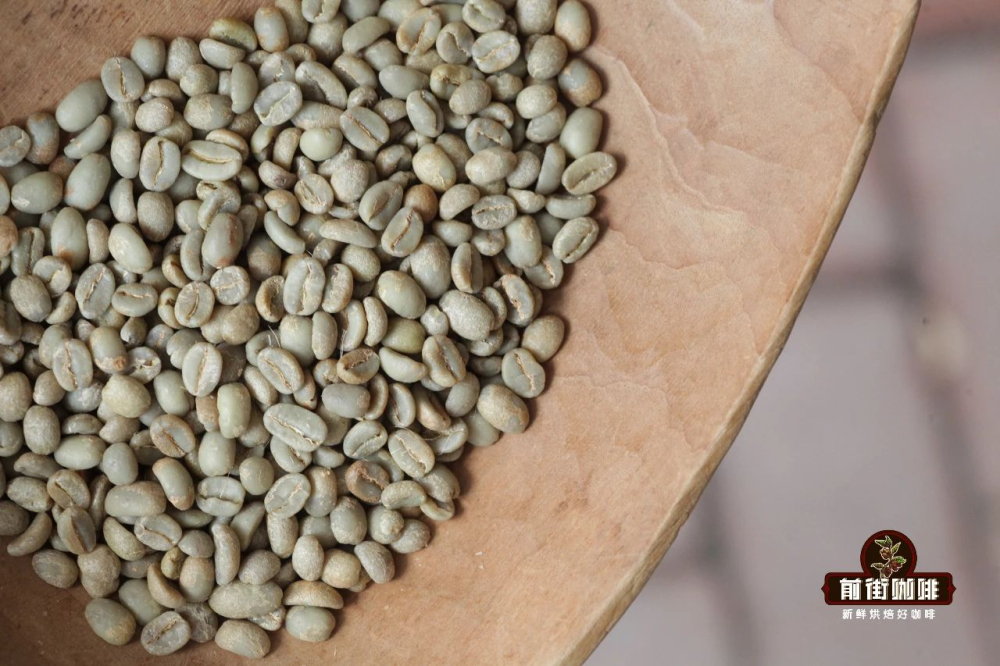
Coffee varieties in Yirgacheffe are mostly collectively referred to as "Ethiopian Heirloom", as the genetic diversity of local coffee plants and long-term natural crossbreeding make it difficult to categorize them precisely. Yet, it is this very diversity that results in complex and varied flavor expressions. However, due to the lack of uniformity in plant varieties, there may be slight differences in the size of some coffee beans.
The abundance of cooperatives in Yirgacheffe is closely tied to the region’s production and sales structure. As early as 2002, the Yirgacheffe Coffee Farmers Cooperative Union (YCFCU) was established, comprising 24 primary cooperatives and bringing together approximately 50,000 coffee farmers. Unlike the conventional model of trading through the Ethiopian Commodity Exchange (ECX),these cooperatives allow buyers to directly trace the origin of green beans, including information about the region, processing method, and farmers, and secure more reasonable compensation through direct trade. This model also enables cooperatives to obtain technical and financial support, further enhancing coffee quality.
Among the many cooperatives, Gotiti, Konga, Werka, Hafursa, and IDIDO stand out in the global specialty coffee market for their outstanding flavor profiles. The following will focus on the characteristics of these cooperatives, especially the sun-dried beans produced by Konga, and offer practical adjustment tips for the bitterness often encountered during pour over.
Gotiti Cooperative (Gotiti)Located in the Werka region at the southeastern edge of Yirgacheffe, it was originally part of the Werka Cooperative before becoming independent in 2012. The Gotiti area excels in traditional sun-dried and washed processing methods. Its washed beans often exhibit a clear citrus acidity, soft white floral notes, honey-like sweetness, and a refreshing aftertaste reminiscent of green tea.
Konga Cooperative (Konga)is situated in the Gedeo region, where the soil is rich in iron and has deep layers (over 1.5 meters), providing ample nutrients and moisture for coffee trees. Iron is a key element in chlorophyll synthesis, enabling more efficient photosynthesis in coffee trees and thus the accumulation of more flavor compounds.Konga’s sun-dried beans often display bright citrus acidity, intense berry-like juiciness, honey-like sweetness, and a creamy smooth mouthfeel,making them a favorite among many pour over enthusiasts.
Werka Cooperative (Werka)Affiliated with YCFCU, it was established in 2005 and is located in a remote area, about 75 kilometers from the main hub town of Dilla, 20 of which are unpaved dirt roads. The cooperative consists of 305 farmers, cultivating approximately 763 hectares with an annual output of nearly 460 tons. Werka coffee is known for its sustainable cultivation without pesticides or chemical fertilizers and holds the EU Skal organic certification. Its washed beans feature a flavor profile based on lemon and pomelo acidity, complemented by elegant ginger lily aroma, honey sweetness, and a tea-like character reminiscent of Tieguanyin.
Hafursa Cooperative (Hafursa)Originating in 1975, it is one of the earlier cooperatives established in Ethiopia. The coffee cherries processed at its facility come from surrounding mountain slopes at altitudes of 1,850 to 2,100 meters. The high elevation and favorable sunlight conditions provide an ideal ripening environment for the coffee.
IDIDO Cooperative (IDIDO)is located in the high-altitude valleys of Yirgacheffe, with an annual rainfall of about 1,400–1,800 millimeters. Smallholder farms are typically planted at altitudes around 2,000 meters. The cool climate in this region slows the ripening of coffee cherries, allowing more complete accumulation of flavor compounds.IDIDO beans often exhibit captivating floral aromas reminiscent of Geisha,making them one of the representatives of Yirgacheffe’s high-altitude flavor profile.
In terms of processing methods, coffee beans from Yirgacheffe mainly usetwo approaches: washed and sun-dried. Washed processing involves first removing the skin and pulp, then fermenting to remove mucilage, and finally drying, resulting in a cleaner, brighter acidity. Sun-dried processing, on the other hand, retains the entire coffee fruit during drying, allowing sugars and fermentation aromas from the pulp to penetrate the beans, creating a richer sweetness and unique layered fermentation flavors.
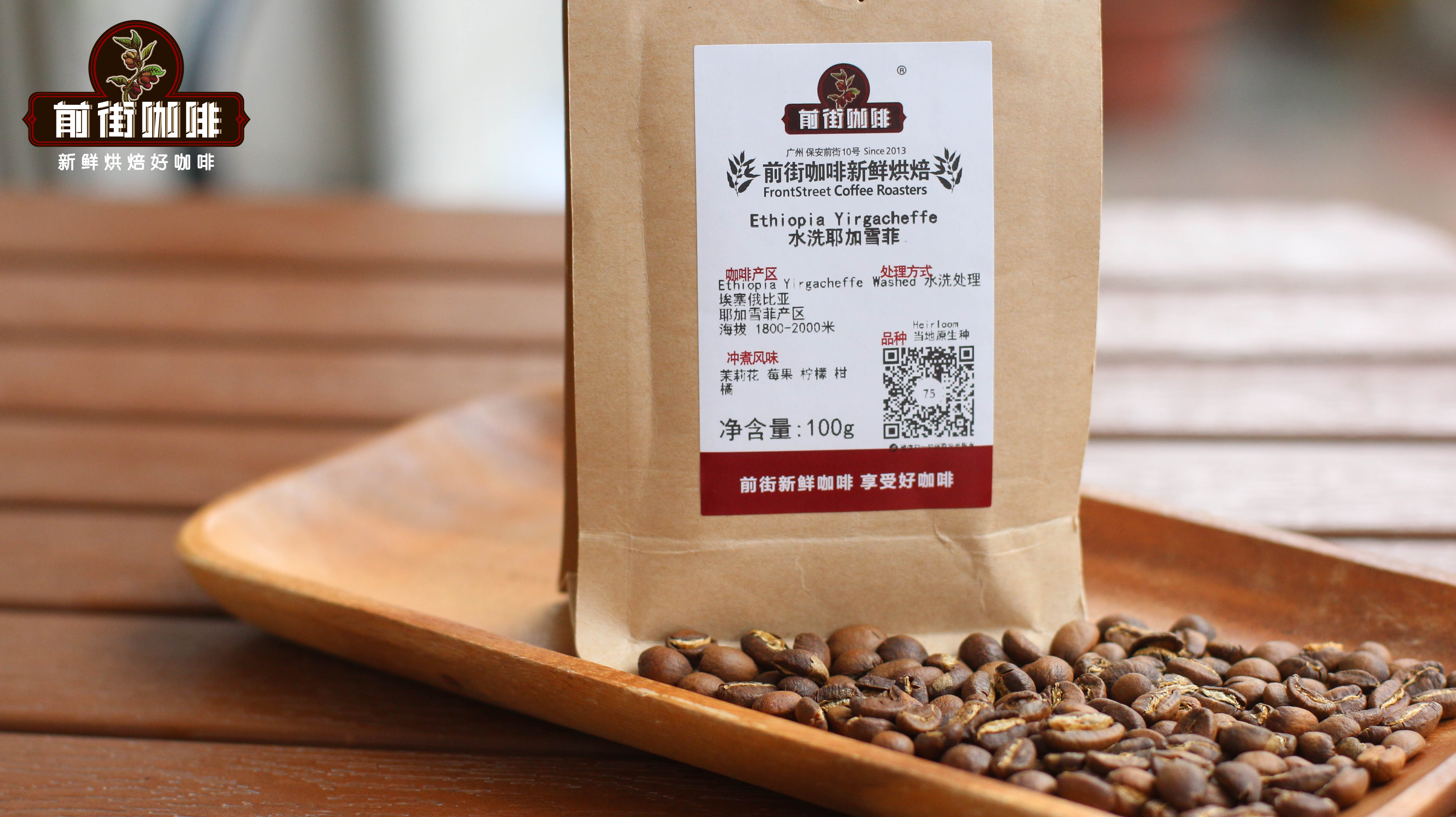
When roasting Yirgacheffe coffee beans,light roastingis generally employed to preserve their bright acidity and delicate floral characteristics. It is recommended to use the beans within 5 days after roasting to experience their optimal flavor expression.
For pour over, since Yirgacheffe beans are grown at high altitudes and have relatively dense bean structure, coupled with being mostly light roasted, it is recommended to usea medium-fine grind size (similar to fine sugar, or about 80% passing rate through a Chinese No. 20 sieve), along witha water temperature of 90–92°C, which helps balance acidity and sweetness while avoiding over-extraction that can lead to bitterness.
A1:15 coffee-to-water ratiois recommended, using a three-stage pouring method: start by pouring 30 grams of water for a 30-second bloom at timing start; then proceed with a circular pour to reach 125 grams, wait until the water level drops by about half, and then continue pouring to 225 grams; finally, let the dripping finish. The total extraction time should be controlled within2 minutes to 2 minutes and 10 seconds, helping to extract clear, bright, and layered flavors while reducing the occurrence of bitterness.
If noticeable bitterness occurs during brewing, first check whether the grind size is too fine or the water temperature is too high. You can also adjust the pouring speed and technique to avoid over-extraction. Proper control of grind size and water temperature is key to achieving balanced flavors.
The above content is compiled by CoffeeHunters, a coffee news website.


