








Introduction:Yirgacheffe Aricha is a renowned naturally processed coffee bean from Ethiopia’s high-altitude growing regions, celebrated for its intense berry notes and distinct, well-balanced acidity and sweetness. This article provides an in-depth look at the origin, processing characteristics of this G1 grade specialty bean, along with practical pour over brewing recommendations—including water temperature, grind size, pouring technique, and extraction time—to help you fully highlight its fruity sweetness and vibrant acidity.
Sourced from the Aricha kebele in Ethiopia’s Yirgacheffe region, this small village is located about eight kilometers from the town center and boasts a rich coffee culture heritage. The name Aricha comes from the smallest administrative division in the area, known as a “Kebele”—a small settlement comprising around 500 households and a population of three to four thousand. Coffee here is mostly grown at elevations above 1,850 meters in native forests, with diverse tree varieties often found within a single batch—including anywhere from 2 to 30 different cultivars. This natural mix of varieties contributes to the unpredictable yet uniquely distinctive flavor profile of the coffee.
The Yirgacheffe region was originally part of the Sidamo region, but due to its exceptional geographical conditions and unique coffee characteristics, it is now recognized as a distinct growing area. Coffee in this zone is cultivated in high-altitude mountainous areas, ranging from 1,750 to 2,400 meters above sea level. Such elevation imparts strong fruit aromas and pronounced acidity to the beans. The coffee in the Aricha area is primarily grown by local smallholders using traditional organic farming methods. Though this results in smaller bean sizes, it also helps preserve the most authentic terroir flavors.
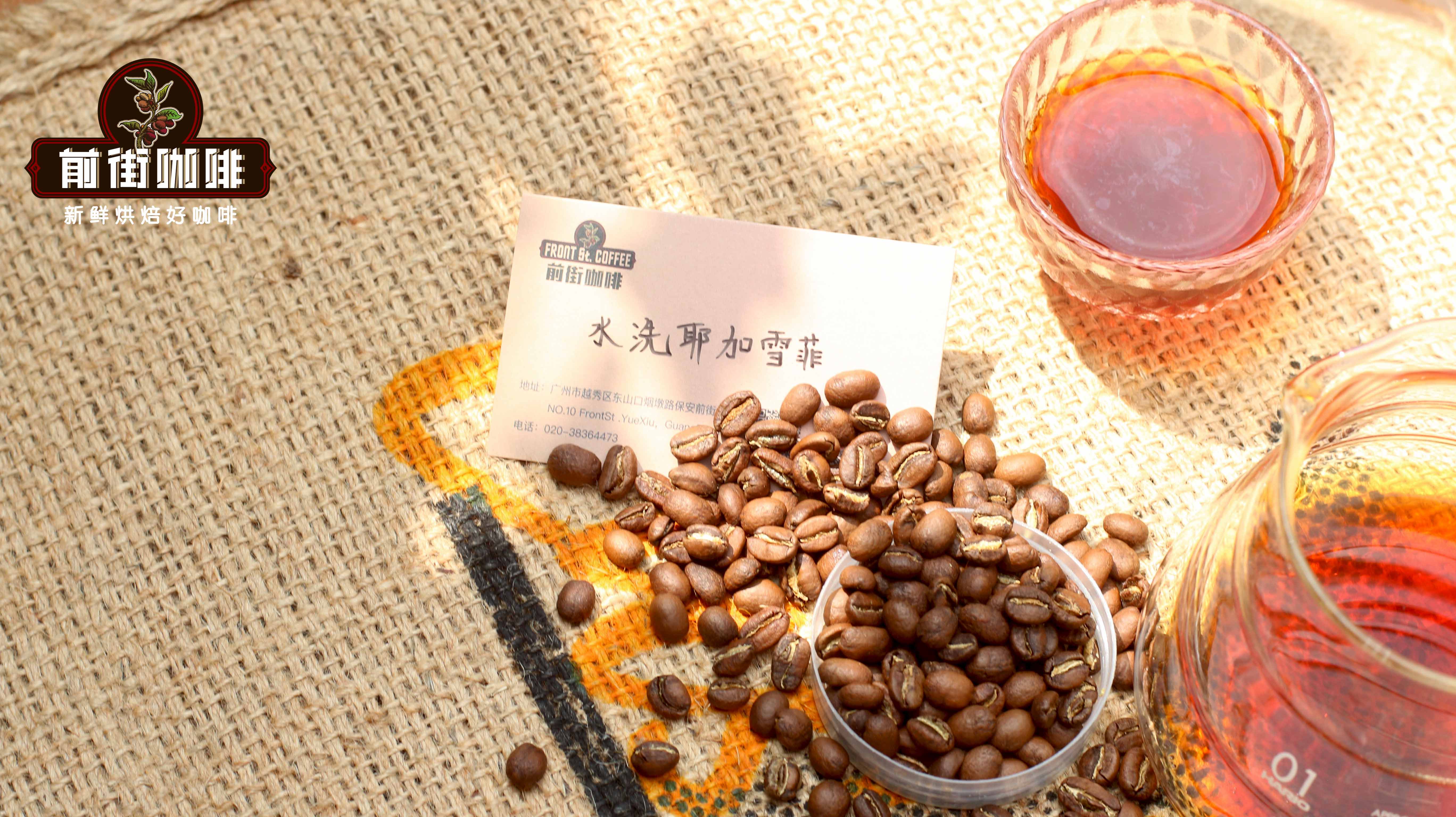
This lot of naturally processed Yirgacheffe Aricha has been rated as G1—the highest grade—by the Ethiopian Commodity Exchange (ECX), excelling in raw bean appearance, dry fragrance, consistency, and overall flavor profile. During processing, the coffee cherries are traditionally sun-dried on raised beds for four to six weeks. They are frequently turned during this period to prevent uneven fermentation and the mucilage is removed at the optimal time to preserve maximum fruity aroma and sweetness. Notably, such natural beans are typically stored as parchment until just before export to ensure quality stability.
This coffee is roasted to a medium-light level. Its dry fragrance offers intense notes of berries and candy-like sweetness, while the brewed cup presents clear citrus tones. It has a balanced acidity and sweetness with subtle winey notes and brown sugar sweetness, and a long-lasting finish reminiscent of orange candy. The flavor profile includes dried strawberries, passion fruit, black plum, tropical fruit sweetness, and fruity wine notes—a layered and distinctive natural-processed specialty bean.
To fully showcase Aricha’s unique flavors, the pour over parameters are crucial. It is recommended to use a V60 dripper, with water temperature controlled at 90°C. The grind size can be referenced to BG grinder setting 5R, roughly equivalent to a standard sieve passing rate of 60%, with a particle size similar to table salt. This setup balances extraction efficiency and clarity of flavors, avoiding over-extraction or overly sharp acidity.
In practice, start by weighing out 15 grams of coffee grounds. Begin pouring hot water from the center of the dripper in slow clockwise circles until you reach 30 grams, pausing at around 15 seconds. This allows the coffee grounds to bloom fully and initiates aroma release. After about one minute, begin the second pour, adding water up to a total of 220 grams, aiming to complete the extraction in approximately 2 minutes and 20 seconds. Be mindful to avoid pouring directly onto the area where the filter paper meets the coffee bed to minimize channeling and ensure even extraction.
Common mistakes for beginners include using water that is too hot, leading to over-extraction; grinding too fine, causing channel blockage; or failing to balance pouring between the center and edges, which affects flow rate and overall flavor. Carefully adjusting these variables will allow you to more consistently extract Aricha’s multi-layered berry sweetness and vibrant acidity, delivering the unique charm of Ethiopian highland coffee.
The above content is compiled by CoffeeHunters, a coffee news website.


