







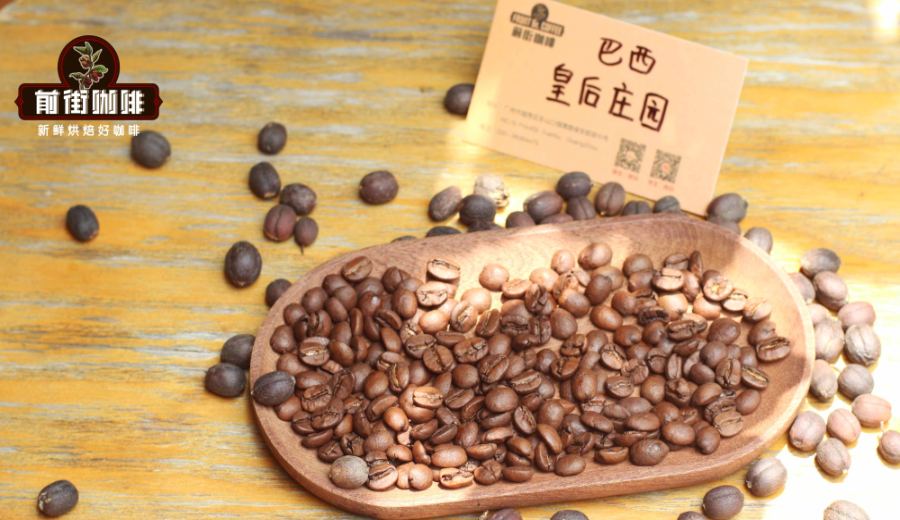
Introduction:Sourced from Fazenda Rainha (Queen Estate) in the volcanic Vale da Grama valley of Minas Gerais, Brazil, this yellow Bourbon semi-washed coffee won the Brazilian COE competition championship in 2011. This article delves into the complete journey of this coffee — from the estate background, variety characteristics, and pulped natural processing method, to the roasting curve and pour over parameters — offering a comprehensive insight into how high-altitude, low-moisture beans can present captivating flavors of cream, nuts, and sugarcane sweetness. It serves as a practical reference for both coffee enthusiasts and industry professionals.
Located in the Mogiana region of Minas Gerais, Brazil, Fazenda Rainha has been awarded the championship title in the Brazilian COE competition in 2011. Nestled in the historic volcanic valley of Vale da Grama at an altitude of approximately 1,400 meters, all coffee cherries are hand-picked to ensure each one reaches optimal ripeness. This article will explore a particular brand’s introduction of Brazil Queen Estate pulped natural yellow Bourbon coffee, covering everything from the estate environment and variety history, to processing techniques, green bean characteristics, roasting strategy, and brewing recommendations. We will fully analyze how this coffee expresses a rich and balanced flavor profile under unique conditions.
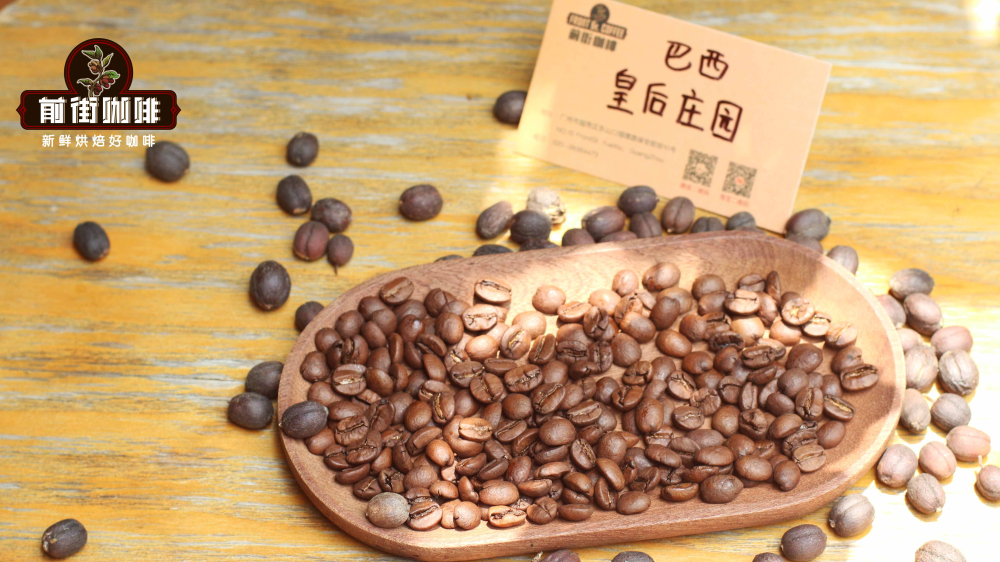
This semi-washed yellow Bourbon coffee from Queen Estate is grown on a plantation spanning 200 acres, making up the majority of the estate’s coffee fields. Due to the undulating terrain and steep slopes of the producing area, large machinery has difficulty accessing the fields, so all coffee cherries are harvested manually. This not only makes the process time-consuming and labor-intensive, but also ensures strict quality control during selection. After harvesting, the estate employs an initial water-washing process, followed by drying on raised beds and with the aid of auxiliary drying machines. The process also includes mechanical sorting and manual picking to guarantee the quality of each green bean. Such rigorous procedures require staff to remain on-site year-round, and as a token of appreciation, employees and their families enjoy comprehensive benefits including housing, healthcare, and education.
The estate belongs to a medium-sized farm cooperative organization in the Grama Valley region, which primarily exports specialty coffees of the Bourbon family. The organization’s headquarters is located in nearby Poços de Caldas, and it houses a national-level cupping laboratory and large-scale storage facilities. It also collaborates with academic institutions, including Lavras University, to research coffee varieties and cultivation techniques. Among them, the renowned Dr. Flavio Borem hails from the university’s agricultural research center, contributing his expertise to coffee variety improvement and regional development.
This particular brand’s Queen Estate pulped natural yellow Bourbon coffee is grown in the Vale da Grama region at an altitude of about 1,400 meters and is of the yellow Bourbon variety. Yellow Bourbon is a descendant of the Bourbon variety, with origins traceable to the 18th century when French explorers introduced coffee to Réunion Island (then called Bourbon) near Madagascar. As a result, the variety is also known as the “French Missionary.” It later spread to Africa, then to South America, and is now widely cultivated in places like Brazil. Under Brazil’s unique climate and soil conditions, influenced by recessive genes, the fruit turns a bright yellow upon ripening, hence the name yellow Bourbon.
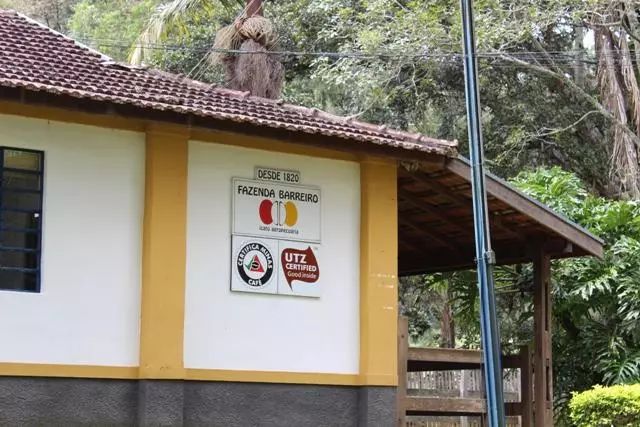
The processing method used for this coffee is Cerezadescascado, a locally developed technique in Brazil that falls between washed and fully natural, categorized as a semi-honey process. The specific procedure involves using a small amount of water to remove the pulp and skin, then placing the mucilage-covered coffee beans directly on drying beds. Throughout the drying period, the beans are continuously turned to ensure even sun exposure. After several days of drying, mechanical assistance is used to reduce moisture content, eventually achieving stability. This processing method not only preserves more sweetness and fruity aromas, but also gives the coffee a rounder, fuller mouthfeel. The resulting green beans are dense, low in moisture, and relatively large, with over 98% being 16 mesh or larger, about half of which reach 18 mesh. This provides an excellent foundation for subsequent roasting.
In terms of roasting, the team at the brand found this coffee to be highly suitable for espresso use, though they recommend a relatively lighter roast color. Due to the batch's high bean density and low moisture content, it has strong heat absorption capabilities, requiring increased firepower during roasting to smoothly enter the first crack stage and achieve good development. The final roast level is set to medium-dark, where the coffee exhibits a rich array of flavors, including cream, nuts, roasted peanuts, sugarcane sweetness, and soft fruity acidity. The overall flavor balance is excellent, with a long-lasting aftertaste, making it ideal for coffee enthusiasts seeking complex flavor profiles.
The above content is compiled by CoffeeHunters, a coffee news website.


