







Introduction:For coffee beginners, Ethiopian Yirgacheffe washed beans are an excellent starting point for exploring specialty coffee. This article delves into the unique terroir of Ethiopia’s Yirgacheffe region, the characteristics of the washed processing method, and provides practical pour over parameters and flavor expectations to help you master the brewing essentials of this classic bean—from roast level and grind size to pouring techniques.
Stepping into the world of specialty coffee, many beginners often feel overwhelmed by the numerous choices of regions and processing methods. If you want to experience the nuanced flavor layers of coffee without overly bitter or harsh notes, Yirgacheffe washed beans are an ideal entry choice. Originating from southern Ethiopia, these beans not only boast distinct floral and citrus notes but also stand out with their clean and bright acidity, making them a top pick for many coffee enthusiasts.
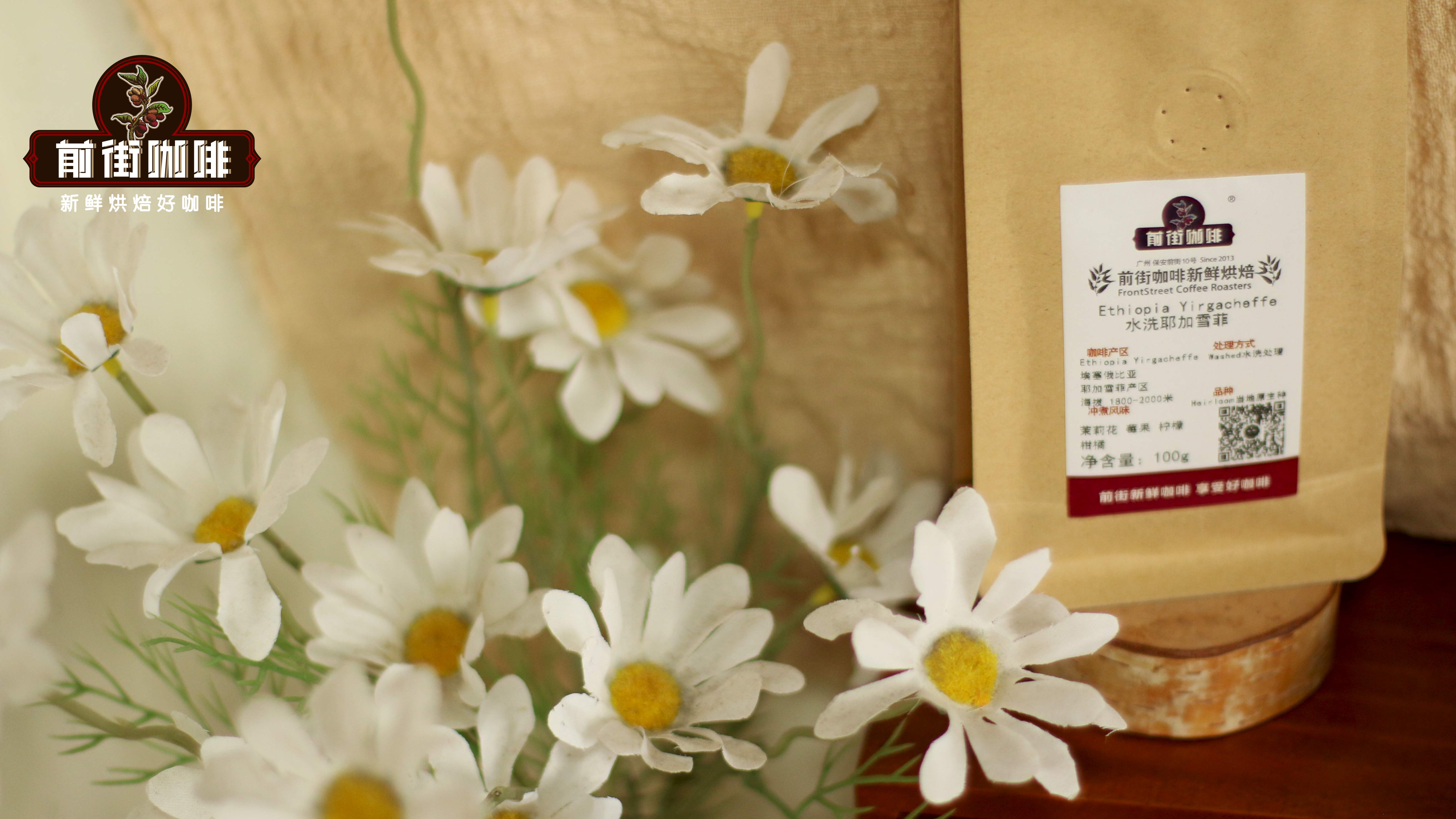
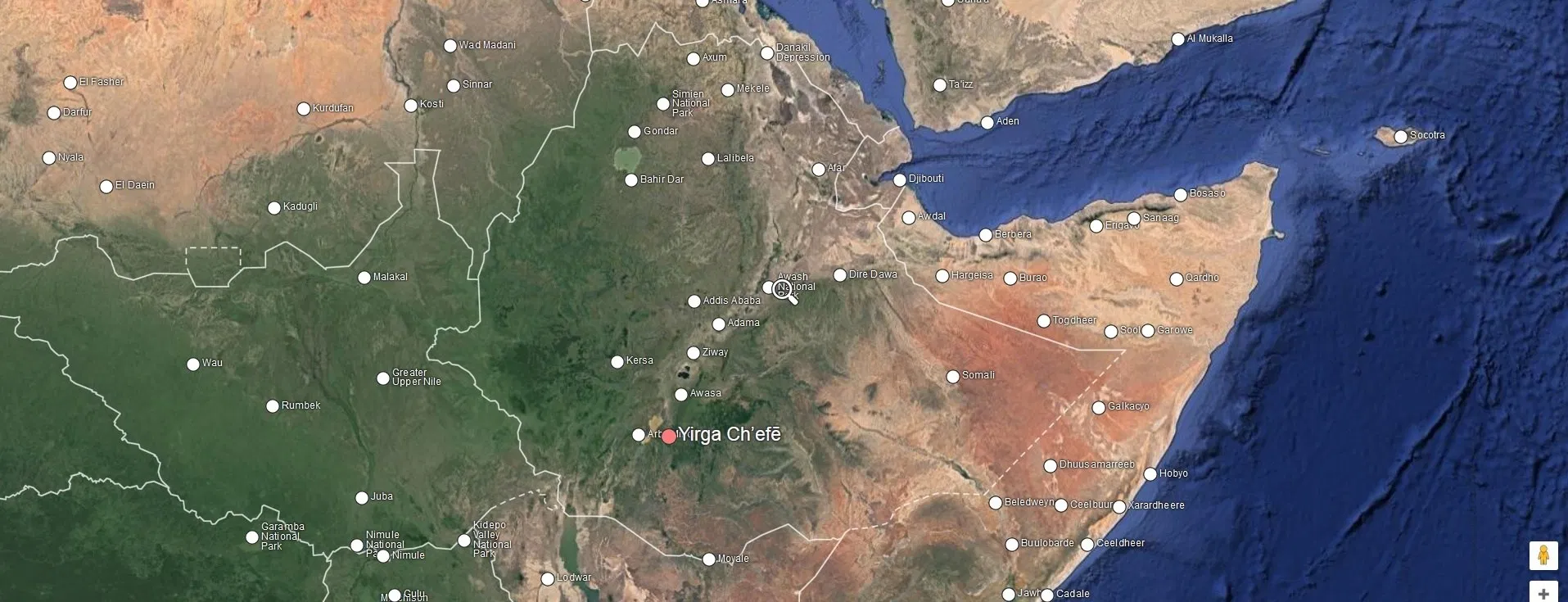
Located in southern Ethiopia, Yirgacheffe was originally part of the Sidamo region but was designated as a separate producing region in 2010 due to its distinctive floral and citrus acidity. Most smallholder farmers here grow coffee trees in their own backyards, and after harvest, the cherries are sent to cooperatives for unified washed processing. This method effectively highlights the coffee’s cleanliness and bright acidity. The abundant local water supply provides ideal conditions for washed processing, contributing to the unique refreshing flavors of Yirgacheffe coffee beans.
The so-called regional flavor refers to the fact that even with the same variety and processing method, coffee beans can still exhibit unique taste profiles due to the terroir conditions such as soil and climate where they are grown. For example, when it comes to citrus acidity, many people think of Ethiopia’s Yirgacheffe; when discussing herbal and spicy notes, Indonesia’s Sumatra often comes to mind. With its moderate acidity and low bitterness, Yirgacheffe washed beans are very suitable for learning to identify the layers and flavor characteristics of coffee.
Yirgacheffe was originally a small town under the Sidamo region, and its name means “natural wetland.” Due to the highly recognizable fruity and floral aromas of its coffee, the Ethiopian Commodity Exchange designated it as a separate producing region in 2010. Residents here mostly grow coffee in their own backyards, and after harvest, the cherries are sent to nearby cooperatives for centralized processing and exported under the cooperatives’ names. Thanks to the abundant local water resources, washed processing is widely used, further enhancing the coffee’s cleanliness and acidity. Notable washed cooperatives in the area include Kochere Cooperative, Worka Cooperative, and Guji Dingding Cooperative.
In addition to washed processing, Yirgacheffe also produces natural sun-dried coffee and beans processed with special methods. Compared to the crispness of washed beans, sun-dried coffee generally has a richer mouthfeel with subtle fermentation aromas; special processing methods can enhance specific flavor expressions. As the birthplace of coffee varieties, Ethiopia boasts an extremely rich coffee gene pool. Most varieties grown locally are interplanted, so apart from specific ones, they are generally referred to as “Ethiopian Heirloom.” The varying sizes of these varieties are also one of the common characteristics of Ethiopian coffee beans.
In terms of roast level, to preserve the characteristic floral and citrus acidity of Yirgacheffe, light roasting is usually adopted. This helps bring out a gentle sweetness while retaining acidity. For coffee beginners, lightly roasted Yirgacheffe washed beans are not only easy to enjoy but also help develop sensitivity to coffee flavors. It is recommended to start brewing within five days after roasting to experience the best flavor expression.
When brewing Yirgacheffe washed beans, it is suggested to use a relatively high water temperature, around 90–91°C, and choose a medium-fine grind size, roughly similar to the coarseness of fine sugar (with a Chinese No. 20 standard sieve passing rate of about 80%). The brew ratio can be set at 1:15, and a three-stage pouring method is recommended: first pour 30 grams of water for a 30-second bloom; then pour in a small circular motion up to 125 grams, wait for the water level to drop by half, and continue pouring up to 225 grams. The total extraction time should be controlled between 2 minutes and 2 minutes 10 seconds.
With this brewing approach, Yirgacheffe washed beans typically showcase flavors such as jasmine, berries, lemon, and citrus, with bright and layered acidity. If you opt for sun-dried Yirgacheffe, such as the fully red fruit beans from the Aletaland Cooperative, you might experience berry, strawberry, lemon, and fermentation aromas; meanwhile, the washed beans from Worka Cooperative and Kochere Cooperative present different flavor profiles, such as lemon, plum, pomelo, ginger flower, and Tieguanyin, or lemon, black tea, orange blossom, and fruity sweetness, offering a diverse tasting experience.
The above content is compiled by CoffeeHunters, a coffee news website.


