








Introduction:Ethiopia is hailed as the birthplace of coffee, boasting abundant coffee genetic resources and diverse regional flavor profiles. This article provides an in-depth exploration of the country’s nine major coffee-growing regions—including well-known areas such as Yirgacheffe and Sidamo—covering their terroir characteristics, processing methods, roasting recommendations, as well as practical pour over parameters and flavor descriptions to help coffee enthusiasts gain a more comprehensive understanding of the unique charm of African specialty coffee.
As the globally recognized birthplace of coffee, Ethiopia not only has a coffee cultivation history spanning thousands of years but is also renowned for its rich diversity of native varieties. On the international stage of specialty coffee, this East African country, with its unique terroir across various regions, has given rise to many unforgettable coffee flavors—such as the bright floral and fruity notes of Yirgacheffe or the berry sweetness of Sidamo. This article will take you on a complete journey through the multifaceted world of Ethiopian coffee, from culture and growing regions to processing methods, as well as practical roasting and pour over suggestions.

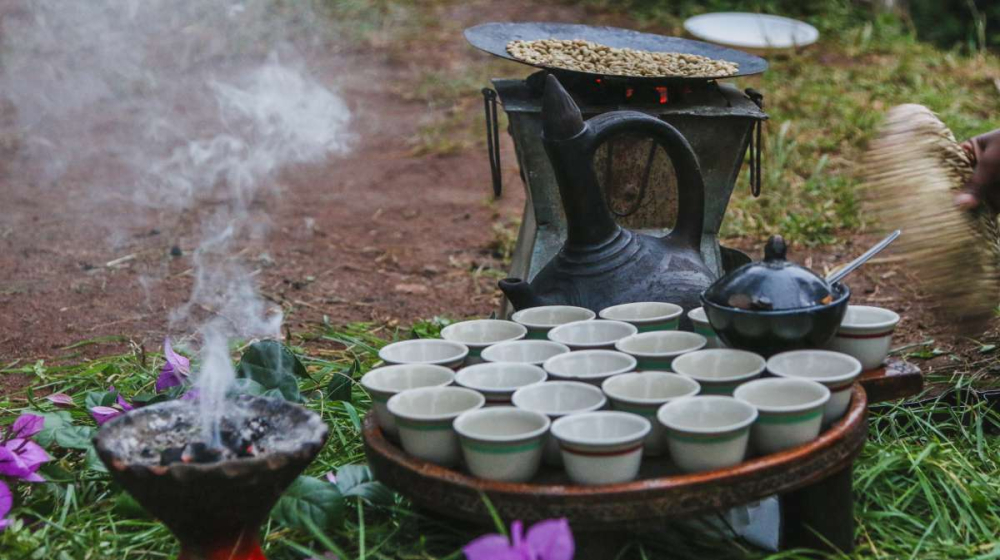
Ethiopian coffee is deeply woven into the lives of local people; it is not just a beverage but also an important vehicle for social interaction and faith. Whether at weddings, family gatherings, or even occasions for conflict mediation, the coffee ceremony is always indispensable. This traditional activity, which lasts approximately one and a half hours, involves roasting, grinding, and brewing the coffee beans, followed by three rounds of drinking—known as Abol, Tona, and Baraka—symbolizing the process from dialogue and understanding to reconciliation. It showcases the profound significance of coffee within Ethiopian society.
The importance of coffee can also be keenly felt in language and daily expressions. For instance, “Buna dabo naw” means “coffee is our bread,” while “Buna Tetu” extends beyond simply “drinking coffee” to represent a social gathering among friends. Whether in urban or rural areas, coffee has become an indispensable part of Ethiopian life.
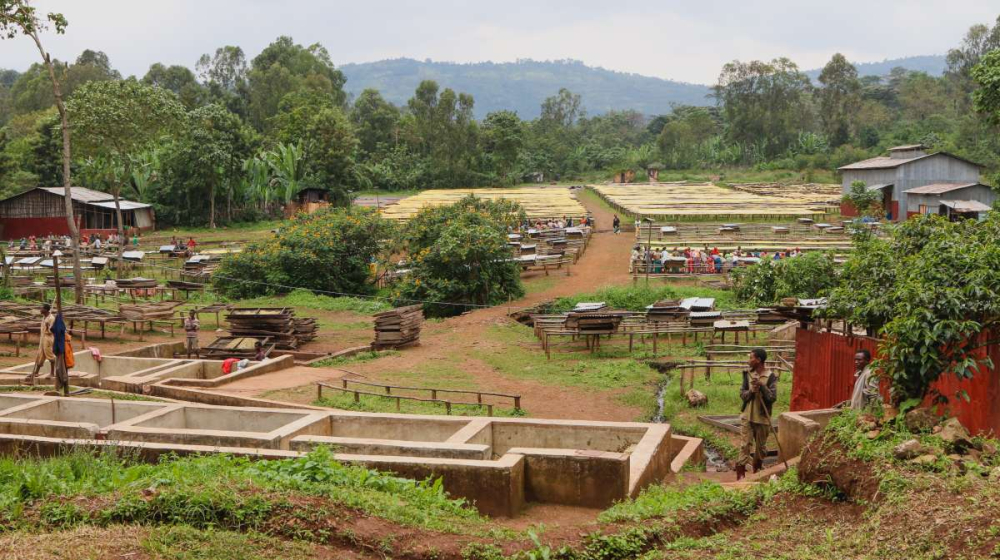
Coffee farming in Ethiopia is predominantly carried out by smallholders, with over 1.2 million households involved in production. The average farming area per household is less than 4 hectares, and planting altitudes mostly range between 1,000 and 2,300 meters. Based on differences in cultivation environment and management methods, it can be categorized into forest coffee (8–10%), semi-forest coffee (30–35%), garden coffee (50–55%), and plantation coffee (5–6%). Among these, garden coffee is the most common form, often grown around homesteads and tended by farmers themselves.
It is worth noting that after the administrative division adjustments in 1995, the names of some previously familiar regions have changed. For example, the former Sidamo Province was split, with parts incorporated into the newly established Sidama Region, while Yirgacheffe became part of the Gedeo Zone. As a result, Ethiopian coffee products on the market today often feature both old and new names, so consumers should pay special attention when making purchases.
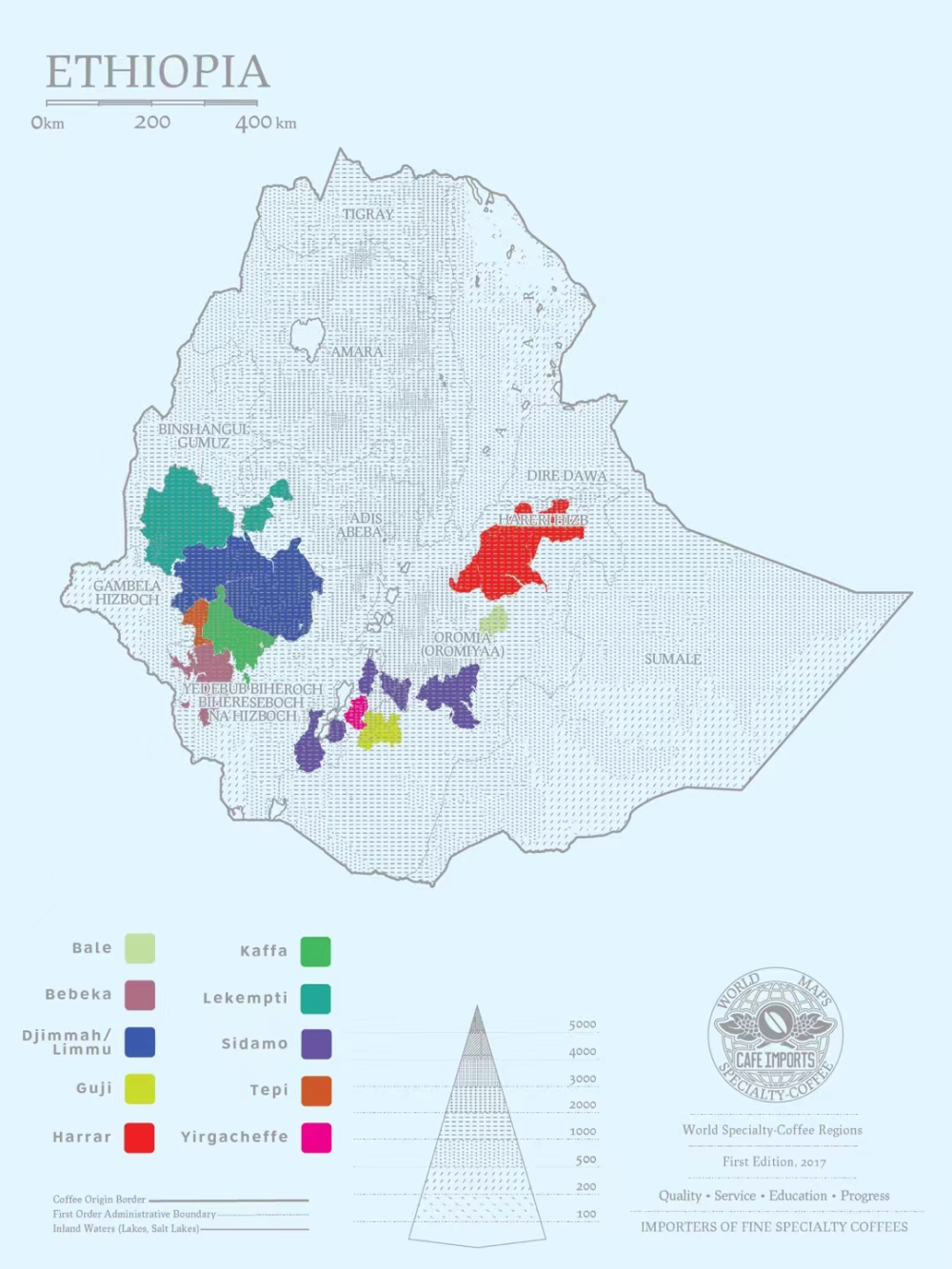
Ethiopia has nine well-known coffee-growing regions, each showcasing distinct flavor characteristics. First is Yirgacheffe, a town located within the Sidamo region, which has gained widespread attention for its unique jasmine, lemon, peach, and tea-like aromas. It is typically cultivated using the garden coffee system, at altitudes of around 1,800–2,000 meters. Early on, sun-dried processing was predominant, but the introduction of washed processing in 1972 enhanced clarity and layered complexity in flavor. Moreover, in recent years, innovative methods such as red honey and anaerobic processing have emerged, bringing even more possibilities to this classic region.
The Sidamo region is also primarily dominated by garden coffee, with altitudes ranging from 1,400 to 2,200 meters, and is known for its refined floral and fruity aromas as well as bright acidity. The locally famous coffee “Huikaio” originates from the Hambela area of Guji and gained prominence after standing out in the TOH competition in 2017, becoming a specialty bean capable of rivaling Geisha. It is recommended to use a medium-light roast to highlight its berry and caramel notes. For pour over, you can choose the V60 filter, with water temperature controlled at 90°C, a water-to-coffee ratio of 1:15, and a medium-fine grind (80% passing through a Chinese No. 20 sieve), using a staged extraction method to bring out the best flavors.
The Limu region, though less common in Taiwan, is quite popular in European and American markets, mainly grown at altitudes of 1,200–2,000 meters. Its flavors are characterized by grassy notes and black sugar, with relatively bright acidity. The Harrar region, on the other hand, is the sun-dried holy land of eastern Ethiopia, with altitudes of 1,500–2,400 meters, known for its unique “complex aromatic” profile. However, careful selection of defective beans is necessary, and it is advisable to cup the coffee before purchasing. The Jimma region is Ethiopia’s largest coffee distribution hub. Though mainly producing commercial-grade beans, some washed specialty beans still exhibit a clean and transparent flavor profile.
Other regions such as Illubabor, Gimbi, and Teppi-Bebeka mostly export bulk commercial beans, with relatively balanced flavors, suitable for use in blends. The Lake Tana region, meanwhile, is famed as the coffee origin with the most “divine flavor” due to the historical background of nearby Eastern Orthodox monasteries. Though production is extremely limited, it carries a profound cultural essence.
Ethiopia is home to nearly 2,000 coffee varieties, 1,927 of which are native, hence they are often collectively referred to as “local Ethiopian native varieties” during processing and export. However, in recent COE competitions, specific variety codes such as 74158, 74110, as well as KURUME and TYPICA, have gradually emerged, reflecting the increasing importance of varietal identification.
In terms of processing methods, Ethiopia primarily employs washed and natural (sun-dried) processes. The washed method highlights clean acidity and floral-fruity notes, making it suitable for drinkers who prefer a refreshing taste; the natural method adds intense fruitiness and sweetness, catering to consumers who favor fuller-bodied flavors. Readers trying Ethiopian coffee for the first time might start with washed beans to experience their most original flavor traits.
According to the ECX grading system, coffee beans are classified by defect rate into G1 (no more than 3 defects per 300g) and G2 (4–12 defects), and further evaluated by SCA cupping scores—with 85 points or above being Q1, and 80–84.75 points being Q2, providing clear quality references for international buyers.
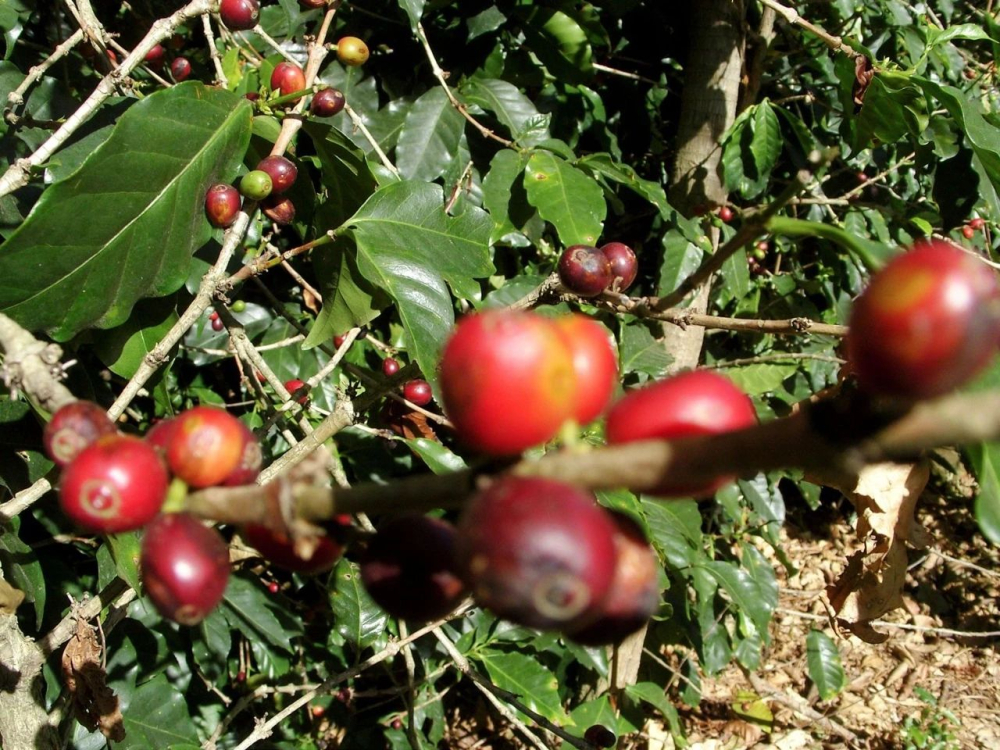
For the two classic regions of Yirgacheffe and Sidamo, it is recommended to use a light roast to highlight their bright acidity and floral-fruit profiles. The provided roasting profile and pour over parameters can serve as practical references: Use a V60 filter, with water temperature at about 90°C, a water-to-coffee ratio of 1:15, a coffee dose of 15g, a medium-fine grind (80% passing through a Chinese No. 20 sieve), and a staged extraction method. During the bloom phase, pour 30g of water and let it sit for 30 seconds, then continue with staged pouring until reaching 225g total, with the whole extraction process lasting about 2 minutes. These parameters can fully showcase the delicate flavor layers of Ethiopian coffee—whether it’s the fermented wine notes of natural processing or the citrus-lemon tones of washed processing, all can be clearly presented.
In summary, the charm of Ethiopian coffee lies in its diversity—from regional terroir, processing techniques, to roasting and brewing methods—each element influences the final flavor profile. A deeper understanding of these details not only enhances your tasting experience but also gives you more direction and confidence when selecting and brewing Ethiopian coffee.
The above content is compiled by CoffeeHunters, a coffee news website.


