








Introduction:The world of specialty coffee is rich and diverse, with coffee varieties being the key determinant of flavor and quality. Beyond the commonly mentioned Arabica, what other original species exist? What unique characteristics do sub-varieties such as Typica, Bourbon, and Geisha have? This article provides an in-depth yet accessible analysis of the three major coffee species and common Arabica varieties. It explains their origins, suitable environments, and cupping flavors, and includes detailed information on actual producing regions and processing methods to help you find the coffee beans that best suit your taste.
Coffee variety is one of the key factors influencing flavor and quality, determining not only the aroma and mouthfeel in the cup but also closely related to growing conditions and disease resistance. While the specialty coffee market is dominated by Arabica, it is not the only option. This article will start with the three major coffee species—Arabica, Robusta, and Liberica—to analyze their differences in flavor performance, yield, and usage. It will then further introduce the historical background, plant characteristics, cultivation performance, and cupping style of popular Arabica varieties such as Typica, Bourbon, Caturra, and Geisha. Detailed information on actual producing regions and processing methods will be interspersed throughout to help coffee enthusiasts explore their own coffee flavor journeys with clarity.
When discussing coffee varieties, there is actually a history of dissemination spanning hundreds of years. In 1699, the Dutch East India Company first introduced coffee to Java Island in Indonesia, marking the beginning of coffee’s global spread. Subsequently, the Netherlands and France played pivotal roles in bringing coffee from the Arab region to Europe, and then transplanting it around the world. In 1706, several coffee trees from Java were successfully cultivated in Amsterdam, the Netherlands, and in 1713, they were even gifted to King Louis XIV of France. In 1723, a French officer named Clair secretly brought a coffee seedling to Martinique. This tree later became the origin of coffee cultivation in the Caribbean and Central and South America, illustrating the migration path of coffee varieties during the Age of Exploration.

Today, global coffee cultivation is mainly concentrated in three geographical regions: Africa, Latin America, and Asia & the Pacific. Although Africa is dominated by Robusta, highland areas in Kenya, Tanzania, and Cameroon are also capable of growing high-quality Arabica. Latin America is led by Brazil, with annual exports reaching tens of millions of bags, and its Santos coffee is renowned worldwide. Specialty coffees from Jamaica Blue Mountain, Colombia, and Panama are also mostly washed Arabica, with Panama recently leading trends with innovative processing methods such as anaerobic fermentation. The Asia & Pacific region includes Indonesian Mandheling, Yemeni Mocha, China's Yunnan and Taiwan, as well as producing areas in India, Vietnam, and Hawaii. Among them, Indonesia and India have also seen significant growth in washed and natural Robusta production. As for Australia, it is mainly planted in eastern regions such as Queensland and Norfolk Island. Although the scale is small, the quality is also of a certain standard.
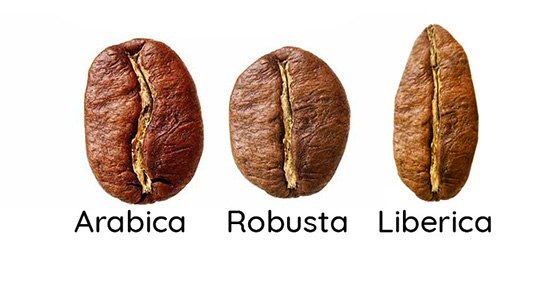
From a botanical classification perspective, commercially valuable coffee varieties are mainly divided into three species: Arabica (Coffea Arabica), Robusta (Coffea Robusta, also known as C. canephora), and Liberica (Coffea Liberica). Each of these coffees has its own unique characteristics. Among them, Arabica, with its elegant flavor and rich aroma, accounts for about 60% to 70% of global production and is the mainstream in specialty coffee. Robusta originates from the Congo, with strong disease resistance but a coarser flavor. Its caffeine content is twice that of Arabica and it is mostly used in instant coffee and canned coffee, accounting for about 30% of the global total. Liberica, although adaptable, is not resistant to leaf rust and offers unremarkable flavor performance. It is only traded on a small scale in a few regions such as Malaysia and West Africa.
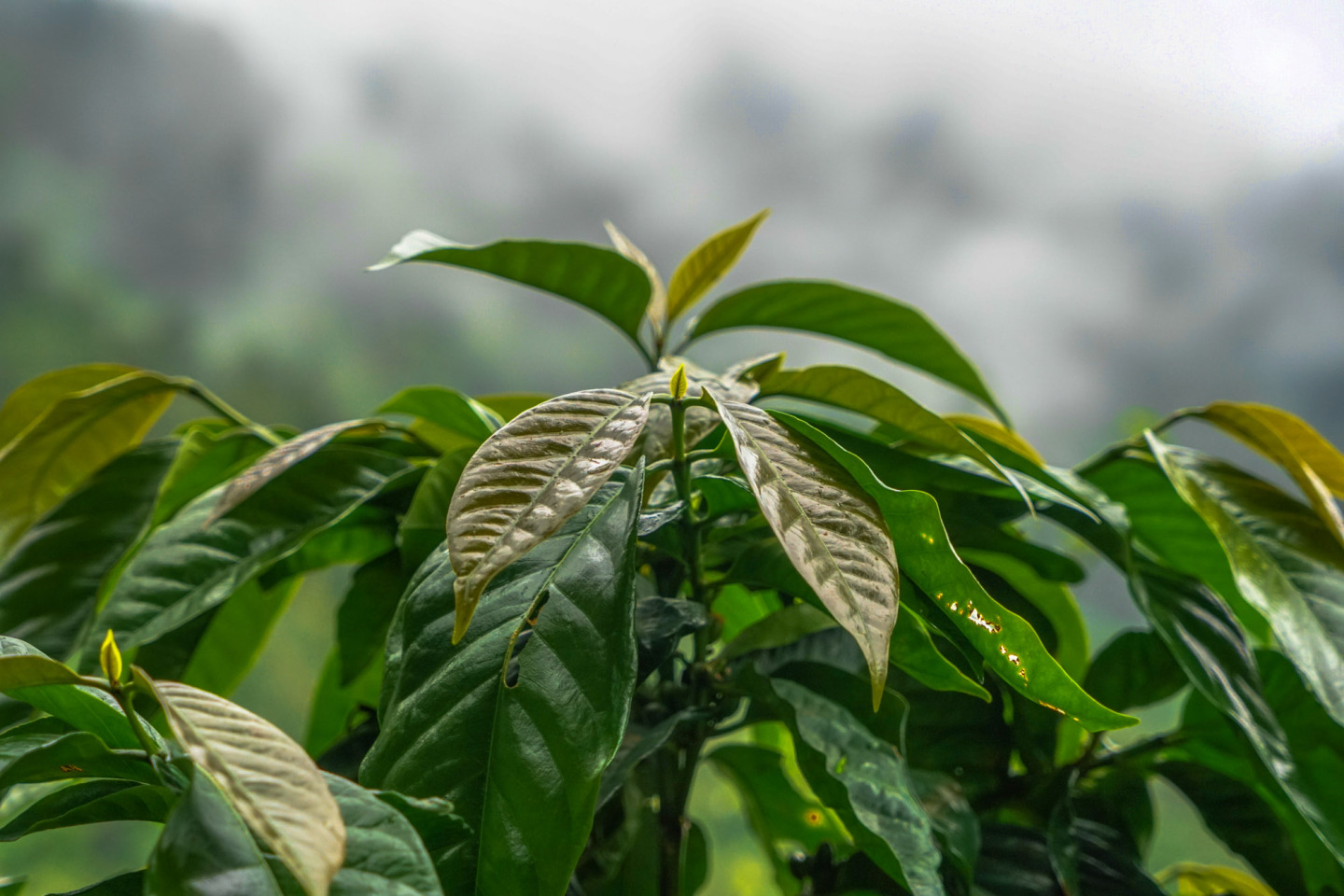
Among Arabica varieties, Typica and Bourbon are the oldest and most well-known. Typica is the variety closest to the original species, originating from Kaffa in Ethiopia and Yemen. It possesses pure acidity and good body, often with lemony notes and a sweet aftertaste. Its top leaves are bronze-colored, and the beans are slender and oval-shaped. The tree has a tall and slender shape, but it is low in resistance to leaf rust and yields less.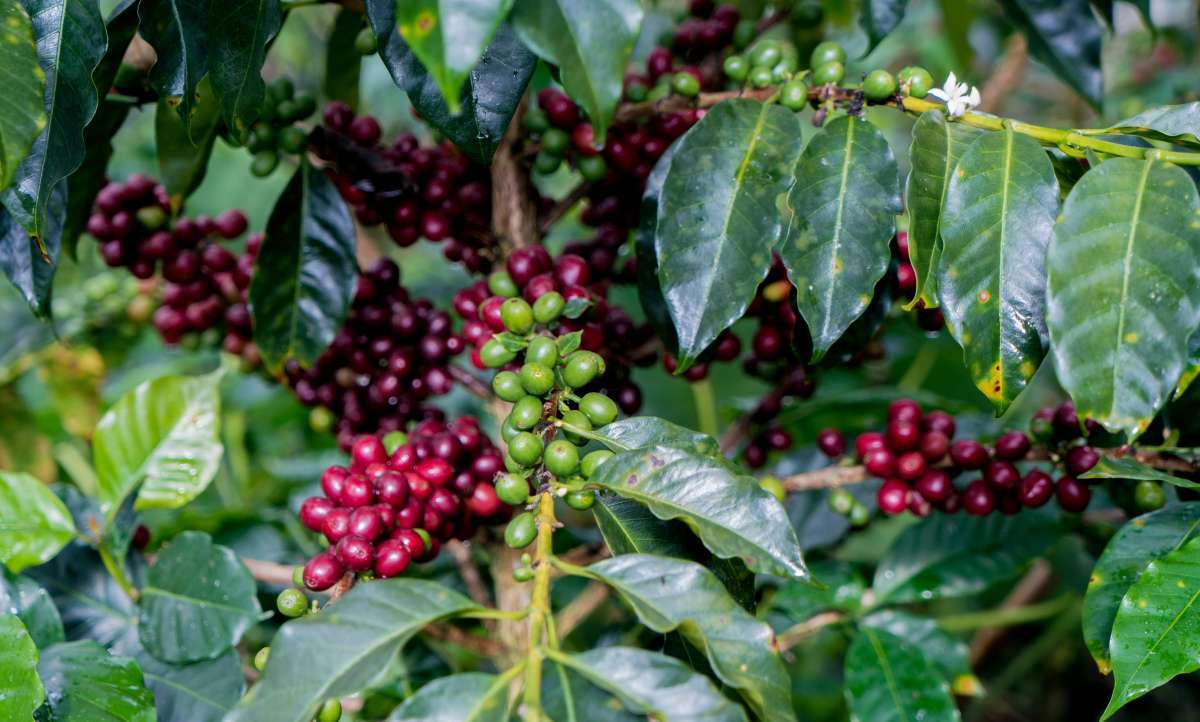
Bourbon is a mutant variety derived from Typica. Its beans change from slender to rounder, offering a more complex flavor profile with caramel sweetness and layered acidity. It is a frequent winner in many specialty coffee competitions. Bourbon is suitable for planting at high altitudes between 1,100 and 2,200 meters. Although its yield is slightly higher than Typica, it remains relatively low. Its varieties include Yellow Bourbon, Pink Bourbon, and Slender Bourbon. Yellow Bourbon is known for its yellow fruit and mild fruity aroma, suitable for high-altitude cultivation. Pink Bourbon is a rare hybrid of Red Bourbon and Yellow Bourbon, with a unique berry and floral note, and is produced in limited quantities. Slender Bourbon is known for having only half the caffeine content of regular Arabica, but it is delicate in constitution and was once on the brink of extinction.
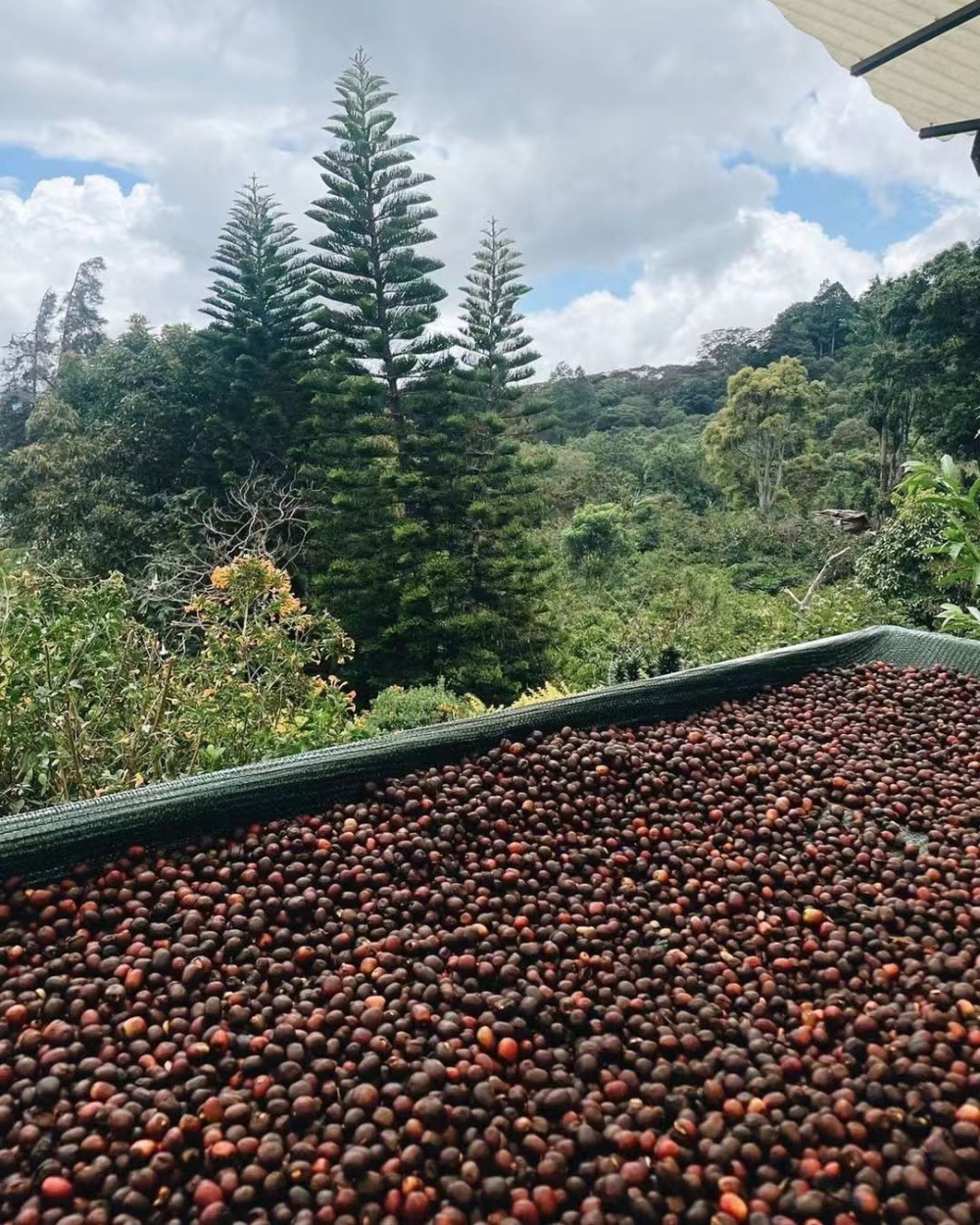
Other common Arabica varieties include Caturra, Pacas, Villa Sarchi, and Catuai. These varieties are mostly mutants or hybrids of Bourbon, characterized by shorter plant height, suitability for high-density planting, and higher yields. For example, Caturra is suitable for planting at altitudes of 700 to 1,700 meters and performs excellently in flavor, but requires attention to fertilization and management. Catuai combines the traits of Caturra and Mundo Novo, with firm fruit that is not prone to dropping, making it one of the main varieties in producing regions such as Brazil.
In addition, to improve disease resistance and yield, many commercial varieties such as Catimor and Timor have been widely planted. Catimor is a hybrid of Caturra and Timor, with strong disease resistance but more ordinary flavor, primarily used for large-scale commercial production. Timor, due to its low acidity and indistinct characteristics, is mostly used for low-cost blended beans. However, high-altitude pure Typica still holds potential.
Finally, it is impossible not to mention Geisha, which has shone brightly in the specialty coffee scene in recent years. Originating from Gesha Mountain in Ethiopia, this variety was introduced to Panama in 1963. Initially overlooked due to low yield, it began winning international cupping championships at Panama’s Hacienda La Esmeralda starting in 2004. With its unique citrus, floral, and caramel-like aromas, it has captivated coffee lovers around the world. The Geisha tree grows tall, fruits late, and has a low yield, but when grown at high altitudes, it can exhibit ultimate aroma and delicate flavor, making it a standout in the specialty coffee world.
The above content is compiled by CoffeeHunters, a coffee news website.


