







Introduction:Sumatra Mandheling is renowned for its bold and distinctive flavor profile. Those who enjoy bright acidity may not be accustomed to it, but coffee lovers who prefer low-acid brews often have a special fondness for it. This unique flavor characteristic is closely related to the region’s distinctive “wet-hulling” process. This article delves into the steps of this special processing method, explores how it shapes Mandheling’s jungle-like character, and guides you through selecting the best growing regions, pour over and moka pot brewing techniques, as well as how to choose high-quality Mandheling coffee beans.
Sumatra Mandheling coffee is celebrated for its full body, low acidity, and rich notes of spices and woodiness. These flavor traits make it a polarizing choice among coffee enthusiasts. Fans of bright, acidic profiles may steer clear, but those who prefer bold, low-acid cups often rave about Mandheling. The key to this distinct personality lies in Sumatra’s unique “wet-hulling” method, locally known as “Giling Basah.”
Wet-Hullingis a semi-washed processing technique, most notably characterized by removing the outer parchment layer while the coffee beans are still not fully dried. Although this approach increases the risk of processing failure, it also creates Mandheling’s distinctive herbal, spicy, and forest-wood aromas, forming its irreplaceable character.
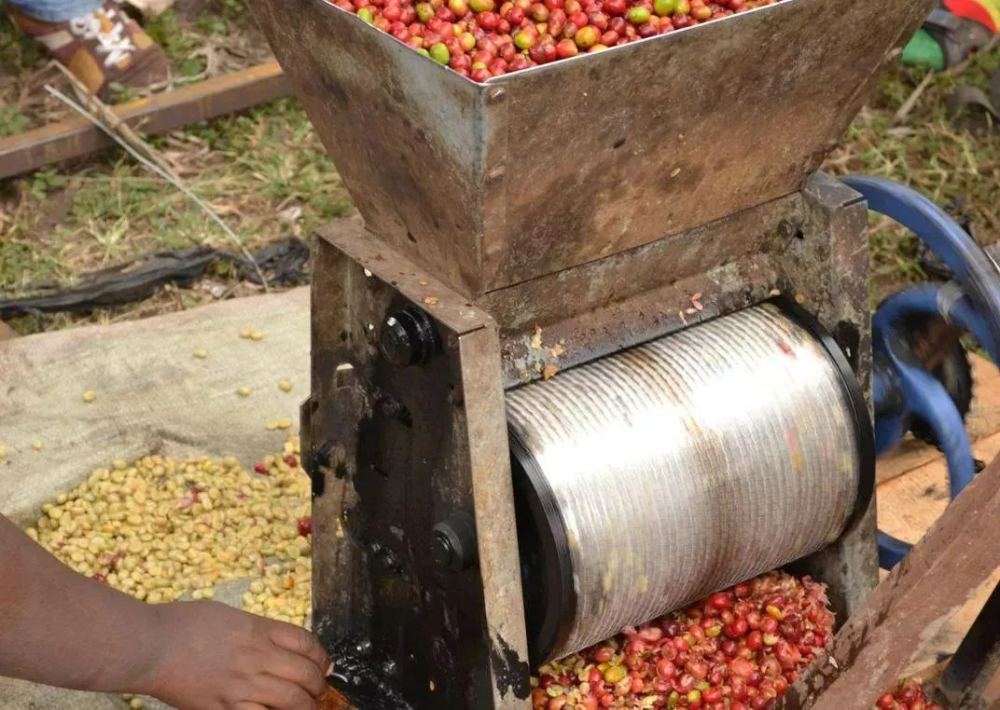
The rainy climate of Sumatra, along with limited infrastructure and economic resources in some areas, has led to the development of this unique processing method. The general process is as follows: after harvesting, the coffee cherries are depulped on the same day, and the mucilage-covered parchment beans are then soaked in water overnight to ferment and remove some of the pectin. The next day, they are washed clean and spread out to dry until they reach a semi-dry state, after which they are sent to processing facilities for further treatment.
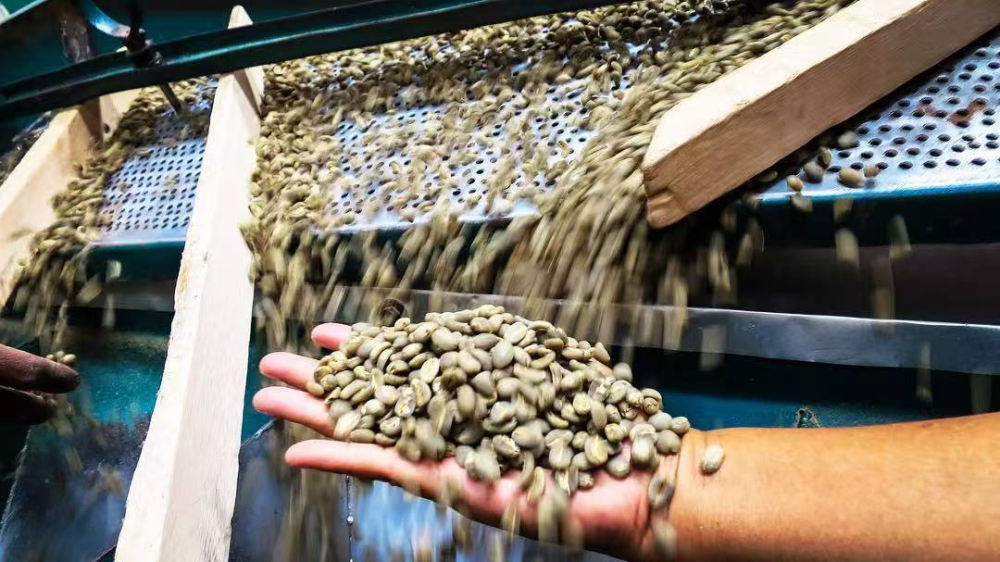
At the processing facility, to accelerate drying, workers remove the parchment layer early, exposing the green coffee beans directly to air, and then continue drying them to approximately 13% moisture content before storing. This differs significantly from common washed or natural processing methods.
The key to wet-hullingis “hulling before full drying.” This method carries higher risks because the coffee beans are more fragile at this stage and prone to damage, and the humid environment can also affect the evenness of drying. However, it is precisely because of this unique process that Mandheling is able to showcase rich herbal, spice, and woody notes, becoming its hallmark flavor profile.
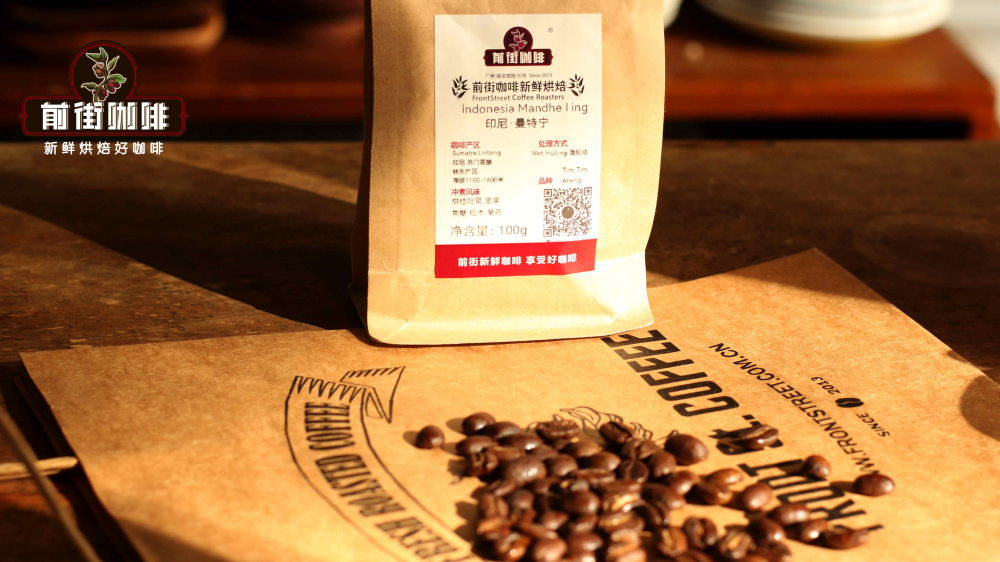
For beginner coffee enthusiasts, it is recommended to choosemedium to dark roastedMandheling, such as the commonly available Indonesian Mandheling. This level of roasting enhances layers of caramel, dark chocolate, nuts, and spices, resulting in a bold cup with almost no noticeable acidity—ideal for everyday drinking. If you’re looking to explore more nuanced Mandheling, consider higher-grade specialty beans that have undergone multiple rounds of manual sorting, such as those from the high-altitude Gayo region of Aceh in Sumatra.
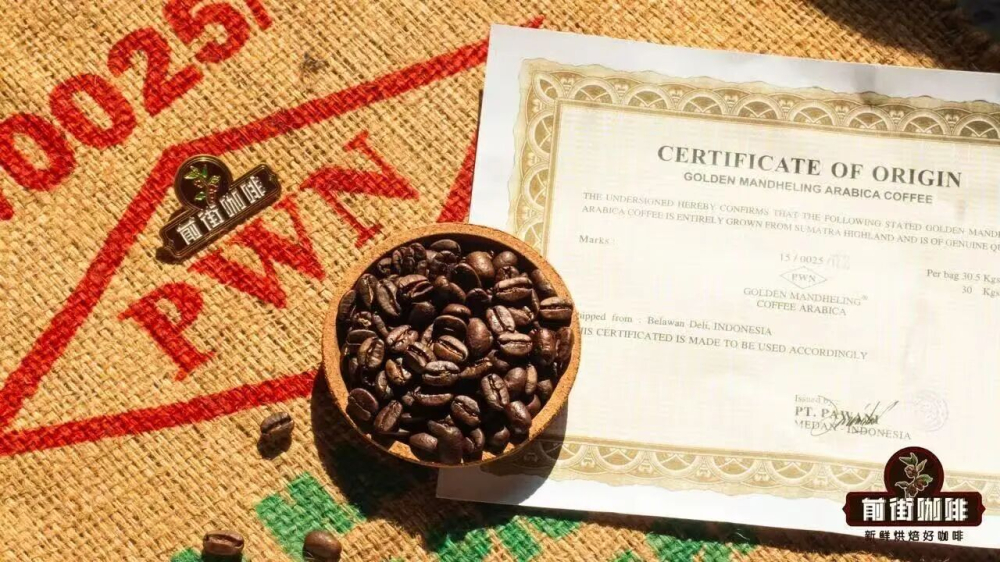
If you already have some coffee tasting experience and wish to further explore high-quality Mandheling, you might want to look for Golden Mandheling from PWN. This coffee is carefully selected from Grade G1 beans, with each one undergoing three rounds of hand sorting and one machine screening, resulting in an extremely low defect rate and noticeably improved sweetness and cleanliness. It’s important to note that “Golden Mandheling” is a registered trademark of PWN, and only versions produced by them carry official certification. When purchasing, it’s advisable to ask for sacks stamped with the PWN logo and relevant documentation to verify authenticity.
To fully bring out Mandheling’s classic flavors, it is recommended to usea medium to dark roast or darker, whether you’re brewing with pour over or moka pot—both methods can highlight its rich and bold characteristics. For pour over, a grind size close to sugar granules is suggested, with water temperature controlled between 90–93°C. Using mid-level pouring and segmented extraction helps balance the taste and flavor profile.
If you prefer a more concentrated extraction method, you can try using a moka pot. For example, with Golden Mandheling, use about 30g of coffee grounds slightly coarser than espresso grind, spoon them into the filter basket in a small mound, fill the lower chamber with cold water, assemble the moka pot, and heat it over medium-low flame. Once you hear a distinct “wuu wuu” sound, turn off the heat immediately and let it sit briefly before enjoying a rich, oily cup. You can adjust the flavor to your taste by adding hot water or milk.
The above content is compiled by CoffeeHunters, a coffee news website.


