







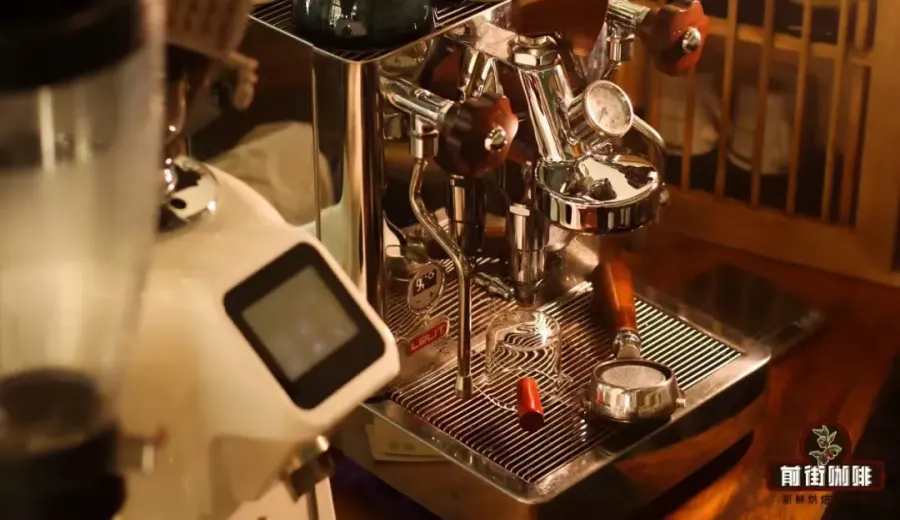
Introduction:Making a rich and smooth espresso at home with an espresso machine hinges on selecting the right coffee beans. This article delves into the characteristics and advantages of medium-dark roasted blends, introduces four classic blend profiles with different flavor directions, and provides practical extraction parameter settings along with crema observation methods to help you adjust your setup for the most satisfying coffee experience tailored to your taste.
To brew a satisfying shot of espresso at home using an espresso machine, choosing the right coffee beans is the first key step. Compared to pour over brewing—where you can highlight specific regional flavor characteristics by adjusting water temperature and brew ratio—the espresso extraction environment is relatively enclosed and operates under higher pressure, placing stricter demands on roast level and bean blending.
Generally speaking, while light-roasted coffee beans can showcase bright acidity and fruity notes, they tend to become overly sharp under high-pressure extraction and produce a thinner crema layer. This not only affects the flavor complexity but often also results in a thin or overly acidic profile when combined with milk. As a result, most professional coffee shops opt for medium-dark roasted blends to craft their espressos, achieving a more full-bodied, balanced, and stable cup.
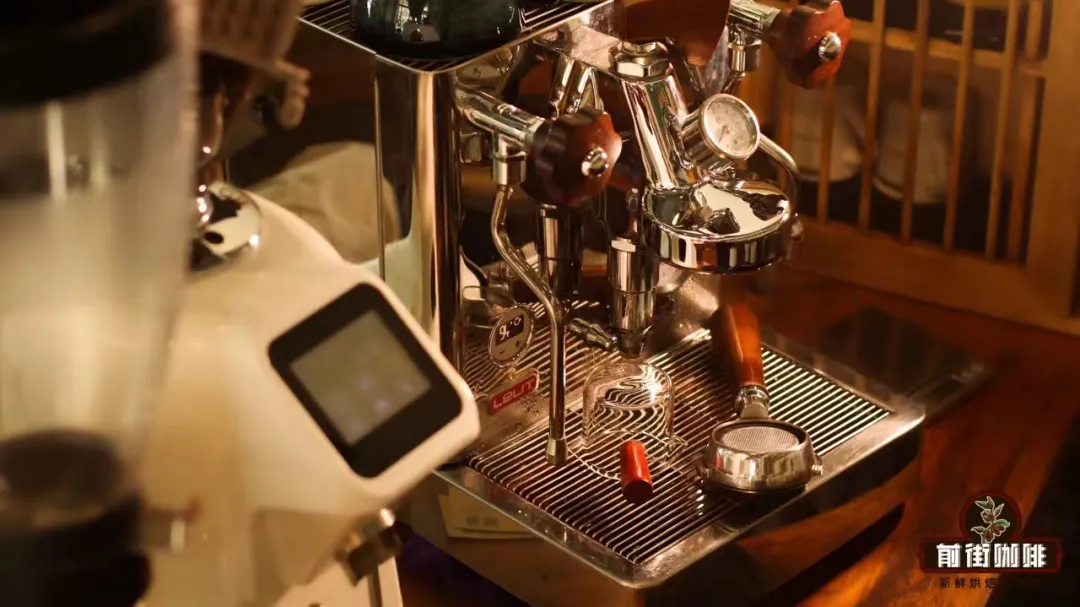
A blend doesn’t mean lower quality—in fact, when made from high-quality coffee beans and carefully crafted by skilled roasters, it can exhibit delicate and layered flavors. In truth, many renowned cafés have built their signature offerings around unique blend recipes.
The working principle of an espresso machine is to use high pressure to quickly extract the essence from coffee, a process that amplifies the inherent characteristics of the beans. Using single-origin beans can easily lead to undesirable results if the batch has a strong flavor bias (such as being overly sour or bitter). Therefore, blending beans from different regions and processing methods in appropriate proportions not only complements each other but also creates a more harmonious and complex flavor profile.
Currently, there are many medium-dark roasted blends on the market specifically designed for espresso needs. These blends typically take into account overall flavor balance, crema performance, and compatibility with milk. For example, some blends emphasize wine-like aromas and caramel sweetness, others lean toward the rich tones of nuts and dark chocolate, and a few even retain a hint of acidity to add complexity and vibrancy.
For beginners during actual extraction, it’s recommended to start with the following reference parameters: use 20 grams of coffee grounds, aim for a 1:2 brew ratio (i.e., extracting 40 grams of coffee liquid), under 9 bar of pressure, with an extraction time of about 25 to 30 seconds. However, the actual performance of each espresso machine and grinder may vary slightly. Factors such as grind size, tamp pressure, and machine pressure stability can all affect the final extraction, so fine-tuning based on the actual flavor outcome is advised.
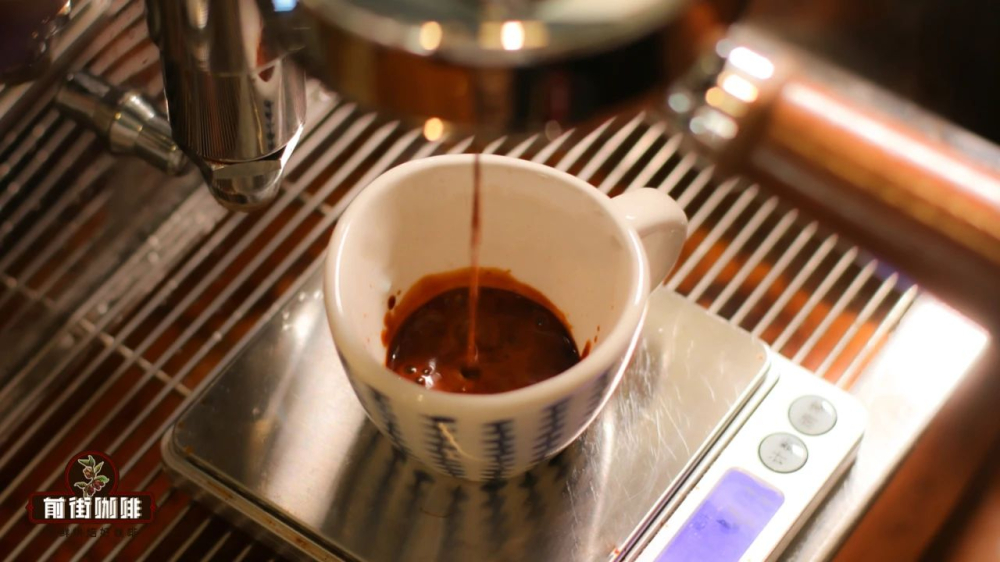
How can you tell if an espresso has been extracted successfully? Observing the crema on the coffee’s surface is a simple yet effective method. Crema refers to the thin, reddish-brown, dense, and persistent foam on top of an espresso shot, primarily composed of carbon dioxide, oils, and tiny coffee particles from the beans. Ideal crema should be evenly colored, finely textured, and long-lasting, usually indicating fresh beans, proper grind size, and stable extraction pressure.
Additionally, to achieve the best flavor, it’s recommended to use freshly roasted coffee beans and consume them within one to two weeks after roasting. Many coffee retailers suggest waiting 5 days after roasting before brewing to allow excess CO₂ to dissipate, ensuring the beans reach a stable flavor state and optimal extraction performance.
When selecting a blend that suits your taste preferences, you can start by considering a few common flavor profiles: if you prefer coffee with wine-like aromas, vanilla, and the sweet-tartness of berries, choose a blend based on red cherry or wine-barrel fermented beans; if you enjoy a bold shot with nutty and dark chocolate notes, consider a blend primarily featuring Brazilian and Colombian beans; for those seeking extra body and intense flavor, blends with a small percentage of Robusta can offer a thicker mouthfeel and caramel-like sweetness; and if you’d like a touch of acidity to lift the overall vibrancy, some blends with Yunnan beans or lightly-to-medium roasted beans are also great options.
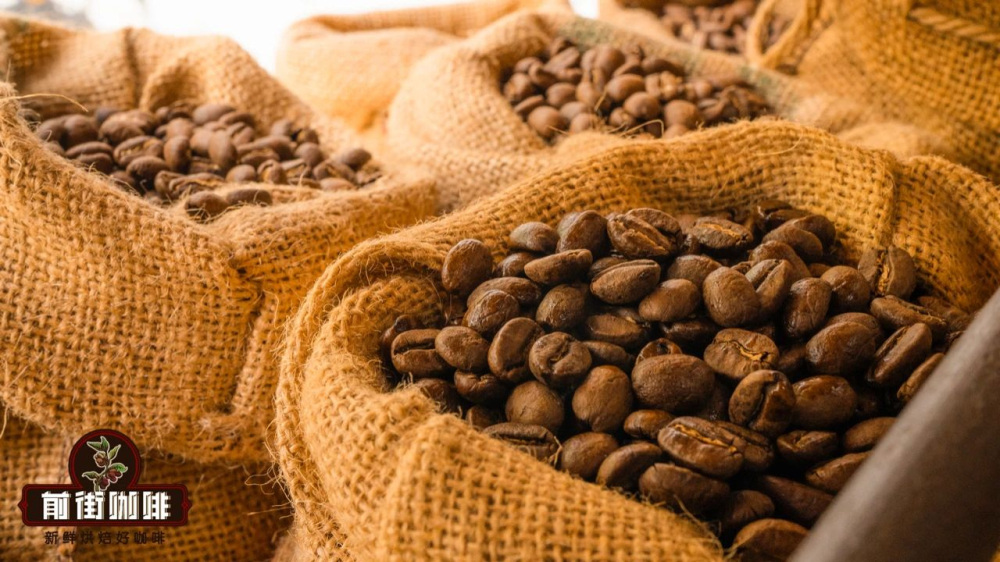
In summary, by choosing the right medium-dark roasted blend and making appropriate adjustments to grind size and extraction parameters, you can absolutely produce espresso at home with an espresso machine that rivals the quality found in professional cafés. Whether you’re simply enjoying black coffee in its pure form or using it as the base for lattes or cappuccinos, stable and well-balanced beans are the first step to success.
The above content is compiled by CoffeeHunters, a coffee news website.


