







Introduction:To brew a cup of Americano with clear flavors and distinct layers, selecting the right beans is the crucial first step. This article delves into the five core standards of high-quality commercial coffee beans—including freshness, consistency, cost-effectiveness, variety, and crema performance—and introduces common espresso blend recipes and roasting details in the market. It also explores the science behind crema formation, the importance of one-way valve packaging, and practical sourcing channels for small coffee shops, helping industry professionals make smarter choices.
To craft an Americano with standout flavors and rich layers, beyond relying on a barista’s technique, choosing the right coffee beans is the top priority. Based on the practical experience of a well-known coffee brand, this article first clarifies how to rationally view brand rankings in the market, then deeply analyzes the five essential qualities of high-quality commercial coffee beans, further explains the characteristics, roasting, and packaging details of common espresso blends, and provides practical sourcing advice for small coffee shops—helping professionals master the key elements.
Faced with a dazzling array of coffee bean products, many beginners often first check brand rankings, assuming that top-ranked products guarantee high quality. However, this notion is debatable. Everyone’s taste preferences differ, and rankings can only serve as references, not absolute standards. More importantly, understanding your own needs—not blindly chasing rankings—is the key to truly selecting suitable commercial beans.
Whether it’s single-origin beans or espresso blends,freshnessis a critical indicator for evaluating coffee bean quality. For single-origin beans, factors like origin, altitude, and processing method matter, while for espresso beans, blend strategy and roasting uniformity are key. Below, we’ll introduce several espresso blends suitable for making Americano, along with their features and market positioning.
Many coffee shops choose to source from this brand, primarily because of its consistent quality and reliable supply. Running a coffee shop involves countless decisions, but at its core, it always revolves around the quality of the coffee itself. Stable, high-quality beans are the foundation of great-tasting coffee. Therefore, choosing a trustworthy supplier is crucial.
So, what qualifies as a high-quality commercial bean? This brand proposes five core standards: high freshness, stable quality, affordable pricing, diverse selection, and the ability to produce rich crema during extraction.
A common blending method in the market is mixing Robusta and Arabica beans in specific ratios, typically between 7:3 and 3:7, often used to make regular coffee. For example, blending Robusta varieties like Brazilian beans with Arabica beans from regions like Mandheling, Mocha, or Colombia. However, some businesses, aiming to cut costs, mix in Robusta but still label the product as “single-origin coffee.” Such products are often significantly cheaper than market rates, and consumers may find it hard to discern the truth—or even have it deliberately concealed.
1. Stable quality is key to maintaining consistency in the final product
Consumers’ palates remember familiar flavors, and sudden changes in coffee taste are easily noticeable. Thus, the stability of the beans directly impacts the consistency of each cup. This brand has long invested in optimizing roasting techniques, with every batch undergoing professional cupping before launch to ensure stable flavor performance.
2. Consistent quality over the long term
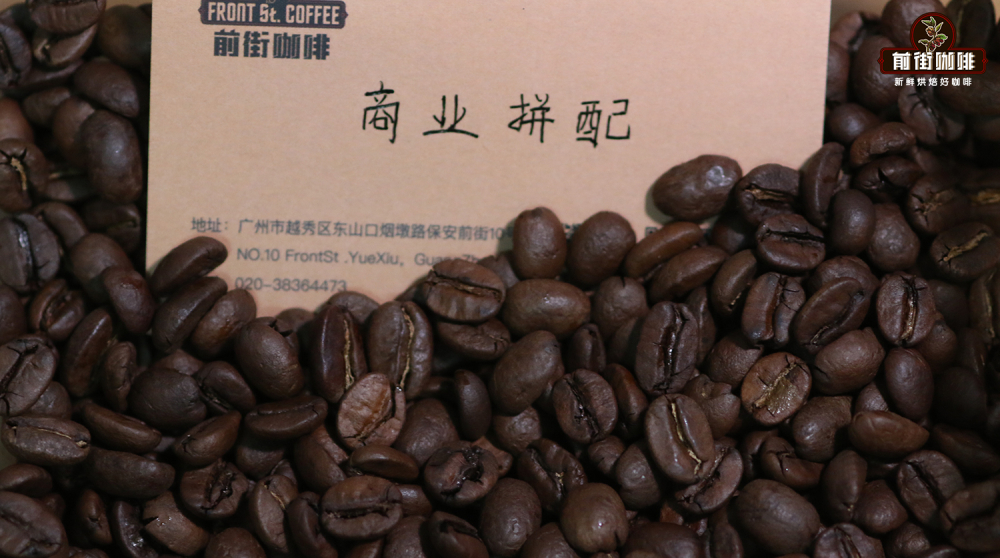
The brand’s premium espresso blend recipes have been used for years—for instance, the flagship “Warm Sun Blend” has been steadily available on the menu for over three years, beloved by customers and proving its flavor consistency.
3. Affordable pricing to reduce operational costs
For newly established coffee shops, high-cost-performance bean sources can effectively ease financial pressure. This brand frequently offers promotions, such as 100g bags of everyday beans priced as low as 10 RMB per pack during discounted periods—highly competitive.
Take the Warm Sun Blend, for example: its component Sherry single-origin beans cost 80 RMB per half-pound, while Red Cherry beans are 88 RMB. Yet the blended commercial version costs even less per half-pound than the Sherry beans alone, demonstrating exceptional value.
4. Freshly roasted to maintain optimal flavor
Coffee beans shipped by this brand are all dispatched within five days of roasting, ensuring customers receive them during the 2nd to 8th day post-roast—a period typically considered the peak of flavor (excluding remote areas).
Currently, single-origin (SOE) coffee is gaining increasing attention for showcasing regional characteristics and offering customers more choices. However, shops that exclusively sell SOE remain rare, whereas this brand’s menu includes over 50 varieties, providing ample options.
5. Rich crema showcasing extraction quality
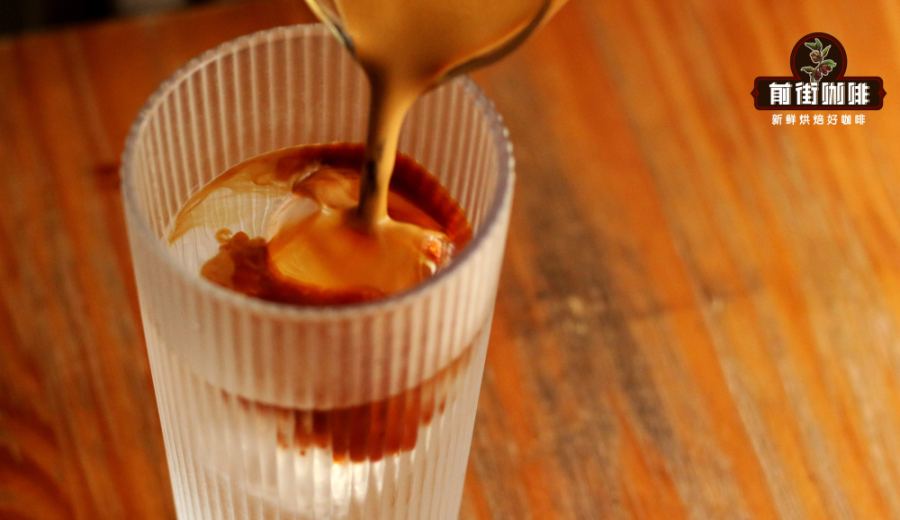
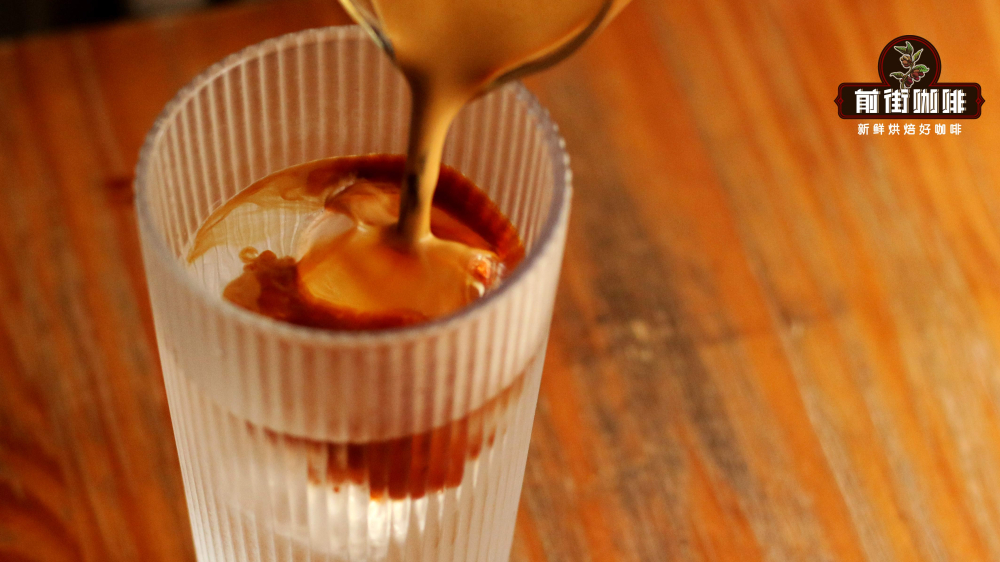
The golden crema layer on the surface of espresso is often seen as a sign of successful extraction. The formation of this crema is closely tied to roast level and bean freshness.
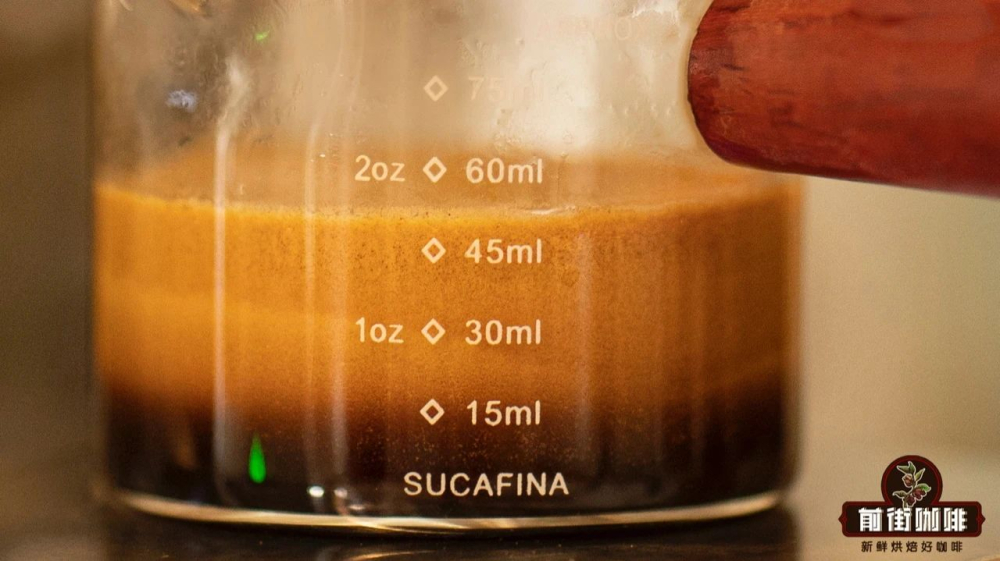
Crema mainly consists of carbon dioxide and insoluble fats in the coffee. During roasting, the beans accumulate large amounts of carbon dioxide, which, under high-pressure extraction, cannot escape and instead dissolve into the coffee liquid. Meanwhile, the fats are emulsified and rise with the bubbles, ultimately forming the golden crema layer we see.
Choosing a reliable coffee supplier is one of the keys to expanding a coffee shop’s operations. It’s recommended to evaluate suppliers based on the five dimensions of freshness, stability, cost-effectiveness, variety, and crema performance, and to build trust through ongoing collaboration.
Roasting is a specialized skill, requiring a stable supply of green beans, proficient cupping abilities, appropriate roasting equipment, and professional expertise. For most coffee shops or small-scale roasters, handling all these aspects independently isn’t easy.
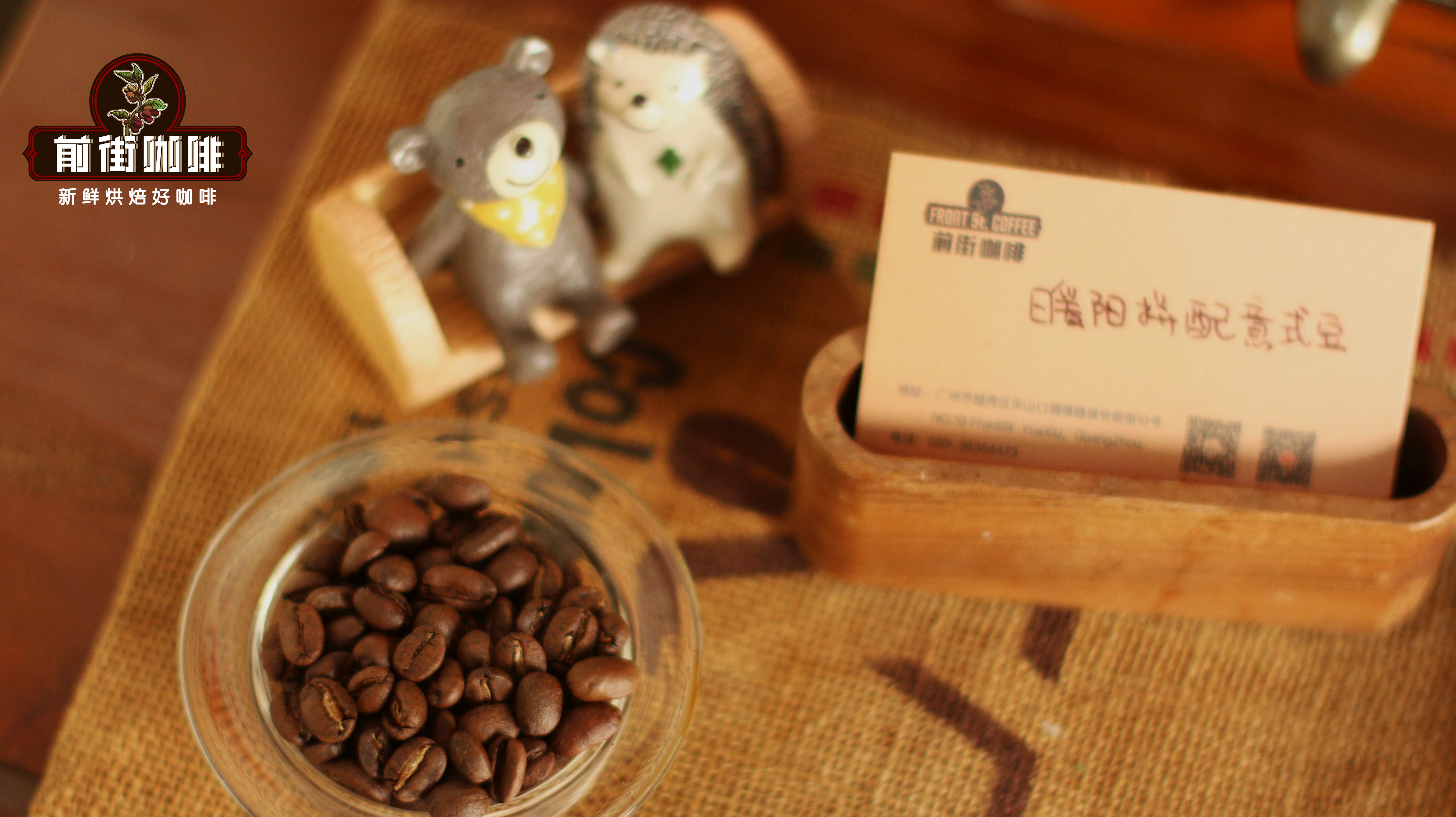
To achieve the best flavor, it’s essential to choose freshly roasted coffee beans.
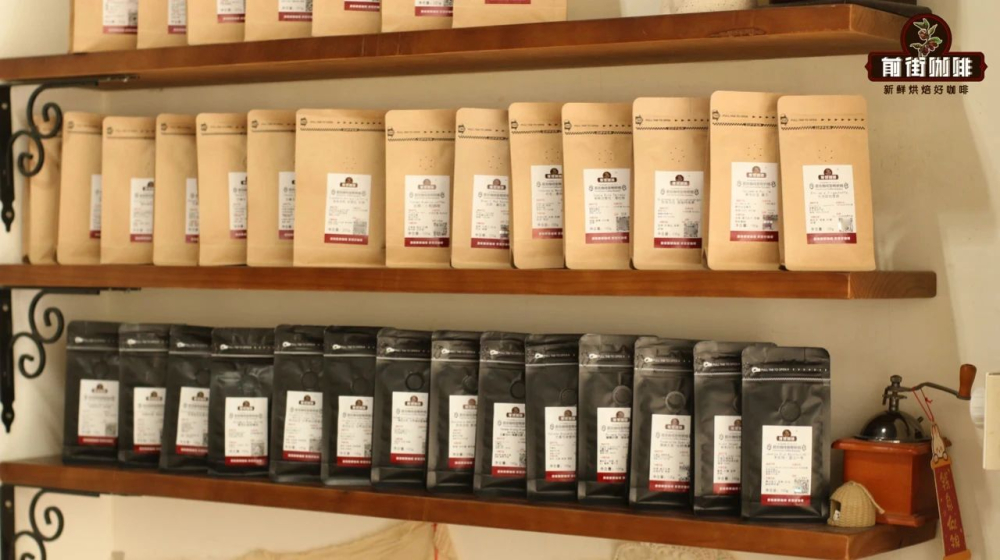
The brand’s coffee bean packaging features a one-way valve design. This design effectively releases the carbon dioxide emitted by the beans within two weeks of roasting, while allowing customers to smell the enticing aroma even before purchase. The brand is highly confident in this feature, as the aroma alone often leads to a purchasing decision.
Additionally, the brand’s coffee bags are stamped with a roast date on the back. Typically, the online store arranges shipment within five days of roasting, so customers usually receive beans that are 2nd to 8th day post-roast—about 80% of the time falling within the optimal flavor window of the 3rd to 6th day.
As consumers become more discerning, it’s increasingly rare to see coffee shops opened solely out of enthusiasm without professional knowledge.
What are the common sourcing channels for small coffee shops?
/1 Local suppliers
These vendors often supply ingredients for bubble tea and ice cream as well. Their coffee bean quality is generally average, but prices are relatively low—industry insiders report common rates of 20–30 RMB per jin.
/2 Bean suppliers and roasting studios
These suppliers are favored by many cafe owners due to their competitive pricing.
/3 Coffee training institutions
Some students opt to source beans from their training providers after completing courses.
/4 Online platforms
Offer a wide range of choices, such as well-known online brands like Mingqian Coffee, DouShu Coffee, and M2M.
/5 Buying green beans and roasting in-house
This brand adopts this model, maintaining full control over roasting quality.
Why do many coffee shops favor this brand’s espresso blends? The key lies in their diverse yet stable selection, effectively addressing small cafes’ challenges in inventory management and freshness control—helping shops effortlessly maintain product standards.
The above content is compiled by CoffeeHunters, a coffee news website.


