







Introduction:The Moka Pot is a high-pressure Italian-style coffee maker favored by many households for its simple operation and rich flavor. This article delves into the structure and principles of the Moka Pot, analyzing in depth how single-valve and double-valve designs affect crema and concentration, while also offering practical advice on capacity selection and recommendations for medium to dark roast beans. It further breaks down the six-step brewing process—from filling water and coffee grounds to controlling heat—to help you consistently brew rich, flavorful espresso-style coffee at home.
The Moka Pot, also known as Moka Pot, is a high-pressure extraction device originating from Italy, widely used by households and coffee enthusiasts. Through simple direct flame heating, it utilizes steam pressure to push hot water through a bed of finely ground coffee, extracting a bold and flavorful coffee liquid. Not only does it have a classic design, but it can also produce a taste similar to espresso, making it a daily choice for many.
The first step to understanding the Moka Pot is to familiarize yourself with its basic structure. It consists of three main parts: the lower chamber holds water, the middle funnel holds finely ground coffee, and the upper chamber collects the brewed coffee. As the water in the lower chamber heats up and turns into steam, the pressure gradually increases until it’s strong enough to push the water through the coffee grounds and into the upper chamber, completing the extraction. This pressure is around 1.5–2 bar, far less than the 9 bar of a professional espresso machine, but still sufficient to produce noticeable crema and a rich flavor.
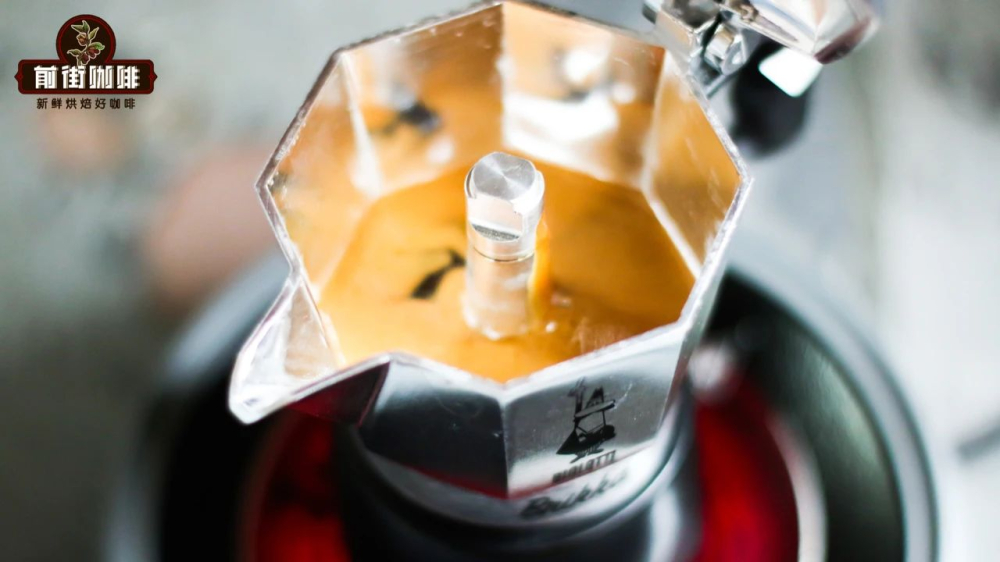
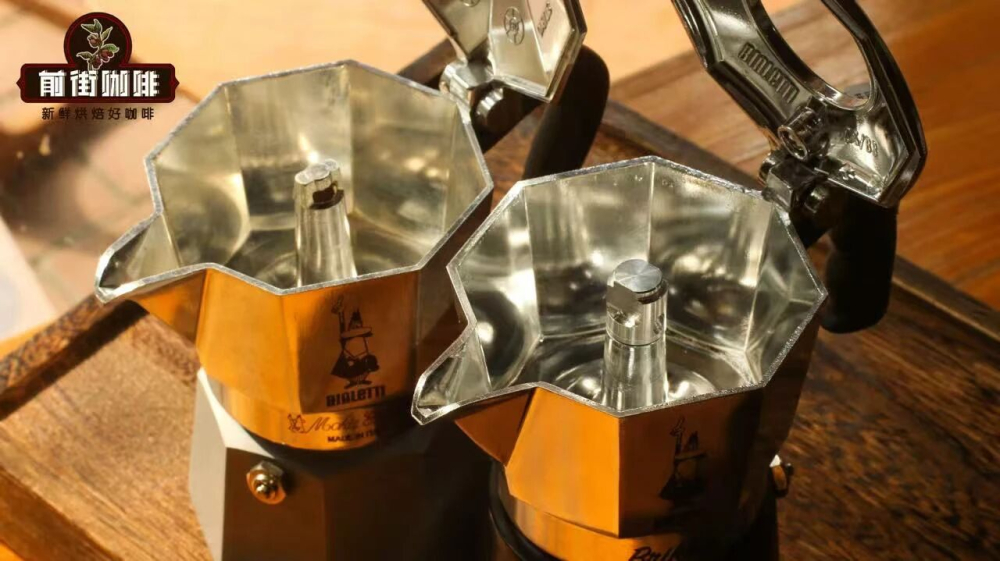
Moka Pots on the market are mainly divided into single-valve and double-valve designs, which differ significantly in pressure release and final coffee performance. In a single-valve Moka Pot, the coffee typically flows out naturally through a small hole at the top of the central tube. The extraction pressure is relatively stable, but the resulting coffee tends to have less crema and slightly lower concentration. A double-valve Moka Pot, however, features an additional pressure valve on the central tube. This valve only opens when the internal steam pressure reaches a certain level, allowing the coffee to be ejected more forcefully, thereby enhancing both richness and crema formation.
If you prefer coffee with a thick layer of crema and a fuller body, a double-valve model is recommended. It not only improves extraction efficiency but also delivers a more layered flavor in each cup. The single-valve Moka Pot is better suited for beginners who want to experience basic pressure extraction.
In terms of capacity, Moka Pots are usually labeled by “servings,” such as 1-cup, 2-cup, 3-cup, and even 6-cup, 9-cup, 12-cup, and 18-cup versions. Typically, each serving is about 30–40 ml, so for one person or a couple, a 1–2 cup size is sufficient. For a small gathering of around three people, a 3-cup size is ideal. For larger families or frequent multi-cup brewing, consider models of 6 cups or more—though keep in mind that larger capacities come with higher prices.
The extraction principle of the Moka Pot involves high-pressure hot water passing through a bed of coffee grounds, efficiently extracting aromatic compounds and flavor elements. Therefore, choosing a suitable medium to dark roast coffee bean is crucial. Medium to dark roasts offer a richer aroma and release an appropriate amount of oils, helping to enhance the coffee’s complexity and mouthfeel. Coffee at this roast level often features complex flavors like nuts, caramel, and chocolate, making it a perfect match for the Moka Pot.
For those who want to brew their own coffee, here are six proven steps to help you successfully make a rich and aromatic Moka Pot coffee:
Step one: Pour cold water into the lower chamber of the Moka Pot, keeping the water level below the safety valve to avoid overfilling, overheating, or leakage. Then, attach the filter basket.
Step two: Choose coffee grounds that are slightly coarser than those used for pour over but finer than those for espresso. The grind size can be referenced against the spacing of the filter basket holes. Ensure the coffee doesn’t leak into the lower chamber. When filling the basket, use your palm to shape the grounds into a slightly convex mound along the edges, then fill in the gaps to ensure a compact but not overly porous layer. This minimizes “channeling” and allows the hot water to pass evenly through the coffee bed.
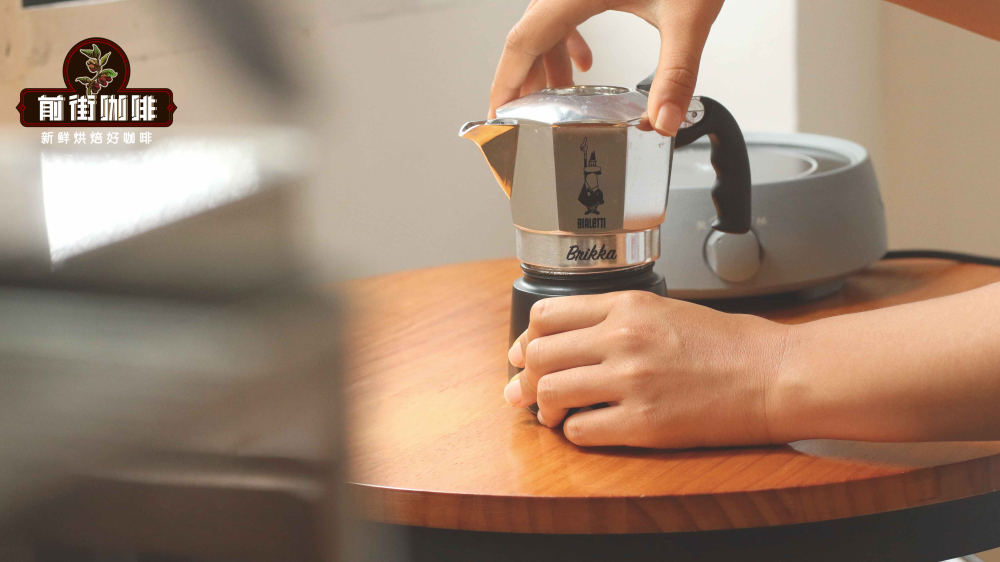
Step three: Insert the filled filter basket into the lower chamber, and securely screw the upper and lower chambers together to prevent air leaks or detachment during heating.
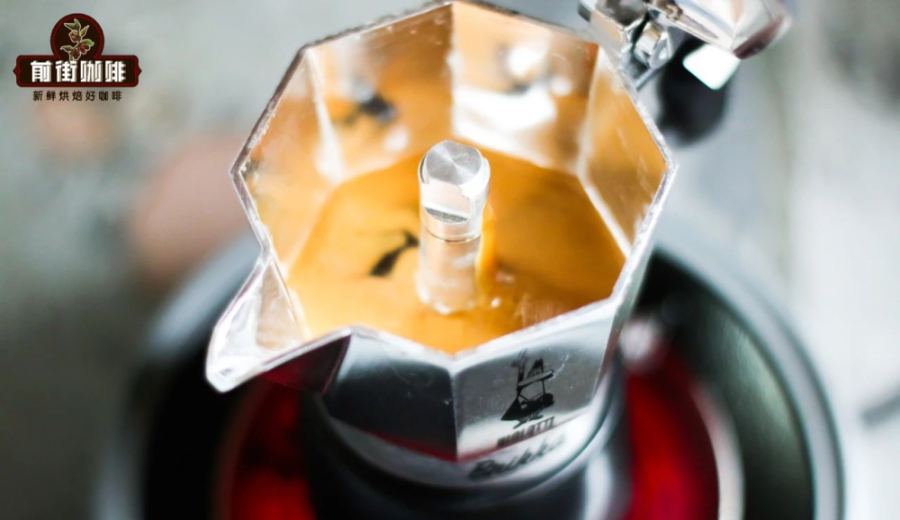
Step four: Use an electric stove or gas burner for heating, starting with high heat to quickly raise the temperature. After about 3–4 minutes, when you hear a distinct “wuu wuu” or “puff puff” sound, it indicates that internal pressure is building. At this point, reduce to low heat and slightly open the upper chamber lid to observe the extraction.
Step five: Once about half the coffee has appeared in the upper chamber, you can turn off the heat. The residual heat and pressure inside will continue pushing the remaining coffee upward, so there’s no need to rush to remove the heat source.
Step six: Once all the coffee has risen into the upper chamber, pour it into your cup and enjoy. The coffee is usually richly aromatic and may even show a hint of crema. If the flavor is too strong, you can adjust it to your taste with a bit of hot water or milk.
Finally, remember that although using a Moka Pot isn’t difficult, brewing consistently great coffee requires practice and fine-tuning. Factors such as grind size, evenness of coffee packing, heat control, and the timing of turning off the heat all significantly impact the final flavor. Master these details, and you’ll be able to brew café-quality espresso-style coffee at home with ease.

The above content is compiled by CoffeeHunters, a coffee news website.


