







Introduction:Colombian coffee is renowned for its consistent flavor profiles and diverse growing regions, with the washed beans from the Huila region being a staple choice for many coffee enthusiasts. This article delves into the characteristics and harvest seasons of Colombia’s three major coffee-growing regions, explores the high-altitude cultivation environment and family-farm washed processing methods in Huila, and explains the differences among the UGQ, EP, and Supremo grades in the Excelso classification system. Finally, we provide practical medium-to-dark roast pour over recommendations, including grind size, water temperature, and filter choices, to help you select and brew the best possible Colombian coffee.
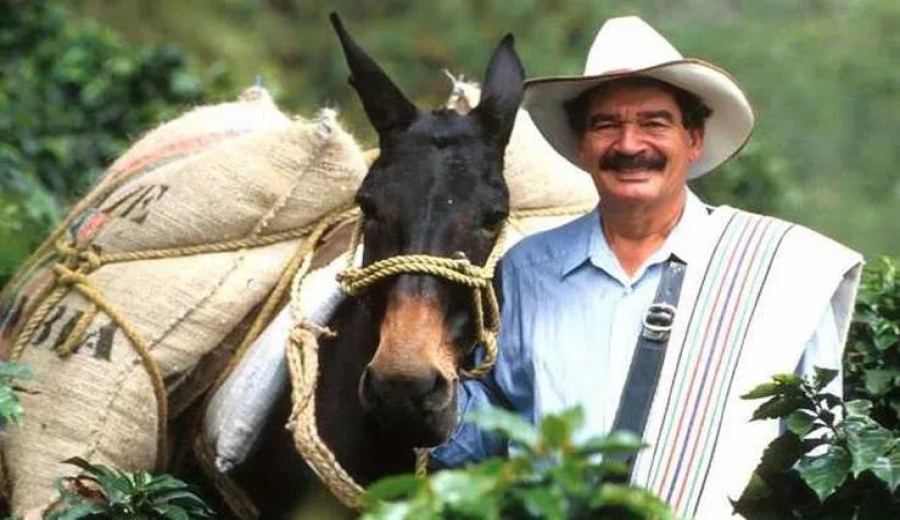
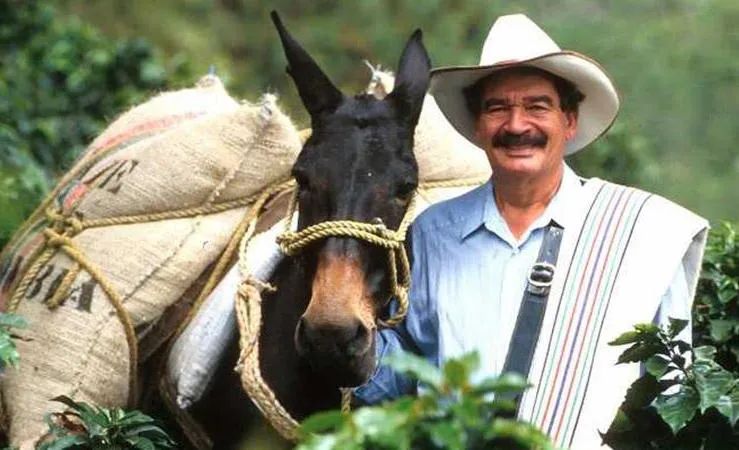
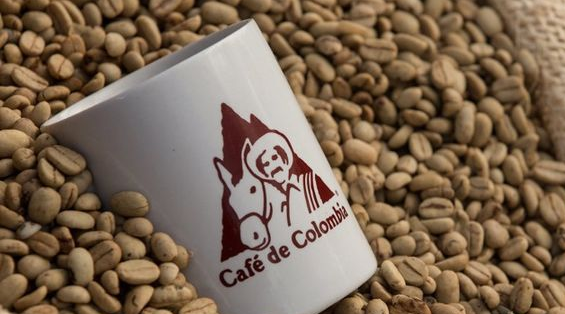
When it comes to Colombian coffee, many people often think of the kindly old farmer wearing a wide-brimmed straw hat and leading a mule — this is the iconic image of “Uncle Juan.” He represents not just a brand image, but also the journey of Colombian coffee gaining global recognition through tradition and quality.
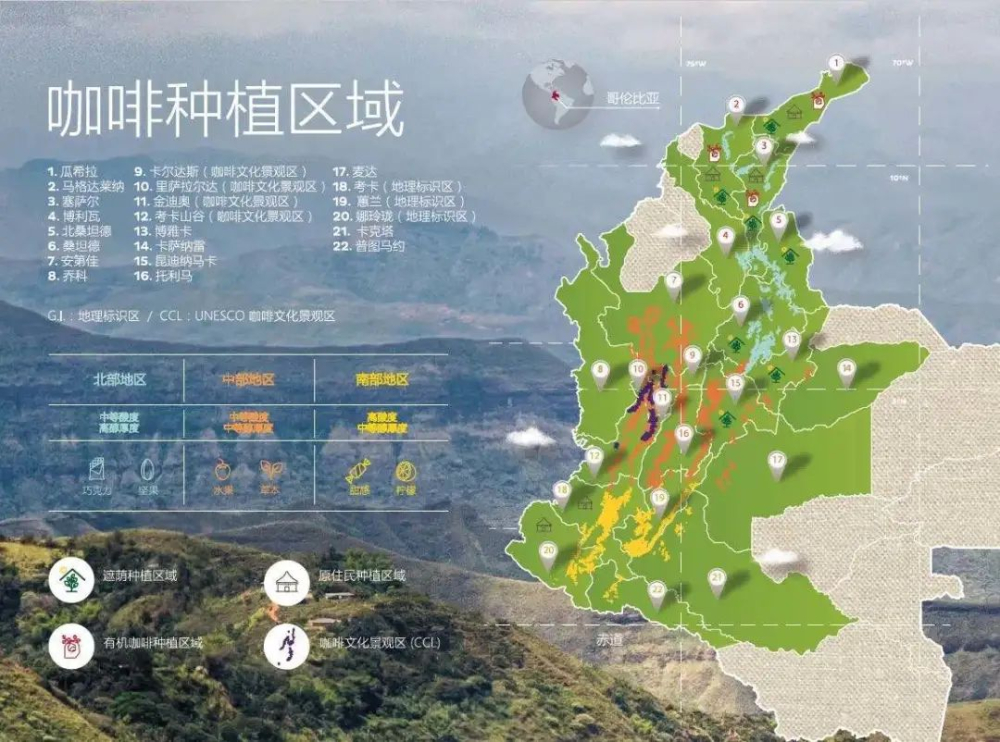
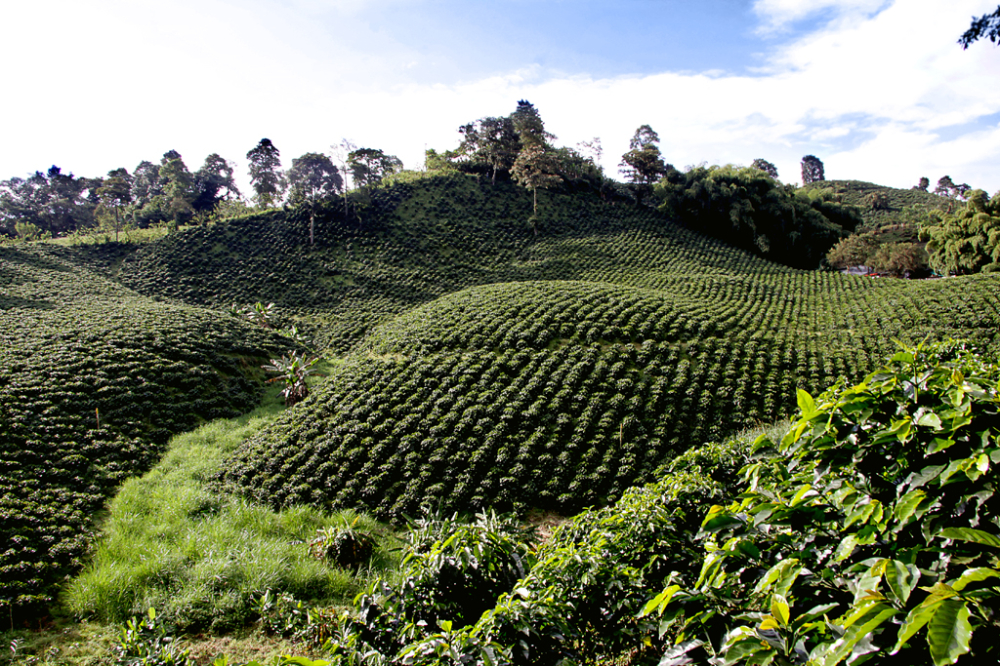
Coffee plantations in Colombia are primarily located in the various valleys of the Andes Mountains. The diverse terrain creates distinctly different microclimates. Based on altitude and latitude, the country is broadly divided into three major producing regions: northern, central, and southern. These areas not only have different harvest seasons, but also offer unique flavor profiles: the northern and central regions often produce beans with rich and full-bodied flavors, while the southern regions, such as Huila Province, benefit from higher altitudes and cooler climates, resulting in coffee that typically exhibits pronounced fruit acidity and delicate aromas.
Another notable feature of Colombia is its multiple harvest seasons throughout the year. The main harvest season runs from October to January of the following year, with a secondary season from April to July. Some regions even allow year-round harvesting, ensuring a steady supply of freshly roasted Colombian coffee to the market all year.
In the past, Colombian coffee was famously known for the “MAM” blend, consisting of beans from Medellín, Armenia, and Manizales. However, with the rise of specialty coffee, regions in the south such as Santa Augusta in Huila Province and Popayán in Cauca Province have gradually gained prominence. These areas, thanks to their high altitudes and unique processing methods, produce coffee that often features delicate fruit acidity, floral and fruity notes, and excellent body, frequently earning top awards in international coffee competitions.
Among them, Huila Province is one of the most important specialty coffee producing regions in southern Colombia, situated in the southern part of the country’s Central Mountain Range. The area generally sits at elevations above 1,500 meters, with moderate temperatures. Surrounded by mountain ranges that act as natural barriers, it blocks cold winds while bringing cool mountain breezes. Coupled with small-scale microclimates and water sources from intersecting rivers, it forms an ideal environment for cultivating Arabica coffee.
Most coffee in Colombia is processed using the washed method, which is closely related to the region’s abundant water resources. Typical family farms are equipped with basic processing facilities, and the operation process includes: first removing the coffee cherry’s skin and pulp, then using a small amount of clean water to remove the mucilage, followed by fermenting the parchment-covered beans in small water tanks for about 24 hours until the mucilage loosens. Afterward, the beans are thoroughly rinsed with clean water and finally sun-dried to reach the target moisture content.
The advantage of the washed method lies in its ability to effectively stabilize quality and highlight the intrinsic flavor of the coffee. As a result, washed coffee from this region typically showcases a clearer, brighter acidity and a cleaner mouthfeel, making it a popular choice as a daily drinker.
Colombian green beans are graded according to bean size (i.e., “screen size”), with common grades including UGQ, EP, and Supremo. Although bean size does not directly determine flavor, it is generally believed that larger and more uniform beans usually come from riper coffee cherries, which helps achieve more even heat distribution during roasting and thus results in more consistent flavor expression.
Grading uses standard sieves, where a higher number indicates a smaller mesh size, meaning only larger beans can remain on the screen. Common grades are as follows:
- Excelso UGQ 12*60 (1.5%): Requires beans to be at least 14 mesh, with no more than 1.5% allowed to be between 12–14 mesh, and over 15 mesh beans must account for more than 50%.
- Excelso EP 12*60 (10%): Requires beans to be 15 mesh or above, allowing up to 10% below 15 mesh (but not lower than 14 mesh).
- Excelso Supremo 12*60 (5%): Requires beans to be 17 mesh or above, allowing up to 5% below 17 mesh, also not smaller than 14 mesh.
All Colombian green beans for export fall under the Excelso system, which is the grade designation commonly seen on sacks. In addition to these three main grades, there are more detailed classifications such as Extra (16 mesh and above), Premium (18 mesh and above), and Minama (around 15 mesh). Beans that do not meet Excelso standards are typically labeled as “Product of Colombia,” often used for commercial-grade or instant coffee.
Colombian green beans are usually named upon export based on region, grade, and other information. For example, the selected Huila daily drinker we’re discussing is named Colombia Huila Supremo SC17/18 FNC, clearly indicating its origin and high-quality grade.
For this Huila washed medium-to-dark roast daily drinker, we recommend a medium-to-dark roast to highlight its nutty and chocolatey tones while retaining moderate acidity. The roasted beans are relatively loose in structure and highly absorbent, so we suggest usinga medium grind size (e.g., EK43s at setting 10.5, with about 75% passing through a #20 sieve), and brewing with88°C water temperaturefor pour over to avoid over-extraction, which can lead to burnt or bitter flavors.
For brewing, we recommend using a KONO filter, with a coffee-to-water ratio of 1:15, using 15 grams of coffee powder in total. Brew in three pours: start with a 30-second bloom (adding about twice the coffee weight in water), then pour up to 125 grams and pause, wait for the bed to drop, then pour up to 225 grams. The entire process takes approximately two minutes. These parameters help balance the flavors and bring out a rich yet smooth mouthfeel.
The brewed Huila coffee delivers an immediate impression of pronounced chocolate, nut, and caramel aromas. The texture is silky and sweet, with moderate body and a clean finish. As the temperature cools slightly, gentle layers of fruit acidity emerge. It’s a highly representative Colombian coffee that’s perfect for everyday enjoyment.
The above content is compiled by CoffeeHunters, a coffee news website.


