







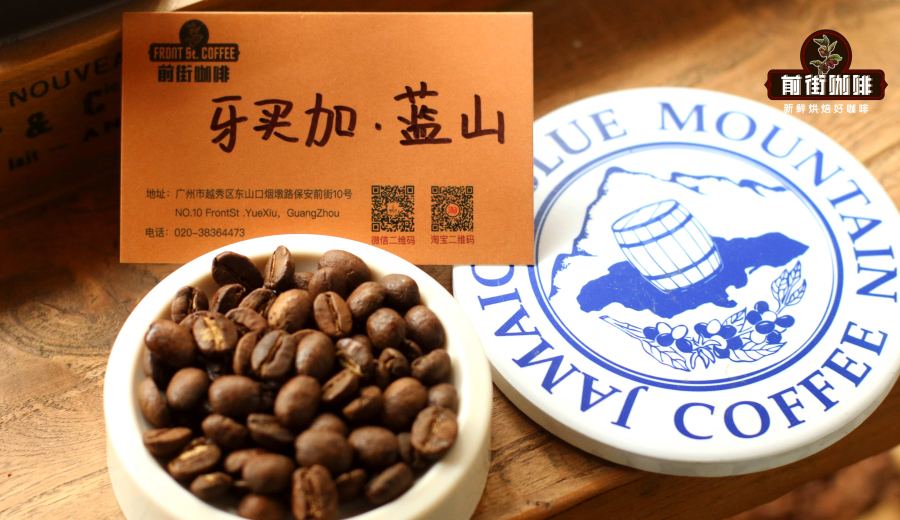
Introduction:Jamaican Blue Mountain coffee is hailed as one of the most expensive coffees in the world, yet many beans labeled as "Blue Mountain" on the market are falsely branded. This article delves into the three-tiered regional classification of Blue Mountain, the No.1 grade standards, and focuses on how the sole state-owned estate, Wallenford, maintains its top-tier reputation through stringent quality control. From its planting history dating back to 1728, the establishment of CIB regulations in 1948, to the altitude restrictions of 3,000–5,000 feet, we’ll guide you through the key characteristics and flavor secrets of authentic Blue Mountain No.1 pour over beans.
When it comes to premium coffee, Jamaican Blue Mountain is undoubtedly a classic representative, but consumers often mistakenly assume that any coffee bean labeled with "Blue Mountain" is genuine. In reality, "Blue Mountain flavor" may simply refer to beans blended to mimic a similar taste profile, and may not actually contain true Blue Mountain coffee; whereas "Jamaican coffee" is a broader category and does not equate to the high-priced Blue Mountain grade. Using a highly acclaimed Blue Mountain No.1 pour over bean as an example, this article clarifies the differences between Blue Mountain, Jamaican coffee, and Blue Mountain No.1, and explores its unique terroir conditions and historical background.
The Name "Blue Mountain" and Its Three-Tiered Regional Classification
The Blue Mountains are located in eastern Jamaica, adjacent to the Caribbean Sea. When sunlight hits the sea surface, the mountaintops reflect a bluish halo, hence the name. The region boasts fertile volcanic soil, high humidity, abundant rainfall, and year-round mist, all of which contribute to the distinctive flavor profile of Blue Mountain coffee. Based on altitude, Blue Mountain coffee is divided into three grades: beans grown below 1,500 feet are classified as "Jamaican coffee," those between 1,500 and 3,000 feet as "High Mountain coffee," and only beans grown at altitudes of 3,000 to 5,000 feet can be called "Blue Mountain coffee." Among these, Blue Mountain coffee is further subdivided into No.1 and No.2, with No.1 being the highest grade, commanding market prices several times higher than High Mountain coffee.
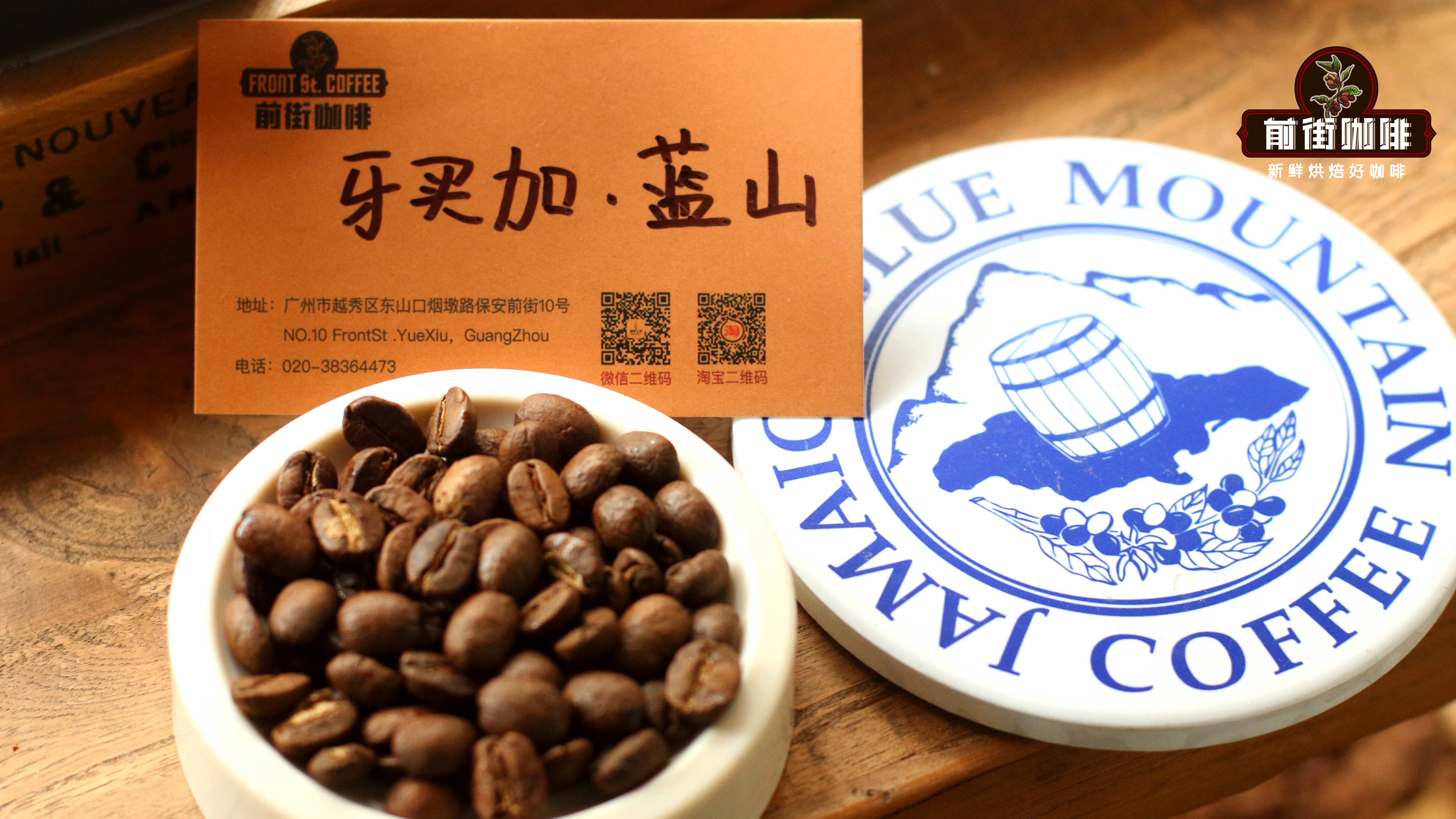
Wallenford Estate: The Symbol of Quality with Unique State-Owned Status
Estate capable of producing top-tier Blue Mountain No.1 include Wallenford, Mavis Bank, Old Tavern, and RSW Estate, among which Wallenford is the only state-owned processing facility owned by the Jamaican government. This estate processes only Blue Mountain coffee beans grown at altitudes above 4,000 feet, and its products are hailed as “Superior Quality.” Within the coffee enthusiast community, Wallenford’s offerings are known for their consistent quality and outstanding flavor, consistently ranking at the top. Blue Mountain No.1 from Wallenford is celebrated for its low acidity, rich body with a sweet aftertaste, intense yet non-bitter aroma, and long-lasting finish—making it a dream choice for pour over enthusiasts.
Historical Background and Industry Regulations
The history of Blue Mountain coffee dates back to 1728, when coffee was first introduced to Jamaica and successfully trial-planted in the St. Andrew area, later expanding to more regions. By 1737, annual production had reached 83,000 pounds, and by 1800, there were 686 coffee estates across the island. However, the system of slavery led to skyrocketing labor costs, reducing the number of estates to just 186 by 1850. Around 1900, the government introduced its first set of coffee quality standards, but these were thwarted by opposition from estate owners, resulting in inconsistent export quality, and in 1943, Canada even imposed a boycott on Jamaican coffee.
In 1944, the Jamaican government, determined to rectify the situation, proposed three major reforms: centralized processing, the establishment of quality standards, and the creation of a dedicated regulatory body. In 1948, the Jamaica Coffee Industry Board (CIB) was officially established, and the Blue Mountain Coffee Industry Management Act was enacted. It explicitly stipulated that Blue Mountain coffee could only be cultivated at altitudes between 3,000 and 5,000 feet, and categorized by quality into No.1 to No.3, as well as peaberry grades. Starting in 1960, Wallenford Estate became a key implementing unit of the CIB, responsible for quality control and standard setting. Its products have been exported uniformly under the name “Wallenford Estate Jamaica Blue Mountain Coffee,” representing the highest grade.
Anti-Counterfeiting Certification and Market Protection
To safeguard the authenticity of Blue Mountain coffee, the Jamaican government has established multiple certification mechanisms, including an official registered logo, the CIB-registered trademark “BLUE MOUNTAIN COFFEE?”, and Wallenford’s own “WALLENFORD COFFEE COMPANY” mark. Additionally, due to frequent counterfeiting of Blue Mountain coffee, in recent years the Jamaican government has encouraged local roasting and original packaging exports to ensure that every batch of Blue Mountain No.1 undergoes strict scrutiny. As the sole state-owned estate, Wallenford not only shoulders the heavy responsibility of quality management but also elevates overall industry standards. Its rigorous selection criteria and consistent performance have made it the top choice for global Blue Mountain enthusiasts.
In summary, authentic Jamaican Blue Mountain No.1 pour over beans must not only come from the high-altitude region of 3,000 to 5,000 feet, but also pass CIB certification and stringent quality control processes. With its state-owned background and over 300 years of history, Wallenford Estate continues to provide the purest Blue Mountain flavor to the global coffee market, making it an essential classic for coffee aficionados seeking the ultimate pour over experience.
The above content is compiled by CoffeeHunters, a coffee news website.


