








Introduction:Both ice drip and cold brew are popular low-temperature brewing methods in summer, known for their refreshing flavors and pronounced acidity and sweetness. They are ideal for coffee lovers who appreciate delicate taste profiles. This article will delve into the historical backgrounds of these two methods, analyze key parameters such as grind size, coffee-to-water ratio, and dripping speed, and share tips on selecting beans suitable for low-temperature brewing. Practical advice on cold aging and shelf life is also included.
During the peak of summer, ice drip and cold brew—two low-temperature brewing methods—are favored by many coffee enthusiasts for their smooth, refreshing qualities and rich flavor profiles. This article will start with their historical origins, then gradually explore the essentials of making ice drip and cold brew, including practical parameters such as grind coarseness, coffee-to-water ratio, dripping rate, and refrigeration time. We’ll also recommend several specialty coffee beans well-suited for low-temperature brewing to help you enjoy high-quality iced coffee at home with ease.
Ice drip coffee, also known as Dutch coffee, is said to have originated during the Dutch colonial period in Indonesia. At that time, to make the locally grown Robusta coffee more palatable in the tropical climate, the Dutch invented a technique of slowly extracting coffee using cold water dripped through a filter. Because the low temperature makes it difficult to release the bitter and heavy compounds in coffee, ice drip mainly extracts the acidic and sweet components, resulting in a relatively refreshing taste. Moreover, due to the long extraction time, the caffeine content can even be higher than that of hot-brewed coffee.

Interestingly, although ice drip originated in the Netherlands, it is rarely seen there today. Instead, it has gained immense popularity across Asia. In Japan, this brewing method is referred to as "Kyoto coffee" or "Japanese slow drip," with a history spanning several hundred years. In South Korea, almost every café offers ice drip options, and related equipment such as Tiamo and Hario mostly originates from Japan and Korea.
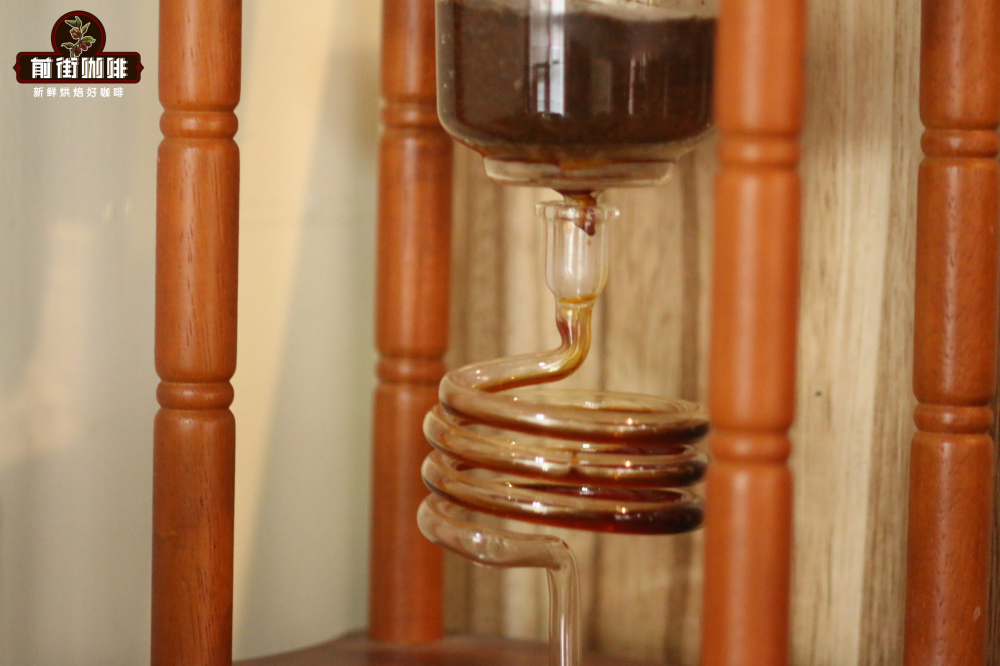
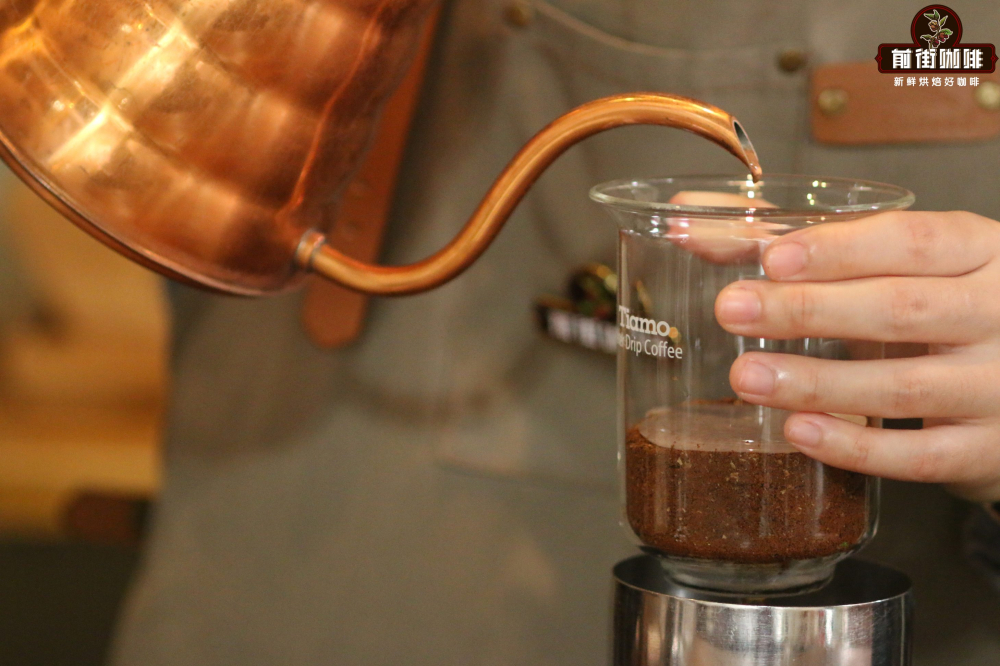
Our shop uses the Tiamo ice drip brewer for production. Typically, 60 grams of coffee grounds are used, ground to a fineness close to that of fine sugar (with a sieve size of around 75% passing through a Chinese No. 20 mesh), aiming to extract 600 grams of coffee liquid, resulting in a coffee-to-water ratio of 1:10. The recommended ice-to-water ratio is 1:1, and the dripping speed is controlled at about 6 drops per 10 seconds. When brewing, first lay the coffee grounds with filter paper to keep the surface level, and pre-wet the coffee bed with ice water—similar to the blooming step in pour over—which helps improve overall extraction consistency.
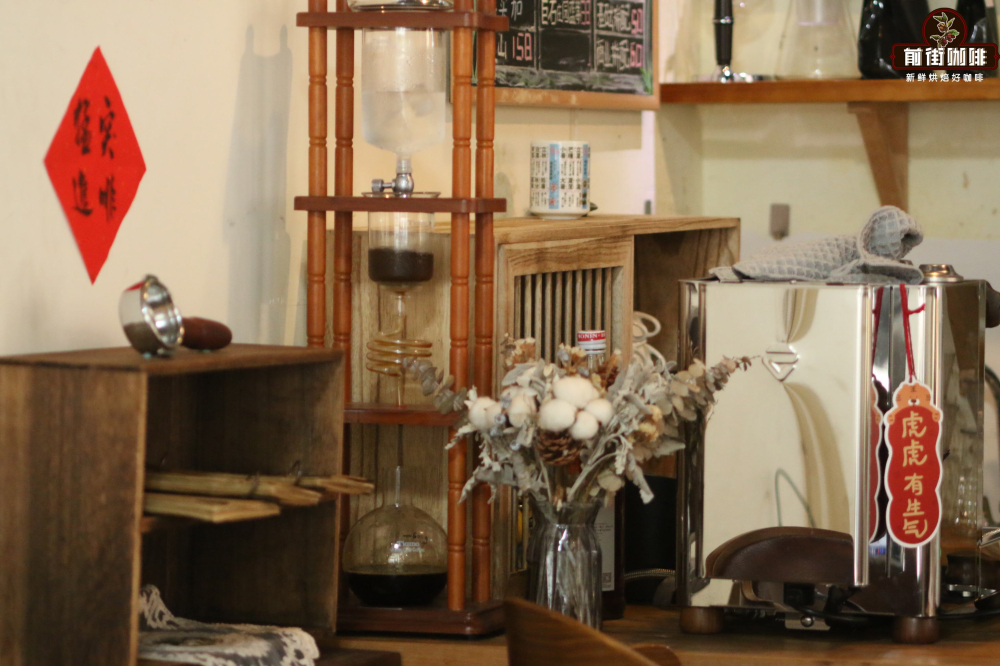
The ice drip process takes approximately 6 to 8 hours, during which a continuous, extremely slow drip of ice water must be maintained. As a result, it demands high standards of cleanliness for both the environment and equipment. Due to its complexity, many people opt for the simpler cold brew method instead.
Cold brew coffee, also called cold water extraction, is relatively simple to prepare. Simply mix coffee grounds with cold water (room temperature or iced) at a 1:10 coffee-to-water ratio, place it in a sealed container, and refrigerate for 8 to 12 hours. Then, filter it through a sieve to complete the process. A common recipe is 60 grams of coffee grounds with 600 grams of water. It’s recommended to stir moderately to promote even extraction. After refrigeration, simply filter out the coffee grounds and it’s ready to drink. You can adjust the strength to your taste by adding ice cubes.
Low-temperature brewing effectively reduces off-flavors and bitterness in coffee, resulting in a smoother texture and more pronounced sweetness. However, because the brewing time is long, the caffeine release is relatively high, so those sensitive to caffeine should be mindful of their intake. Additionally, since heavier compounds are not easily extracted, it is advisable to choose medium to light roasted beans or those with special processing methods to enhance flavor complexity and expression.
Here are several coffee beans suitable for ice drip and cold brew low-temperature brewing: Honduran Sherry coffee beans, which offer notes of vanilla, nuts, and fermented wine; Ethiopia Yirgacheffe’s Guji Dingding, showcasing citrus, honey, and green tea flavors; Sidamo Huakui, presenting a complex profile of mixed berries, roses, and black tea; Panama Geisha (Flower Butterfly), blending white floral, citrus, and honey notes; and Costa Rica Strawberry Candy, exuding fermented aromas along with the sweet tones of raisins and strawberry candy. These beans feature clear flavor profiles with prominent acidity and sweetness, making them highly suitable for crafting refreshing iced coffee.
Is it necessary to further cold age cold brew after it’s done? The answer is yes. After making cold brew, we refrigerate it for an additional 3 to 4 hours before selling to allow the flavors to further integrate and stabilize. For ice drip, it is recommended to let the brewed coffee sit and refrigerate overnight after extraction to help the flavors develop—a process called “aging.” This mainly involves slow fermentation under low temperatures, which rounds out the flavors while also inhibiting the growth of undesirable microorganisms.
However, it’s important to note that refrigeration only slows down spoilage, not halts fermentation entirely. Over time, the compounds in the coffee liquid will still gradually change, and the flavors may deteriorate or even go bad. In addition, frequently opening the container can accelerate aroma loss and bacterial contamination. Therefore, whether it’s ice drip or cold brew, it is recommended to consume the coffee within 5 days from the day of brewing to ensure optimal flavor and drinking safety.
The above content is compiled by CoffeeHunters, a coffee news website.


