








Introduction:The body of coffee, often referred to as its "mouthfeel" or "heaviness," is a key factor influencing taste perception, yet many people only have a vague understanding of its definition. This article delves into the essence of body, exploring the multiple factors that affect the sense of weight coffee has in the mouth—such as green bean processing methods, roast levels, and brewing equipment choices—while providing practical examples to help you more accurately master the brewing techniques for an ideal body, thereby enhancing your overall coffee tasting experience.
When tasting coffee, we often hear descriptors like "full-bodied," "light," or "rich," all of which are closely related to a key term—body. Body does not refer to the flavor of coffee, but rather the weight and texture it presents in the mouth. It's like the "presence" of the beverage on the tongue; some may feel as refreshing as water, while others can be as thick and luscious as cream or syrup.
Understanding body is an essential step in deepening your appreciation of coffee. This article will start with the basic definition of body, then gradually break down the various factors that influence its expression, including coffee bean processing methods, bean variety characteristics, roast levels, and how different brewing methods shape unique body sensations. We’ll also share practical brewing tips and, through real-life examples, let you experience the differences in body under various conditions.

Many people tend to confuse body with bitterness or intensity, but in fact, these three are not the same. Body refers to the "weight" or "heaviness" of coffee in the mouth, typically perceived toward the middle and back of the tongue. Some coffees may feel light like tea, while others are thick like milk—the difference mainly comes from the soluble substances and oil content in the coffee.
In simple terms, body is not a single flavor, but the combined result of interactions between multiple components. Therefore, even two cups of coffee with very different flavors might have a similar body. To accurately assess body, the most effective method is through comparative tasting, allowing you to personally experience the textural differences between different coffees.

Among the many factors that influence body, the green bean processing method plays a critical role. Methods such as honey processing or natural sun-drying, which retain more pulp and substances, often yield a fuller, more robust body. Take Costa Rica’s Black Honey processed coffee as an example—it has a rich body with a syrupy sweetness; meanwhile, Ethiopia Yirgacheffe’s Sun-Dried Berry Garden often exhibits a jam-like viscous texture.
In contrast, washed-process coffee generally has a lighter body, making it suitable for those who prefer a more delicate taste. So, if you want to experience a thicker body, consider starting with honey-processed or naturally processed beans.
Roast level also significantly affects the expression of body. Generally speaking, as the roast degree deepens, the body of coffee gradually increases. The medium roast stage marks a turning point where acidity begins to fade and body starts to rise. If the beans themselves have pronounced acidity, a light roast is suitable to preserve freshness, though this may sacrifice some body. Conversely, if the acidity is relatively mild—such as with Brazilian or Mandheling beans—a medium-to-dark roast is better for enhancing body expression.
However, it’s worth noting that overly dark roasts may make the coffee appear deep and dark, but the body can actually become thinner, or even develop burnt and bitter notes. Therefore, finding the right roasting balance is key to extracting an ideal body.
As for brewing equipment, it’s the final and most direct factor impacting body. Using a French press retains more oils and fine particles, resulting in a rich and full-bodied taste, but the flavors may be more muddled. The AeroPress can also deliver a high body, but the taste tends to be slightly muted. In comparison, the siphon (vacuum pot) can maintain clean flavors while still producing a smooth and rounded body.
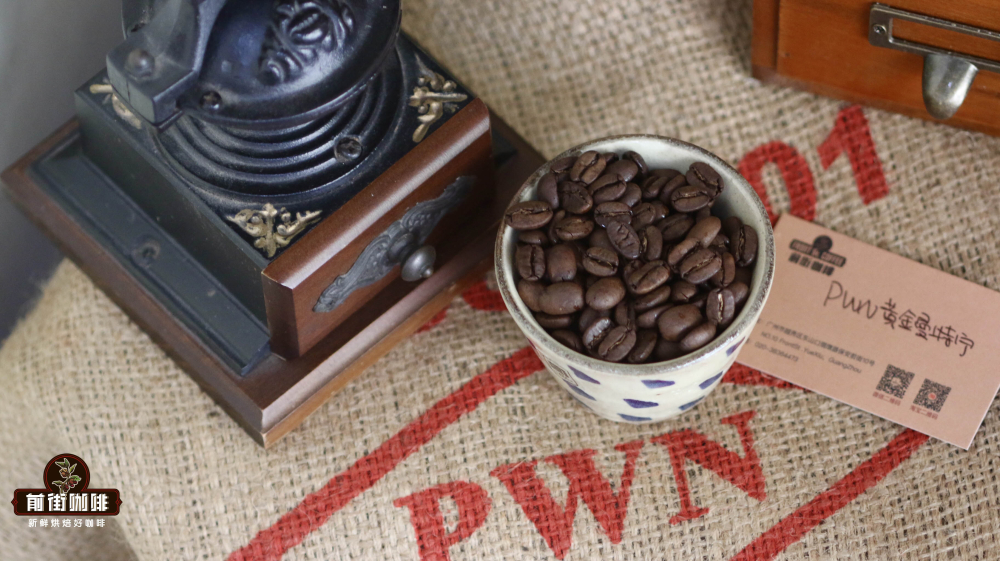
For example, using a medium-light roasted Natural Sidamo Huakui with a siphon brewer, set the grind size to 4.5, a coffee-to-water ratio of 25g:300g, and control the water temperature at 90°C. First, add the coffee grounds, minimize stirring to allow for proper blooming, let it bloom for about 20 seconds, then perform a cross stirring motion of 5 circles. Turn off the heat at 55 seconds and stir another 4–5 circles. These parameters bring out the acidity of passionfruit and strawberry, paired with the sweetness of peach and citrus notes, while also showcasing a rounded and full body.
In summary, the body of coffee is a multi-dimensional sensory experience, influenced by processing methods, roast levels, brewing tools, and techniques. By understanding these elements and experimenting with different combinations, you’ll be able to more precisely identify your preferred body style and further elevate the depth and enjoyment of your coffee tasting.
The above content is compiled by CoffeeHunters, a coffee news website.


