







Introduction:Indonesian Sumatran Mandheling coffee is renowned for its bold and rich flavor, but common market varieties such as Golden Mandheling, Lintong Mandheling, Tiger Mandheling, and Aged Mandheling often leave many coffee enthusiasts puzzled. This article delves into the regional characteristics, processing differences, and pour over flavor profiles of these classic Mandheling types. It also details the selection criteria, medium-dark roast profile, and KONO filter brewing parameters for PWN Golden Mandheling, helping you find the Sumatran beans that best suit your taste.
Mandheling coffee is one of Indonesia’s most iconic coffee varieties, yet many consumers often confuse Lintong, Tiger, Aged, and Golden Mandheling. Behind these names lie distinct regions, processing methods, and selection standards. Starting from Sumatra’s main producing areas, this article compares PWN Golden Mandheling with regular Mandheling in terms of grade, flavor, and processing, while offering practical pour over recommendations to help you better understand the unique features of these classic beans.
The Origins and Regional Distribution of Mandheling
The term "Mandheling" originally referred to an indigenous ethnic group in Indonesia, but due to a historical misunderstanding, it became the name of a coffee. This confusion originated after World War II when Japanese soldiers developed a fondness for Indonesian coffee, but a phonetic translation error turned "Mandailing" into "Mandheling." Today, Mandheling generally refers to Typica or its variants grown in the mountainous regions around Lake Toba in northern Sumatra.
Sumatra’s coffee-growing regions can be divided into several key areas: the Gayo highlands in North Sumatra, dominated by the Ateng variety, and the Tawar Lake area, which boasts a distinctive Aceh flavor; while Lintong in South Sumatra and the Lake Toba region are traditionally considered the birthplace of "Mandheling," grown at around 900 meters above sea level, with a climate suited to producing coffee with a full body and low acidity.
Lintong Mandheling: Classic Sumatran Flavor
Lintong Mandheling comes from the Lintong mountainous area in north-central Sumatra, near Lake Toba, and is a type of conventional Mandheling. This coffee also employs Sumatra’s uniquewet hulling process, which results in its characteristic low acidity and high body. However, because the wet hulling method processes beans in a semi-dried state, it can lead to pressure marks during parchment removal, creating hoof-like scars on the beans. This phenomenon, known as "hoof-marked beans," is a common trait of Mandheling and not a defect.
Tiger Mandheling: High-Standard Selected Beans
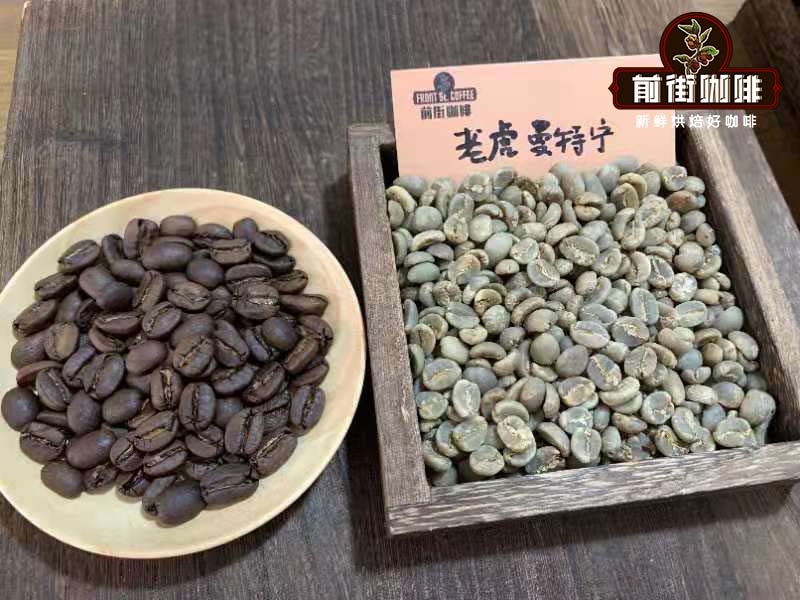
Tiger Mandheling is sourced from Aceh, where coffee is an important crop for smallholder farmers, with about 60,000 farmers each cultivating just 1 to 2 hectares. The selection criteria for Tiger Mandheling are relatively strict, requiring beans to beseventeen screen size or larger,with a defect rate below 4%, and to possess a unique traditional Chinese herbal aroma to qualify as “Tiger-grade” Mandheling. These high standards give Tiger Mandheling strong market recognition and quality assurance.
Aged Mandheling: Boldness Refined by Time
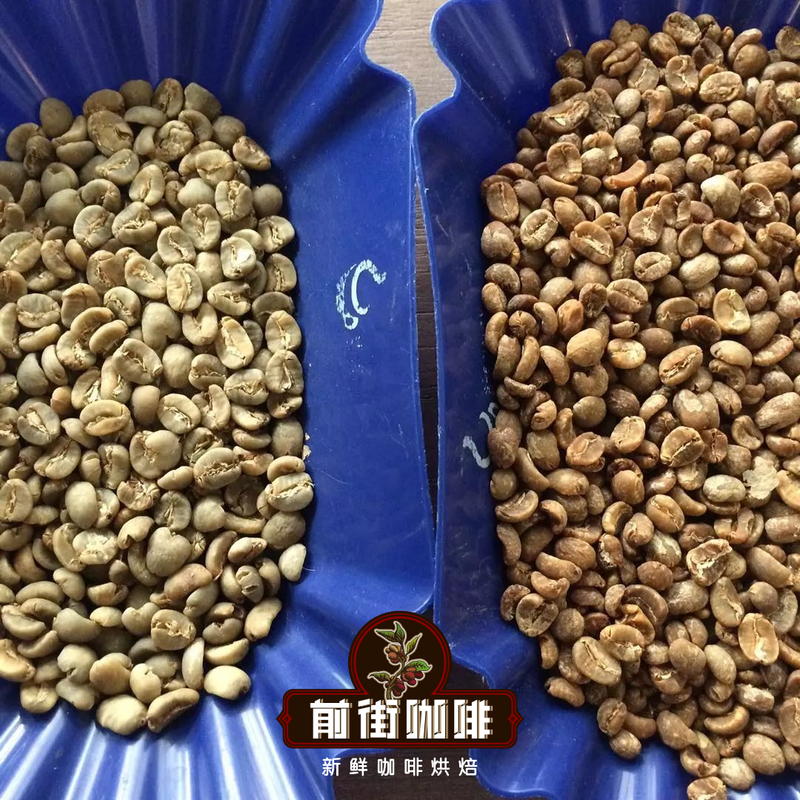
Aged Mandheling involves storing green beans for 2 to 3 years to allow natural maturation. During this period, acidity gradually decreases, bean density increases, and color changes. Storage conditions must be cool and ventilated to avoid mold. While aging may introduce complex aromas reminiscent of leather or burlap, well-handled aged Mandheling develops a smoother, deeper flavor with layered complexity akin to Pu’er tea, making it a favorite among certain coffee connoisseurs.
Golden Mandheling: The Pinnacle of Selection
Golden Mandheling is one of the most celebrated Sumatran Mandhelings, named for the golden hue of the beans after processing. Launched through a collaboration between Japanese buyers and Indonesian green bean traders, it adheres to extremely strict selection standards: beans undergodensity and color sortingandmultiple rounds of hand-picking, with only uniformly colored, intact beans retained. Legend has it that beans meeting the standard emit a golden glow under sunlight, hence the name.
Golden Mandheling is specified to beeighteen screen size or larger,with fewer than 3 defective beans in a 300g sample, placing it in the highest grade categoryG1. These rigorous selection processes eliminate common earthy off-flavors, resulting in a cleaner, brighter cup with pronounced sweetness and a strong aftertaste. Notably, the “Golden Mandheling” trademark is registered by Indonesia’s PWN company (Pwani Coffee Company), not the original Japanese partner, which registered “Gold Top Mandheling” (鼎上黄金曼特宁). The two have minimal flavor differences, but branding and marketing strategies may influence market perception.
PWN Golden Mandheling: Region and Processing Details
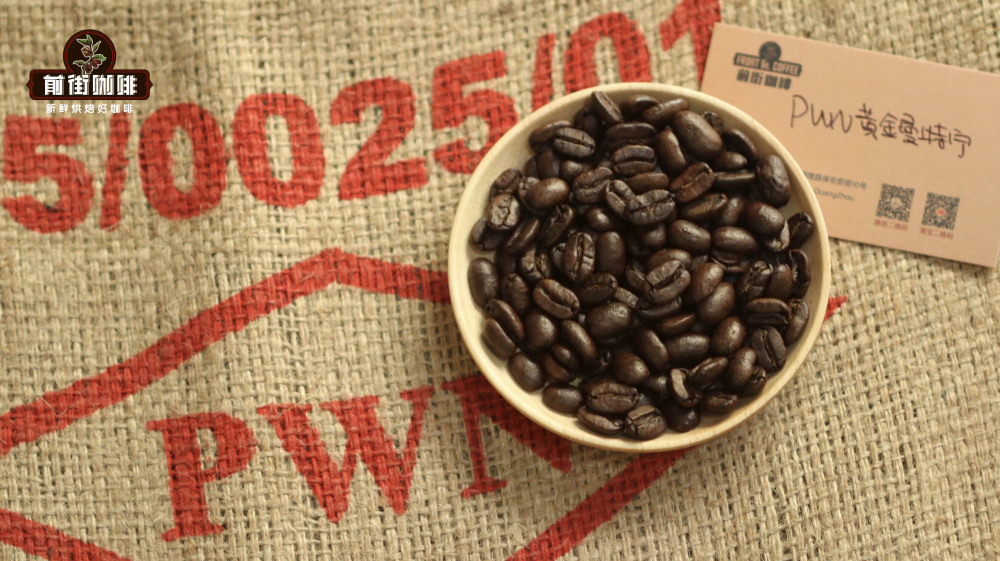
PWN Golden Mandheling is grown in the Gayo Mountains of Aceh, Sumatra, at elevations between1100–1600 meters. The variety is Ateng, graded G1, and undergoesthree rounds of manual sortingto ensure bean quality. The processing method uses Sumatra’s signaturewet hulling process. Adapted to the region’s rainy climate, the method involves removing the skin and pulp, fermenting, then hulling the beans while still semi-dry, followed by further drying to reach 12–13% moisture content. This technique gives Mandheling its signature bold, rich, and low-acid profile.
Roasting and Pour Over Recommendations
To highlight Golden Mandheling’s full body, sweetness, and clean profile, amedium-dark roastis recommended. The roast curve is as follows: start at 200°C with fan speed 3, reduce heat to 160°C after 1 minute and maintain until 5:40, when the beans turn yellow and grassy notes fade; then adjust to 140°C with fan speed 4 until first crack signs appear; first crack begins at 9:54, reduce heat to 60°C, open fan fully, and finish roasting at 204.5°C.
For pour over, we recommend using aKONO filter, withmedium-coarse grind, a1:15[powder-to-water ratio]15g coffee[water temperature]88°C. Start with a 40g bloom for 30 seconds, then pour in a circular motion to reach 120g, and finally add 100g, for a total brew time of about 2 minutes. These parameters fully showcase Golden Mandheling’s richness and layered complexity.
Summary of Flavor Profiles Across Mandheling Varieties
• Lintong Mandheling: Herbal, chocolate, caramel, balanced flavor
• Tiger Mandheling: Nutty, creamy, dark chocolate, caramel, with traditional Chinese herbal notes and pronounced sweetness
• Aged Mandheling: Aged pu’er, caramel, herbal, chocolate, low acidity, rounded flavor
• Golden Mandheling: Nutty, spicy, herbal, licorice, chocolate, caramel, clean and soft flavor with a strong aftertaste
By understanding the differences among these Sumatran Mandheling coffees, you’ll be able to choose beans that better match your taste preferences and adjust pour over parameters to fully bring out each bean’s unique potential.
The above content is compiled by CoffeeHunters, a coffee news website.


