








Introduction:Dive deep into the unique origins of the Ethiopia Gesha Village Estate Red Label coffee. From the birthplace of the Gesha variety in the Kafa Forest to Gesha Village’s professional cultivation and grading system, this article helps you uncover the key flavor characteristics of the Red Label beans. It also provides practical V60 pour over parameters and a three-stage brewing guide to help you produce a clean, bright, and layered African natural brew at home.
The Gesha Village Red Label coffee is one of the flagship offerings from Ethiopia’s Gesha Village Estate, and like the widely recognized Emerald / Natural Red Label Gesha on the market, it has garnered significant attention. However, these two coffees both labeled as "Red Label" actually come from different regions and processing backgrounds, each with its own unique flavor profile. This article not only traces the historical journey of the Gesha variety but also provides a detailed breakdown of Gesha Village Estate’s grading system, while focusing on the brewing essentials of the Red Label natural beans—offering you a comprehensive understanding of this popular specialty coffee, from origin to cup.
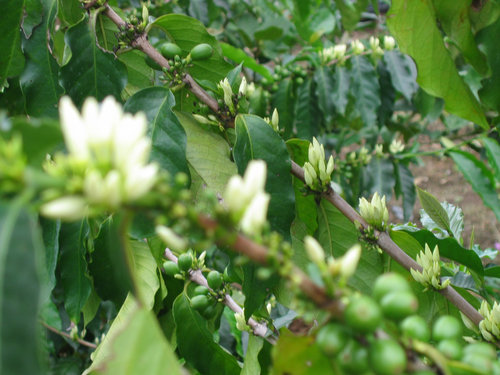
The story of the Gesha variety began in Africa during the 1930s. At that time, the British colonial government, in search of commercially viable coffee varieties, sent officers deep into the Kafa Forest in southern Ethiopia, successfully collecting a batch of wild coffee seeds. Among them, the coffee from a forest called Gesha stood out due to its distinctive aroma. These seeds were later sent to research stations in Kenya and Tanzania, but the name was misspelled as Geisha along the way, laying the foundation for the future name of the "Gesha" variety. The variety was later introduced to CATIE in Costa Rica and eventually shone brightly in Panama, becoming a star at auctions. But its roots are actually in this pristine forest in Ethiopia.
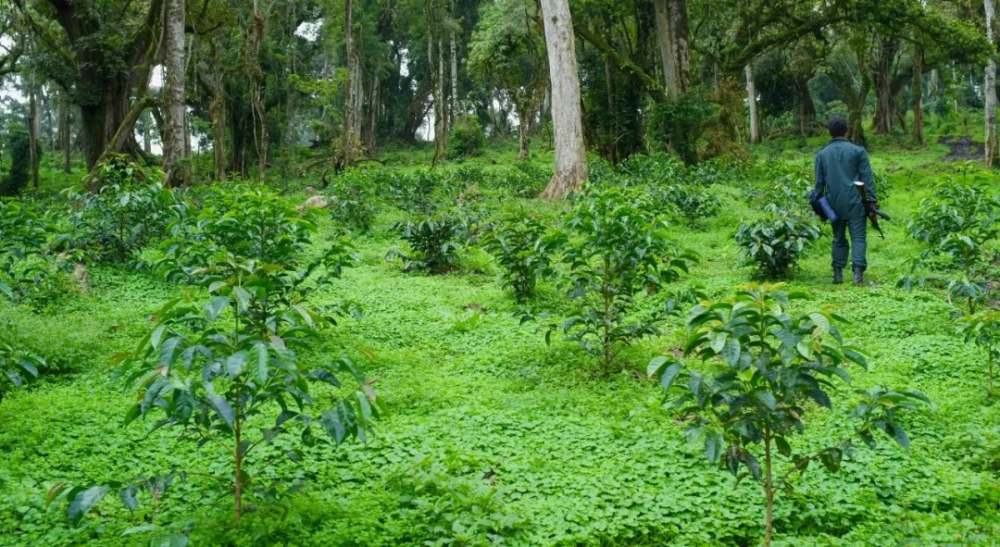
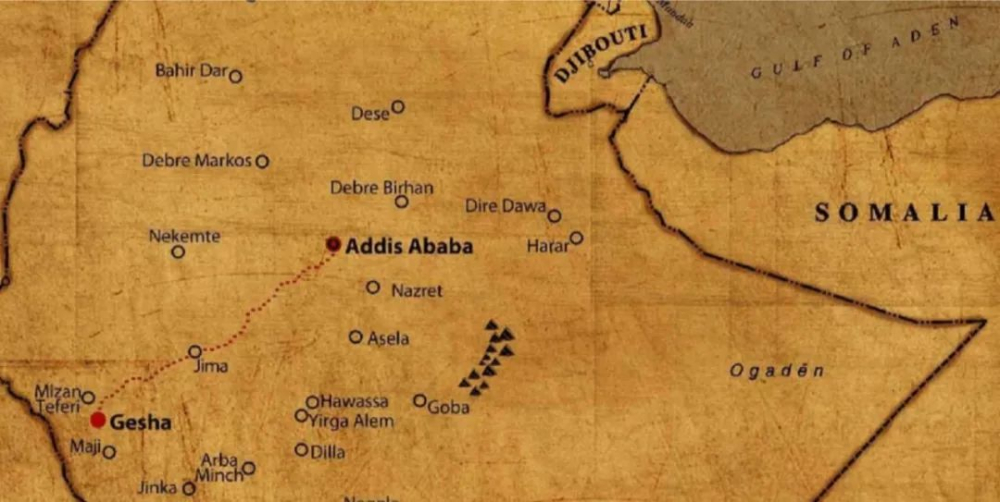
The establishment of Gesha Village Estate stems from the passion for Ethiopian coffee shared by director Adam Overton and his wife Rachel Samuel. In 2011, they ventured into the Bench Maji region to explore the native environment of Gesha, where they discovered wild Gesha trees in the Gori Gesha Forest and decided to establish the Gesha Village Estate there. Located in southwestern Ethiopia, bordering South Sudan, the area generally sits above 1,900 meters in altitude. The high elevation allows coffee cherries to ripen slowly, accumulating richer flavor compounds. This nearly 500-hectare estate is also one of the few large farms in Ethiopia with a well-developed washed processing and quality control system, dedicated to growing distinctive Gesha coffee.
Based on microclimates, altitude, and soil conditions, Gesha Village Estate divides its land into multiple plots, cultivating various strains of Gesha, including Gori Gesha, Gesha 1931, and IIIubabor Forest. Among them, Gori Gesha is considered the closest to the original variety and is the main source of the Red Label natural beans. To ensure consistent quality, the estate has established a five-tier grading system, consisting of Auction, Gold Label, Red Label, Green Label, and CHAKA, each with clear cupping standards and processing protocols.
The Auction lot is the flagship product of Gesha Village, available only to invited buyers through auction. The Gold Label Gesha is the estate’s curated selection, known in English as Rarities, meaning rare treasures, making up about 10% of total production. These lots score extremely high in cupping and come with detailed plot information, often serving as signature offerings in specialty coffee shops. As for the Red Label Gesha, it is based on a minimum SCA cup score of 88, accounting for 15% of annual production. Though not as rare as the Auction or Gold Label, it still offers full traceability and is an excellent entry point into the world of Gesha flavors. The official name of the Red Label is Growers Reserve, meaning “grower protection zone,” and it mostly consists of the Gori Gesha variety, processed naturally and grown at altitudes between 1,973 and 2,069 meters in the Shewa-Jibabu plot.
The Gesha Village Natural Red Label coffee features a classic profile of African natural processing: the cup opens with distinct notes of lemon, plum, and citrus, develops into tropical fruits and floral tea flavors in the mid-palate, and finishes with a hint of honey sweetness and bright acidity. Compared to natural processes from Central and South America, Ethiopia’s high altitude and dry season allow the Red Label to preserve more of the coffee’s innate fruity aromas during fermentation. The result is a coffee with well-defined layers and a clean finish, offering excellent value and making it highly suitable for coffee enthusiasts eager to explore the allure of Gesha.
To recreate the refined flavors of the Gesha Village Red Label coffee at home, it is recommended to use a V60 dripper for pour over. Here are practical brewing parameters and a suggested three-stage extraction method: Start by using 15 grams of coffee grounds, ground to a fine sugar-like consistency, with approximately 80% passing through a #20 sieve. Maintain a water temperature of 91–92°C, and use a 1:15 coffee-to-water ratio. In the first stage, pour 30 grams of water for a bloom, letting it sit for 30 seconds. Ensure the water is poured evenly in circular motions from the center outward to fully saturate all the coffee grounds. In the second stage, increase the water flow slightly and pour 120 grams, aiming to complete this pour around the 55-second mark. By this time, the total water volume should reach 150 grams, which helps lift the coffee bed and promotes even extraction. Finally, when the liquid level drops halfway, use a slower, smaller stream to pour the remaining 90 grams in small circles until you reach a total of 240 grams. The entire brew time should be around 2 minutes and 10 seconds. Once brewing is complete, remove the filter and gently swirl the coffee in the server before enjoying this exceptional Ethiopian highland natural Gesha brew.

The above content is compiled by CoffeeHunters, a coffee news website.


