








Introduction:With its low-temperature slow extraction characteristics, cold drip coffee exhibits a distinct layering and delicate flavor profile that sets it apart from pour over. This article delves into the historical background, extraction principles, bean selection techniques of cold drip coffee, and provides several practical recipes, including styles such as deep dark berries, bright acidity, and sweet richness. It also explains in detail the operation process, drip rate control, fermentation time, and optimal drinking timing, helping you easily brew professional-grade cold drip coffee at home.
Compared to the quick extraction of flavors using hot water in pour over coffee, cold drip coffee slowly releases the essence of coffee through prolonged immersion in ice water under a low-temperature environment, delivering a smoother, more nuanced, and deeper taste experience. This extraction method not only preserves the original fruity and sweet notes of the coffee but also reduces impurities and excessive volatility in the low-temperature setting, resulting in a more cohesive and distinctly layered flavor.
Cold drip coffee refers to the method where cold water drips continuously, using gravity and time to slowly permeate the flavors. Originating from the Netherlands, it is often referred to as Dutch-style drip coffee. Its traditional equipment typically consists of multiple layers of glass, with an adjustable drip rate to make the entire process more manageable. Due to its low-temperature operation, cold drip coffee is also known as ice-brewed or water drip coffee, representing a coffee-making approach that emphasizes patience and attention to detail.

The extraction principle of cold drip coffee differs greatly from that of pour over. High-temperature extraction can quickly release acidic compounds and aromas from coffee but may also bring along woody off-flavors. In contrast, the low-temperature environment prevents the release of astringency and unwanted impurities, while preserving more delicate fruitiness, floral notes, and sweetness. Moreover, the cold drip process generates almost no pressure from high temperatures, so the caffeine release is relatively lower, making it more friendly for sensitive individuals. The filtered coffee liquid is recommended to be refrigerated for at least 8 hours after dripping, allowing the flavor molecules to further integrate and release. When consumed, you’ll notice a more pronounced burst of aroma.
So, which coffee beans are suitable for making cold drip? In fact, most single-origin beans suitable for pour over can also be used for cold drip. But if you want to highlight unique flavor characteristics, it’s recommended to prioritize beans with distinctive personalities—such as Ethiopian Yirgacheffe with its bright acidity and prominent fruity notes, or Indonesian Mandheling and Kenyan beans that offer both sweetness and body. Generally speaking, single-origin beans roasted to light to medium levels can better showcase the delicacy and layers of cold drip, while blends help balance the flavors and create a richer mouthfeel structure.
Below are several common and easy-to-make cold drip recipes, each designed for specific flavor profiles to suit different seasons and taste preferences.
Dark Berry Type:It is recommended to use 60 grams of Costa Rican Mozart beans with anaerobic honey processing. These beans feature intense raisin and blueberry aromas, and when extracted via cold drip, they reveal a distinct wine-like character and dark berry tones, with a refreshing taste and a long-lasting aftertaste.
Clean and Crisp Type:You may opt for 60 grams of Kenyan Assaliya, whose acidity is lively like lemon and cherry tomatoes. After cold drip, it presents fresh fruitiness and a light acidity, particularly suitable for summer consumption, with a clean taste yet vibrant energy.
Sweet and Delicious Type:Try 60 grams of Indonesian Golden Mandheling. Although it is a dark roast bean, under the slow extraction of cold drip, it is not bitter or astringent. Instead, it reveals rich chocolate and caramel aromas, with a finish featuring subtle fermented notes and woody undertones. It has a smooth and warm mouthfeel.
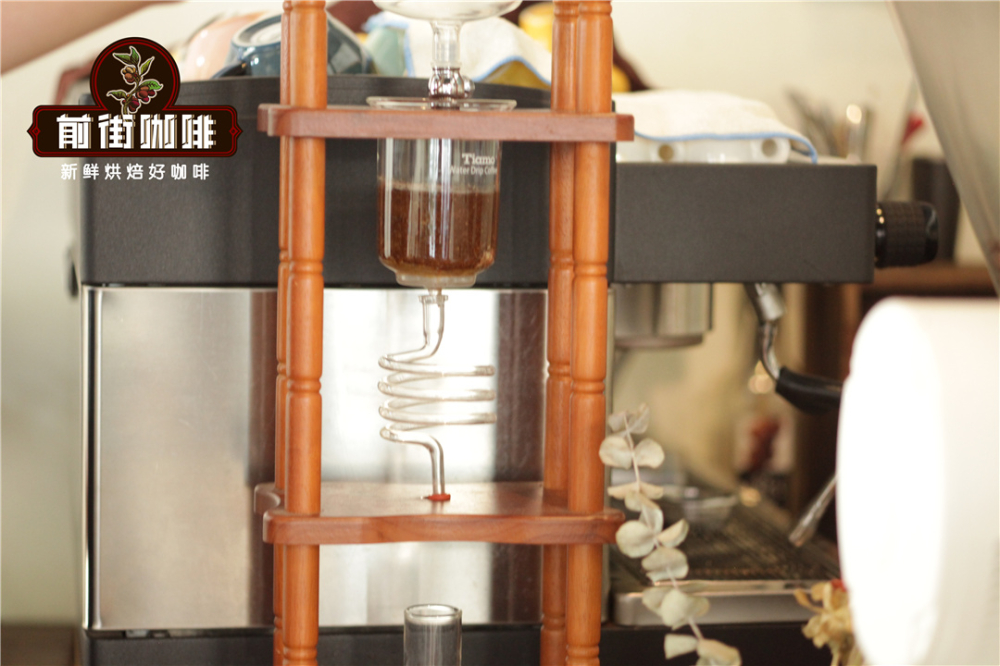
If you wish to further enhance the complexity of flavors, you can also try blend combinations. For example, mix 20 grams of Honduran Lishan with 40 grams of Gesha Village Red Label. The Lishan undergoes wine barrel fermentation processing, offering brandy-like aromas and honey sweetness, while the Gesha Village Red Label features sun-dried processing, showcasing plum and citrus acidity with a creamy smooth texture. When combined, the flavors are richly layered, with balanced sweetness and acidity and a well-defined profile.
In terms of actual preparation steps, start by placing a round filter paper at the bottom of the powder cup and moistening it with water to ensure it adheres to the cup walls. Then pour in the ground coffee (it is recommended to grind slightly coarser than pour over, about 75% passing through a Chinese standard No. 20 sieve), gently shake it flat or press the surface lightly with a tamper. Next, lay a second layer of filter paper to help distribute the water evenly and prevent the coffee bed from collapsing due to prolonged dripping.
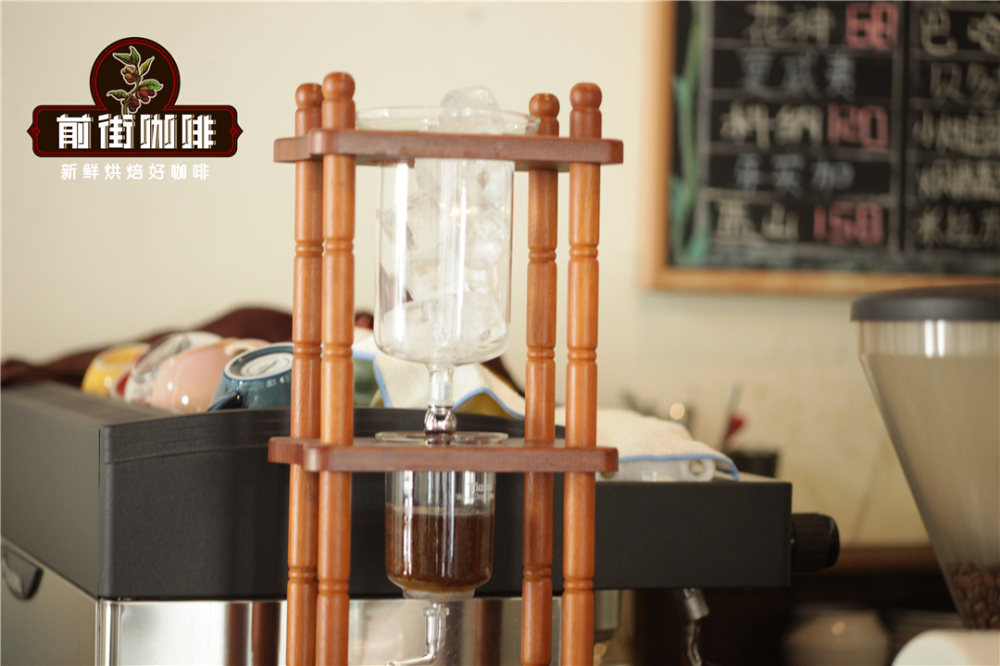
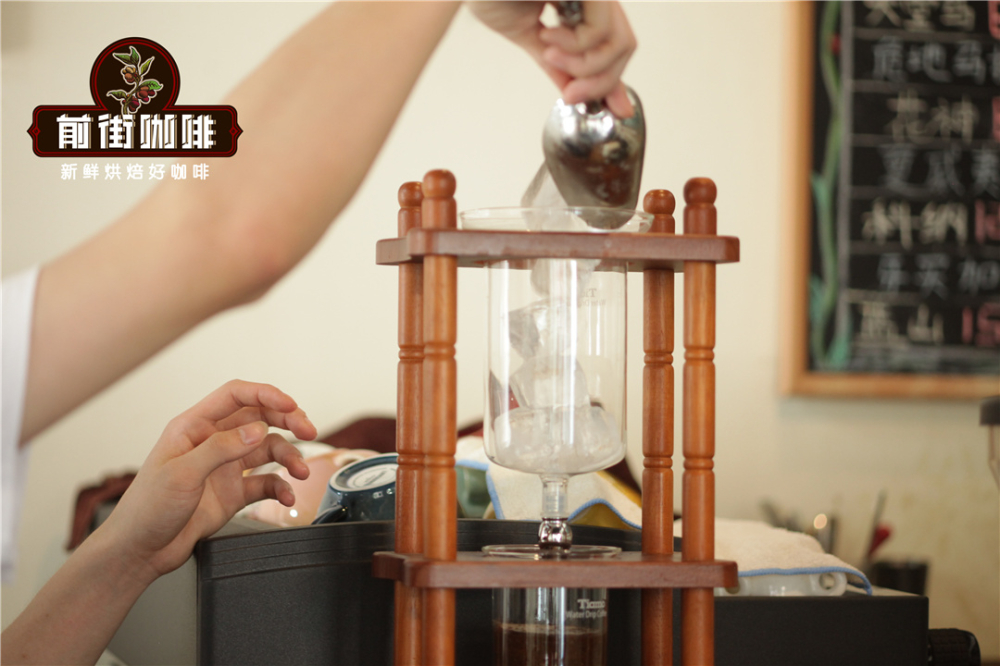
During the pre-soaking stage, use ice water to evenly moisten the coffee grounds layer, similar to the bloom step in pour over, which helps improve the consistency of subsequent extraction. Then adjust the ratio of ice water to regular water to 1:1, and set the drip rate to about 7 drops per 10 seconds, ensuring a stable and slow extraction process. After extraction, pour the coffee liquid into a sealed glass bottle and it is recommended to refrigerate it for at least 12 hours to allow the flavor molecules to further integrate and release in the low-temperature environment.
It is important to note that cold drip coffee should not be consumed immediately after filtration. The refrigeration fermentation process, much like the carbon dioxide release after coffee bean roasting, helps to merge and enhance the flavor compounds. It is generally recommended to let it sit for 12 to 24 hours. Going beyond this time may risk quality issues due to bacterial growth, so it is best to consume within 72 hours for optimal flavor performance.
The above content is compiled by CoffeeHunters, a coffee news website.


