







Introduction:Want to understand the charm of SOE (single origin espresso)? This article starts with the basics, guiding you through the origins, characteristics, and challenges of SOE, and takes Ethiopia Yirgacheffe Natural Red Cherry beans as an example to detail extraction parameters and actual brewing performance. It also analyzes the flavor profile and target audience when used to make Americano, helping you master the essentials of brewing SOE.
From classic espresso and Americano to milk-based specialty drinks, the evolution of Italian-style coffee is full of variety and innovation. Among the many options, SOE (single origin espresso), though less commonly encountered by general consumers, has gradually become a new direction for many coffee enthusiasts to explore with the rise of specialty coffee culture. This article will fully introduce the definition, historical background, and core features of SOE, focusing on Ethiopia Yirgacheffe Natural Red Cherry beans, and explaining in depth the process, parameter suggestions, and flavor profile of making Americano with this bean variety.
 Looking back at the evolution of Italian-style coffee, it initially centered around traditional espresso, later introducing the American-style diluted version in response to market demand, and then expanding into various milk-based variations. Among these, SOE entered the market relatively late, initially gaining popularity mainly within the specialty coffee circles of Europe and America, and only gradually attracting attention in the Asian market in the past decade. In the past, due to consumer habits and price barriers, SOE did not quickly gain traction in places like Taiwan or Hong Kong, but nowadays, more and more consumers are willing to try this espresso style that highlights origin characteristics.
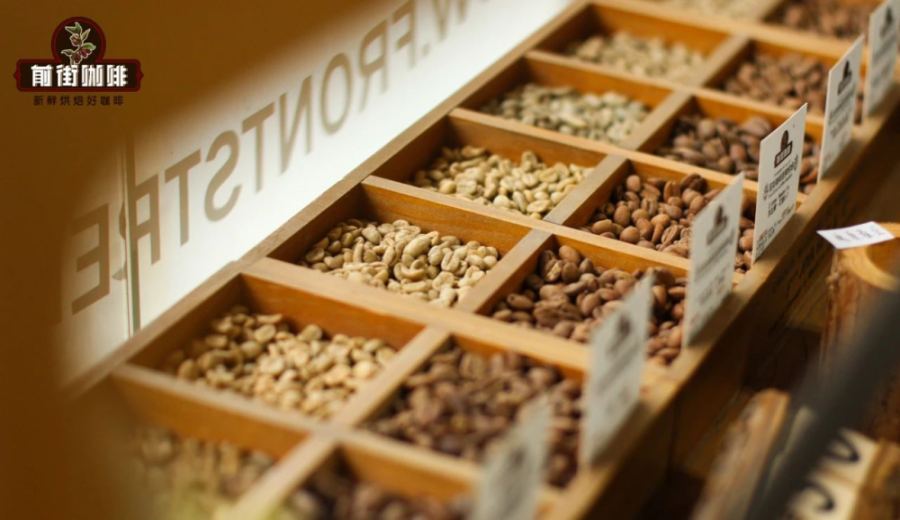
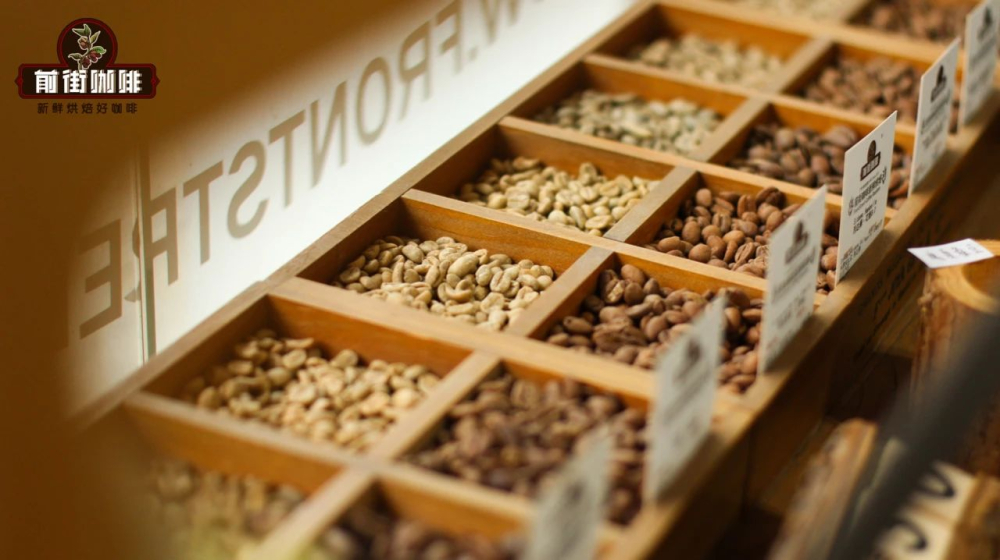
The term SOE stands for Single Origin Espresso, translated in Chinese as single origin espresso, meaning espresso extracted using coffee beans from a single origin and a single variety via an espresso machine. Compared to common blends, the biggest feature of SOE is its ability to clearly showcase the unique terroir conditions of that origin — for example, Yirgacheffe typically exhibits bright fruit acidity and floral notes, while Guatemala presents a fuller body and chocolatey tones.
 In the early days, SOE had limited acceptance domestically, partly because the specialty coffee culture was not yet mature, and high pricing was also a major barrier. Generally speaking, a cup of coffee made with SOE often costs several dozen yuan more than a regular single origin coffee, which indeed requires some time for many entry-level consumers to adapt. Additionally, the flavor expression of SOE can be easily influenced by season, climate, and processing methods, so the flavor profile of each batch may vary slightly, which is another challenge.
So, what makes SOE coffee unique? In typical espresso preparation, most people are accustomed to using blends as the base and adjusting the taste with milk to make the coffee more approachable. However, using single origin beans to make SOE allows the regional characteristics of the beans to be amplified through high-pressure extraction — whether it's fruity, floral, or herbal notes, they become more pronounced. For example, washed Yirgacheffe usually shows gentle fruit acidity and subtle floral aromas, but when made into espresso in the form of SOE, the acidity becomes more prominent, and drinking it straight may feel a bit intense for some users. But when used as a base for Americano, the acidity is balanced, resulting in a more refreshing and smooth drinking experience.
However, SOE also has its limitations. Since it comes from a single origin, different harvest seasons or microclimate changes can lead to inconsistent flavors, which is why some consumers may notice slight differences in their experience each time they try SOE. For this reason, choosing a stable supply source and understanding the details of the processing method are especially important for those who want to deeply experience the charm of SOE.
Speaking of the popularity of SOE, we cannot overlook the stable characteristics of traditional Italian blends. In the past, mainstream espresso recipes often mixed beans from different origins and focused on medium to dark roasts. This approach ensured balanced flavors, rich crema, and a smooth mouthfeel, making it very suitable for coffee beginners. Classic blends known for their buttery, nutty tones, deep-roast options with chocolatey flavors, or balanced recipes that combine floral and fruity notes have all been popular entry points for many people exploring Italian-style coffee.
In contrast, SOE better highlights the unique personality of the origin. Below, we’ll take Ethiopia Yirgacheffe Natural Red Cherry as an example to share the actual process and results of making SOE and brewing Americano. These beans are grown at an altitude of about 2000 meters in the Yirgacheffe region, harvested from native coffee tree varieties, and processed using the natural (sun-dried) method, making them a typical high-altitude specialty bean variety.
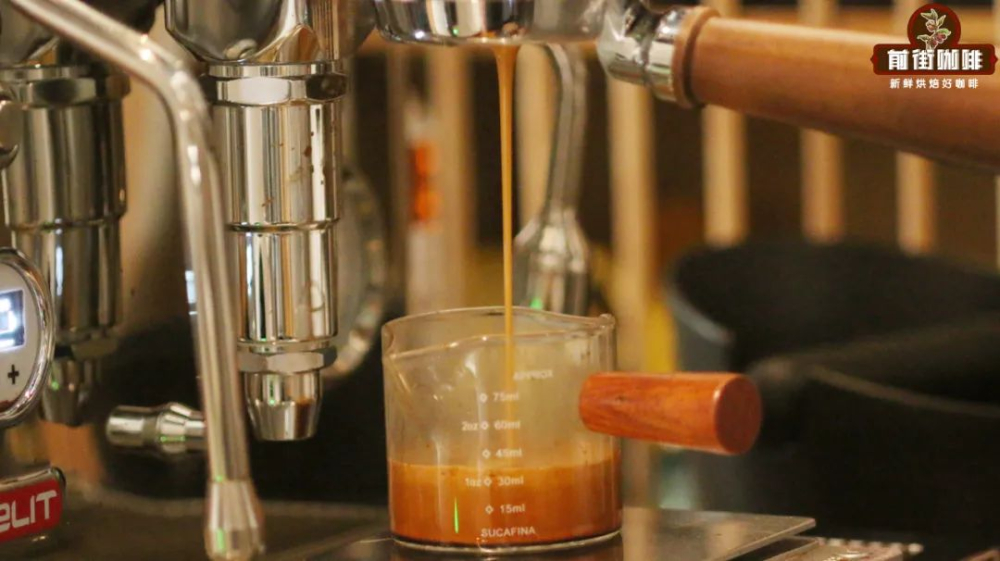 Suggested actual extraction parameters are as follows: use about 20 grams of coffee grounds, control the extraction time to around 28 seconds, aim for a total liquid yield of about 40 grams, and use approximately 150 milliliters of hot water. This combination can fully bring out the rich flavors of the Red Cherry SOE while maintaining a balanced acidity and sweetness. According to practical testing, the SOE espresso under this formula has a smooth mouthfeel, medium body, distinct acidity that’s not overly sharp, with delicate fruit acids accompanied by a caramel-like sweetness — the overall performance is quite pleasing.
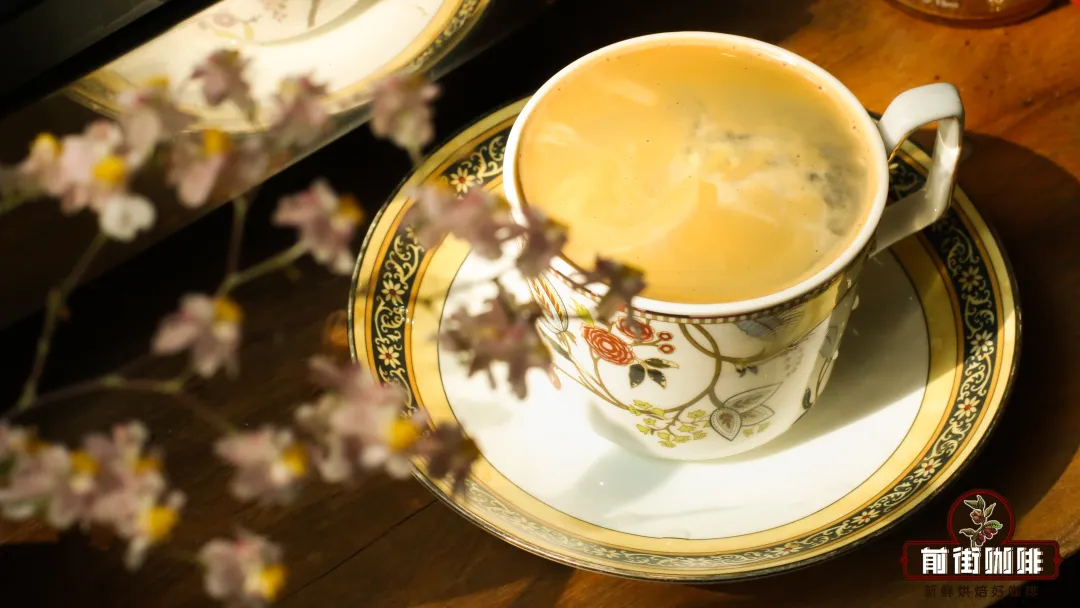
If you use this SOE to make Americano, simply add an appropriate amount of hot water to dilute, and you’ll notice a clear shift in flavor. The diluted Red Cherry SOE Americano has softer acidity, a smooth mouthfeel, with a hint of cocoa-like warmth, delivering a refreshing taste with a long aftertaste. Compared to commercially available Americanos, this SOE-based option not only has more refined acidity but also slightly lower body, making it suitable for coffee lovers who enjoy a refreshing taste and want to experience origin-specific characteristics.
The above content is compiled by CoffeeHunters, a coffee news website.


