







Introduction:Why are Arabica coffee beans more expensive? Which regions produce Arabica with the most distinctive flavors? This article delves into the fundamental differences between Arabica and Robusta, and provides a detailed look at the growing environments, processing methods, grading standards, and flavor profiles of nine major producing regions: Brazil, Colombia, Panama, Guatemala, Costa Rica, Jamaica, Ethiopia, Kenya, and Indonesia. It helps you comprehensively grasp the key factors in coffee selection, from origin background to brewing choices.
From a botanical perspective, coffee belongs to the Rubiaceae family, which includes hundreds of species, but only three are commonly cultivated: Arabica, Robusta, and Liberica. Arabica, known for its elegant aroma and complex flavor layers, is the top choice for specialty coffee, while Robusta, due to its strong disease resistance and high yield, is mostly used in instant coffee and espresso blends. However, the price and status gap between the two is not simply a matter of good or bad, but rather the result of a combination of growing environments, processing methods, and market demand.
Arabica: Specialty flavors nurtured at high altitudes
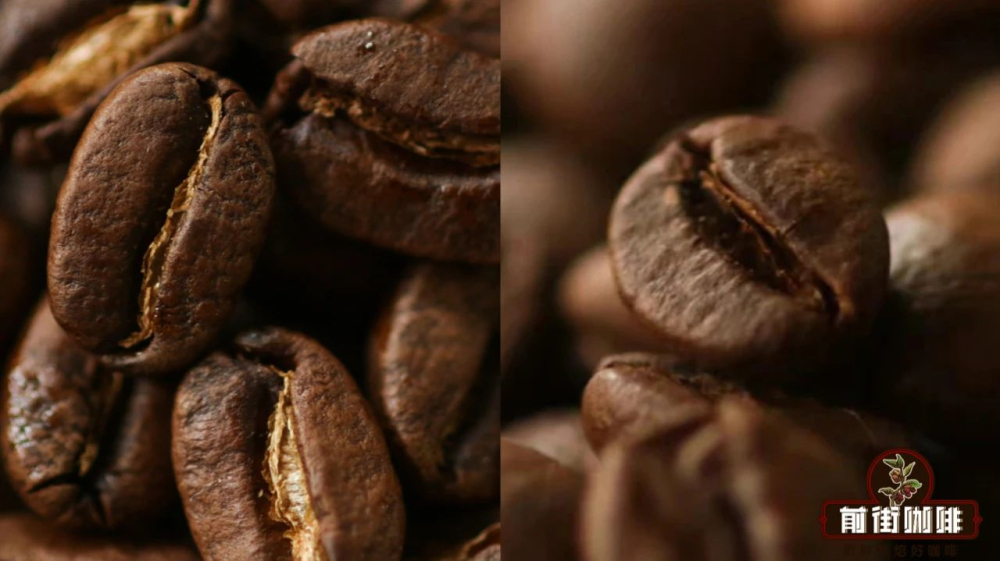
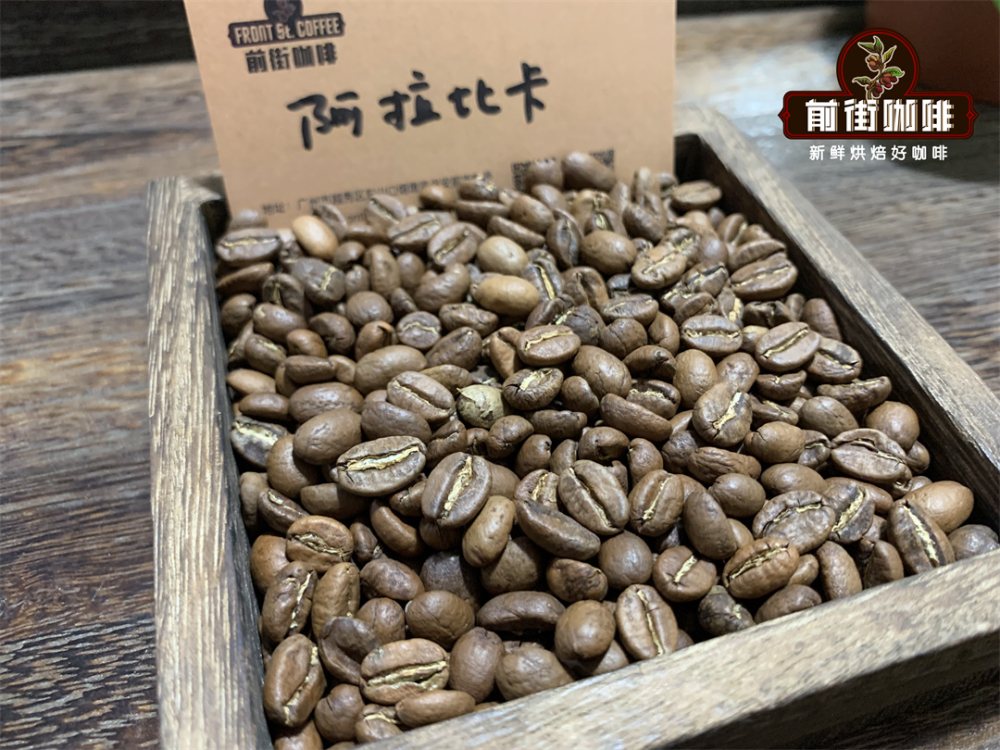
Originating from Ethiopia, Arabica accounts for about 70% to 75% of global coffee production and thrives at elevations above 1,500 meters. This environment gives it delicate acidity, rich floral and fruity notes, and multi-layered aftertastes, making it the preferred choice for pour over coffee and single-origin beans. The three renowned top-tier beans—Hawaiian Kona, Jamaican Blue Mountain, and Yemeni Mocha—all belong to the Arabica family. Their green beans are slender and dark, especially those grown at high altitudes, which exhibit an excellent balance of sweetness, acidity, and aroma.
However, Arabica is more susceptible to pests and diseases, requiring more meticulous management and input. Its genetic diversity has also given rise to numerous sub-varieties such as Typica, Bourbon, and Geisha. For example, Typica is known for its outstanding acidity, while Geisha is celebrated for its unique floral aroma and bright acidity, often becoming a star in auction-grade specialty beans. When selecting, it’s recommended to choose a suitable sub-variety and region based on your preferences for acidity, sweetness, and body.
Analysis of the characteristics of nine major producing regions
Understanding the growing conditions and processing characteristics of each region helps identify flavor profiles and the reasons behind pricing.
Brazil: Stable high yield and nutty chocolate notes
Brazil is the world’s largest coffee producer, with major producing regions concentrated in Minas Gerais, São Paulo, and Paraná. In recent years, due to climate change, some farming areas have shifted northward, and irrigation and mechanized management have been introduced. The region mainly grows varieties like Bourbon and Catuaí, along with disease-resistant varieties like Catimor, using primarily natural (sun-dried) or honey processing. In terms of flavor, Brazilian beans have low acidity, prominent sweetness, and often feature nutty and chocolatey foundations, with a smooth mouthfeel and clean aftertaste. The Bourbon from Fazenda Rainha is a representative, showcasing nutty, chocolatey, and moderate caramel aromas.
Brazil’s grading is based on screen size and defect rate, with Grade No.2 being the highest. The screen size is approximately S17–S18 (6.75–7mm), with no more than 11 defective beans in a 300-gram sample.
Colombia: Two harvest seasons and citrusy dark cocoa
Colombia is the world’s third-largest coffee producer. Small farms in the Andean foothills are concentrated at elevations of 1,000 to 2,000 meters and rely on shade trees and hand-picking. Colombian coffee is primarily washed processed, with two harvests per year (October–January and April–June). The flavors feature clear citrus notes, nutty aromas, and a prominent dark cocoa profile, with delicate acidity, making it suitable for consumers who prefer the flavor profile of the Americas.
Colombia’s grading is mainly based on screen size, with S17 and above classified as ‘Supremo’ and S14–S16 as ‘Excelso’.
Panama: Geisha-driven extraordinary flavor potential
Panama is renowned for the Geisha variety, particularly from well-known farms like Hacienda Esmeralda, Debra, and Ninety Plus, which bring out its floral aroma and bright acidity to the extreme. Geisha is mostly grown at high altitudes and is primarily washed processed, with some sun-dried processing as well. The region grades beans by altitude, with higher elevations resulting in harder beans, classified as ‘Strictly Hard Bean (SHB)’ or ‘Hard Bean (HB)’, yielding more concentrated and vibrant flavors.
Guatemala: Volcanic soil and floral-fruit layers
Guatemala’s volcanic regions, such as Antigua, provide mineral-rich soil that creates a unique coffee character. Local plantings include Bourbon, Caturra, and Catuaí, primarily washed processed, and graded by altitude into SHB (above 1,300 meters), HB (1,200–1,300 meters), and EPW (900–1,050 meters). The recommended Antigua coffee showcases intense floral and tea notes with a honey-like aftertaste, featuring bright and layered acidity.
Costa Rica: Honey processing and balanced body
Costa Rica is one of the few countries in the world that prohibits the cultivation of Robusta, emphasizing quality control. The region mainly grows Caturra and Catuaí and has developed a unique honey processing method that retains some mucilage, combining the cleanliness of washed processing with the sweetness of sun-dried. The coffee flavors are nutty at the base, paired with bright acidity and sugary sweetness. The SHB (Strictly Hard Bean), GHB (Good Hard Bean), and HB (Hard Bean) grades are determined by altitude.
Jamaica: The balanced archetype of Blue Mountain coffee
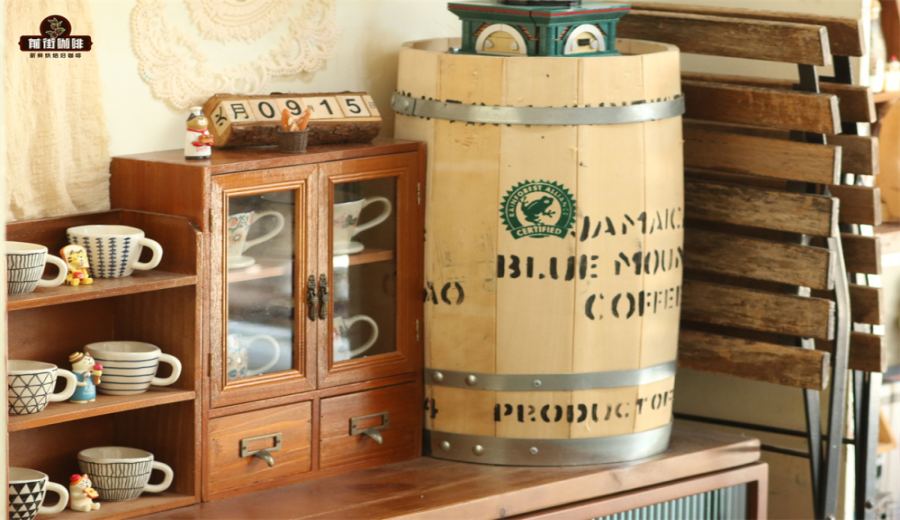
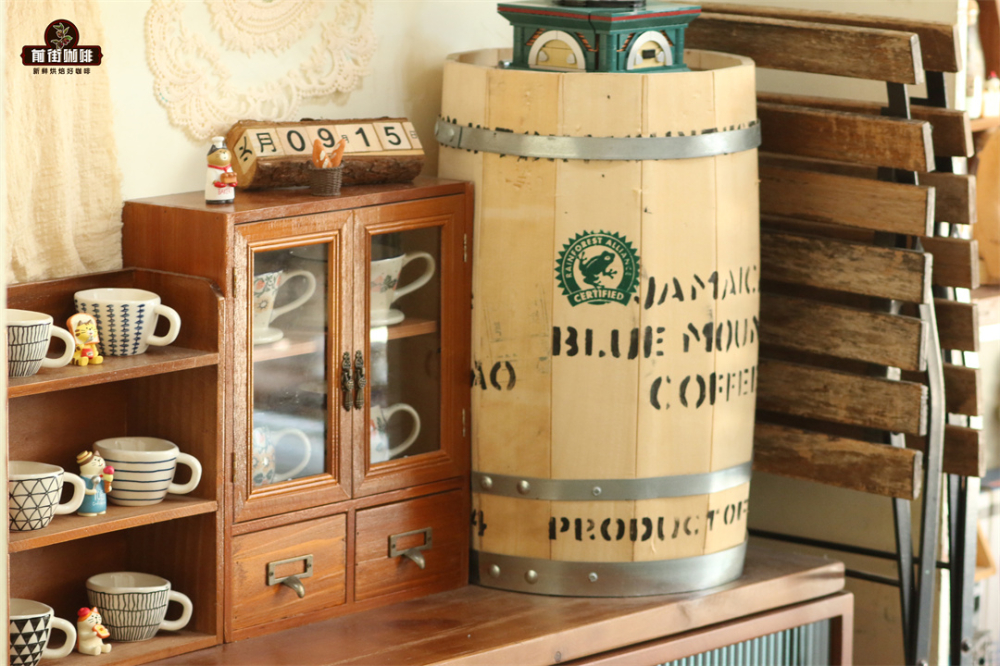
Jamaican Blue Mountain coffee is primarily washed Typica, grown in the Blue Mountains, where the maritime climate tempers the flavors, resulting in exceptional balance. Its grading is based on screen size and defect count, divided into No.1 to No.3, with further subdivisions based on altitude or screen size. Blue Mountain coffee has soft acidity, with mid-palate notes of citrus and dark cocoa, and a rich, long-lasting aftertaste.
Ethiopia: Diversity of native varieties and washed innovations
As the birthplace of coffee, Ethiopia boasts numerous native varieties, often collectively referred to as ‘heirloom’. The washed processing method in the Yirgacheffe region has elevated overall quality, delivering citrus, lemon acidity, and tea-like aftertastes. Although natural (sun-dried) processing is the mainstream, washed beans are more stable and highly regarded in the market. Defect-based grading ranges from Grade 1 to Grade 8, with export standards requiring Grades 1 to 5.
Kenya: Berry acidity and SL varieties
Kenyan coffee is famous for its SL28 and SL34 varieties, known for their bright acidity and prominent berry notes, making them especially suitable for summer iced drinks. There are two harvests per year, with washed processing as the main method. Grading is based on screen size, with S18 and above classified as AA, S15–S17 as AB, and peaberry as PB.
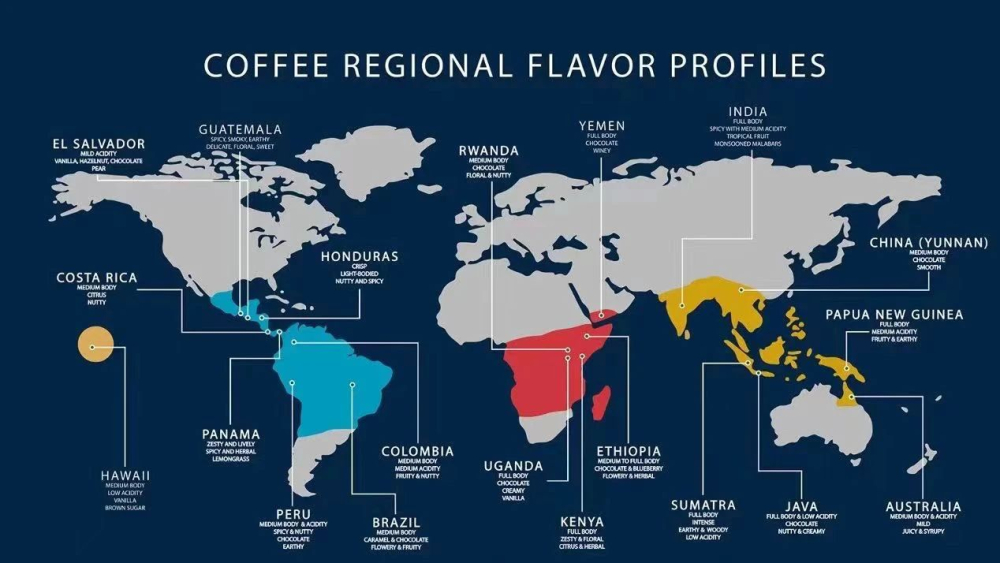
Indonesia: Mandheling and semi-washed characteristics
Indonesia is represented by Mandheling from Sumatra, mostly grown in the Aceh region, using a unique semi-washed process that imparts herbal and spicy notes, with a thick yet clean mouthfeel. Golden Mandheling, selected multiple times by hand, has a low defect rate and a smoother profile. Indonesia also grows Robusta varieties like Catimor, graded by screen size and defect count, categorized into large and small beans, and Grades 1 to 5.
In summary, the higher price of Arabica coffee beans is not only due to the demanding growing environment but also because of its nuanced and diverse flavor expression, meticulous processing methods, and the specialty-oriented approach of most producing regions. Understanding the characteristics and processing differences of each region can help you more accurately select coffee beans that suit your taste, whether you’re pursuing bright fruitiness, lively acidity, or rich balance—you’ll find the perfect match among them.
The above content is compiled by CoffeeHunters, a coffee news website.


