







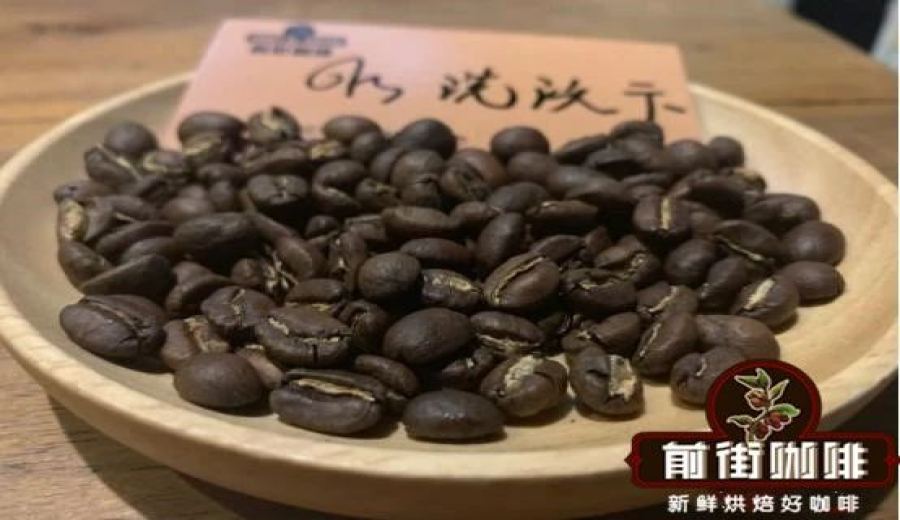
Introduction:An in-depth analysis of the G1 washed coffee beans produced by the Worka Cooperative in Yirgacheffe, Ethiopia. From the geographical terroir of the producing region, the cooperative’s operational model, the washed processing method, to roasting and pour over brewing parameters, this guide will help you master this classic specialty coffee with clear and vibrant flavors. Not only does it provide a detailed introduction to the producing region and processing method, but it also offers practical pour over tips and recommendations, making it perfect for coffee enthusiasts who want to deeply understand the washed Yirgacheffe flavor profile.
Yirgacheffe, as one of Africa’s most representative specialty coffee regions, has long been favored by coffee lovers around the world for its fresh floral notes and bright citrus tones. Among them, the washed G1 batch from the Worka Cooperative showcases the delicate and refined flavor characteristics of the region. This article will break down this highly acclaimed coffee bean step by step — from the growing environment, cooperative background, washed processing flow, green bean grading, roasting curve, to practical pour over suggestions — helping readers go from understanding the green beans to successfully extracting its captivating cup profile.
Yirgacheffe Region: A Coffee Highland with Unique Flavors
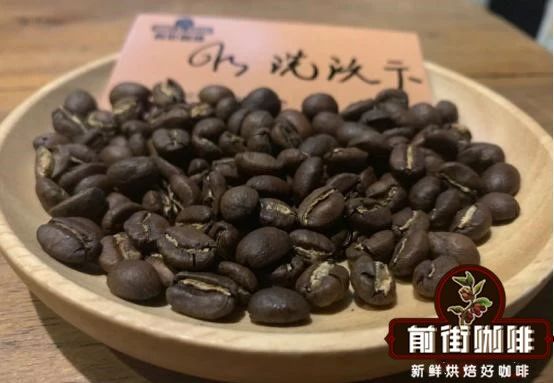
Yirgacheffe was originally a small town in southern Ethiopia, initially part of the Sidamo region. However, due to its unique washed processing technique and distinct floral-citrus notes, it gradually separated from Sidamo to become its own specialty coffee region. Located in the Gedeo zone, downstream of large lakes with abundant springs, the area provides a stable water source for local washed processing. Interestingly, the name “Yirgacheffe” comes from local languages, combining “Yərga” (meaning peaceful) and “Č̣äfe” (meaning swamp or wetland), traditionally interpreted as “let us settle in this wetland.”
Coffee in Yirgacheffe is typically grown at altitudes between 1,800 and 2,000 meters, forming a classic high-altitude garden coffee system. Since most local coffee farmers lack the ability to build their own processing facilities, a model has emerged where centralized processing stations purchase, process, and sell the beans uniformly. These coffees are mostly grown in home gardens or intercropped with other plants. Though each household produces a small yield, this practice preserves rich biodiversity and unique microclimatic influences, resulting in the renowned “Yirgacheffe flavor” — characterized by bright lemon and lime acidity, paired with jasmine floral notes, peach-apricot sweetness, and a soft tea-like body, all contributing to a clean and layered cup profile.
Worka Cooperative: A Local Force Specializing in Washed Processing
This Worka G1 washed coffee is processed by the Worka Cooperative. Established in 2005 and joining the Yirgacheffe Coffee Farmers Cooperative Union (YCFCU) in the same year, it is one of the well-known local cooperatives specializing in both natural and washed processing. Worka is located in the Gedeb region, southeast of Yirgacheffe. In earlier years, most green beans from this area were exported under the name “Worka,” but in recent years, more villages with independently distinctive flavors — such as Banko Gotiti and Banko Dadhato — have been discovered by the market and given independent names. The cooperative currently includes around 300 coffee farmers who, through collective collaboration, improve processing quality and bargaining power.
Washed Processing: The Key Craft Behind a Clean and Bright Cup
The Yirgacheffe region commonly employs the washed processing method (washed process), where coffee cherries are fermented in water tanks for about 72 hours to remove the mucilage layer before drying. The natural acidity produced during fermentation partially seeps into the beans, resulting in a cleaner, brighter coffee flavor with prominent yet refined acidity. Since the pulp and most of the mucilage are removed, washed beans generally do not have the intense fruitiness of natural-processed beans, but they offer a purer and more balanced taste profile. This G1-grade Worka washed coffee has an extremely low defect rate, placing it at the top tier of specialty grade.
Green Bean Grade and Varietal: The Charm of Heirloom
The coffee beans in this lot belong to Ethiopia’s unique “Heirloom” (local landrace variety), which actually encompasses hundreds or even thousands of small-seeded coffee varieties that have not been finely categorized. Due to the diverse growing environments, farmers usually don’t strictly classify the plants but instead collect and send the cherries harvested from their own or neighboring farms to processing stations. These beans are graded based on defect ratios, with washed beans classified into G1 (highest grade) and G2, while natural-processed beans include advanced grades such as G1 and G3. G1 grade requires “zero defects” and delivers high-quality cupping performance, making it a top choice in the specialty coffee market.
Roasting Curve: How to Highlight Bright Acidity and Floral Notes
As this bean is washed-processed at high altitude, its bean structure is relatively hard. It is recommended to use a medium-light roast to preserve its bright acidity and complex floral layers. During roasting, it is advised to start with slightly higher heat. When the bean surface turns yellow (around 5 minutes 30 seconds), reduce the heat and open the air vent to guide the Maillard reaction to unfold smoothly. First crack typically begins around 186°C. It is suggested to lower the heat in advance to prevent over-roasting, and continue roasting for about 1 minute and 40 seconds after first crack, dropping the beans around 194°C. Proper control of heat and drying time is key to showcasing the bean’s delicate sweetness, citrus notes, and floral tones.
Pour Over Suggestions: Unleashing the Soul of Yirgacheffe
This Worka G1 washed coffee is best presented with a medium-light roast. It is recommended to use water at 91–93°C for pour over to fully bring out its fruity tones and refined acidity. The grind size is suggested to be similar to that of fine sugar (such as EK43s at setting 10), or using a 20-mesh standard sieve with approximately 80% extraction rate. A V60 filter cone is recommended, with a 1:15 coffee-to-water ratio and 15 grams of coffee. For brewing, you can use the classic three-pour method: begin with 30 grams of water for a 30-second bloom, then pour 95 grams (reaching a total of about 125 grams), and when the water level drops to two-thirds of the coffee bed, add another 100 grams (reaching a total of about 225 grams). The total extraction time should be controlled around 2 minutes and 10 seconds. Such parameters achieve a balance of sweet and acidic flavors, highlight citrus and floral notes, and deliver a smooth tea-like aftertaste.
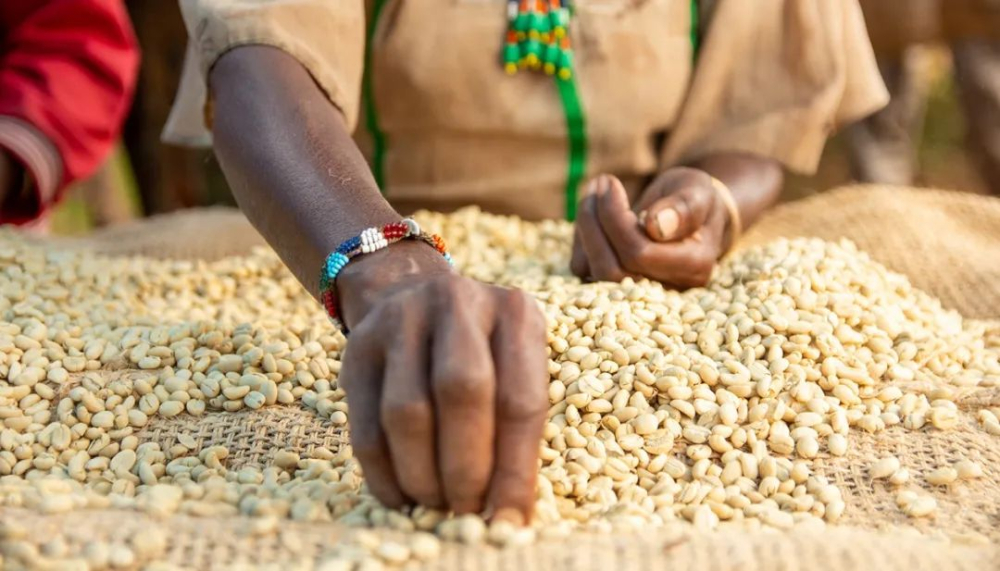
In summary, the G1 washed coffee from the Worka Cooperative in Yirgacheffe is a classic specialty bean that fully showcases the advantages of high-altitude cultivation in Ethiopia. Whether it’s the regional terroir, processing technique, or subsequent roasting and brewing steps, every stage influences the final flavor. We hope this comprehensive analysis helps you not only get to know this coffee bean, but also experience the unique freshness and layering of Yirgacheffe during your pour over brewing.
The above content is compiled by CoffeeHunters, a coffee news website.


