








Introduction:As an important coffee-producing region in Asia, Indonesia is globally renowned for its bold and richly flavored Mandheling. This article delves into the characteristics of the three major producing regions — Sumatra, Java, and Sulawesi — explores the origins of the name "Mandheling" and how to identify premium PWN Golden Mandheling, and provides a detailed explanation of unique processing methods such as wet hulling. Whether you're a coffee novice or an advanced enthusiast, you’ll gain key insights into selection and tasting, uncovering the diverse charm of Indonesian coffee.
Indonesia is a globally recognized Asian coffee producer, famed for its bold, bittersweet flavors with herbal and dark chocolate notes. From the classic Mandheling of Sumatra to the specialty beans of Java and Sulawesi, this archipelagic nation’s coffee culture is rich in history and regional character. This article will take you deep into Indonesia’s three representative producing regions, explain the origin of the name "Mandheling," teach you how to identify top-tier PWN Golden Mandheling, and detail special processing methods like wet hulling and honey processing. Whether you prefer strong flavors or want to explore the diverse profiles of Indonesian specialty coffee, you'll find recommended options worth savoring.

The history of coffee cultivation in Indonesia dates back to the 17th century, when Dutch colonists introduced coffee trees to Java, laying the foundation for the industry. However, the coffee leaf rust epidemic of 1877 destroyed most Arabica varieties, leading to Robusta becoming the dominant crop. Today, about 6%–10% of Indonesia’s coffee is Arabica, with the three major islands of Sumatra, Java, and Sulawesi each producing distinctly flavored representative coffees. Sumatra is known for Mandheling, with its soft acidity and prominent, rich aroma; Java produces Arabica beans with a unique tropical character; and Sulawesi is celebrated for its bold beans and intense aromas.
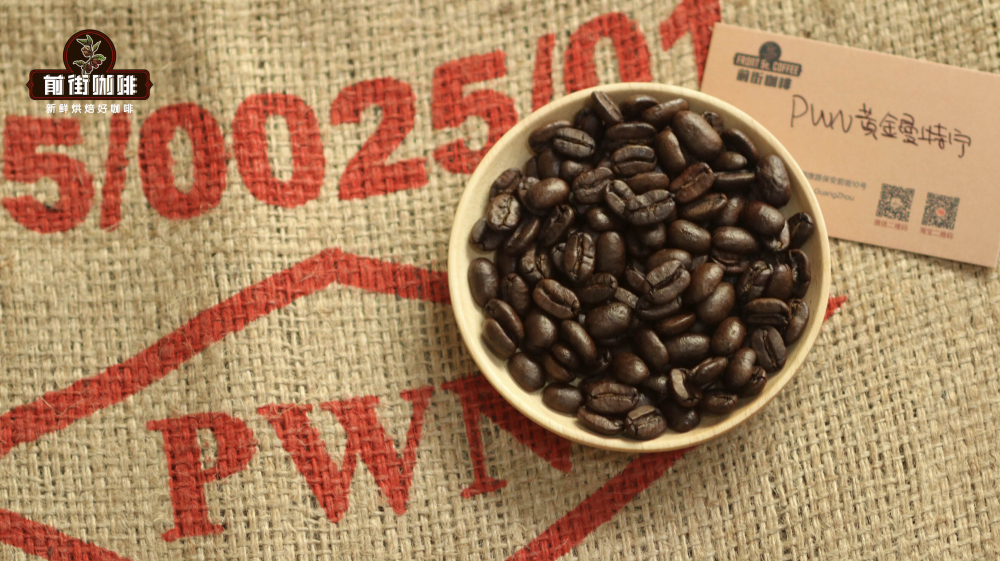
When it comes to Indonesian coffee brands, many people first think of a well-known brand’s PWN Golden Mandheling. This coffee is grown in the Gayo Mountains of Aceh, Sumatra, at elevations between 1100–1600 meters, using the Ateng variety (Indonesia’s term for Catimor). It is graded G1 and hand-sorted three times, processed using the traditional wet hulling method. Ateng is actually a hybrid descendant of Robusta and Arabica, well-suited to the high-altitude environment of Aceh, and delivers a deep, vibrant, and bold flavor. These coffee trees are mostly cultivated by smallholder farmers in shaded environments in the Gayo Mountains, around the towns of Takegon and Lake Tawar, contributing to a unique terroir-driven taste.
There’s an interesting history behind the name "Mandheling." Originally, "Mandheling" referred to an ethnic group in Indonesia, not a coffee variety. During World War II, Japanese soldiers brought high-quality coffee they tasted in Indonesia back to Japan, but due to commercial confidentiality, the source could not be disclosed. A local supplier casually referred to it as "Mandheling," and the name unexpectedly became synonymous with this Sumatran coffee. Interestingly, PWN Company (Pwani Coffee Company) was the first to export this coffee to Japan, which is why the market often assumes that only PWN-produced Mandheling can be called "Golden Mandheling."
How can you identify authentic PWN Golden Mandheling? Due to the impact of the pandemic, shipping resources from Indonesia to China have been tight recently, and the arrival of the new season’s Golden Mandheling has been delayed by about a month. Compared to regular Mandheling, PWN Golden Mandheling offers a stronger aftertaste and sweet caramel-like aroma. Because PWN’s annual production is limited, many products on the market labeled as "Golden Mandheling" are not genuinely from PWN. Consumers are advised to ask sellers for the PWN green bean sack or accompanying certification documents to verify authenticity. Genuine PWN Golden Mandheling is graded G1, with beans over eighteen mesh, fewer than three defective beans per 300g sample, a deep green color, and a uniform shape. After four rounds of strict screening, this coffee not only lacks the earthy off-flavors common in regular Mandheling, but also features a cleaner, brighter aroma and more pronounced sweetness.
One of the most distinctive processing methods in Indonesian coffee is wet hulling, a technique closely tied to Sumatra’s climate conditions. Due to frequent rain and typhoons, sun drying is difficult, and economic constraints make traditional washed processing too costly, leading to the development of wet hulling. This method involves two stages: first, a wooden pulper removes the skin and pulp, followed by about three hours of fermentation and initial drying to reduce moisture content to 30–50%, a semi-dry state; next, the mucilage and parchment layers are removed, and the beans are further dried to 12–13% moisture, taking 2–4 days in total. Wet hulling gives Mandheling coffee its unique deep, bold flavor and intense aroma — one of the key factors behind its global popularity.
The West Java region is located in the western part of Java Island and features a tropical rainforest climate, hot and humid year-round, with higher temperatures in the northern plains and cooler conditions in the mountainous areas. The soil here is extremely fertile, nourished periodically by volcanic ash, making it ideal for coffee cultivation. A well-known brand’s West Java Amanie coffee beans are grown at elevations of 1400–1600 meters on Mount Tugu Raja, using the S795 variety and a honey sun-dried processing method. S795 is a historic hybrid variety, resulting from multiple crosses between India’s S288 and Typica, and boasts rich tropical fruit aromas. Honey processing is relatively rare in Indonesia, but local farmers carefully control the drying process to leave the beans with a sticky, honey-like mucilage layer, imparting complex sweetness and fruity notes — especially prominent mango and jackfruit flavors — along with subtle hints of red wine.
Sulawesi (formerly known as Celebes) is one of Indonesia’s oldest islands, and its coffee is primarily produced in the Toraja region of South Sulawesi. The coffee is grown on rugged slopes at around 1200 meters above sea level, with an annual output of only about 1000 metric tons and a yield of approximately 300 kilograms per hectare, making it a rare specialty bean. The semi-washed processing method used here involves soaking the coffee cherries in water basins, then fermenting them in plastic bags before drying them with the parchment layer until the moisture content reaches 11–13%. This method preserves the coffee’s floral characteristics, delivering gentle acidity and a lingering ripe grape finish, with a clean and solid mouthfeel. In the latter part, a rich caramel sweetness emerges — a typical flavor profile of Sulawesi coffee.
The above content is compiled by CoffeeHunters, a coffee news website.


