







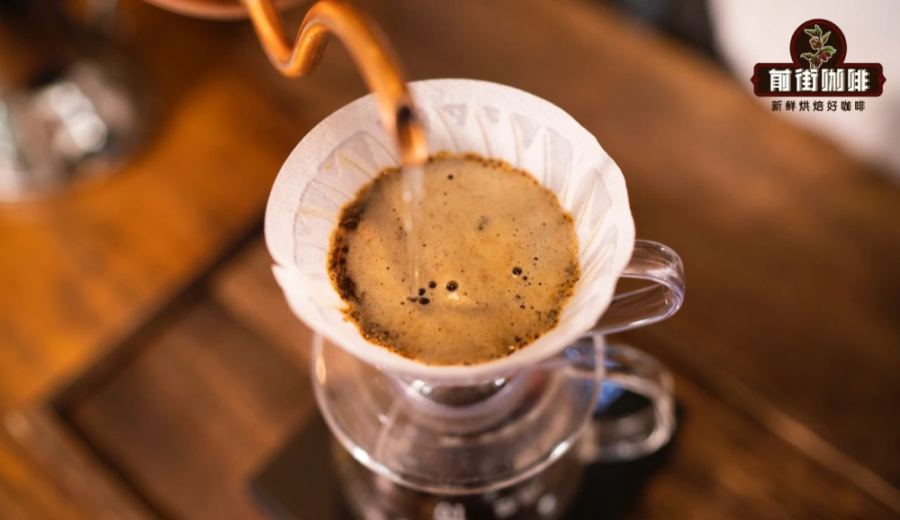
Introduction:The French press and Moka pot are popular starting points for many home coffee enthusiasts. Both are easy to use but offer distinctly different flavor experiences. The former extracts rich sweetness through immersion, while the latter uses pressure to brew a bold and intense cup. This article delves into the design principles, optimal grind sizes, and coffee-to-water ratios of both devices, providing detailed step-by-step instructions. Special attention is given to addressing the common issue of Moka pot bottom scorching, with practical solutions on water temperature control and heating techniques to help you brew consistently flavorful coffee at home.
Among the many home coffee brewing tools, the French press and Moka pot stand out as top choices for beginners due to their simplicity and unique flavor profiles. Though both are beginner-friendly, their brewing methods, suitable beans, and final cup characteristics vary greatly. The French press extracts natural oils and aromas through prolonged immersion, delivering a smooth cup with pronounced sweetness. In contrast, the Moka pot utilizes steam pressure for a quick, intense extraction, resulting in a rich and thick brew ideal for those who prefer a bolder taste. This article will compare the features of both devices in detail, covering everything from bean selection and grind size to coffee-to-water ratios and actual brewing steps. It also offers targeted advice on controlling water temperature and heating methods to prevent common Moka pot issues like bottom scorching, along with tips on creating diverse flavor profiles using these brewers.
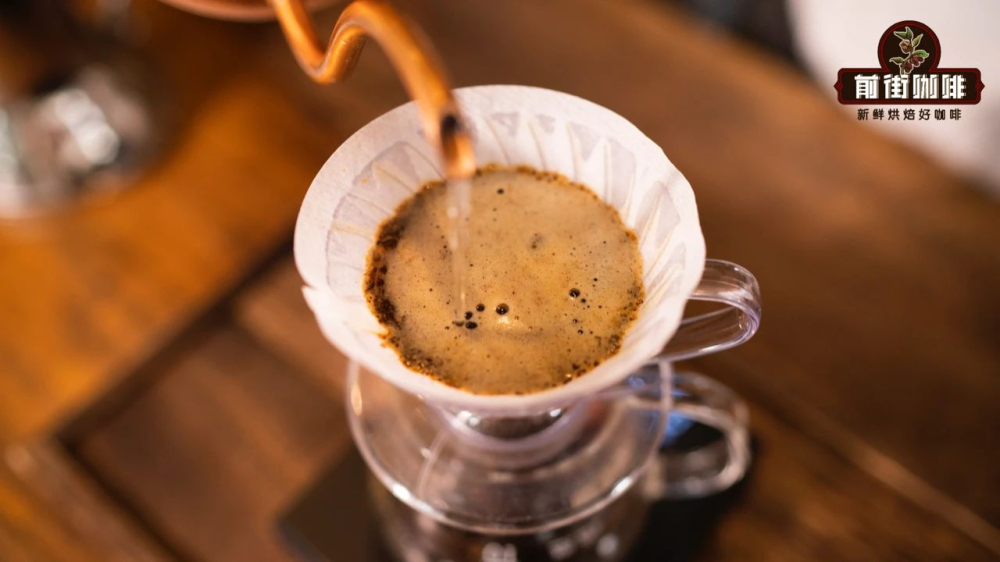
Beyond common pour over and espresso machines, the market offers a variety of coffee brewing options such as the French press and Moka pot. Today, let’s take an in-depth look at these two classic and user-friendly devices—exploring the types of coffee flavors they’re best suited for and how to use them properly to achieve optimal results.
The French press, commonly known in English as a French Press or French-style press filter. This device, which originated in the mid-19th century, has a very simple structure, mainly consisting of a heat-resistant glass carafe and a plunger connected to a metal filter. Thanks to its intuitive operation, ease of use, and ability to fully preserve the original flavors of coffee beans, it has long been a favorite among coffee enthusiasts. In fact, the French press brewing method is similar to professional cupping, capable of fully extracting the oils, aromas, and diverse flavor compounds in coffee. The resulting brew is typically smooth, sweet, and moderately concentrated—making it highly suitable for everyday home use.
When brewing with a French press, it’s recommended to start with single-origin coffee beans. If you prefer bright fruity acidity and floral notes, opt for medium to light roasted beans, such as those with a distinct sweet strawberry candy flavor. For those who enjoy a bold cup with earthy and woody undertones, medium to dark roasted options like Golden Mandheling would be a great match.
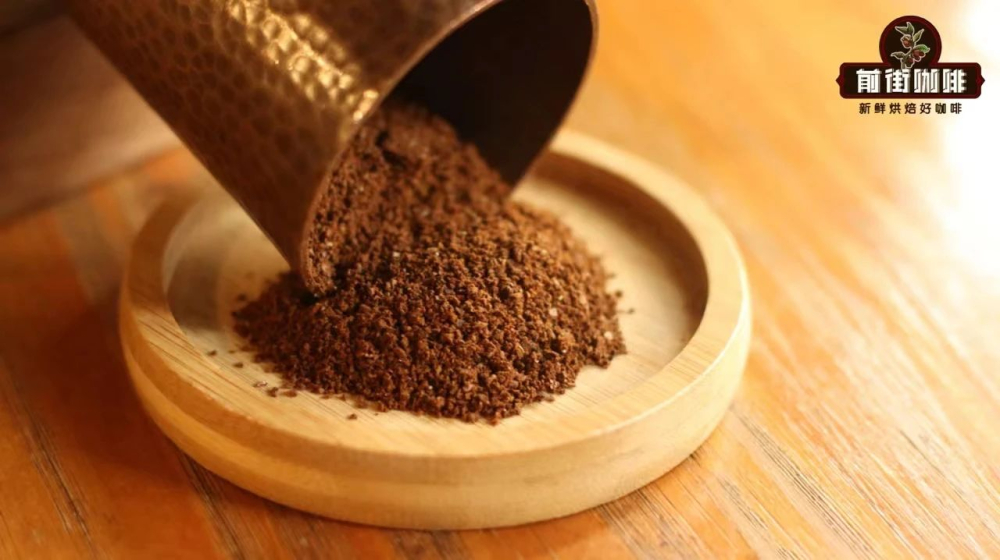
In terms of specific operation, it’s advised to use at least 20 grams of coffee grounds, ground to a medium-coarse consistency, roughly between levels 5 to 6. Grinding too fine can lead not only to over-extraction and bitterness but also potential leakage through the metal filter, affecting clarity. Based on experience, a coffee-to-water ratio of 1:10 is a good starting point—for example, 20 grams of coffee with 200 grams of hot water—then adjust according to personal taste. The steeping time should be kept between 3 to 4 minutes. There’s no need to rush pressing the plunger; allowing the coffee grounds and water ample time to interact ensures full flavor extraction.
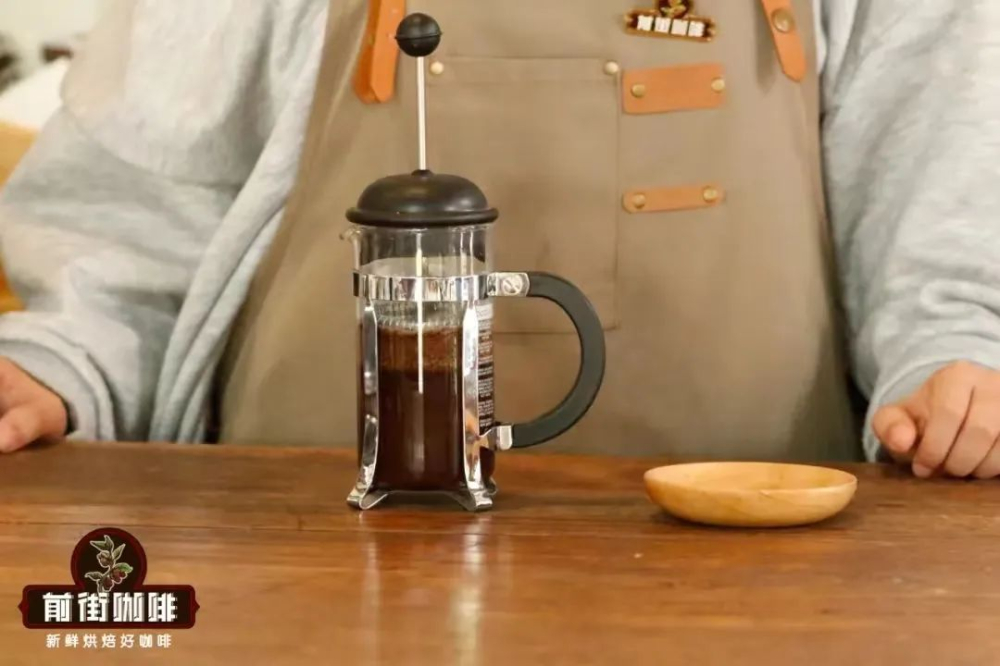
Here’s the step-by-step process: First, add the ground coffee to the carafe and pour in approximately 93°C hot water, gently stirring to ensure even saturation. Then, place the lid on and let the plunger rest at the top for about 4 minutes. Before pressing down, slightly open the lid and skim off any foam or fine particles on the surface with a spoon, then slowly press the plunger to the bottom. After brewing, it’s best to immediately transfer the coffee to another insulated container to avoid over-extraction from continued steeping, then pour and enjoy.
When using a French press, it’s advisable to have a digital scale on hand to accurately measure the coffee-to-water ratio, as differences in bean density can affect actual quantities. Additionally, always use fresh, clean, and soft water to avoid flavor interference from hard water. Press down slowly—too forceful a motion may over-extract residual compounds, leading to unwanted bitterness. For variety, the French press can also be used to froth milk, creating fine milk foam that adds a creamy texture to your coffee.
The Moka pot, known in English as a Moka Pot, is a traditional brewing device that uses steam pressure for extraction. Its design consists of three main parts: the upper chamber, the funnel (or coffee chamber), and the lower base. Water is placed in the lower base, finely ground coffee in the funnel, and the upper chamber collects the final concentrated brew. As the lower base heats up, steam pressure pushes the water upward through the coffee layer, producing a rich and bold coffee.
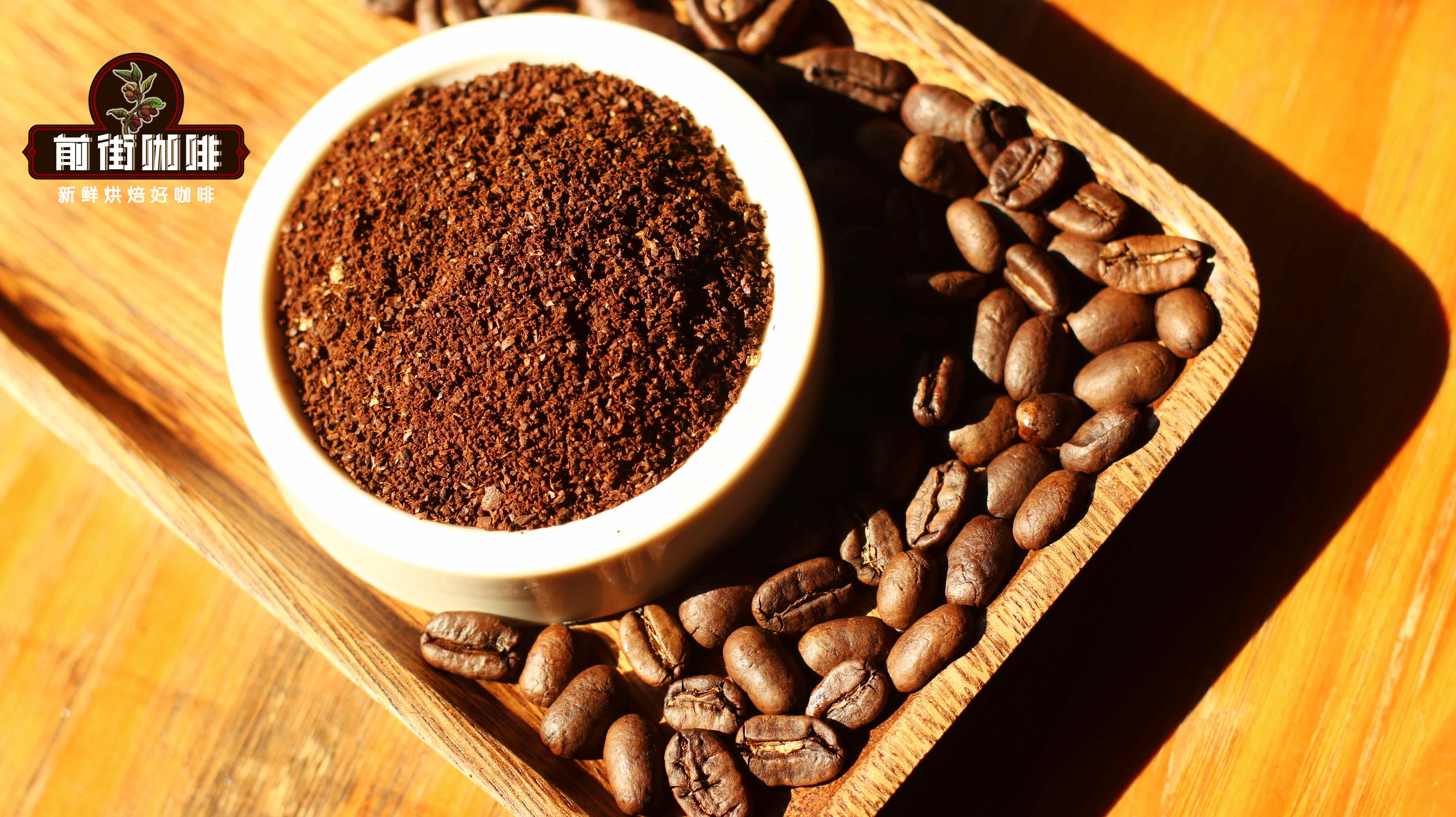
The flavor profile of Moka pot brews is typically strong and intense, so it’s recommended to use medium to dark roasted beans to highlight bold and layered taste characteristics. For first-time users, stable and reliable classic blends—or those with nutty and chocolatey notes, such as Brazilian beans offering flavors reminiscent of roasted peanuts, cream, toasted bread, and sugarcane—can be great choices.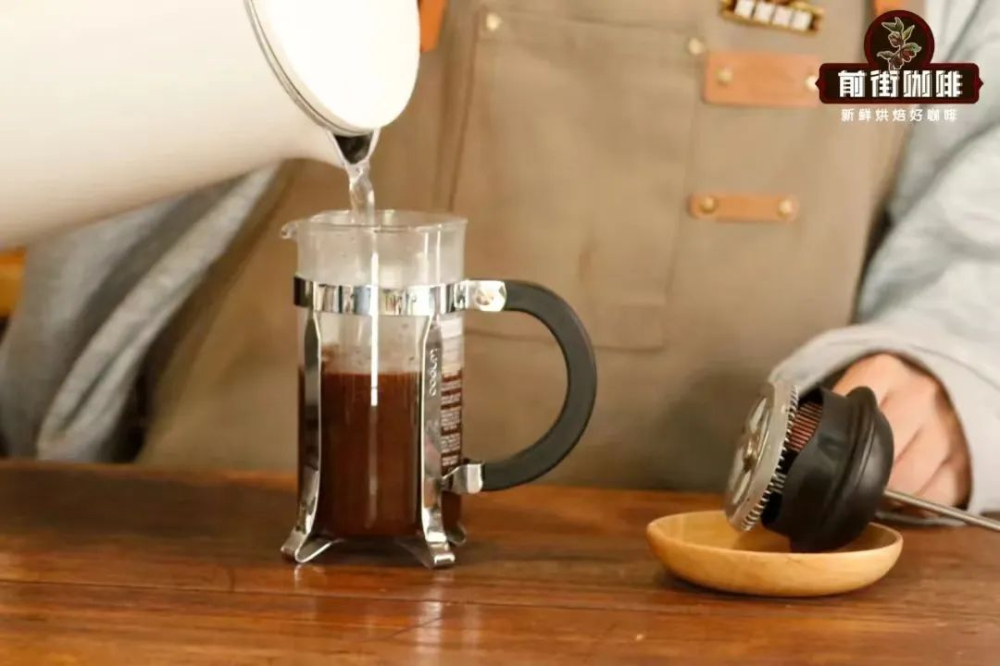
Here’s the step-by-step brewing process: First, pour clean, fresh water into the lower base, keeping the water level about 0.5 cm below the safety valve. This helps shorten brewing time and prevents scorching the coffee grounds due to excessive heat. Next, add coffee grounds to the funnel using a grind slightly coarser than espresso, gently tap to level the bed, and use a distribution tool to smooth the surface. Place the funnel into the lower base, assemble the upper and lower chambers, and tighten securely. Then place the Moka pot on a stovetop (preferably a stove with low-medium heat control) and heat over high flame.
When the Moka pot starts making a distinct “wuu wuu” sound, it indicates that pressure is building up. At this point, reduce the heat to low and open the upper chamber lid to monitor the extraction. Once about half of the coffee has flowed into the upper chamber, turn off the heat and let the remaining brew finish extracting using residual heat and pressure. Once all the coffee has been extracted, pour it into your cup. To adjust the flavor, you can mix it with an equal amount of hot water to make a Moka pot Americano, highlighting nutty and cocoa notes. Alternatively, replace the water with warm milk to create a smooth and rich Moka pot latte.
The above content is compiled by CoffeeHunters, a coffee news website.


