







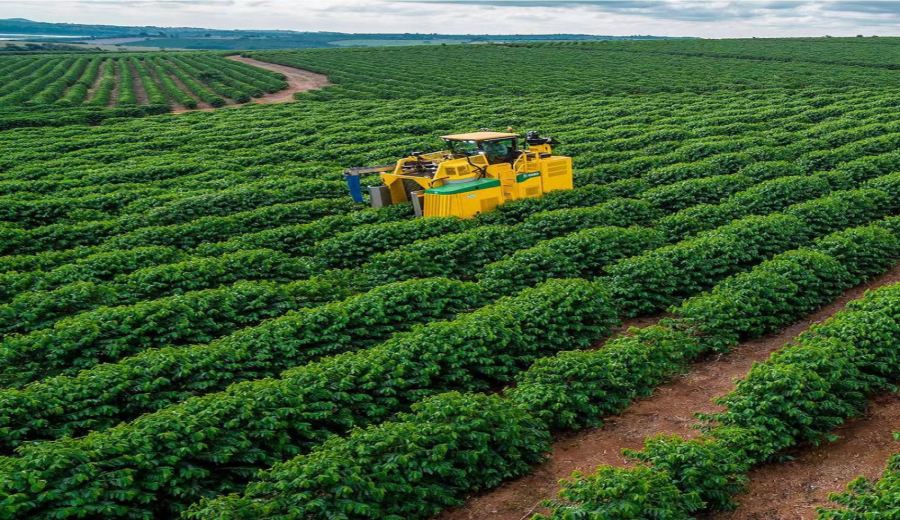
Introduction:Delve into the geographical advantages and climatic characteristics of Brazil’s Cerrado region, and explore how its coffee beans exhibit the unique charm of low acidity, full body, and flavors of nuts and chocolate. Practical pour over brewing tips are also provided, including the selection of the Kono dripper, water temperature, grind size, and brew ratio, helping coffee enthusiasts brew smooth, layered Brazilian pour overs at home.
Brazil has long ranked first in global coffee production, with its exceptional geography and climate fostering numerous high-quality coffee regions. Among them, Cerrado is renowned for its stable and distinctively flavored beans. This highland area located in central Brazil, with its vast tropical savanna climate and plateau terrain, produces coffee with low acidity, full body, and aromatic notes of nuts and chocolate.
The Cerrado region spans multiple provinces in central Brazil, covering an area of approximately two million square kilometers, making it one of the largest tropical savannas in South America. Compared to the humid and hot Amazon rainforest in northern Brazil, Cerrado’s plateau climate is dry and stable, with significant day-night temperature variations. Coupled with an average altitude of around 1,000 meters, it provides an ideal environment for coffee cultivation. The region’s fertile, mineral-rich soil helps coffee cherries accumulate abundant flavor compounds.
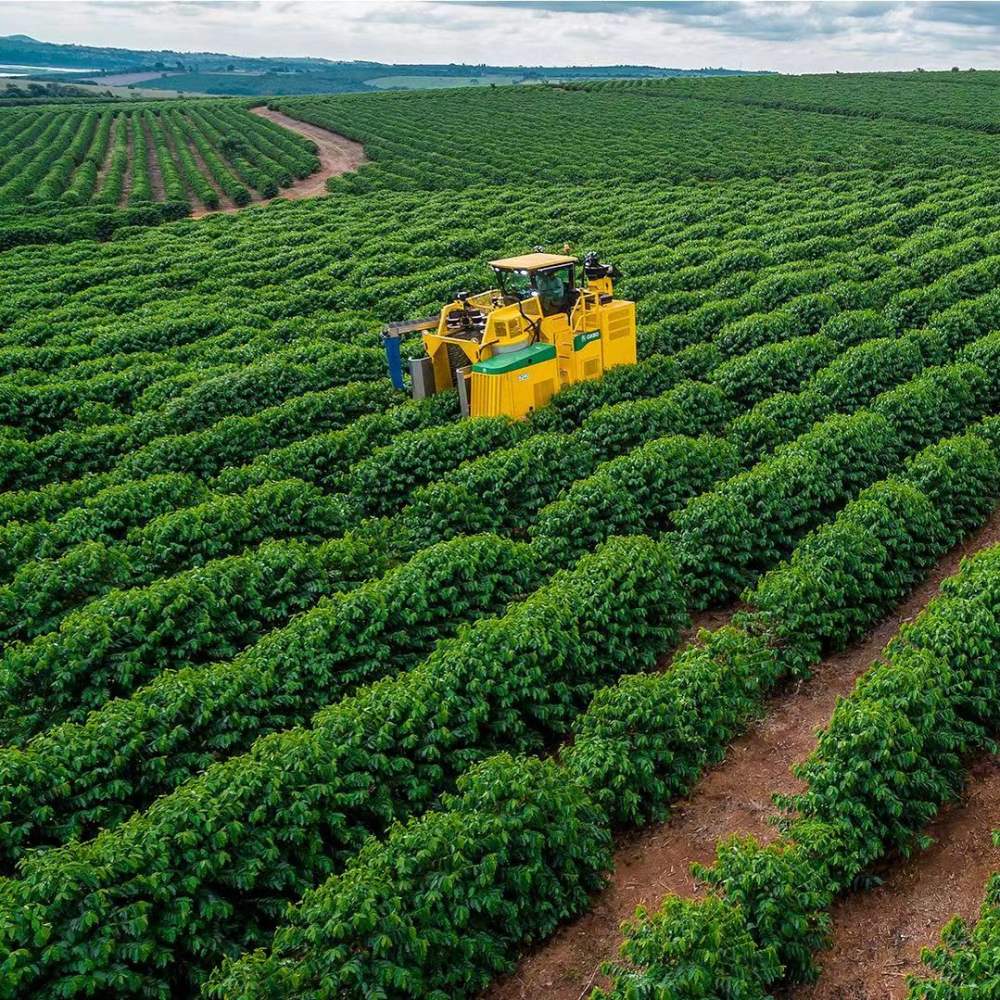
In terms of processing methods, the Cerrado region predominantly uses washed or semi-washed processes, resulting in clean and bright green beans. The aftertaste often carries a hint of genmaicha-like aroma, along with soft nutty and creamy sweetness. This flavor profile makes Cerrado coffee a highly cost-effective choice for many pour over enthusiasts, especially suitable for daily drinking or as a base for blends.
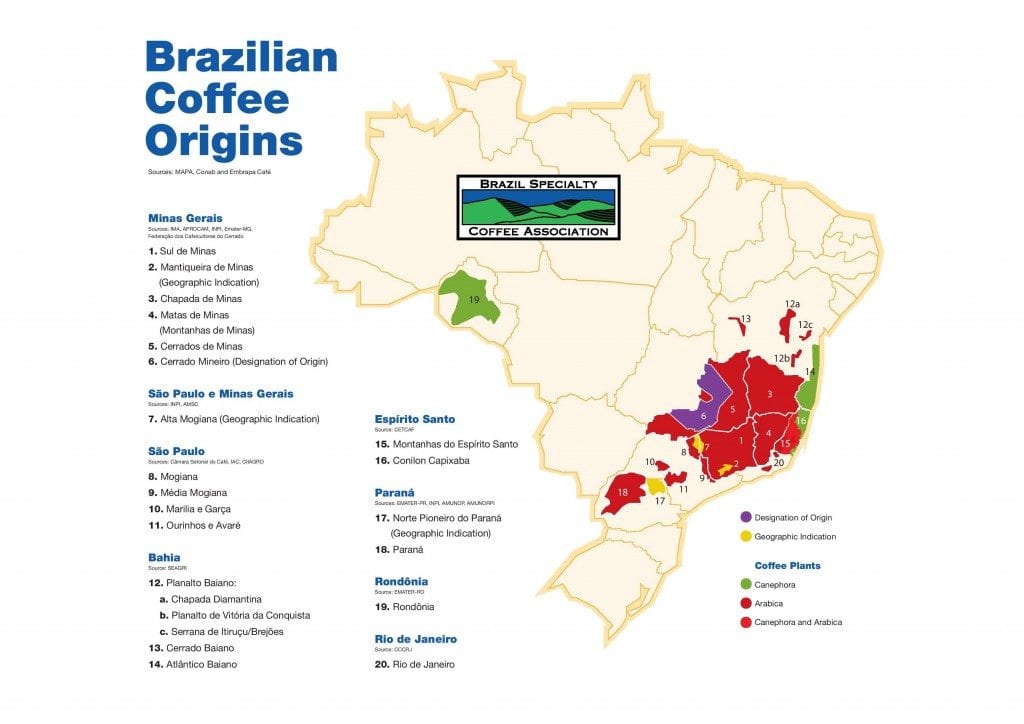
A deeper look into Brazil’s coffee map reveals that its major producing regions are concentrated in the central-southern part of the country, including well-known areas such as Sul de Minas, Minas Mountains, Cerrado, and Mogiana. Among these, Sul de Minas and Cerrado not only boast large outputs but also play a key role in shaping Brazil’s international coffee image. Particularly in Sul de Minas, its distinct wet and dry seasons help coffee cherries ripen evenly, although the previously high iron content in the soil once posed challenges to plant nutrient absorption. Thanks to the government’s introduction of scientific soil improvement techniques, the health and yield of coffee plants have now significantly improved.
When it comes to representative coffee varieties in Brazil, Typica, introduced in the early days, has long exited the mainstream stage due to its low yield and susceptibility to disease. The Bourbon variety, introduced from the island of Bourbon in 1869, quickly became a mainstay thanks to its higher productivity and good adaptability. Subsequent varieties derived from it, such as Caturra, Mundo Novo, Catuai, and Maragogype, have all become important coffee varieties in Brazil today. Currently, the most notable ones on the market include Bourbon, Catuai, Mundo Novo, and Yellow Bourbon, which features distinct citrus and honey notes.
Take the Yellow Bourbon from Fazenda Rainha in the Mogiana region as an example. This estate covers a planting area of over 280 hectares, with about 200 hectares dedicated to the Yellow Bourbon variety. Benefiting from its high altitude (1,400–1,950 meters) and favorable microclimate, this coffee is typically processed using the natural method, showcasing rich caramel sweetness and fruity aftertastes, with soft acidity and mild fermented notes. It is well-suited for medium-light to medium roasts, which can fully highlight its unique aromatic layers.
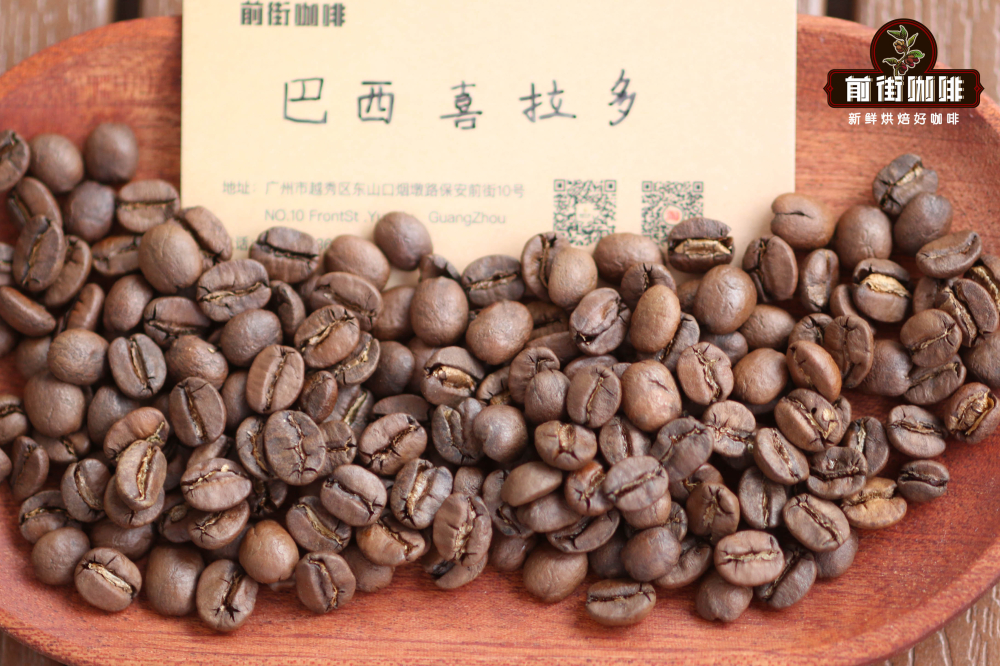
For coffee beans like those from Cerrado or Fazenda Rainha’s Yellow Bourbon—known for their full body and low acidity—it is recommended to use a medium-dark roast to enhance their nutty and chocolatey profiles while reducing potential astringency and unpleasant acidity. In actual pour over brewing, selecting the right dripper and precisely controlling extraction parameters are key to a successful cup.
Based on practical brewing experience, using the Kono dripper to extract Brazilian coffee can effectively enhance body and roundness in the mouthfeel. The design of the Kono dripper differs from the common V60; its internal ridges are noticeably shorter, making it almost impossible to form a distinct channeling effect. During pouring, the air pressure at the top edge of the dripper causes the filter paper to tightly adhere to the dripper walls, naturally slowing down the water flow rate. This extends the contact time between coffee grounds and hot water, extracting more body and sweetness, making it very suitable for medium-dark roasted Brazilian beans.
Specific pour over parameter suggestions are as follows: control the water temperature at88°C, to avoid excessively high temperatures causing over-extraction, which may bring out unwanted off-flavors or bitterness. Use15 grams of coffee grounds, with a1:15 brew ratio(i.e., total water volume of 225 milliliters). The recommended grind size ismedium-coarse, approximately equivalent to a 20-mesh Chinese standard sieve passing rate of70%. This combination balances flavor release, avoids sharp acidity, and highlights the layers of nuts, chocolate, and subtle caramel.
Additionally, it is recommended to use a pulse pouring method during brewing—start with a center circle pour until about half the water volume is added, allow for a brief bloom, then gradually expand the pour to complete the full volume. This helps achieve even extraction and reduces channeling effects. If you prefer a smoother and mellower taste, you may also slightly lower the water temperature to 86–87°C to further soften acidity and enhance sweetness.
In summary, Brazilian Cerrado coffee, with its stable output and captivating flavor profile, holds a notable place in the global specialty coffee market. Whether you prefer full-bodied, low-acid flavors or wish to challenge your pour over skills, understanding the regional characteristics, selecting suitable bean varieties, and precisely adjusting pour over parameters will allow you to easily enjoy a silky-smooth, layered Brazilian pour over at home.
The above content is compiled by CoffeeHunters, a coffee news website.


