







Introduction:Why is Arabica coffee always considered the top choice for specialty coffee? In fact, it’s not just a single variety but a large family that includes many branches such as Typica, Bourbon, and Geisha. This article delves into the core differences between Arabica and Robusta, including flavor profiles, disease resistance, growing altitudes, and pricing positioning. It also introduces the bean characteristics and flavor tendencies of major branches, helping you build a foundational understanding of coffee flavors right from the varietal source.
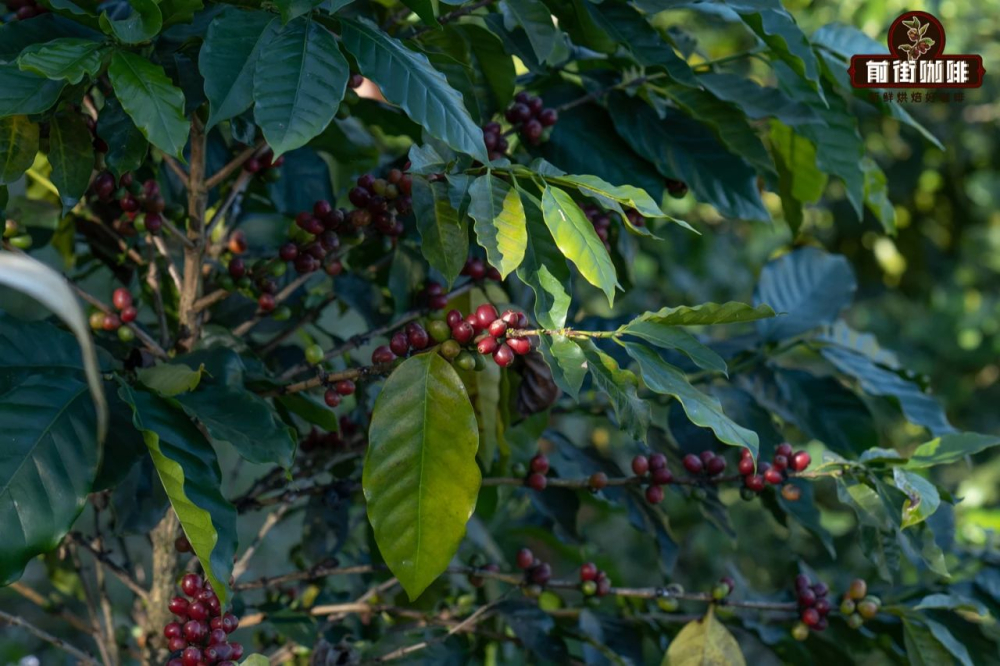
In the global coffee market, Arabica beans account for 70% to 80% of the share, not only because they are mostly grown in high-altitude mountainous regions but also due to their rich flavor layers and delicate aromas, which are generally regarded as hallmarks of high-quality coffee. However, Arabica is not a single pure breed; it includes several subdivisions such as Typica, Bourbon, Geisha, Maragogype, and Pacamara. Each branch differs in appearance, flavor characteristics, and even growing conditions. This article will break down each member of the Arabica family from aspects such as production region distribution, chemical composition, and disease resistance, and compare it with Robusta, giving you a comprehensive grasp of the core differences between these two major coffee varieties.
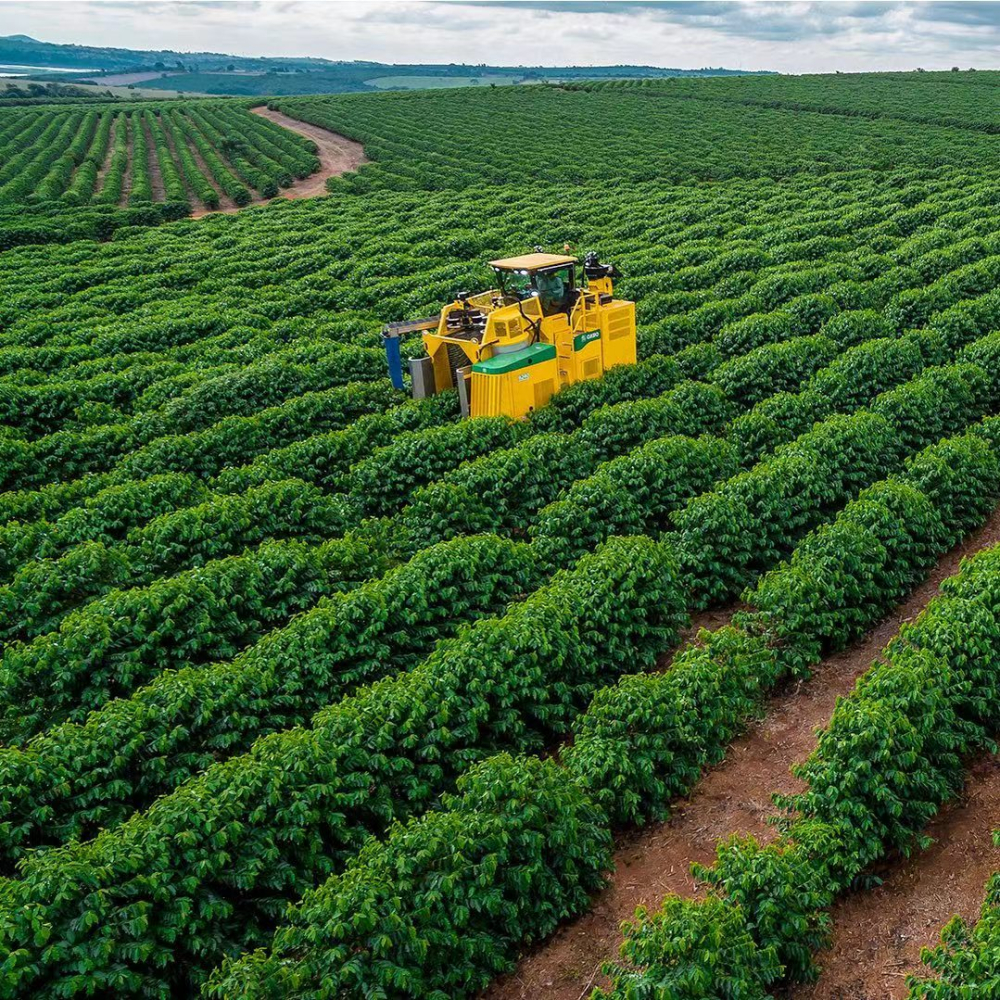
Many consumers often see packaging labeled “100% Arabica” when purchasing coffee. What does this actually mean? Simply put, Arabica is one of the species under the genus Coffea, currently accounting for about 70% to 80% of global coffee production, with main production areas concentrated in volcanic or plateau slopes at altitudes of 500 to 1,500 meters or higher. Compared to other varieties, Arabica beans tend to be oval, slender, and slightly flat, with an S-shaped centerline. They offer a balanced acidity and bitterness, with aromas often featuring soft floral and fruity notes. Brazil is the largest producer, while Colombia grows almost exclusively Arabica.
From a chemical composition analysis, Arabica has a lower caffeine content, ranging from about 0.9% to 1.2%, far less than Robusta; at the same time, its fat content is about 60% higher than Robusta, and its sugar content is twice that of Robusta. These component ratios make Arabica taste smoother, with a noticeable sweetness and fruit acid notes reminiscent of berries and citrus. However, because its chlorogenic acid content (an antioxidant and anti-insect component) is only about 5.5% to 8%, Arabica has weaker resistance to pests and diseases, is more sensitive to climate and environmental changes, requires high-altitude cultivation, has a longer maturation cycle, and yields are relatively lower.
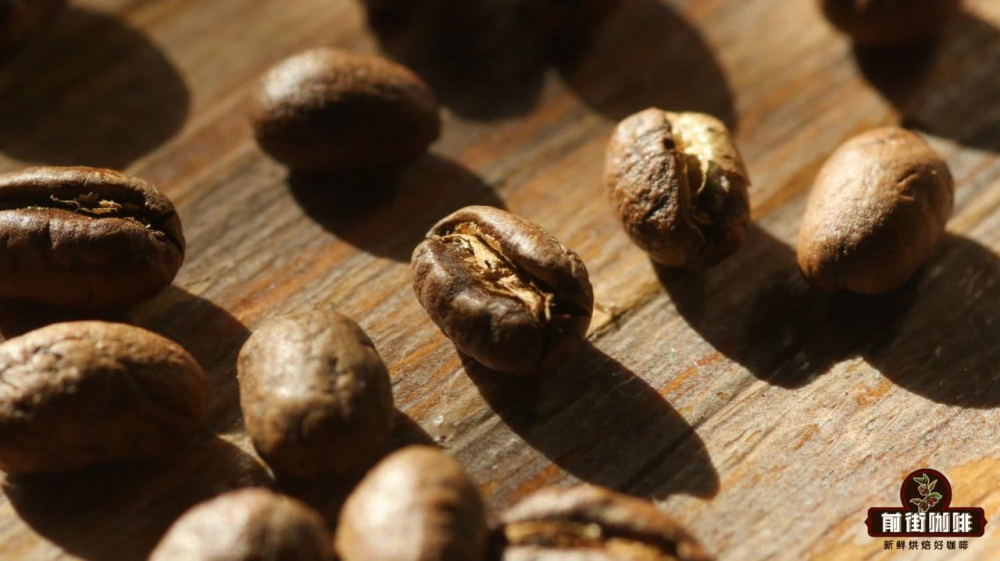
In terms of appearance, the most typical characteristics of Arabica beans are their oval shape, slender and flat form, and the fact that most fruits contain two coffee beans, resulting in one flat side of the bean. However, in some rare cases, a fruit may contain only one coffee bean, known as a peaberry. These beans are usually round and plump in shape, smaller in size—about 14 to 15 mesh—and differ from regular flat beans (17 to 18 mesh). Additionally, common comparison charts of Arabica, Robusta, and Liberica varieties on the market emphasize visual features such as the slender shape and curved centerline of Arabica beans, all of which are helpful identification points when selecting beans.
Under the Arabica umbrella are numerous branch varieties, among which the oldest and most classic is Typica. Typica is regarded as the original representative of Arabica, with slender and flat beans and a clearly S-shaped centerline, resembling an elongated egg in appearance. Its flavor is dominated by clean lemon acidity, with a sweet aftertaste. However, due to its poor resistance to leaf rust, low fruit yield, and the need for harvesting every two years, its production is scarce and cultivation is relatively difficult. It’s worth noting that the wet hulling method commonly used in Indonesia can cause some coffee beans to be compressed and deformed during processing, resulting in a “goat hoof” shape. This is a post-processing change and not directly related to the variety itself.
Maragogype is a natural mutation of Typica, renowned for its unusually large bean size. The beans are long and square, reaching sizes of over 20 mesh—far larger than regular Typica (about 17 to 18 mesh)—and can be called the “giants” among coffee beans. Pacamara, on the other hand, is a hybrid of Pacas and Maragogype, combining the large size of Maragogype with the high yield and adaptability of Pacas. Although slightly smaller than Maragogype, Pacamara still maintains a notably large size, about 70% the size of Maragogype.
Bourbon is also a natural variety of Typica, with its most notable change being the shift from the original long bean shape to a rounder one. The bean size is similar to Typica, but the flavor profile is richer, often featuring wine-like acidity and a distinct sweet aftertaste. Observing the leaves and fruits, Bourbon has wider leaves, denser and smaller coffee cherries, making the beans appear rounder than those of Typica. Bourbon also has several single-gene mutant varieties, such as Yellow Bourbon, Pink Bourbon, Caturra, Pacas, and Villalobos. Most of these varieties inherit the round shape and rich flavor characteristics, with some strains slightly leaning toward a longer shape due to artificial breeding. Additionally, there is a special variant within the Bourbon family—Laurina—which has shorter plants and a caffeine content of only about half that of regular Arabica, making it a representative of naturally low-caffeine coffee.
Finally, we must mention the Geisha variety, which has garnered significant attention in recent years. Geisha was first discovered in 1931 in the Gesha Forest of Ethiopia, then traveled through Kenya, Uganda, Tanzania, and Costa Rica, finally being introduced to Panama in 1970. It wasn’t until 2004, when Panama’s Hacienda La Esmeralda won the BOP international competition with the Geisha variety, that this variety rose to fame. Geisha can be divided into two main types based on appearance: American Geisha (such as those from Hacienda La Esmeralda in Panama) and African Geisha (such as those from Gesha Village in Ethiopia). The former features slender beans with pointed ends and a plump center, with some high-quality Geisha even reaching the size of Pacamara; the latter has a slimmer, smaller bean shape with less distinct features. In terms of flavor, Geisha is known for its citrus acidity, tea-like body, and pronounced floral and fruity aromas. Especially washed Geisha, which often exhibits layers of jasmine, citrus, and honey, is a dream coffee for many enthusiasts.
The above content is compiled by CoffeeHunters, a coffee news website.


