







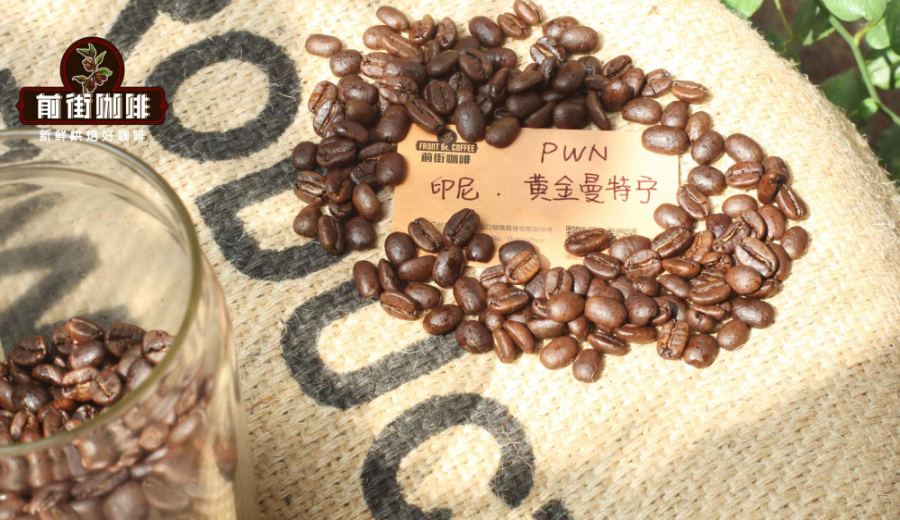
Introduction:Aged Mandheling is renowned for its rich, mellow flavor profile, originating from Indonesia’s Sumatra region and its unique wet-hulling processing method. After undergoing prolonged and proper aging, its flavors transition from sharp to rounded. This article delves into its regional background, the evolution of processing techniques, key aspects of storage and roasting, and offers practical parameters and steps for flannel pour-over brewing, helping coffee enthusiasts master the brewing essentials of this classic bean.
In the high-humidity and rainy environment of Sumatra, Indonesia, a historically significant coffee variety—Mandheling—has been cultivated. In particular, aged Mandheling, after years of maturation, not only retains the deep essence characteristic of Sumatran coffee but also, through wet-hulling processing and careful aging, presents a flavor profile distinctly different from freshly roasted beans.
This article will take you through the regional environment, the origin and practical process of wet-hulling, the core principles of aging and storage, the transformation of green beans during the aging process, adjustments to roast profiles, and all the way to the flannel filter pour-over technique best suited to highlight its traits—offering a comprehensive introduction to this classic Southeast Asian coffee.
Using commonly available Indonesian aged Mandheling as an example, we’ll analyze how its initially wild and raw flavors gradually evolve into a mature expression that is full-bodied, delicate, low in acidity, and richly mellow. We’ll also provide practical brewing parameters so you can brew a layered aged Mandheling at home.
Regional Background and Distribution
As a key coffee-producing region in Indonesia, Sumatra is internationally renowned for its representative Mandheling style. It is mainly divided into two core areas: the Lake Toba and Lintong regions in North Sumatra, and various micro-regions in Aceh including Lake Tawar. These areas are mostly situated at elevations between 1,300 and 1,600 meters, with soils primarily composed of mineral-rich volcanic earth—providing ideal growing conditions for coffee.
Commonly cultivated varieties include Typica, Caturra, and Sidikalang. Under the combined influence of the local unique environment and processing techniques, these varieties form the distinctive herbal, earthy, and spicy layers characteristic of Sumatran coffee.
The Origin and Steps of Wet-Hulling Processing
Wet hulling (known in Indonesia as Giling Basah) is a unique processing method in the Indonesian coffee regions, markedly different from common washed or natural processes. The general workflow is as follows: first, the fruit skin and pulp of the coffee cherry are removed, leaving the mucilage and parchment layer intact; next, the beans are briefly fermented in water tanks to remove residual fruit mucilage, then the mucilage is washed off. The beans, still in their parchment, are sun-dried for 2 to 3 days until their moisture content drops to 20–24%. At this point, the not-yet-fully-dried beans have their parchment layer removed early, and are further dried until the moisture level reaches about 12–13%, before being prepared for export.
This processing method originates from Indonesia’s hot and humid climate, where the lengthy drying times required by traditional washed processing are difficult to achieve. Wet hulling significantly shortens the drying period by removing the parchment early, while effectively reducing the risks of mold or bacterial infection in a moist environment. However, it also introduces certain challenges—for example, early hulling can lead to the formation of so-called "goat hoof" marks (locally called kuku kambing), i.e., small surface defects on the beans. Coupled with the faster drying speed, the defect rate is generally higher, necessitating multiple rounds of manual sorting to maintain quality.
Aging Process and Storage Conditions
Aged Mandheling is not simply about storing green coffee beans for a long time, but rather involves a rigorous storage procedure that allows the beans to naturally mature in specific conditions, usually taking 2 to 3 years. During this period, the acidity of the beans gradually decreases, their color darkens, the bean structure becomes denser, and the mouthfeel turns fuller with a honey-like sweetness. Certain original green bean defects also become less noticeable.
However, the aging process can also accumulate complex odors such as mustiness, leather notes, or jute sack-like scents. Therefore, the storage environment must remain cool, well-ventilated, with regular turning of the beans to ensure even maturation, while avoiding humidity and insect infestation. In practice, aged beans are mostly managed by traders or specialized brokers, rather than directly at the origin.
Roasting and Flavor Transformation
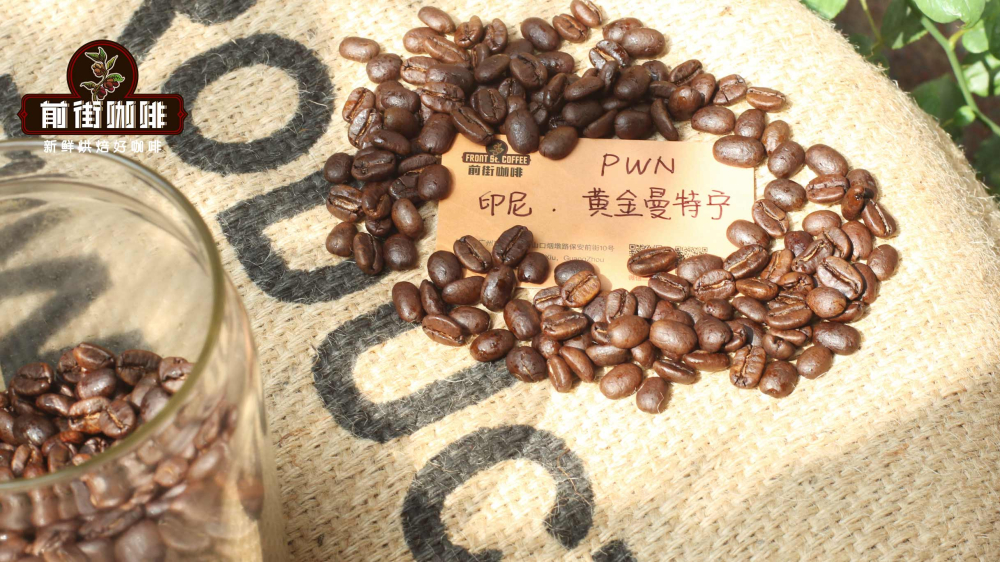
Due to the high density and low moisture content of aged Mandheling green beans, extra care must be taken with heat and temperature control during roasting, especially to avoid high temperatures causing premature oiling or scorching on the bean surface. Taking medium-dark roasts as an example, this stage allows Mandheling to exhibit a rounder mouthfeel and fuller body, with acidity significantly reduced but in exchange, a richer sweetness and deeper spicy finish.
Roasted aged beans need sufficient development time to fully release their layered aromas and flavors. It is recommended to let them rest for several days post-roast before grinding and extraction to achieve optimal performance.
Flannel Filter Pour-Over Brewing Guide
To fully showcase the richness and nuances of aged Mandheling, flannel filter pour-over is a great choice. Its fabric structure retains more fine particles while delivering a mellow mouthfeel and a complete aromatic profile.
In terms of operation, it is recommended to boil a new flannel filter in hot water for about 5 minutes for sterilization; for used filters, boil for at least 3 minutes. Grind size can be referenced between white sugar and fine sugar. For 240 ml of water, use about 40 grams of coffee beans. Before pouring, preheat the flannel filter and equipment with hot water. Then proceed with a center-pouring method in three stages: the first pour of about 60 grams of water within 30 seconds, followed by a 30-second pause; the second pour of 140 grams within 60 seconds; and the final pour of 120 grams within the last 30 seconds, totaling 320 grams of water, with a brew ratio of approximately 1:6. The total extraction time should be controlled to around 3 minutes. It is recommended to enjoy the brew immediately after completion to avoid flavor changes from reheating.
The above content is compiled by CoffeeHunters, a coffee news website.


