







Introduction:The Geisha coffee from Panama's Hacienda Esmeralda has secured its top-tier status in the specialty coffee world with its unique flavors and exceptional quality. This article takes you through the journey of Geisha—from an Ethiopian wild variety to an internationally renowned coffee—and delves into the reasons behind the high price of Hacienda Esmeralda’s Red Label Geisha. We’ll explore its growing environment, grading system, and processing methods, along with expert pour over recommendations and extraction parameters to help you appreciate the layered charm of Geisha.
Geisha coffee is truly a legend in the global specialty coffee scene, and the Geisha produced by Panama’s Hacienda Esmeralda is undoubtedly the brightest star in this legend. This ancient variety, originating from Ethiopia’s Kaffa Forest, remained dormant for decades and was planted in various locations before finally blossoming with its distinctive flavors in Panama’s high-altitude mountain regions. Hacienda Esmeralda not only brought it onto the international stage but also pioneered the Red Label, Green Label, and Blue Label grading system, allowing consumers to choose the right quality of Geisha based on their preferences and budget. This article will detail how Geisha rose from obscurity to become the high-priced phenomenon it is today, analyze why Red Label lots have fetched astronomical prices at auction, and provide practical pour over techniques and suggested parameters.
Walk into any specialty coffee shop, and when a customer specifically asks for "Geisha," it often means they’re seeking the ultimate expression of coffee flavor. In our coffee shop, our selection of Geisha includes well-known origins such as Panama, Ethiopia, and Guatemala—among which the Geisha from Panama’s Hacienda Esmeralda is the most sought after. What makes Panamanian Geisha stand out among so many origins? It’s not just about the variety, but also closely tied to its growing environment, processing techniques, and rigorous grading system.
The story of Geisha dates back to 1931, when researchers discovered this variety in Ethiopia’s Kaffa Forest, naming it after nearby Geisha Mountain. Over the following decades, it was introduced to countries like Kenya, Uganda, Tanzania, and Costa Rica, primarily used as a disease-resistant variety. However, due to its naturally delicate branches, low yield, and a market that prioritized quantity over flavor at the time, it remained largely overlooked.
It wasn’t until the 1960s that Panamanian coffee farms began introducing the Geisha variety, but it still didn’t gain favor due to poor yields and ordinary flavor profiles. The turning point came in the 1990s when the Peterson family purchased the high-altitude Jaramillo farm and noticed that the Geisha trees, under the high altitude and cloud-shaded environment, exhibited resistance to leaf rust. They decided to plant Geisha separately from other varieties and gradually increased the planting altitude—a decision that laid the groundwork for its future remarkable performance.
In 2003, Hacienda Esmeralda conducted its first cupping of Geisha, and the results were astonishing—intense floral aromas, clean acidity, and long-lasting citrus and bergamot aftertastes completely changed people’s perception of this variety. The following year, this coffee won the Best of Panama (BOP) competition, fetching an auction price of $21 per pound, setting a record at the time. In 2018 and 2019, its auction prices soared to $804 and $1,029 per pound respectively, a feat still talked about in the industry today.
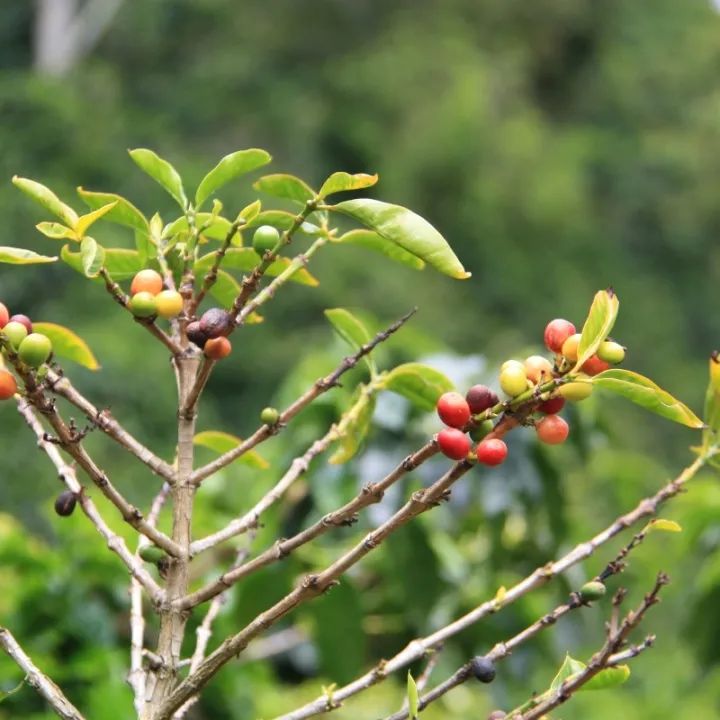
The rarity of Geisha is inseparable from the characteristics of the variety itself. Geisha coffee trees have thinner leaves with lower photosynthesis efficiency and fragile root systems, demanding very high standards for their growing environment. They require high altitudes, nutrient-rich volcanic soil, stable microclimates, and moderate shading to grow healthily and express their unique flavors. Hacienda Esmeralda notes that the farm must plant a large number of shade trees and adhere to traditional pruning techniques, otherwise the Geisha seedlings are highly prone to death. Additionally, the higher the planting altitude, the longer the fruit ripening period and the more complex the flavor profile.
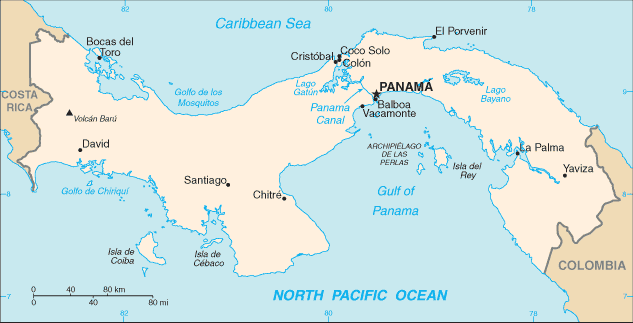
Panama’s geographic and climatic conditions offer an ideal environment for Geisha to thrive. The country’s main coffee-growing regions are concentrated in the western highlands of the Boquete and Volcán areas, both located in Chiriquí Province. These regions feature fertile volcanic soil, high altitudes (around 1800 meters), diverse microclimates, and abundant humid air. The Boquete area, near the Barú Volcano, is characterized by steep terrain, year-round cloud cover, and the biodiversity of the Barú Volcano National Park, creating optimal cultivation conditions. The Volcán region, on the other hand, benefits from the nutrient-rich volcanic soil, often producing coffee beans with richer dried fruit aromas and sweetness.
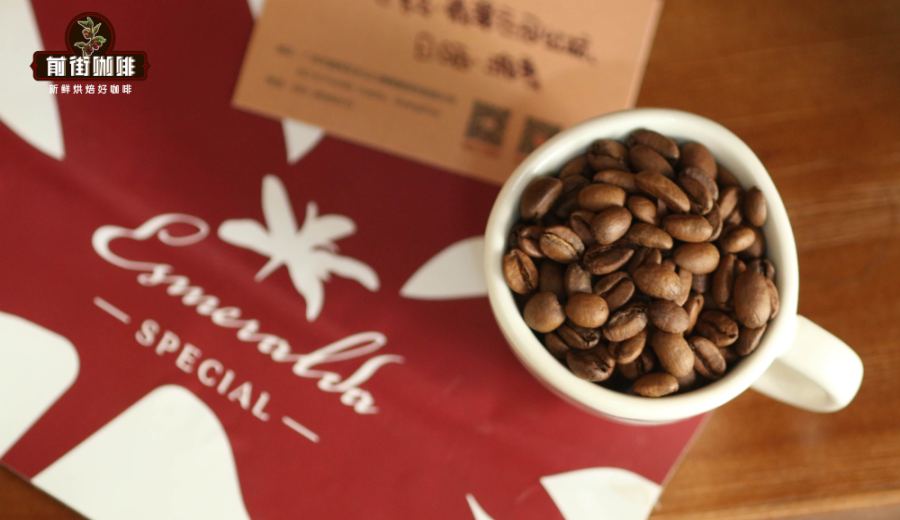
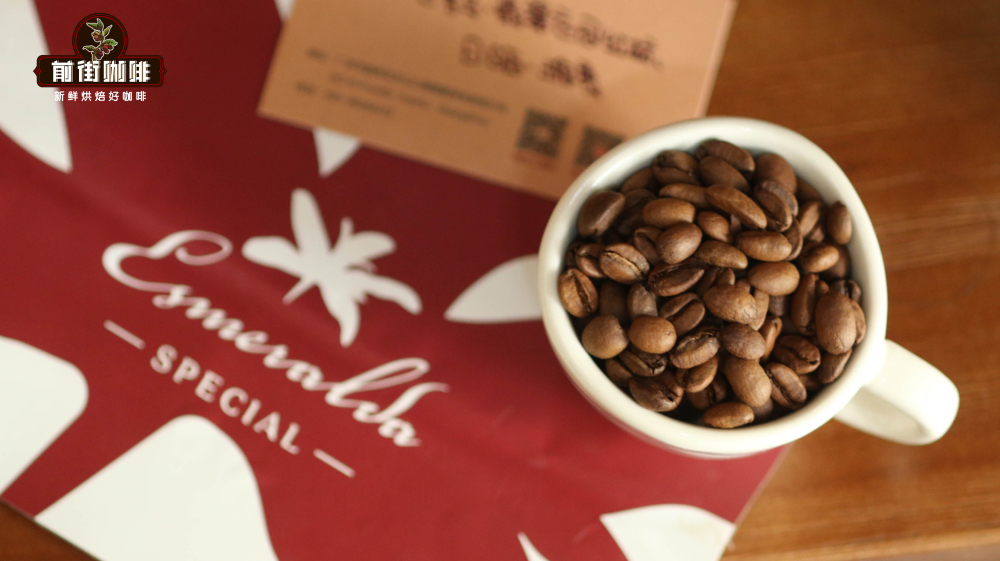
As a pioneer in promoting Geisha, Hacienda Esmeralda excels not only in cultivation but also in establishing a strict grading system that allows consumers to select different grades of Geisha based on their needs. The grading is mainly based on altitude, planting area, and cupping scores, categorized from highest to lowest as: Red Label (ESMERALDA SPECIAL), Green Label (PRIVATE COLLECTION), and Blue Label (formerly Las Rocas Volcanic Geisha). Red Label Geisha is sourced from extremely high-altitude blocks between 1600 and 1800 meters, often scoring over 90 in cuppings. It mainly comes from the Jaramillo and Cañas Verdes plots and is released in limited quantities through auctions.
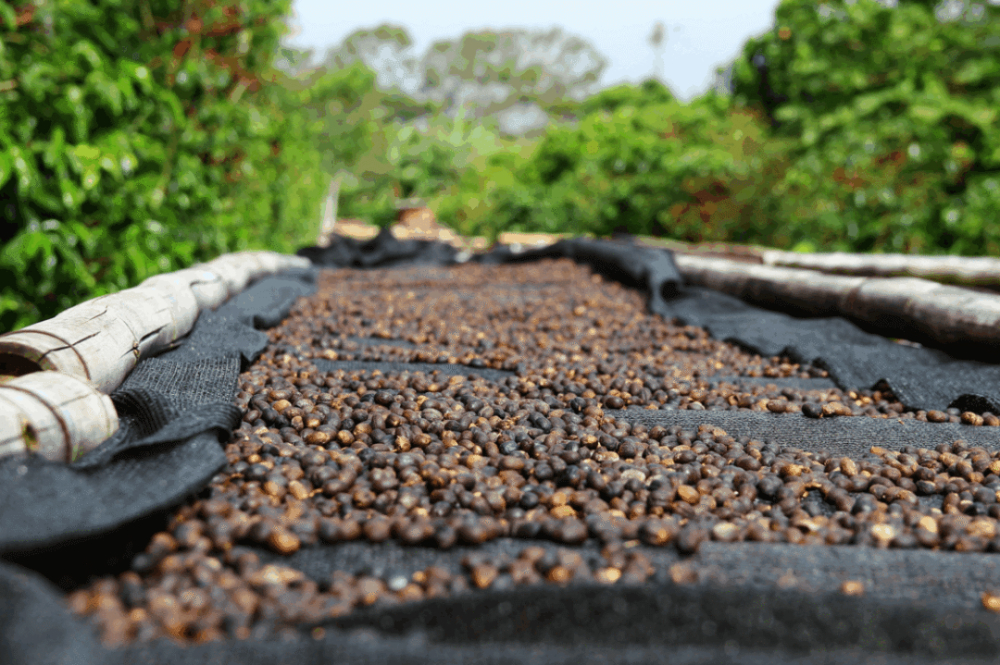
Among the Red Label Geisha, the auction lots are the most highly anticipated. The Peterson family independently auctions specific small plots of Geisha, with each lot having a unique number traceable to its exact planting location. For example, the Mario plot at the Jaramillo farm is a star producing area that has been auctioned multiple times. These Red Label beans are often processed using the natural method, showcasing complex aromas of honey, citrus, rose, cream, and mixed fruits. Green Label Geisha, on the other hand, comes from micro-lots not restricted to specific plots, typically using the washed process, emphasizing a cleaner profile of lemon, berries, and Tieguanyin tea-like flavors—ideal for consumers who prefer a refreshing taste.
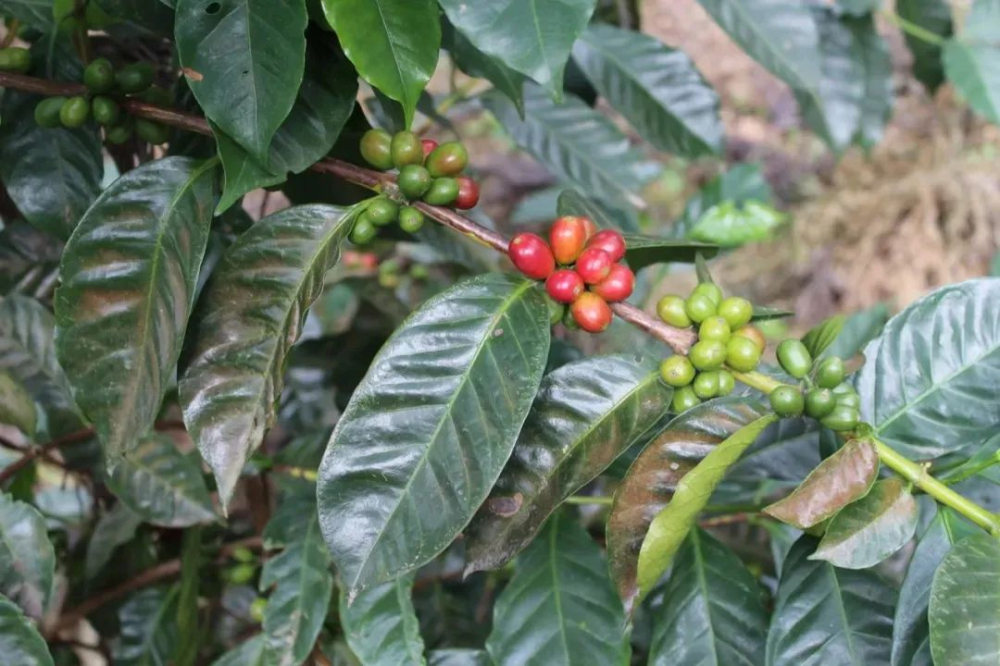
If you want to brew the refined flavors of Hacienda Esmeralda’s Red Label Geisha at home, it’s recommended to use a light to medium roast to preserve its elegant floral notes and bright acidity. For pour over, use water at 92–93°C, paired with a fine grind (approximately the size of granulated sugar) with 80% extraction through a #20 mesh sieve. Due to the dense structure of light-roasted beans, a higher water temperature is needed to unlock the flavors, and a three-stage extraction helps highlight the layers: start with 30g of water for a 30-second bloom, then add 120g of water to raise the coffee bed, and finish with 90g of water for a total brew. The overall coffee-to-water ratio should be around 1:16, with a total brew time of about 2 minutes and 10 seconds. A V60 resin filter is recommended, as its flow rate and airflow design help extend extraction time, bringing out more aromatic complexity and a lingering finish.
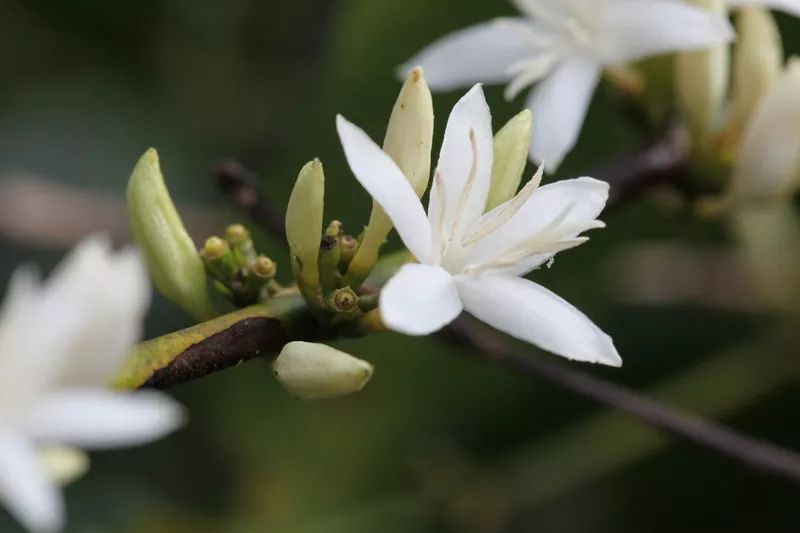
The brewed Red Label Geisha offers a pronounced aroma of rose and citrus acidity, accompanied by notes of strawberry and tropical fruits, with a tea-like, smooth and long-lasting finish reminiscent of black tea. As the temperature cools, the flavor profile continues to evolve, offering a delightful experience worth savoring. Remember, freshly roasted coffee beans (ideally within 5 days) retain the most aroma, and grinding just before brewing ensures the fullest expression of flavor.
The above content is compiled by CoffeeHunters, a coffee news website.


