







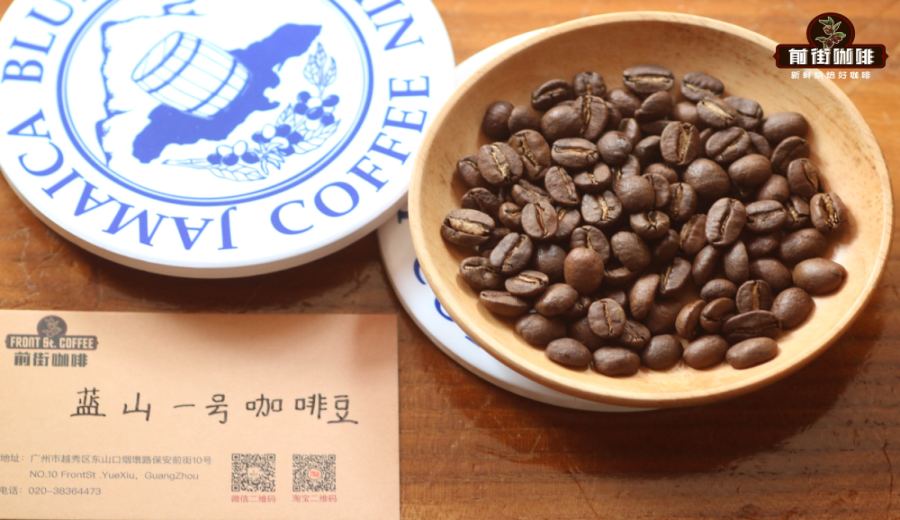
Introduction:Jamaican Blue Mountain coffee is hailed as one of the world’s finest specialty coffees, renowned by coffee enthusiasts for its rare production and unique flavor profile. This article delves into the true origin of Blue Mountain coffee, its three-tier grading system, explores the defect rate and bean size specifications of Blue Mountain No. 1, and teaches you how to identify authentic beans. It also provides practical pour over parameters and a three-stage extraction method for Blue Mountain No. 1, guiding you to fully master the brewing and tasting secrets of this classic coffee.
Jamaican Blue Mountain coffee is the most representative premium specialty coffee from Jamaica. Genuine Blue Mountain beans are grown exclusively in the Blue Mountains at elevations between approximately 910 to 1700 meters, using the traditional Typica variety. Due to its extremely limited production, prices have remained consistently high. In addition to strict controls on growing region and variety, Blue Mountain coffee is further assured of high standards through an official grading system, with Blue Mountain No. 1 being the most esteemed in the market. This article will detail the terroir conditions of Blue Mountain coffee, the logic behind its official grading, introduce the bean size and defect rate standards of Blue Mountain No. 1, and share how to distinguish genuine products. Finally, it will also offer a practical pour over brewing guide to showcase the captivating layers of dark chocolate, nuts, and caramel in Blue Mountain No. 1.
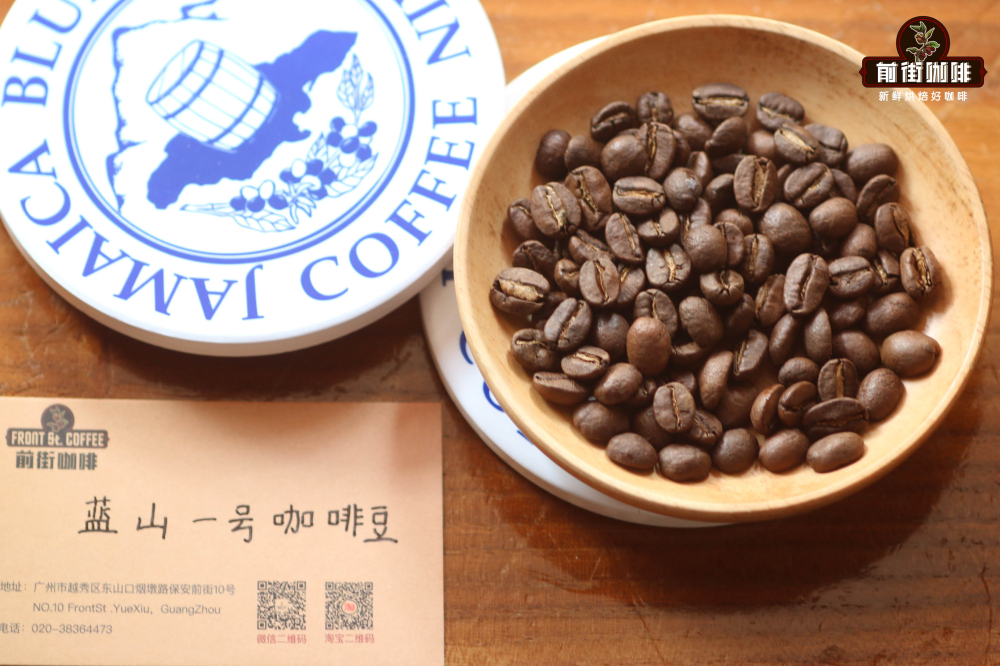 The history of Jamaican Blue Mountain No. 1 coffee dates back to the 18th century, when it was first introduced through the advocacy of French King Louis XV, who encouraged coffee cultivation. In the 1720s, then-Jamaican Governor Sir Nicholas Lawes imported the first batch of Arabica seeds from Martinique and successfully trial-planted them in the St. Andrew area. Over time, coffee cultivation expanded into the Blue Mountain region. Thanks to the area’s unique altitude, climate, and volcanic soil conditions, Blue Mountain coffee gradually developed a distinctive flavor profile. It is further categorized into three main grades—Blue Mountain, High Mountain, and Prime—based on the elevation of the growing region, offering diverse options for the coffee market.
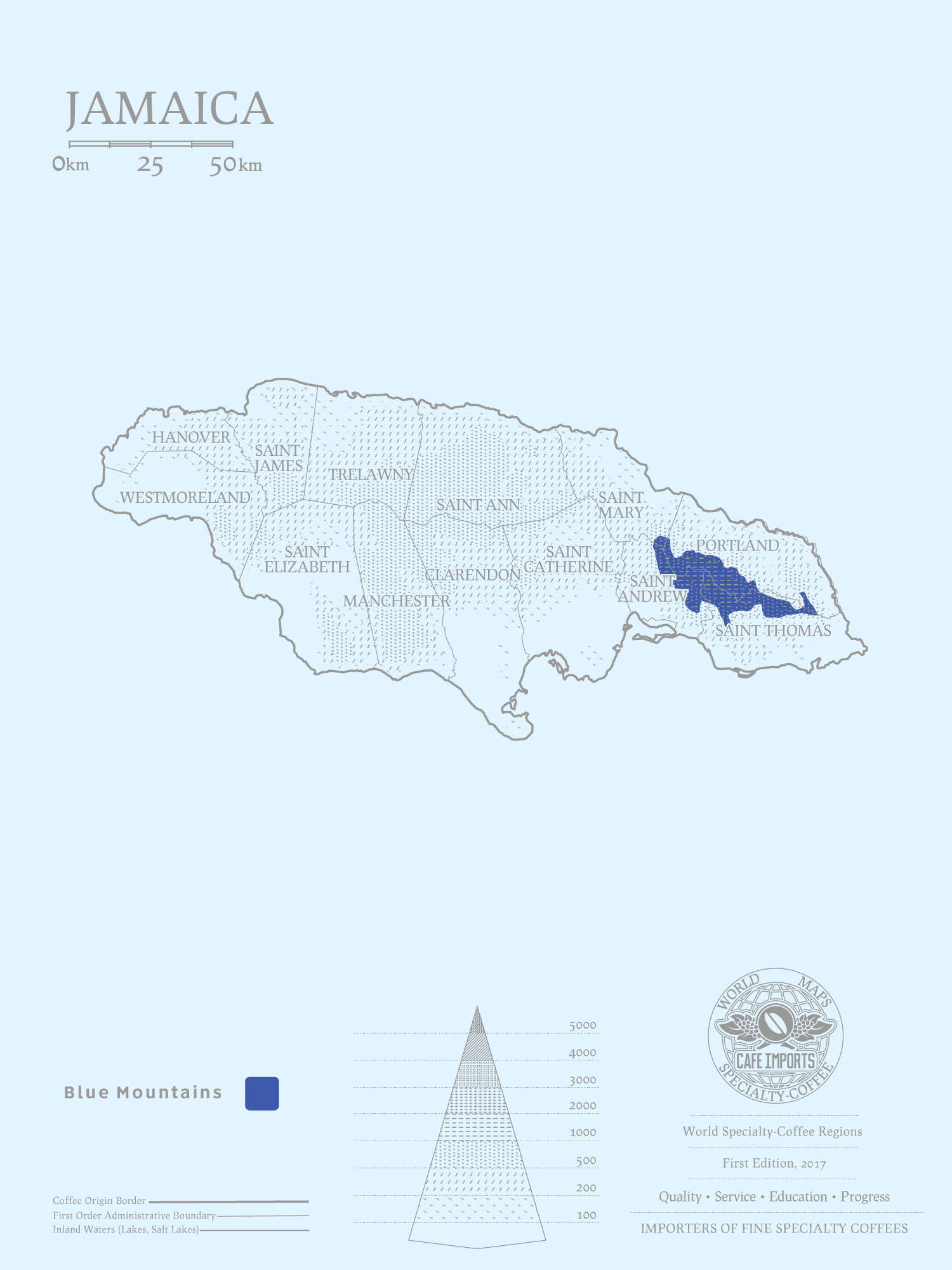
The growing region of Blue Mountain coffee is located in the Blue Mountains of Jamaica’s main island, an area with a unique microclimate. The region not only features active volcanic terrain and mineral-rich soils but also enjoys stable high-altitude conditions, ample rainfall, and a climate with moderate day-night temperature differences—all of which provide nearly perfect growing conditions for coffee trees. Such an environment allows Blue Mountain coffee to exhibit an exceptional flavor balance of acidity, sweetness, and bitterness, along with a rich and full-bodied mouthfeel, making it a dream coffee for coffee lovers around the world.
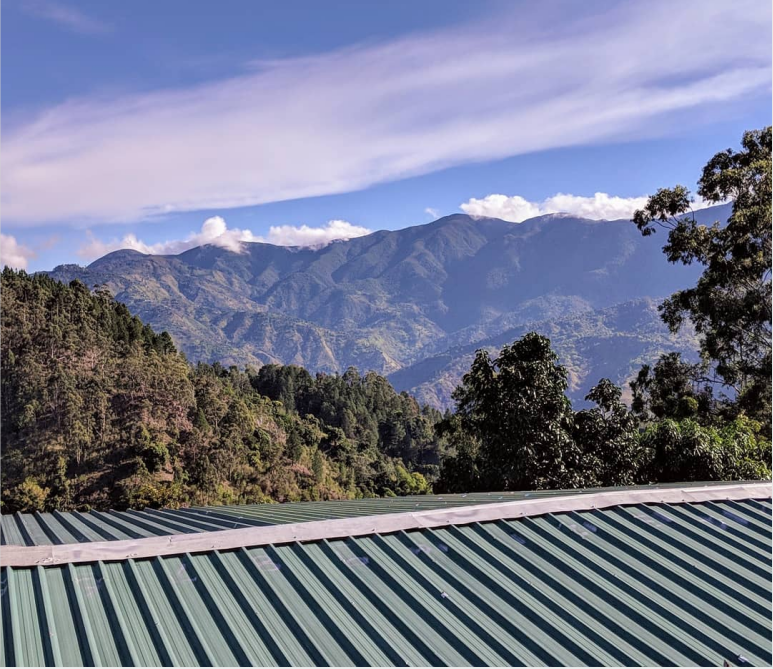
To maintain the reputation and quality of Blue Mountain coffee, the Jamaican government has established an official grading system overseen by the Jamaica Coffee Industry Board (JCIB) with rigorous certification. Only Typica variety coffee grown between 910 and 1700 meters in the Blue Mountains can be officially named “Jamaican Blue Mountain Coffee.” The total eligible planting area is only about 6,000 hectares, roughly one-third of the Blue Mountain region, and only about 15% of Jamaica’s total coffee production meets the Blue Mountain standard. Among these high-elevation Blue Mountain coffees, they are further divided into four grades: NO.1, NO.2, NO.3, and Peaberry (abbreviated as PB), each with strict defect rate and bean size standards.
Among them,Blue Mountain No. 1 (No. 1)requires a bean size of 17/18 mesh, with a defect rate not exceeding 2%;No.2for 16/17 mesh, the defect rate is similarly limited to within 2%;No.3for 15/16 mesh, the maximum defect rate is also 2%; while the specialPeaberry (PB)is classified as 10MS (single bean), with a defect rate also not allowed to exceed 2%. This grading system not only ensures the consistency of coffee flavor but also allows consumers to choose the product that best suits their needs based on grade.
In addition to the Blue Mountain grades, Jamaican coffee also includes two other categories: High Mountain coffee and Prime coffee. High Mountain coffee is grown at elevations between 500 and 910 meters in the Blue Mountains. Although slightly lower in altitude, its overall quality remains high and is considered an ideal alternative for many consumers unable to obtain Blue Mountain coffee. As for Prime coffee, it is produced outside the Blue Mountain region at elevations below 500 meters, typically used for everyday drinking. It is relatively more affordable, but lacks the complexity and layered flavors of highland-grown Blue Mountain or High Mountain coffees.
It is worth noting that since there is currently no unified global coffee grading standard, many consumers often encounter counterfeit or mislabeled Blue Mountain coffee when making purchases. Experienced buyers point out that genuine Blue Mountain coffee is usually not packaged in ordinary burlap sacks but in specially designed Blue Mountain wooden barrels. These barrels often feature the image of the red-eyed tree frog, a certification mark from the Rainforest Alliance, symbolizing that the beans were grown under pollution-free and environmentally friendly conditions. Furthermore, legally sold Blue Mountain coffee must be exported by distributors authorized by the Jamaican government, with each shipment undergoing official quality inspection and accompanied by relevant certifications and certificates of origin.
If you’ve purchased high-end Blue Mountain coffee beans such as Blue Mountain No. 1, it is recommended to use a brewing method suited to medium-dark roasts to fully highlight its dominant notes of chocolate, nuts, and caramel. Below are the actual pour over reference parameters: it is recommended to use a KONO filter, with water temperature controlled between88 to 90 degrees Celsius, a powder-to-water ratio set at1:15, and a medium grind size (approximately 75% extraction through a #20 sieve). Specifically, you can use the three-stage extraction method: start with a 30-second bloom using twice the amount of water as coffee grounds (e.g., 60 grams of water for 30 grams of coffee), then pour in a small, circular motion until reaching 125 grams for the first pour. Once the water level drops slightly, continue pouring to a total of 225 grams to finish. The total extraction time is about 2 minutes and 10 seconds. This method effectively brings out the rich, balanced aroma and layered taste profile of Blue Mountain coffee.
In terms of flavor, a well-brewed Blue Mountain No. 1 offers a distinct dark chocolate note upon entry, complemented by the aftertaste of roasted nuts and caramel. The acidity is mild and not overpowering, with a rounded and full-bodied mouthfeel, and a clear, lingering finish. As the temperature changes, you can also delicately perceive different layers of aroma transitions, making it an excellent choice for experiencing the flavors of top-tier specialty coffee.
The above content is compiled by CoffeeHunters, a coffee news website.


