







Introduction:Indonesian coffee is globally renowned for Mandheling, whose unique wet-hulling processing method and high-altitude cultivation environment produce rich and bold flavors. This article delves into Indonesia’s three major coffee regions — Sumatra, Java, and Sulawesi — focusing on classic origins such as Lake Toba and Gayo Highlands in Aceh, analyzing the characteristics of the wet-hulling process, and providing a detailed comparison of seven representative Mandheling beans in terms of roasting profiles, cupping performance, and optimal brewing recommendations, guiding you to fully grasp the essence of premium Indonesian coffee.
Indonesian coffee is most widely known for Mandheling, among which the Golden Mandheling produced by PWN is a symbol of high quality. However, the world of Indonesian coffee goes far beyond that. This article will take readers on a journey through Indonesia’s three main coffee-growing regions — Sumatra, Java, and Sulawesi — highlighting well-known origins such as Lake Toba and Gayo Highlands in Aceh, and exploring the local specialty wet-hulling process (Giling Basah) and its impact on flavor. Additionally, we have compiled practical roasting tests, blind cupping results, brewing parameters, and flavor analyses for seven Mandheling beans to help coffee enthusiasts better appreciate the diverse charm of Indonesian coffee.
When it comes to Indonesian coffee, many people first think of Golden Mandheling. Produced exclusively by PWN with a rigorous selection process and consistently high quality, this coffee bean has become a star product in the market. It’s important to note that only beans produced by PWN can be rightfully called “Golden Mandheling.” However, the richness of Indonesian coffee extends far beyond a single brand. Let’s start with the regions and gradually get to know these uniquely flavored beans.
The main coffee-growing areas in Indonesia are concentrated on the three islands of Sumatra, Java, and Sulawesi. Among them, Mandheling from Sumatra is the most representative and is often simply referred to as “Sumatran coffee.” Northern Sumatra is dominated by the Gayo Highlands, where coffee varieties are mostly grown at altitudes between 1110 and 1600 meters, primarily the Ateng variety, while the area around Tawar Lake is considered an important coffee-producing region in Aceh. Southern Sumatra’s Lintong and the areas surrounding Lake Toba are the core production zones for Mandheling coffee, with Lintong regarded as the most classic Mandheling origin. Lake Toba is a volcanic lake in northern Sumatra, with an average altitude of about 900 to 1600 meters, providing an ideal microclimate for coffee growth.
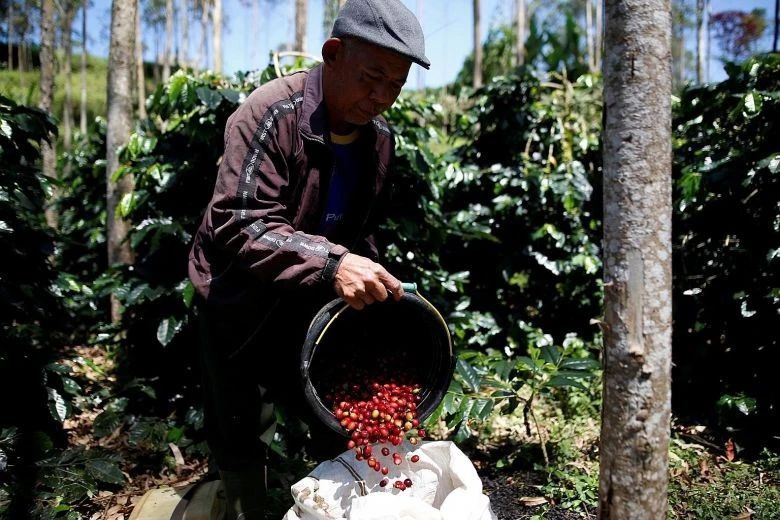
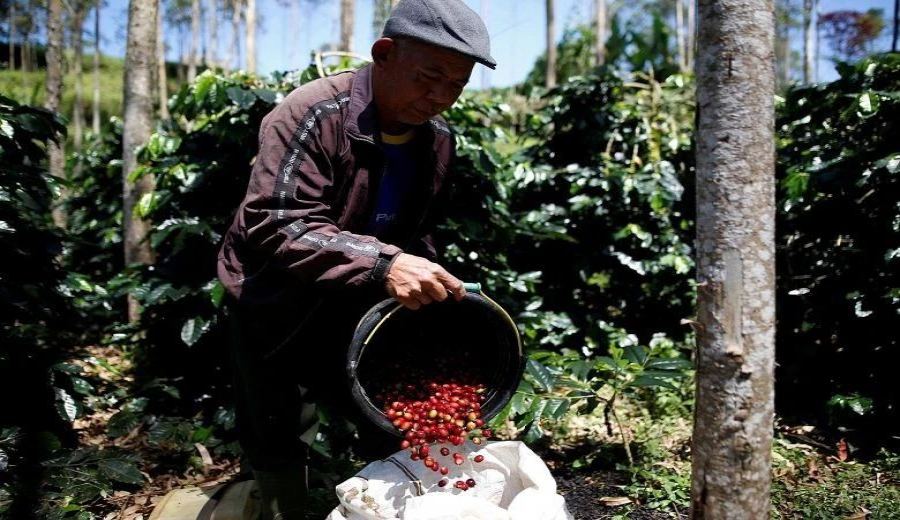
The Gayo Highlands region (Aceh) is located in northern Sumatra, with coffee mainly cultivated in the town of Takegon and the surrounding slopes of Lake Tawar, at altitudes of approximately 1110 to 1600 meters. The coffee here is mostly grown by smallholder farmers under shaded conditions using the wet-hulled processing method, giving the coffee a deep yet vibrant, full-bodied taste. Due to long-term political factors, Aceh is not an easily accessible travel destination, but its coffee is highly praised for organic farming practices and the absence of chemical fertilizers, earning it a reputation as a representative of green or Gayo organic coffee.
When discussing the processing characteristics of Indonesian coffee, one cannot overlook wet-hulling (Giling Basah), a traditional and unique processing method in Indonesia, also known as Wet Hulling. Although the name is similar to washed processing, its flavor profile is distinctly different. Coffee processed by wet-hulling typically exhibits rich, bold, and distinctive characteristics. The process mainly consists of two stages: first, a wooden pulper removes the skin and pulp, followed by about 3 hours of fermentation and drying until the moisture content drops to 30% to 50%; then the mucilage and parchment layers are removed, and the beans continue to dry for 2 to 4 days until the moisture level reaches 12% to 13%.
To gain a deeper understanding of the performance of various Mandheling beans, we conducted roasting and blind cupping for seven samples, with participating baristas evaluating the coffees without knowing their specific origins. These seven included: PWN Golden Mandheling, Lake Toba Golden Mandheling, West Java Mandheling, Malabar Sun-Dried Mandheling, Kayumas Mandheling G1, Lintong Mandheling, Indonesian Aceh Mandheling, and Sumatra Mandheling G2. Cupping results showed that PWN Golden Mandheling, West Java Mandheling, and Lintong Mandheling stood out in aroma, exhibiting captivating aromas reminiscent of red date tea, clearly distinguishing them from other samples with stronger herbal notes.
In terms of roasting practice, the roasters used a Yangjia 800N roaster. For PWN Golden Mandheling and Lake Toba Golden Mandheling, the charge weight was 480g, the inlet temperature was 200°C, and the air vent setting was 3. During roasting, adjustments to heat and air vents were made based on bean surface changes and aroma development, and the beans were dropped just after the start of first crack to preserve optimal flavor expression. Other beans, including West Java, Malabar, Kayumas, Lintong, Aceh, and Sumatra Mandheling G2, also used similar equipment and initial conditions, but with slight adjustments to first crack timing and drop temperature to suit the characteristics of each origin.
Based on cupping feedback, PWN Golden Mandheling, due to its triple manual sorting and high-quality control, demonstrated exceptional cleanliness and sweetness, with flavors including nuts, chocolate, spices, herbs, and caramel, and a long, rich aftertaste. In contrast, West Java Mandheling, primarily of the Typica variety, offered a purer sweetness with a touch of acidity; Lintong Mandheling showcased distinct herbal notes, not eye-catching but with a clear flavor profile. For those wanting to explore classic Asian coffee flavors, a medium-dark roasted Indonesian Mandheling is recommended, with its spice, nut, and caramel notes being beginner-friendly; for those seeking premium quality, PWN Golden Mandheling stands out with its high uniformity and layered complexity, making it an ideal choice for advanced enthusiasts.
How to identify authentic PWN Golden Mandheling? Due to limited production, the large-bean, premium-selected Mandheling commonly found in the market may not actually come from PWN. Consumers are advised to request the original burlap sack or relevant certification documents from the seller to confirm authenticity. Authentic PWN Golden Mandheling is G1 grade, with beans larger than eighteen mesh, fewer than 3 defects (in a 300g sample), a dark green appearance, and neat bean shape. When brewed, it shows almost no earthy or off-flavors, with sweeter and more prominent flavor expression.
Finally, here’s a set of practical pour over recommendations: use a Kono filter, water temperature 88°C, 15g coffee, 1:15 coffee-to-water ratio, grind size medium-fine (70–75% through a 20-mesh Chinese sieve). During brewing, start with a 40g bloom for 30 seconds, then pour in a circular motion to reach 120g, and finish with 100g for extraction, totaling about 2 minutes. Under these parameters, PWN Golden Mandheling showcases an excellent balance of nuts, chocolate, and caramel, with clean and bright flavors — a classic choice for experiencing the charm of Indonesian coffee.
The above content is compiled by CoffeeHunters, a coffee news website.


