







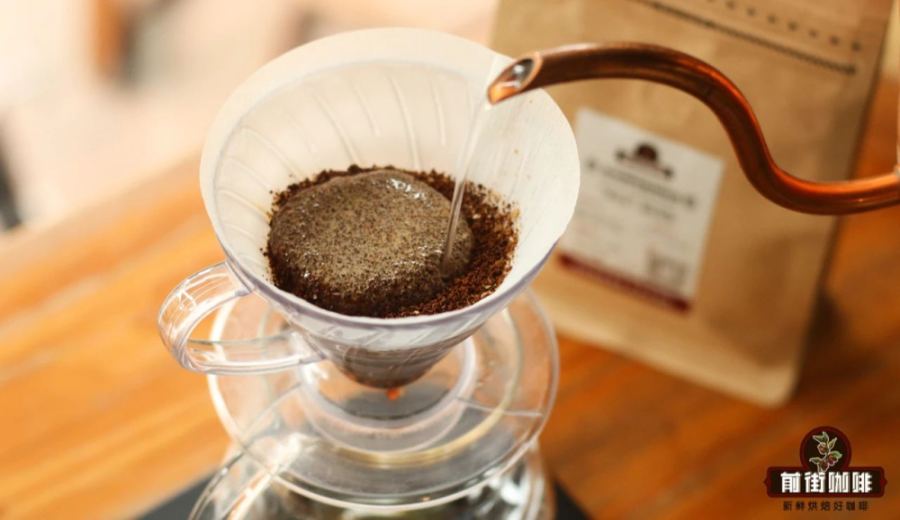
Introduction:Explore the unique flavor profiles of the world’s ten most renowned coffee-growing regions — from Brazil’s bold and balanced profiles to Ethiopia’s bright berry acidity. This article systematically analyzes the origin background, processing methods, altitude, and typical flavor characteristics of coffee beans from various regions, while also comparing the core differences in taste and aroma between Mandheling and Blue Mountain. Whether you're a beginner in pour over or seeking coffee bean recommendations, you’ll gain practical brewing parameters and tasting insights.
As one of the world’s most popular beverages, coffee’s unique flavors are profoundly influenced by its growing environment — including soil, altitude, climate, and processing techniques — all of which are directly reflected in the aroma and taste. This article will take you on a journey through the world’s top ten coffee-producing regions, including Brazil, Vietnam, Colombia, Indonesia, Ethiopia, India, Honduras, Kenya, Mexico, and Guatemala. We’ll break down their flavor profiles and delve into comparisons between classic beans like Mandheling and Blue Mountain, highlighting their distinct taste differences to help you build an intuitive understanding of each region’s coffee.
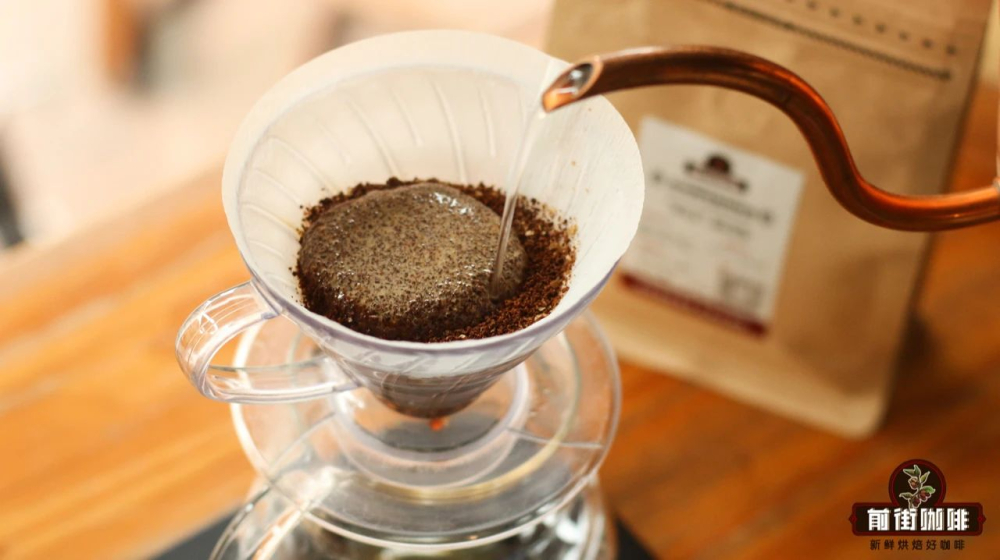
Coffee beans from different regions showcase diverse flavor layers due to variations in geography and climate. Some are known for their rich and full-bodied character, while others highlight fresh fruitiness and floral notes. Below, we’ll introduce the representative characteristics and flavor expressions of the world’s top ten coffee-producing regions in detail.
1. Brazilian Coffee Region
As the world’s largest coffee producer, Brazil has held the top spot in production for over a century, known for its stable and diverse output. The region primarily uses the dry method (natural sun-drying) to process coffee beans, with some employing semi-washed or honey processing. Brazilian coffee generally features a bold, low-acidity profile with chocolate and nutty undertones, making it ideal for everyday drinking and as a base for blends. Altitudes typically range from 1400 to 1950 meters, with main varieties including Bourbon, Caturra, Catuai, and Mundo Novo.
2. Vietnamese Coffee Region
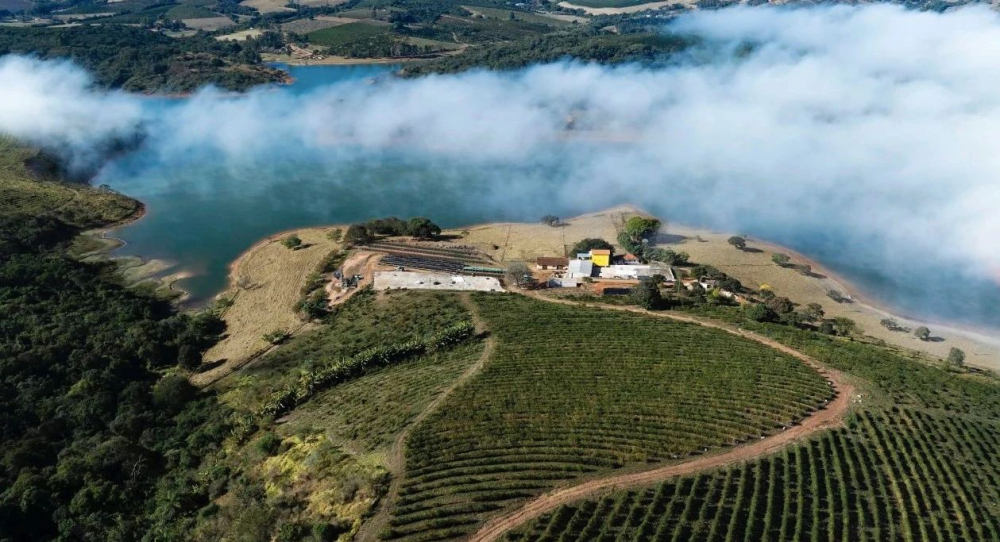
Vietnam is the world’s second-largest coffee producer, with its tropical humid climate fostering large quantities of Robusta beans. These beans have higher caffeine content and tend to be intense and slightly bitter, often paired with sweetened condensed milk to make traditional Vietnamese iced coffee — especially popular in hot climates. Though mostly used commercially, Vietnamese coffee still holds its own with its reliable supply and unique flavor.
3. Colombian Coffee Region
Colombian coffee is renowned for its mild and balanced flavor, and is one of the few single-origin coffees marketed by country name. Most of Colombia’s coffee is grown in high-altitude mountainous regions, offering a soft mouthfeel with pronounced fruity and sweet notes, low acidity, and delicate aromas. Once the world’s second-largest coffee exporter, it now ranks third but remains highly regarded among coffee enthusiasts.
4. Indonesian Coffee Region
Indonesia is famous for its Mandheling coffee, known for being bold, full-bodied, and low in acidity, with natural herbal and earthy aromas. The wet-hulled processing method results in a more compact flavor and long-lasting aftertaste. Golden Mandheling from Sumatra, carefully selected, offers exceptional cleanliness and layered complexity, making it a classic choice for serious coffee lovers.
5. Ethiopian Coffee Region
Ethiopia is hailed as the birthplace of Arabica coffee and boasts incredibly rich coffee genetic diversity. The Yirgacheffe region, in particular, is known for its distinctive fruity and floral notes — especially in sun-dried beans, which often exhibit intense berry and citrus tones, with a round acidity that tastes juicy like fruit juice, making it a great entry point for pour over enthusiasts.

6. Indian Coffee Region
Indian coffee is often grown alongside spice trees such as cardamom and cinnamon, giving the beans a naturally subtle spicy aroma. The cultivation method avoids direct sunlight, allowing the beans to develop a more refined mouthfeel. Primarily for export, its unique flavor makes it an intriguing option for coffee lovers seeking something special.
7. Honduran Coffee Region
Honduras is Central America’s largest coffee producer, but due to its relatively low brand recognition, its beans are often used in blends. Most coffee here is grown in mountainous areas, mainly the Caturra variety, with washed processing bringing out nutty and dark chocolate richness, and a maple-like sweetness in the aftertaste — ideal for those who prefer balanced flavors.
8. Kenyan Coffee Region
Kenyan coffee is known for its high quality and rigorous grading system, particularly its Grade AA beans, which feature high acidity and intense fruity notes. Processed using the K72 double wash method, these beans offer bright berry and red wine aromas, with a well-balanced sweet-and-acidic profile and a long-lasting finish, making them an excellent choice for coffee enthusiasts seeking layered complexity.
9. Mexican Coffee Region
Mexican-grown Arabica beans are plump, aromatic, and offer a balance of sweet and acidic notes, with the majority exported to the U.S. market. The region is also known for tequila production, and sometimes coffee makers experiment with infusing the beans with hints of agave for a unique drinking experience. Altitudes typically range from 900 to 1500 meters, appealing to consumers who enjoy crisp acidity.

10. Guatemalan Coffee Region
Guatemalan coffee is best represented by the Antigua region, known for its bold flavors with a unique smoky aroma, balanced acidity and sweetness, and a refined mouthfeel. This coffee is often described as having historical and cultural depth, ideal for savoring slowly to appreciate its complex and layered flavor structure.
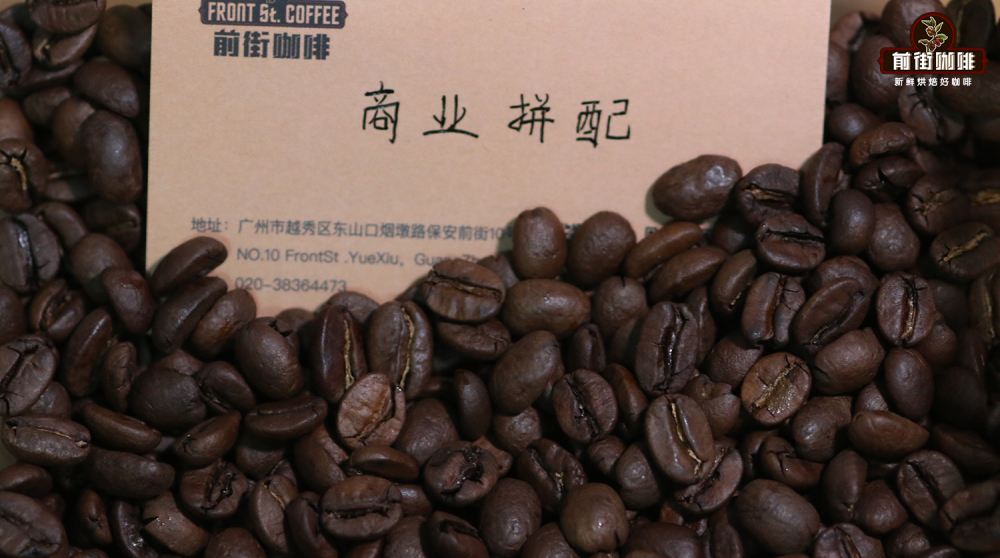
In summary, from Brazil’s stately richness to Ethiopia’s bright fruitiness and Guatemala’s smoky mystique, each region possesses an irreplaceable flavor identity. Understanding these differences not only helps you find your preferred coffee beans, but also allows you to adjust water temperature, grind size, and brewing time during pour over or extraction based on regional traits — further enhancing the coffee’s expression. Whether you’re just starting out or already experienced, this regional flavor guide will be a valuable reference in your coffee exploration journey.
The above content is compiled by CoffeeHunters, a coffee news website.


