







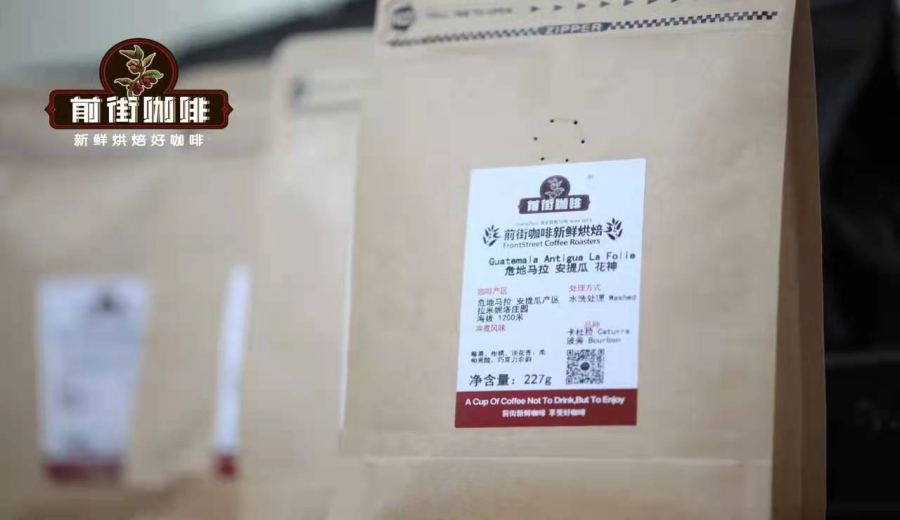
Introduction:Delve into the details of the Flora coffee beans from Guatemala’s Antigua region — exploring their unique volcanic soil background, varietal characteristics, and refined washed processing method. This article offers an in-depth analysis of this highly acclaimed Central American specialty bean. Not only does it provide a comprehensive flavor profile, but it also shares practical V60 pour over parameters and steps to help you brew a high-quality coffee with distinct layers and a balanced acidity-sweetness profile at home.
As a globally renowned specialty coffee origin, Guatemala boasts diverse volcanic terrains and microclimates that nurture numerous distinctive coffee beans. Among these regions, Antigua stands out thanks to its exceptional environmental conditions, consistently representing high-quality coffee. The “Flora” coffee beans, carefully selected by Lamina Company and processed by the well-known local washed processing mill Las Pastores, are the pride of this region. They are widely praised for their delicate floral aroma, bright citrus acidity, and smooth honey-like sweetness.
The Antigua region is nestled in a valley surrounded by three active volcanoes: Agua, Fuego, and Acatenango. Among them, the Fuego volcano remains active, continuously replenishing the surrounding soil with rich minerals. In addition, large areas of pristine forests are preserved in the region, contributing to high potassium ion content in the soil, which provides a stable and nutrient-rich growing environment for coffee trees. The altitude here generally ranges between 1,500 and 1,700 meters, with a mild climate and humidity stabilized around 65%. The distinct yet not extreme dry and rainy seasons allow the coffee cherries to mature slowly and develop concentrated flavors.
The region receives an annual rainfall of about 800 to 1,200 millimeters, with average temperatures ranging between 18 and 22°C. The harvest season mainly falls between January and mid-March each year. The soil is predominantly composed of volcanic pumice, which offers excellent drainage. Coupled with sun drying and shade provided primarily by Gravilea trees, it helps ensure even ripening of the coffee cherries. All these factors contribute to Antigua coffee’s remarkable balance of smoky aroma, rich fruit acidity, and elegant sweetness.
Both the cultivation and processing of Flora coffee beans demonstrate exceptionally high standards. Entrusted by Lamina Company, the beans are processed by Las Pastores, the largest washed processing mill in Antigua, and introduced to the market under the name “Flora.” This coffee mainly consists of two varieties: Bourbon and Caturra. Bourbon features round-shaped beans and delicate aromas, while Caturra is known for its bright citrus notes but has slightly lower sweetness, requiring careful cultivation management to enhance overall performance.
During cultivation, Flora coffee is committed to not using pesticides. Instead, it relies on natural altitude and climatic conditions to suppress pests, and strictly controls harvesting timing. Coffee cherries are handpicked only when they are fully ripe and have turned deep red. Due to uneven ripening, a single tree often requires up to five separate harvests to ensure only the ripest cherries are collected. The soil is tested twice a year, with fertilization limited to about three times annually, supplemented with targeted application of trace elements such as zinc, boron, and copper to strengthen plant health and prevent diseases.
The processing method for Flora coffee employs washed processing, carried out with precision and care. First, the harvested coffee cherries are placed in a water tank, where unripe and defective beans float due to their lower density and are removed. Then, a pulper is used to remove the outer skin and pulp, leaving a layer of mucilage still attached to the beans. Next, the mucilage-covered beans are placed in a fermentation tank, undergoing microbial fermentation for 16 to 36 hours to break down the mucilage, which is then thoroughly rinsed with clean water. Finally, the beans are evenly spread out for sun drying until their moisture content is reduced to 10%–14%, after which a hulling machine removes the inner parchment to complete the processing.
The roasting target for this Flora coffee is medium roast, aiming to balance acidity and sweetness while fully highlighting its floral and fruity profiles. During actual roasting, an inlet temperature of 200°C is used. By increasing the rate of temperature rise and initiating first crack earlier, more acidity and fruity notes are preserved. The heat is gradually reduced during the yellowing point, dehydration completion, and pre-first-crack stages to avoid excessive scorching of the bean surface. The beans are finally dropped from the roaster about 1 minute and 50 seconds after the end of first crack, effectively controlling caramelization and maintaining a fresh and pleasant aftertaste.
For home brewing of Flora coffee, it is recommended to use a V60 dripper, with about 15 grams of coffee grounds ground to a medium fineness with an 80% passing rate through a #20 sieve. The water temperature should be controlled at 90°C, and the coffee-to-water ratio should be 1:15. Use a staged extraction method: start with a 30-second bloom using 30 grams of water, followed by slow circular pouring to reach 125 grams for the first pour. When the water level drops and is about to expose the coffee bed, continue pouring to 225 grams, then stop. Remove the dripper just before the dripping finishes. The total extraction time is approximately 2 minutes.
In terms of flavor, this Flora coffee exhibits a clear citrus acidity, reminiscent of bright lime-like notes, paired with abundant floral aromas and subtle berry tones. The mid-palate offers pleasant sweetness, while the aftertaste carries a hint of caramel and smoky undertones. The overall mouthfeel is rich yet refreshing, with layered complexity and a long-lasting finish. It is a high-quality washed coffee perfect for savoring.
The above content is compiled by CoffeeHunters, a coffee news website.


