








Introduction:Cold brew coffee, with its smooth and low-acid taste, has become one of the most popular iced coffees in summer. But to make a great cup of cold brew, factors such as time and temperature aside, the coffee-to-water ratio, bean selection, and equipment all play a significant role. This article will provide a detailed breakdown of the basic cold brew process — from ideal coffee-to-water ratios and optimal extraction times, to how adjusting your recipe can bring out different flavors — and recommend eight specialty coffee beans that are well-suited for cold brewing, helping you find your perfect match.
As temperatures rise, many coffee lovers begin searching for more refreshing beverage options, and cold brew coffee, with its uniquely smooth texture and low acidity, has gradually become a top choice for the season. This brewing method, which involves steeping coarsely ground coffee in cold water for an extended period, effectively highlights the inherent flavor characteristics of the beans while reducing the bitterness often caused by over-extraction.
The basic principle of cold brew is to mix ground coffee with cold water and let it steep for at least eight hours. This slow extraction process doesn’t require hot water, which helps reduce the release of tannins and acidic compounds, resulting in a smoother and noticeably sweeter cup of coffee.The recommended coffee-to-water ratio is 1:10 to 1:12, though this can be slightly adjusted according to personal taste. Those who prefer a stronger brew may opt for 1:8, while those who prefer a lighter cup can go up to 1:15.

When it comes to equipment, common options include dedicated cold brew makers, glass bottles, or even simply using a lidded container and filter paper. The key is to ensure the coffee grounds are evenly soaked and that the grounds can be fully separated from the liquid during filtration. After mixing, place the coffee in the refrigerator to steep, with a recommended steeping time of8 to 16 hours. Steeping beyond 16 hours may lead to over-extraction, resulting in cardboard-like or earthy off-flavors.
For those looking to experiment, some replace regular water with sparkling water for cold brewing. This method works because the carbonation in sparkling water keeps the coffee grounds moving, thereby enhancing the extraction efficiency and potentially leading to a slightly stronger brew. In practical tests, although cold brew made with sparkling water shows no visible bubbles, the taste reveals a noticeable effervescence, and berry aromas become more pronounced.
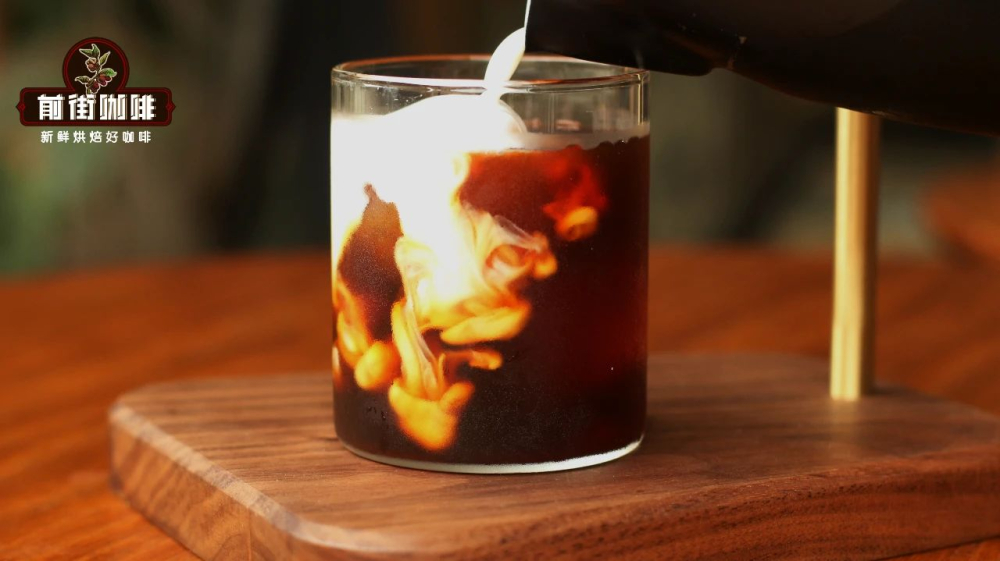
Flavoring is also a fun aspect of cold brew. If you're using cold brew made from light-roast beans, it's recommended to enjoy it black to savor its floral and fruity acidity. However, if you're using dark-roast beans or desire a creamier mouthfeel, adding fresh milk or non-dairy creamer can help. Fresh milk, due to its high water content, results in a lighter body and a refreshing taste. In contrast, creamers or substitutes like fresh cream, which have higher fat and moisture content, can create a richer, smoother, and more velvety cup with a more pronounced body.
Below are eight specialty coffee beans that are well-suited for making cold brew, each with unique characteristics to match various flavor preferences:

1. Washed Yirgacheffe (Ethiopia, Yirgacheffe Region, 1800–2000m elevation): Washed process, featuring bright notes of berries, citrus, and lemon, ideal for those who enjoy crisp acidity.
2. Yirgacheffe Natural Red Cherry (Ethiopia, Altearen Factory, 2300m elevation): Natural process, delivering intense notes of berries, strawberries, and fermentation wine aromas with rich flavor layers.
3. Natural Huacai (Ethiopia, Guji Guembela Region, 2030m elevation): Natural process, showcasing sweet profiles of tropical fruits, cream, and citrus.

4. Panama Geisha Flower Butterfly (Panama, Boquete Region, 1600–1650m elevation): A blend of Geisha, Caturra, and Catuai, processed naturally, presenting the classic Geisha tea-like body with citrus notes.
5. Panama Elida Estate (Panama, Boquete, 1850m elevation): Natural Caturra, offering a smooth profile with flavors of orange and peach juice.
6. Colombian Huila (Huila Region, 1500–1800m elevation): Washed process, with main notes of nuts, dark chocolate, and soft fruit acidity — balanced and easy to drink.
7. Brazilian Red Bourbon (Nanmings, 700–1200m elevation): Semi-washed process, featuring distinct notes of nuts, chocolate, and mild acidity, ideal for those who prefer a low-acid, bold cup.
8. Mandheling (Sumatra, wet-hulled process): Strong herbal, nutty, and pine aromas, with a rich and full-bodied flavor that remains stable and layered even when brewed as cold brew.
In summary, the charm of cold brew coffee lies in its simple yet versatile brewing process. By mastering the basic coffee-to-water ratio and timing, along with selecting suitable beans and flavoring methods, you can enjoy a refreshing iced coffee experience tailored just for you during the hot summer months.
The above content is compiled by CoffeeHunters, a coffee news website.


