








Introduction:Both cold drip and cold brew coffee are representatives of low-temperature extraction, but they differ greatly in principle, operation steps, and flavor characteristics. This article will delve into the core of making cold drip (also known as ice brew) and cold brew, the types of coffee beans suitable for each, and offer practical storage advice to help you choose the most suitable cold extraction method based on your taste preferences, allowing you to brew high-quality iced coffee at home.
Cold drip coffee and cold brew coffee are often mistaken for the same drink, but in fact, they vary significantly in extraction principles, required time, and final flavor profiles. Understanding these details allows you to more accurately choose the brewing method that suits your personal taste and enjoy different levels of coffee experience.
The Principle and Key Points of Cold Drip Coffee
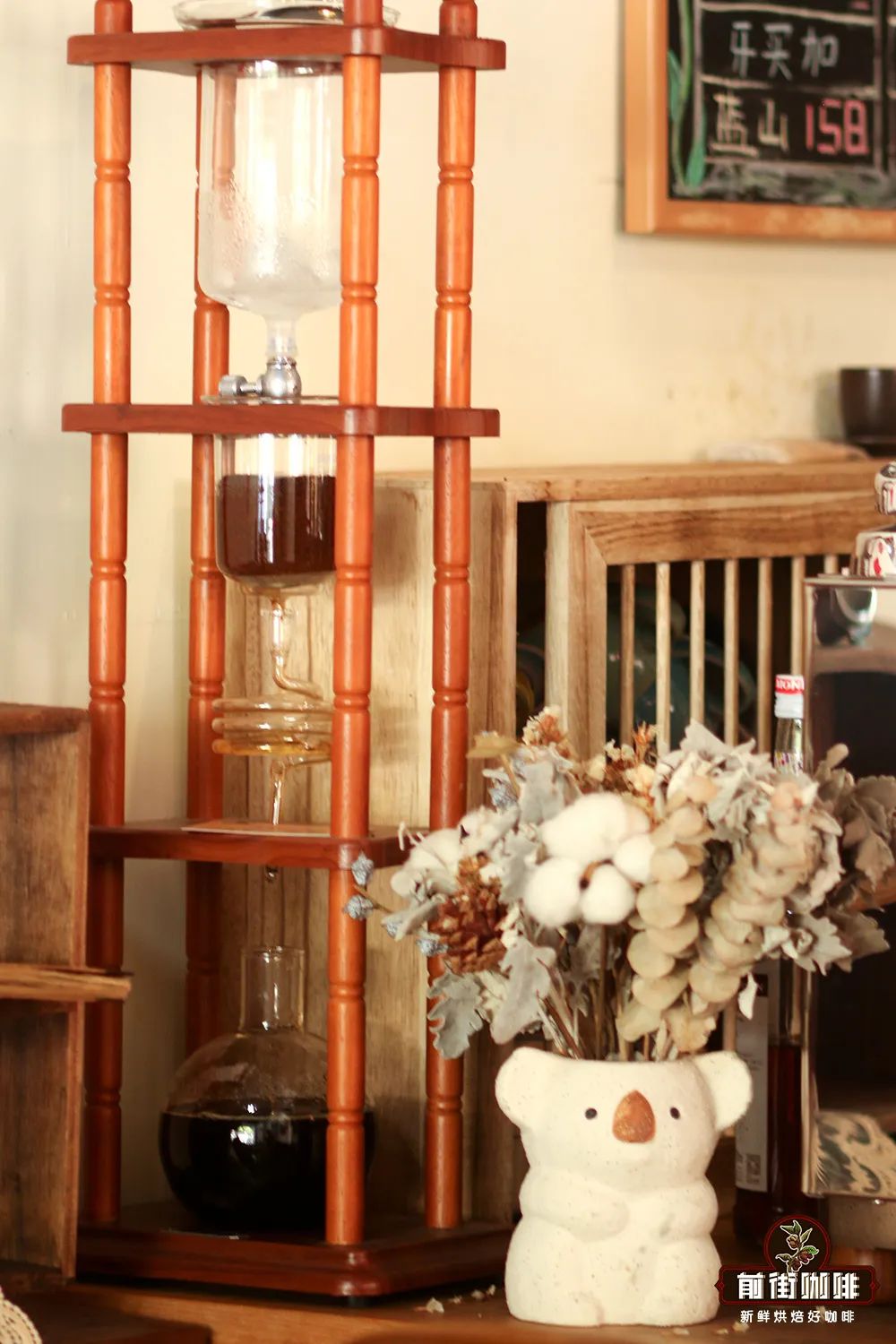
Cold drip coffee, also known as ice brew coffee, is an extraction method where a mixture of ice and water drips very slowly through a bed of ground coffee. This process usually takes 4 to 8 hours, or even longer, depending on the dripping speed and equipment. Cold drip devices are generally divided into three layers: the top chamber holds the ice water, the middle chamber is filled with ground coffee, and the bottom chamber collects the dripped coffee liquid. Some cold drip devices have an adjustable valve to control the dripping speed, which is typically recommended to be around 4 drops per 10 secondsto maintain a stable extraction efficiency.
Due to the low extraction temperature and the slow dripping process, bitter substances are less likely to be released, while more acidity and aromatic compounds are preserved. After extraction, the coffee liquid is usually lighter in flavor. It is recommended to seal it and let it sit in the refrigerator for at least 8 hours or more for maturation. During this time, the release of carbon dioxide helps to bring out the flavor molecules, resulting in a smoother, clearer overall taste with distinct flavor layers and fewer impurities—making it the preferred choice for coffee lovers who enjoy a clean-tasting cup.

Cold Brew Coffee: Simple Operation, Rich Flavor
Compared to cold drip, cold brew coffee is simpler to make—just steep cold water and coffee grounds together. This immersion-style extraction fully brings out the richness of the coffee while reducing overall acidity, making it ideal for those who prefer a smooth, bold flavor. The equipment needed for cold brew is extremely simple—just a lidded container and a filtering tool—and it can be easily done at home or in the office.
The steeping environment for cold brew can be divided into room temperature and refrigeration. At room temperature, it is recommended not to steep for more than 8 hours, as steeping too long at higher temperatures may lead to over-extraction, resulting in unpleasant woody or off-flavors. In a refrigerated environment (around 4°C), it is recommended to steep for 12 to 24 hours, which allows for stable flavor extraction while avoiding the release of impurities. It’s worth noting that if you choose refrigerated cold brew, it’s advisable to grind the coffee beans slightly coarser to reduce the risk of over-extraction, as well as to help control concentration and flavor balance.
Coffee Bean Selection Suggestions and Flavor Pairing
Whether using cold drip or cold brew, the processing method and roast level of the coffee beans greatly affect the final flavor. It is recommended to choose fresh beans within their two-month shelf life for optimal performance.
The cold drip method is particularly well-suited for highlighting fruity notes, fermentation aromas, and wine-like tones in coffee. For example, those who prefer fresh fruity notes might try beans with a sweet, citrus-tea-like flavor; those who enjoy wine-like aromas and honey sweetness might opt for coffee beans that have undergone barrel fermentation; if you prefer bright acidity and juicy flavors, you can choose sun-dried beans with berry and passion fruit notes—these can all be vividly expressed during the cold drip process.
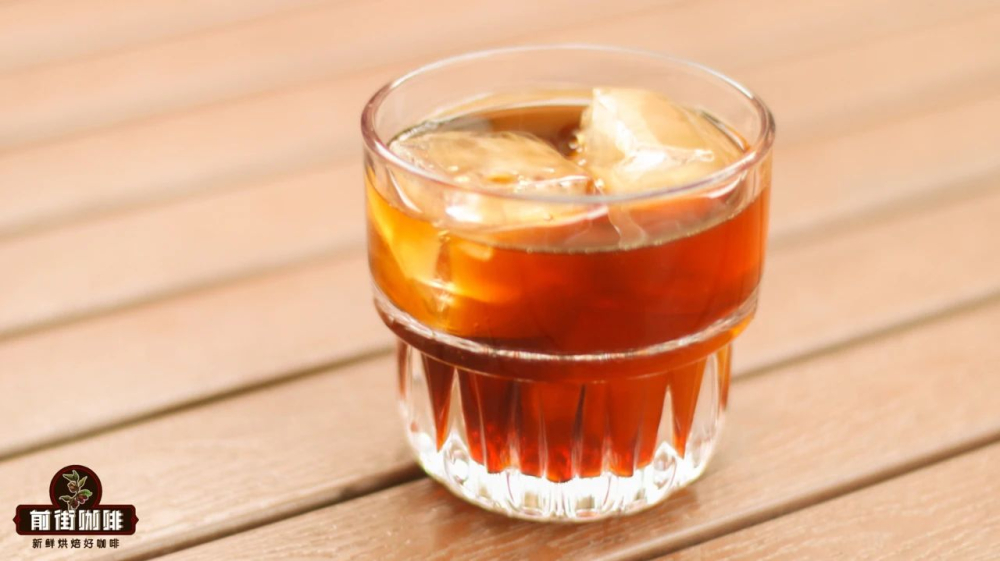
Shelf Life and Precautions
After extraction and maturation, cold drip coffee is best stored sealed in the refrigerator, with an optimal flavor period of about 3 days. Beyond this period, the flavor gradually diminishes, and the taste becomes flat.
Cold brew coffee, after filtration and sealed refrigeration, has a relatively longer shelf life of up to 5 days. Although some users feel the flavor becomes richer over time, due to the complex conditions of home refrigerators, prolonged storage can still increase the risk of bacterial growth. Therefore, it is not recommended to keep it for more than a week to ensure both drinking safety and flavor quality.
No matter which method you choose, low-temperature extraction offers a coffee experience distinctly different from hot brewing—from bright and refreshing to rich and smooth. As long as you master the extraction parameters and storage essentials, you can easily enjoy your own unique iced coffee flavor at home.
The above content is compiled by CoffeeHunters, a coffee news website.


