







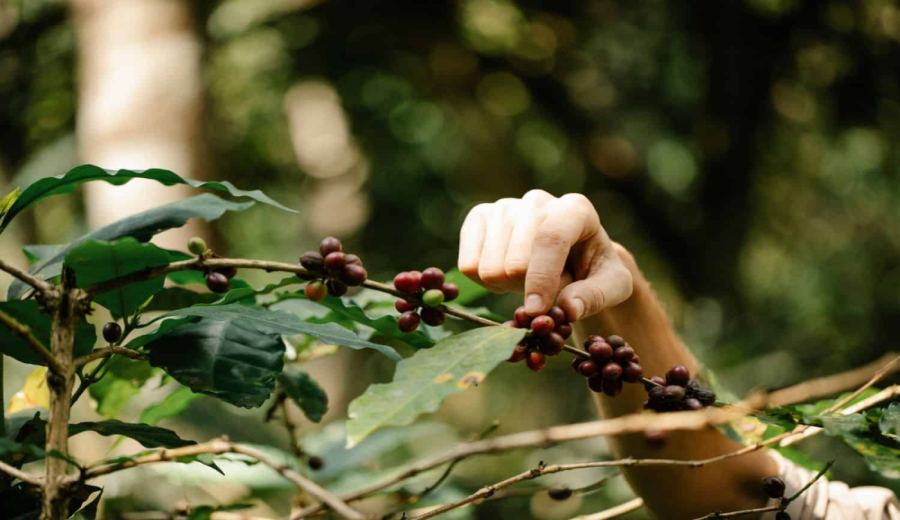
Introduction:Sumatran Mandheling coffee is renowned for its rich, full-bodied flavor and distinctive herbal-spicy character, qualities that stem largely from Sumatra’s unique wet-hulling processing method and high-altitude growing environment. This article will delve into Mandheling’s grading system, the differences among its four major producing regions, with a special focus on the wet-hulling steps of Lintong Mandheling, to analyze where its bold flavors come from. It also provides practical pour over brewing tips, including using a Kono filter with a three-stage extraction method, to help you highlight chocolate and caramel notes while reducing common bitterness—offering a complete exploration of this classic Indonesian bean’s charm.
As one of the world’s key coffee-producing countries, Indonesia’s Sumatra Island gives rise to Mandheling coffee, which is beloved by many coffee enthusiasts for its low acidity and bold, rich profile. Compared to other regions, although most Sumatran coffee is grown at medium to low altitudes, its distinctive climate and processing methods create an unmistakable flavor profile, especially the lingering aftertaste that blends herbal, spicy, and woody notes.
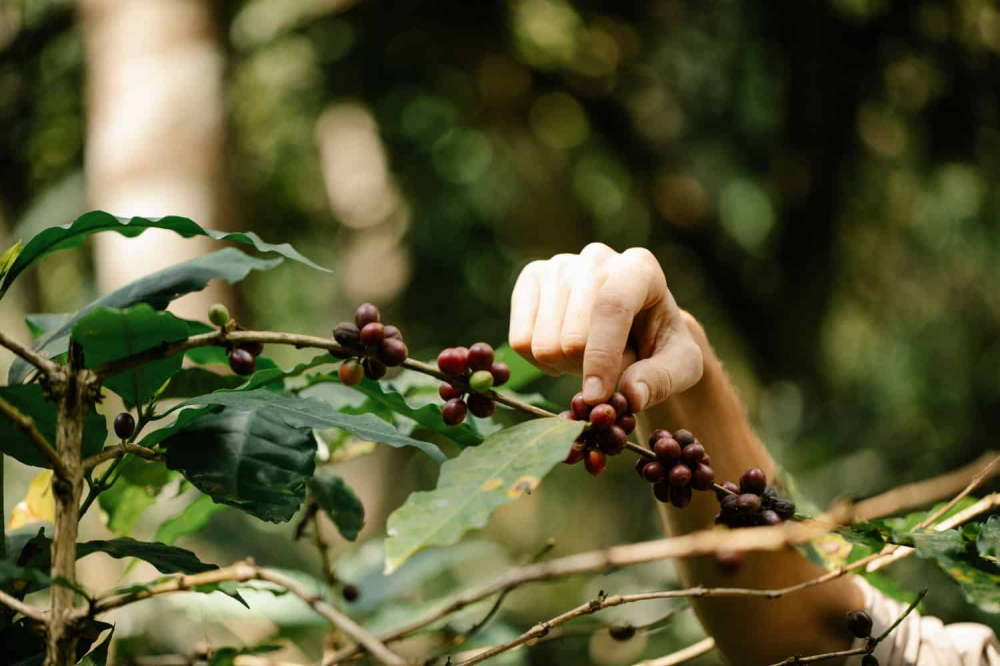
Indonesia’s coffee-growing regions span major islands such as Java, Sumatra, Kalimantan, and Sulawesi, among which Sumatran Mandheling is the most famous. Even when cultivating the same Arabica varieties, the microclimates and soils of different islands impart uniquely distinct personalities to the coffee. A common trait of Sumatran coffee is its gentle acidity, full body, and rich layered flavors, with Mandheling being the representative among them.
Looking deeper into Sumatra’s specialty coffee landscape, it can roughly be divided into four types: First is Mandheling from the highland mountains around Lake Toba in Lintong, mainly processed with semi-washed or natural methods, grown at altitudes of 900 to 1200 meters, and notable for its boldness and spice notes; second is Golden Mandheling, which undergoes four rounds of manual sorting and has a lower defect rate, offering more consistent quality; third is Lake Tawar coffee from the Gayo region in northern Sumatra near Lake Tawar, often using washed, semi-washed, or small amounts of natural processing, grown between 800 and 1600 meters, with some international brands having introduced semi-washed techniques there; and finally, there are aged Mandheling and Java coffees, which often undergo long maturation processes, resulting in rounded and layered flavors.
Among these, Lintong Mandheling is the most common and representative type of Mandheling. This coffee is primarily grown in plateau mountainous areas at elevations of 750 to 1500 meters, and is one of the few Arabica varieties in Indonesia, with first-grade Mandheling from regions like Takengon and Sidikalang being of the highest quality. Due to its limited production and the intense sweetness and low acidity it exhibits after dark roasting, it is highly favored by advanced coffee drinkers.
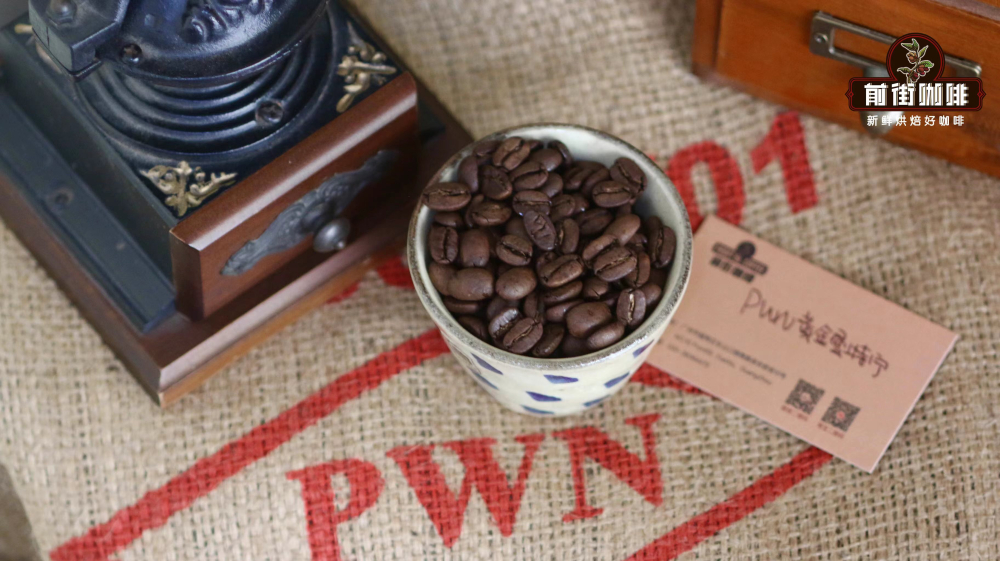
The reason Lintong Mandheling has such a unique flavor lies largely in its use of the “wet-hulling process.” This method is distinctly different from typical washed or natural processing, and evolved mainly in response to Sumatra’s humid climate. In the Lintong area, due to limited water resources, sun drying was commonly used in the past but proved unstable. Later, a semi-sun-drying approach was adopted, yet the overly humid weather remained problematic. As a result, farmers would often remove the mucilage layer before the parchment beans’ moisture content dropped to a safe level. This step significantly reduced the risks of over-fermentation and mold, but also inadvertently shaped Mandheling’s signature boldness and low acidity.
Specifically, when the moisture content of the parchment beans is around 20% to 35%, and the mucilage has not yet fully dried and solidified, the mucilage layer is mechanically removed at this stage. Then, the beans undergo a short period of sun drying to bring the overall moisture content down to about 18%, before the exporter performs the final drying process down to 12%. Because the drying is divided into three stages—by farmers, brokers, and exporters—and the mucilage is removed early in a high-humidity environment, Mandheling’s flavor tends toward woody, herbal, and spicy notes, with subtle acidity but a rich, full body.
Indonesia’s coffee bean grading system is mainly based on the ratio of defective beans, divided into six grades from G1 to G6. Among them, G1 is considered the highest grade, indicating very few defects and premium potential, applicable to both washed and natural processed beans. However, it’s important to note that meeting the G1 standard is extremely strict—the dual requirements of “zero defects” and “Premium Cup” make truly G1-grade coffee very rare in the market. Mandheling mostly falls within the G1 to G3 range, varying slightly depending on the processing method, with naturals typically graded G1 or G3, and washed beans mostly G1 or G2.
If you want to brew Mandheling at home to highlight its classic flavors—especially its chocolate and caramel notes—while avoiding the common issue of over-extraction bitterness, choosing the right equipment and parameters is crucial. It’s recommended to use a Kono filter, whose structure helps ensure even filtration and slower flow rate, making it suitable for medium-fine ground Mandheling. Suggested parameters are: water temperature around 88°C, 15 grams of coffee, a 1:15 coffee-to-water ratio, and medium-fine grind size (70-75% passing through a Chinese standard No. 20 sieve).
For the extraction technique, a three-stage pouring method is recommended: start with a 30ml bloom pour to wet the coffee grounds and release CO₂; then add 100ml in the second pour to effectively extract the main flavors; and finally pour 95ml in the third stage to enhance sweetness and body. By controlling water temperature and flow rate in segments, you can effectively balance Mandheling’s oils and delicate aromas, making the chocolate, nutty, and faintly spicy notes more pronounced, while reducing unwanted astringency and excessive bitterness.
The above content is compiled by CoffeeHunters, a coffee news website.


