







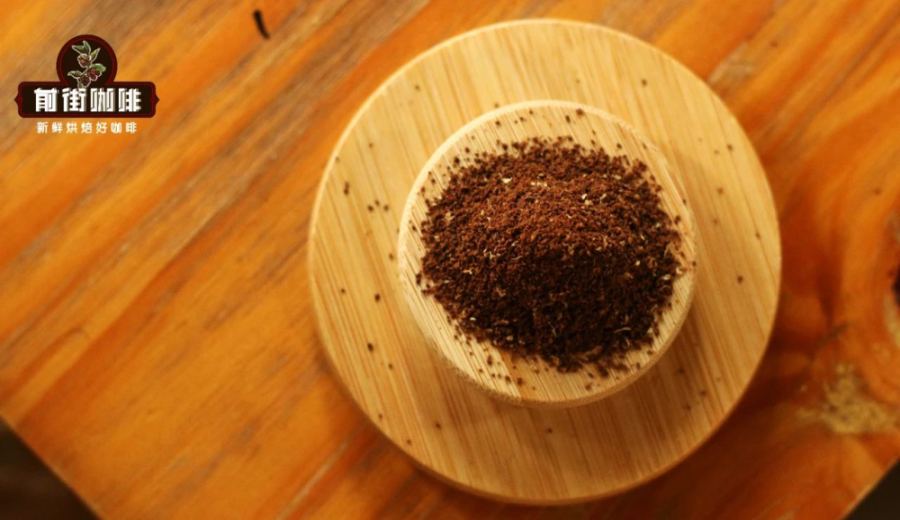
Introduction:The flavor expression of pour over coffee is closely related to grind size. From the impact of particle coarseness on water flow rate to the balance of release between acidic, sweet compounds, and caramelized flavors, grind settings are a critical factor in determining the success of extraction. This article will explore, from a practical perspective, the optimal grind ranges for coffee beans of different roast levels, teach how to use a 0.85mm No. 20 sieve to check for particle uniformity, and guide you in assessing whether your grind is appropriate by observing the water flow state. This will help beginners establish a stable and repeatable adjustment method.
In the world of pour over coffee, grind size is one of the core variables that determines the success or failure of a cup. Different particle sizes not only dictate how quickly hot water passes through the coffee bed, but also directly affect the extraction ratio of acidity, sweetness, and caramelized compounds. Mastering the correct grind settings is an essential skill for every pour over enthusiast.
When coffee is ground too coarse, hot water passes through more quickly, resulting in lower overall concentration and extraction yield, often leading to a thin or weak flavor profile. Conversely, if the grind is too fine, the water flow slows down, and over-extraction can bring about bitterness and a gritty sensation. Therefore, finding the right grind size suited to the bean type and roast level is the first step toward achieving stable flavor output.
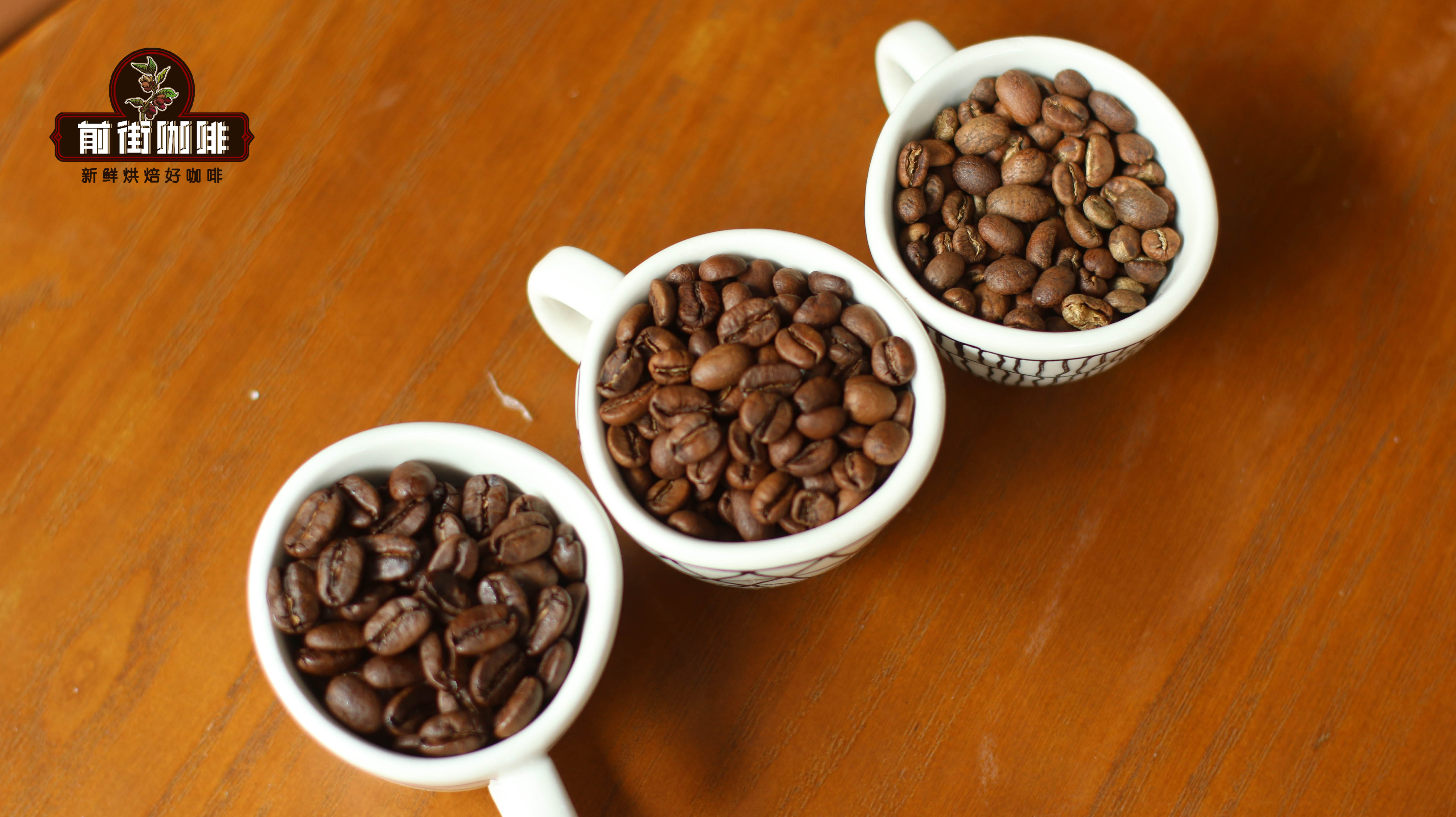
During the roasting process, a series of chemical reactions occur within coffee beans, among which the Maillard reaction and caramelization are key stages in shaping aroma. The Maillard reaction is a combination of sugars and amino acids at varying temperatures, producing complex fragrances reminiscent of nuts, cream, and even chocolate. Caramelization refers to the browning process that occurs when sugars are heated, imparting sweet notes of honey, maple, and caramel to the coffee. Generally speaking, light roast coffees tend to have more pronounced acidity, often featuring citrus and berry-like aromas, while medium to dark roasts highlight richer, caramel and nutty flavors.
At the same time, the roasting process also generates a large amount of carbon dioxide inside the coffee bean, especially noticeable in medium to dark roasts. If these gases are not properly released during extraction, they can not only hinder water penetration but also lead to uneven flavor release. Therefore, it’s recommended to let freshly roasted coffee beans degas before brewing. For light to medium roasts, allow 3–4 days of rest; for medium to dark roasts, 5–6 days is advisable. Letting carbon dioxide escape naturally through the packaging valve helps achieve more stable and layered flavors during extraction.
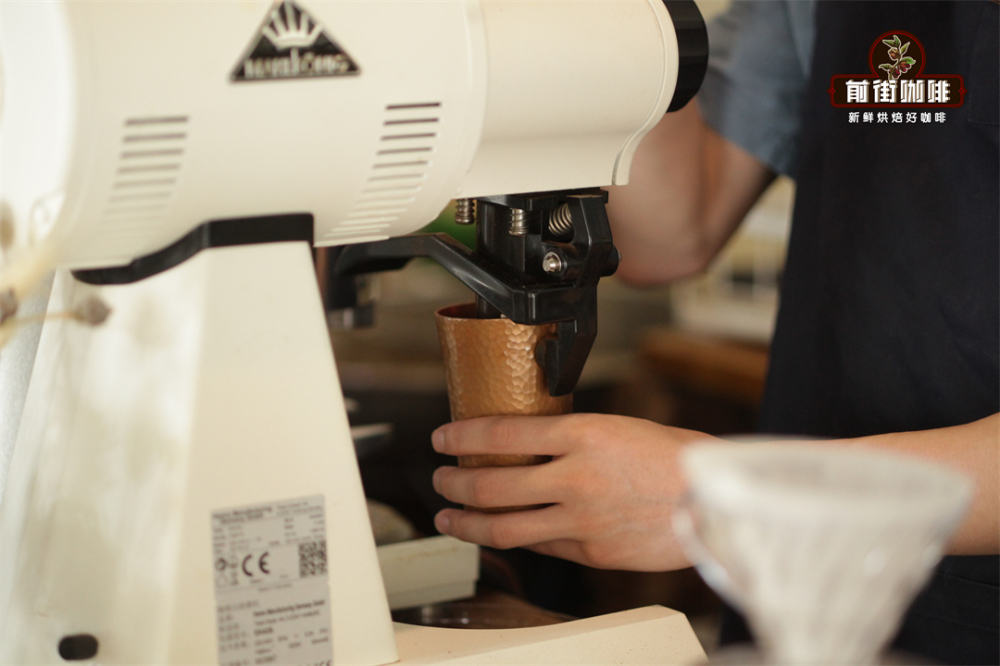
So, what constitutes an appropriate grind size for pour over coffee? Taking commonly used light to medium and medium to dark single-origin beans as examples, here are some suggested guidelines:
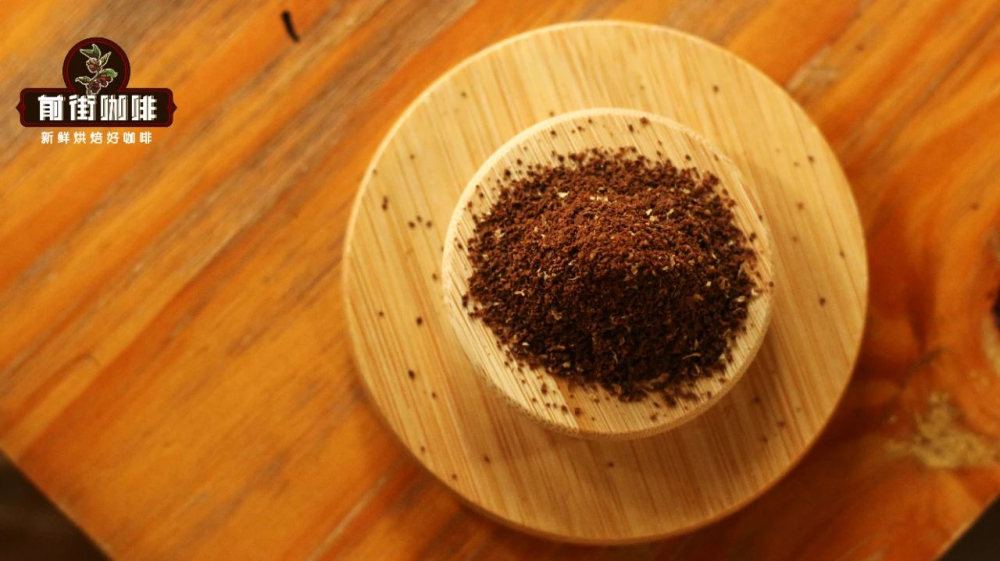
For light to medium roast coffee beans, which typically exhibit brighter acidity and less readily released caramelized compounds, a medium-fine grind is recommended—approximately an 80% passing rate through a 0.85mm No. 20 sieve, with a particle feel similar to that of fine sugar. This grind size helps extend the water flow time, allowing for more thorough extraction of acidity, sweetness, and caramel notes, resulting in a more balanced overall flavor. It is advised to use a water temperature of 90–91°C. If the water is too hot, it may cause over-extraction of caramelized compounds, leading to bitterness; if too cool, under-extraction may occur, resulting in a flat and unremarkable flavor.
As for medium to dark roast coffee beans, which usually have lower acidity and higher body, along with more abundant caramelized compounds, a medium-coarse grind is suggested—around a 70% passing rate through a 0.85mm No. 20 sieve, with a particle feel akin to coarse sugar. A medium-coarse grind speeds up the water flow, helping to avoid over-extraction, and allows the coffee to present a sweet and full-bodied taste while reducing bitterness and astringency. The recommended water temperature is set between 86–88°C; too high a temperature may bring out bitterness, while too low may result in a dull flavor.
Regarding the use of a 0.85mm No. 20 sieve, it is a common tool used by many professional baristas to check for particle uniformity. Its basic principle is to sift out overly coarse or fine particles, ensuring that the majority of coffee grounds fall within the target range. If you don’t have a professional sieve, you can also assist in judgment by observing the water flow speed: if water flows through the coffee bed too quickly, it usually indicates the grind is too coarse; conversely, if the water flows slowly or even drips poorly, the grind may be too fine.
The specific operation is as follows: take 10 grams of coffee beans, grind them to the expected fineness—roughly similar to fine or coarse sugar—and pour the ground coffee into the sieve. Gently shake the sieve until no more particles are falling through. Then weigh the sieved coffee powder. If the passing rate is 80%, it falls into the medium-fine category; if it’s 70%, it’s medium-coarse. If the passing rate is too high, adjust to a coarser grind; if it’s too low, make the grind finer.
Additionally, the uniformity of particle size is also key to extraction. If the ground coffee has an uneven distribution of particle sizes, larger particles may impede flavor release, while smaller ones can lead to over-extraction and off-flavors. The ideal grind should consist of the vast majority of particles concentrated within the target range, ensuring a stable extraction of clean and layered flavors. If you frequently encounter uneven particle issues, consider switching to a grinder with better fineness control and particle uniformity.
The above content is compiled by CoffeeHunters, a coffee news website.


