







Introduction:Colombia is the world’s second-largest producer of Arabica coffee. Blessed with exceptional geographic and climatic conditions, it cultivates a diverse array of premium coffees with captivating flavors. This article delves into the characteristics of Colombia’s major producing regions, mainstream and emerging cultivars, washed and specialty processing methods, as well as the official grading system and roasting strategies. It also provides practical pour over recommendations and extraction parameters to help you comprehensively master the essence of Colombian coffee — from beginner to advanced level.
Thanks to its low latitude and high-altitude mountainous terrain, Colombia enjoys stable year-round weather and abundant rainfall, making it one of the most suitable regions for growing Arabica coffee. With cultivation altitudes ranging from 1,200 to 1,900 meters, the country not only achieves two harvests annually but has also gradually secured a foothold in the specialty coffee market. In the past, Colombian coffee was mostly used in commercial blends, often employed in dark-roasted espresso blends. However, since 2001, the focus has shifted toward specialty coffee development — especially in the high-altitude southern regions — where it now consistently produces high-quality beans with bright berry acidity and caramel sweetness.
Colombian coffee-producing regions can be categorized into specialty and commercial types based on market positioning. Specialty regions are concentrated in the south at elevations above 1,500 meters, including departments such as Cauca, Huila, Meta, Tolima, and Nariño. Coffees from these areas generally exhibit delicate berry notes, bright acidity, and rich sweetness, making them a top choice for many single-origin enthusiasts.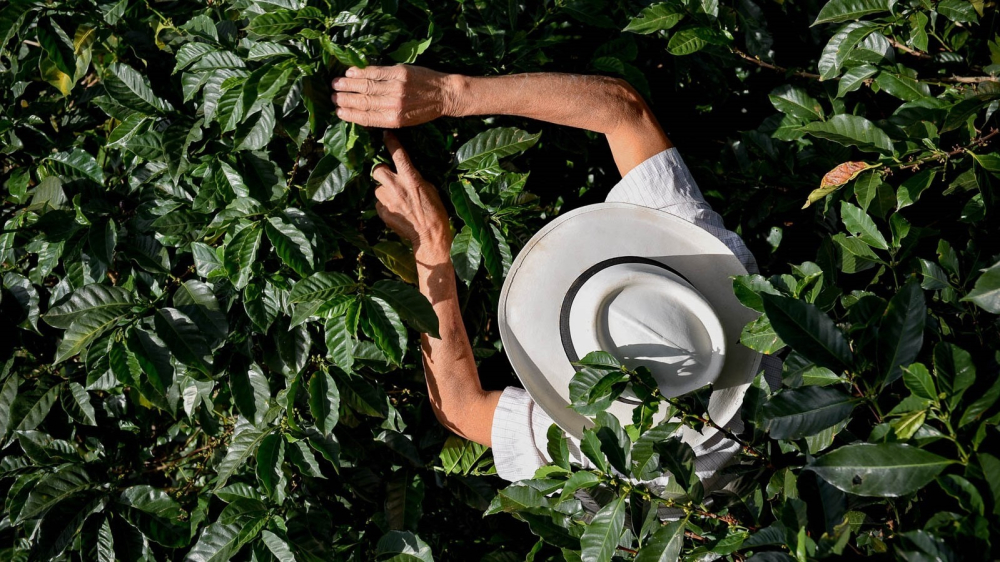 In contrast, commercial beans are mostly produced in central and northern regions such as Medellín, Armenia, and Manizales. These beans typically display mild fruit acidity, nutty, and caramel flavors, making them suitable for blends or everyday drinking.
In terms of varieties, the most commonly cultivated in Colombia are Caturra and Catuaí. Caturra is a natural mutation of Bourbon, with shorter plants and high yields, though it is less resistant to disease. Its flavor profile is clear with bright acidity. Catuaí, a hybrid of Caturra and Mondu Novo, offers better resistance to wind and rain, with firm fruit and comes in both red and yellow varieties. However, cupping often shows that the red-fruited version tends to perform more cleanly. Additionally, Colombia grows disease-resistant varieties with Robusta lineage, such as Castillo, as well as the iconic “Colombia” variety — a cross between Caturra and Timor. Through multiple generations of backcrossing, this variety successfully reduces the moldy and harsh flavors common in robusta-like beans, resulting in a flavor closer to traditional Arabica while retaining high yield and disease resistance.
Most Colombian coffee is processed using the washed method, especially by small and medium-sized farms, whose meticulous processing better highlights regional terroir and nuanced layers.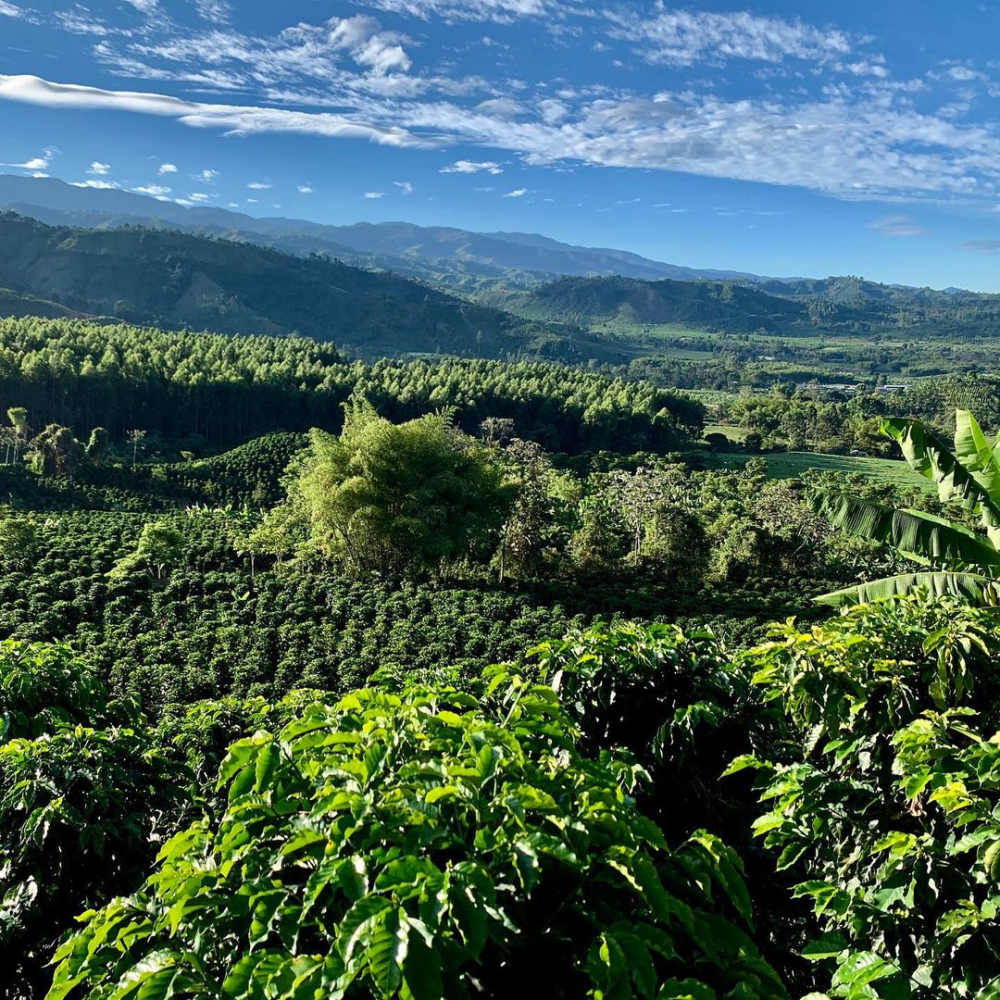 The processing procedure includes initial flotation to remove unripe beans, followed by depulping to strip the outer skin and pulp. Then, the mucilage-covered beans are placed in fermentation tanks for 16 to 36 hours. Once microbes break down the mucilage, the beans are thoroughly rinsed with clean water and finally dried either by sun or mechanically. This method emphasizes clarity and purity of flavor and is the preferred processing style for many entry-level specialty beans. In recent years, Colombia has also actively developed special processing methods such as wine barrel fermentation and anaerobic processing, continuously expanding the boundaries of coffee flavor expression.
Regarding the coffee grading system, Colombia primarily grades beans by size rather than directly assessing flavor performance. The highest grade, “Supremo,” indicates that at least 80% of the beans are 17 mesh or larger, but this is not absolutely correlated with flavor.Therefore, when purchasing, consumers should prioritize regional information. Specialty beans usually clearly indicate the province and farm name. If such details are absent, the beans are mostly intended for commercial use.
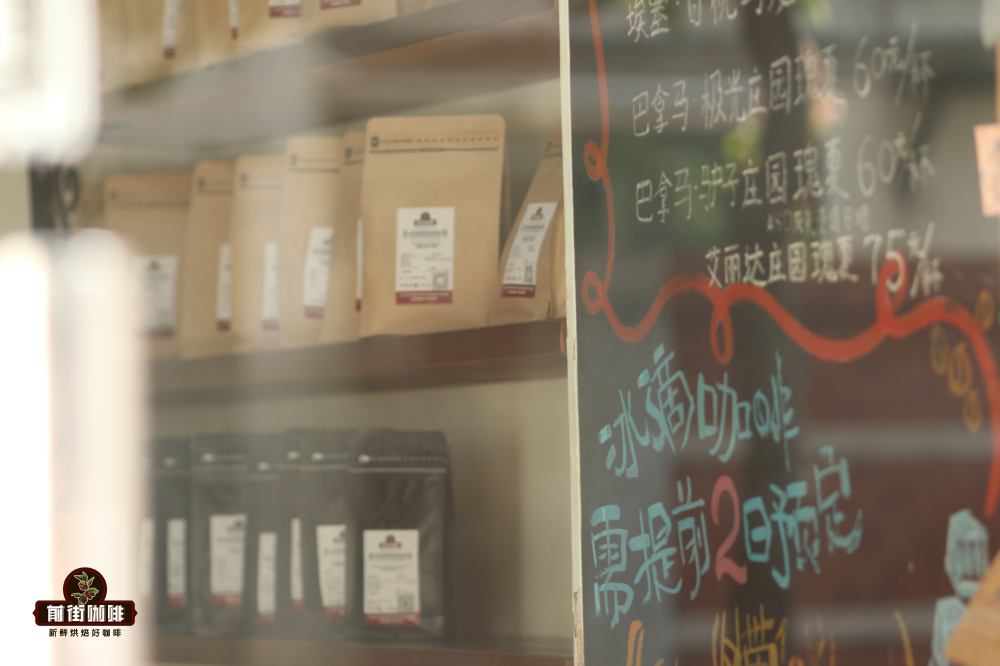
The roasting strategy of a certain well-known coffee brand typically focuses on preserving the beans’ inherent flavors, particularly soft acidity and caramelized sweetness. Common offerings from the brand include washed beans from the Huila region, showcasing notes of nuts, dark chocolate, and caramel; Rose Valley, which features rose floral, peach, and liqueur chocolate; Flower Moon Night, with intense strawberry jam and fermented aromas; and San Jose, blending rum, tropical fruits, and maple sweetness.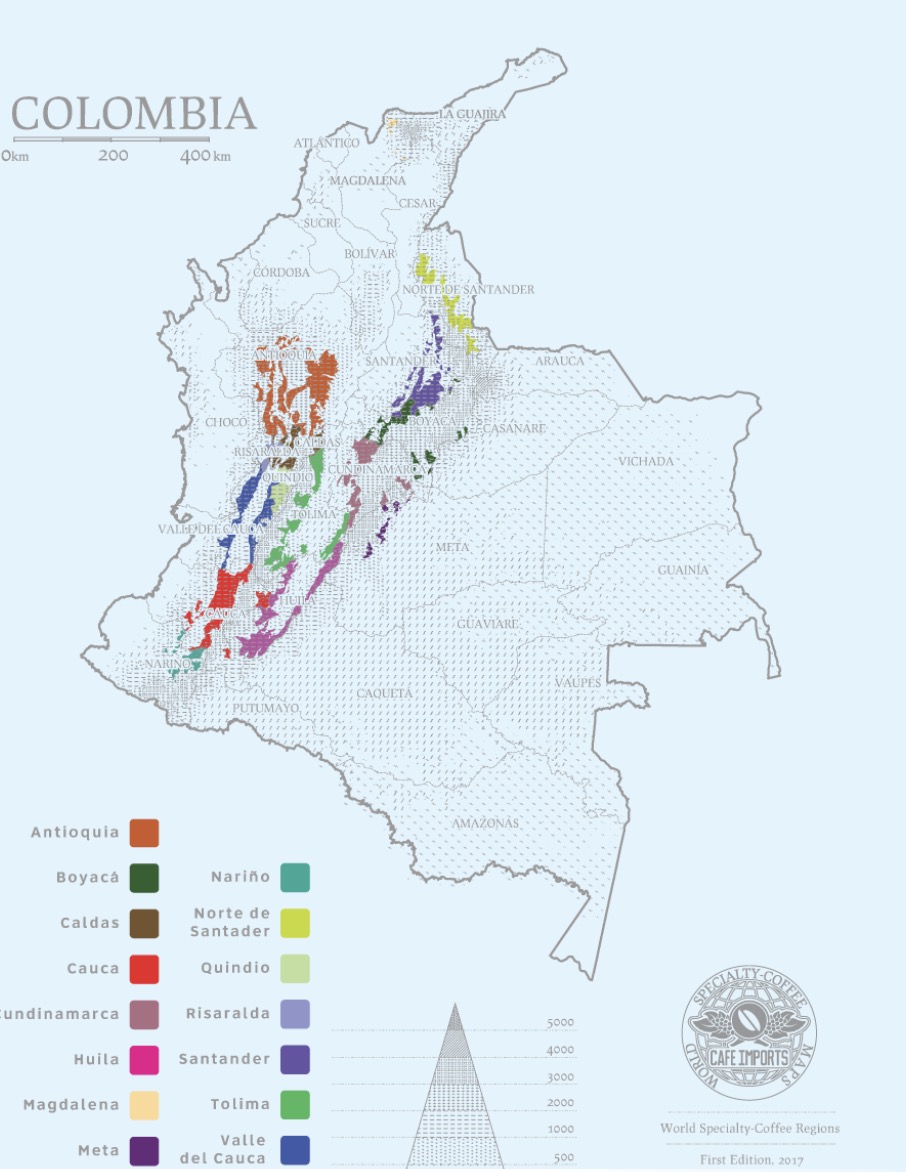 Others, such as Sakura beans, offer layers of basil, berries, and spices, while Hanami presents composite aromas of pink pepper, chamomile, Valencia orange, and honey — ideal for coffee lovers who enjoy diverse flavor profiles.
In terms of roast level, most Colombian specialty beans are recommended to be medium roasted to extend the time from turning yellow to first crack, further enhancing sweetness. As for extraction, it is advised to use a V60 filter cone, with water temperature at 90–91°C, a medium-coarse grind similar to caster sugar (approximately 80% passing through a #20 sieve), and a powder-to-water ratio of 1:15. For practical brewing, a three-stage pouring method can be used: the first pour injects 30 grams of water for a 30-second bloom, followed by 95 grams (total about 125 grams). When the water level drops to two-thirds of the coffee bed, add another 100 grams (total about 225 grams). The entire extraction should be controlled within around two minutes to fully showcase the delicate and layered qualities of Colombian coffee.
The above content is compiled by CoffeeHunters, a coffee news website.


