







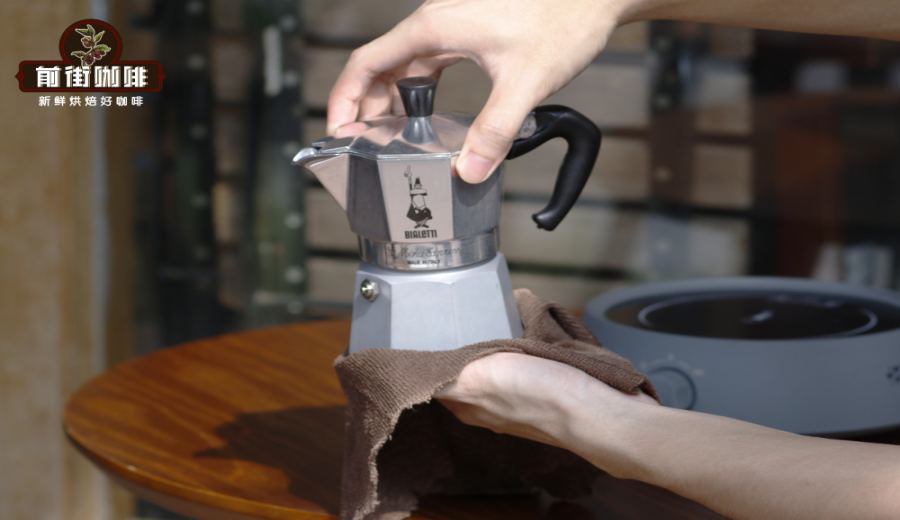
Introduction:The Moka pot is a classic brewing device found in many coffee enthusiasts' homes. However, questions remain about heating methods, grind size, coffee-to-water ratio, and the right time to turn off the heat. This guide delves into the Moka pot’s structure and working principles, the differences between single and double valve models, capacity selection, and offers practical recommendations on coffee beans, grind settings, heating techniques, and extraction timing — helping you brew rich and balanced coffee at home.
The Moka pot is a handy tool for many home coffee lovers, but brewing a high-quality espresso-like shot still involves several details worth noting. Many users are uncertain about using an open flame, safe operation, and how to adjust extraction by altering grind size and coffee-to-water ratio. This article provides a comprehensive overview of the Moka pot’s basic structure and usage process, along with practical advice on common concerns, ensuring you can use this classic device with more confidence.
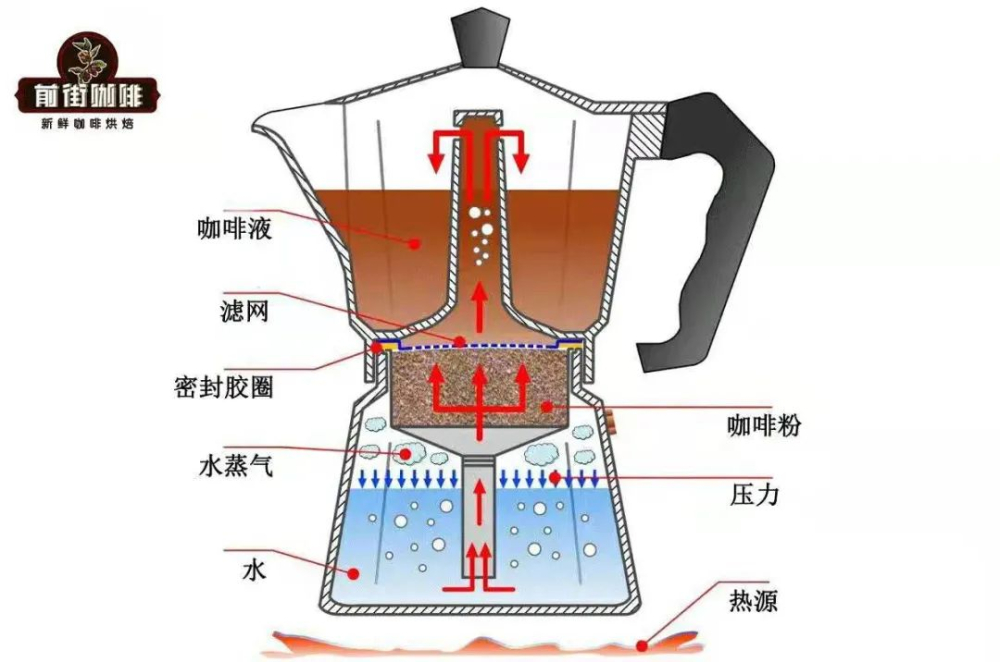
The Moka pot mainly consists of three parts:Upper chamber,filter basket, andlower chamber. The lower chamber is for adding water, the filter basket holds finely ground coffee, and the upper chamber collects the final brewed coffee. It operates by using steam pressure generated from heating the lower chamber. When the pressure builds up sufficiently, hot water is pushed up through the coffee grounds and into the upper chamber, completing the extraction. Although the pressure produced by a Moka pot is only about 1.5 to 2 bar — much lower than the 9 bar of a professional espresso machine — it is still enough to extract rich coffee oils, resulting in a bold and full-bodied flavor.
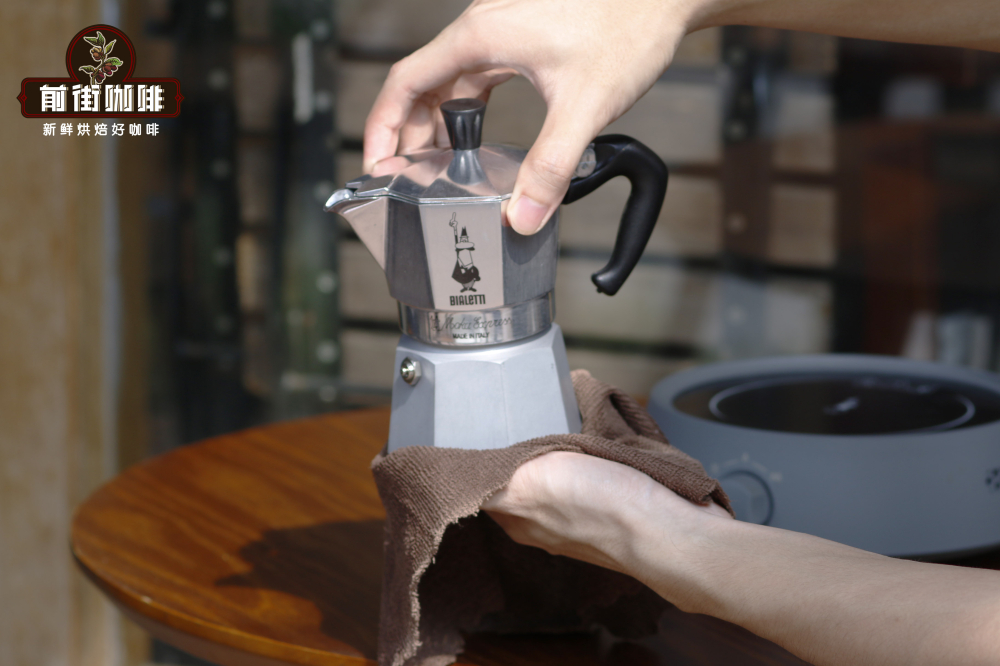
Moka pots on the market are mainly divided into single valve and double valve types. In a single valve Moka pot, coffee flows out from two small holes at the top of the central tube, while the double valve design includes an additional pressure-release valve. When steam pressure reaches a certain level, this valve opens, causing the coffee to be ejected with more force. Generally speaking, the double valve version extracts more crema and delivers a richer, more intense flavor. If you prefer a heavier taste, the double valve is the better option.
Moka pot capacity is usually indicated in “servings” or “cups,” with common sizes including 1, 2, 3, 6, 9, 12, and 18 servings. For single or double users, a small 1–2 serving pot is sufficient. For sharing with friends, a 3-serving pot is ideal. For making multiple cups at once, consider larger options of 6 servings or more, though the price will increase accordingly. Choosing the right capacity helps ensure a more balanced coffee flavor in each brew.
When selecting coffee beans, it’s recommended to choose beans with a medium to dark roast or darker, as too light a roast can bring out prominent acidity that affects the overall taste. Here are three coffee bean recommendations suitable for the Moka pot: First is a “Premium Blend Coffee Bean,” combining Brazilian semi-washed and Colombian washed beans, offering rich notes of nuts, roasted peanuts, cocoa, cream, and caramel. Second is “Queen Estate Yellow Bourbon,” medium to dark roasted, showcasing sweet caramel and cane sugar tones — excellent whether enjoyed black or with milk. The third recommendation is “Indonesia PWN Golden Mandheling,” produced by renowned Indonesian exporter Pawani, known for its full-bodied, rich taste and high cleanliness, perfect for those who enjoy deep-roasted bitter-sweet profiles.
Grind size is one of the key factors affecting successful extraction with a Moka pot. The ideal particle size range is approximately 0.3 to 0.55 mm — visually similar to espresso grind, but slightly coarser than what’s typically used in standard espresso machines. If the grind is too coarse, water flows too quickly, leading to under-extraction and a weak flavor. If too fine, water flow is restricted, often causing over-extraction, resulting in burnt and bitter tastes, and even coffee spraying due to excessive pressure. A moderate grind size helps achieve the best extraction balance.
Regarding the coffee-to-water ratio, it’s recommended to fine-tune according to your Moka pot’s capacity and personal taste preferences. Generally, there’s no need to be overly precise with weighing tools — just ensure the water level does not exceed the pressure relief valve position, typically filling up to just below it. The coffee amount should fill the filter basket, ensuring the coffee bed is level and firm but not compacted, leaving no gaps without pressing. This differs from the tamping step used in espresso machines, so please pay special attention.
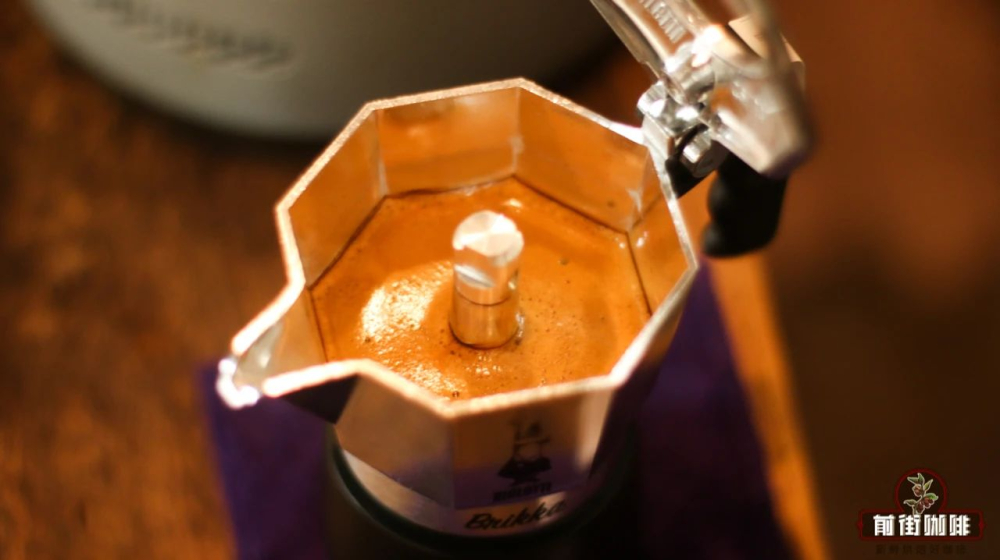
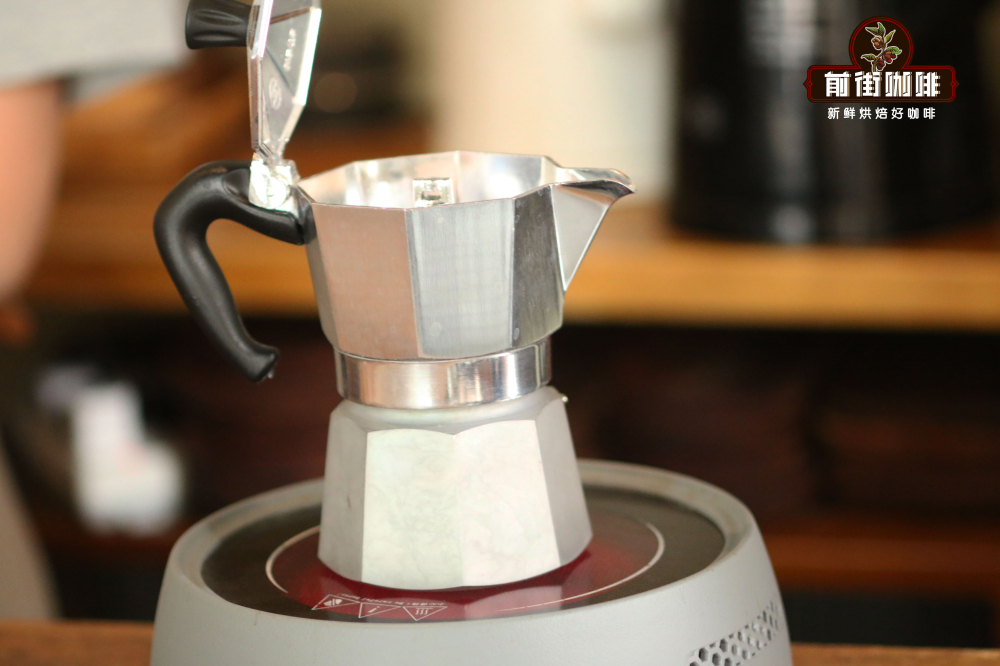
There are various ways to heat a Moka pot, including electric coil stoves, induction cooktops, and open flames. If using an open flame, be sure to keep the heat low and remove the heat source as soon as coffee begins to flow to avoid over-extraction or dangerous overheating. It is generally recommended to use medium heat. When you hear a “hissing” steam sound, you can open the lid to observe. Once you see the first drop of coffee being ejected from the upper chamber, that’s the ideal time to turn off the heat. Continuing to use high heat or waiting until the coffee starts boiling vigorously before turning off the heat can easily result in burnt, bitter flavors that compromise the overall taste.
Additionally, whether to open the lid during the brewing process mainly depends on whether you want to observe the extraction. While some videos may open the lid to show the coffee spraying out, generally keeping the lid closed helps maintain stable pressure and temperature, reducing the risk of coffee splashing. If you’re unsure about when to turn off the heat, you can moderately open the lid to observe — but be cautious of hot liquid splashes to avoid burns.
The above content is compiled by CoffeeHunters, a coffee news website.


