








Introduction:Delve into Guatemala, one of Central America’s premier coffee-producing countries. Discover how its unique volcanic terrain and high-altitude environment give rise to beans with intense flavors, explore the subtle flavor differences and altitude distributions across eight renowned regions, and understand the key steps of the washed processing method. This article will help you grasp the essence of Guatemalan coffee and make more precise choices when selecting beans from your preferred region and with your desired flavor profile.
Guatemalan coffee is famed for its hard bean quality and rich flavors nurtured by high-altitude volcanic soils, often carrying a distinctive smoky aroma reminiscent of the interplay between chocolate and smoke. Its beans are typically grown at altitudes between 1,200 and 2,000 meters, resulting in pronounced fruit acidity and rich complexity—making it a must-try for global specialty coffee enthusiasts.
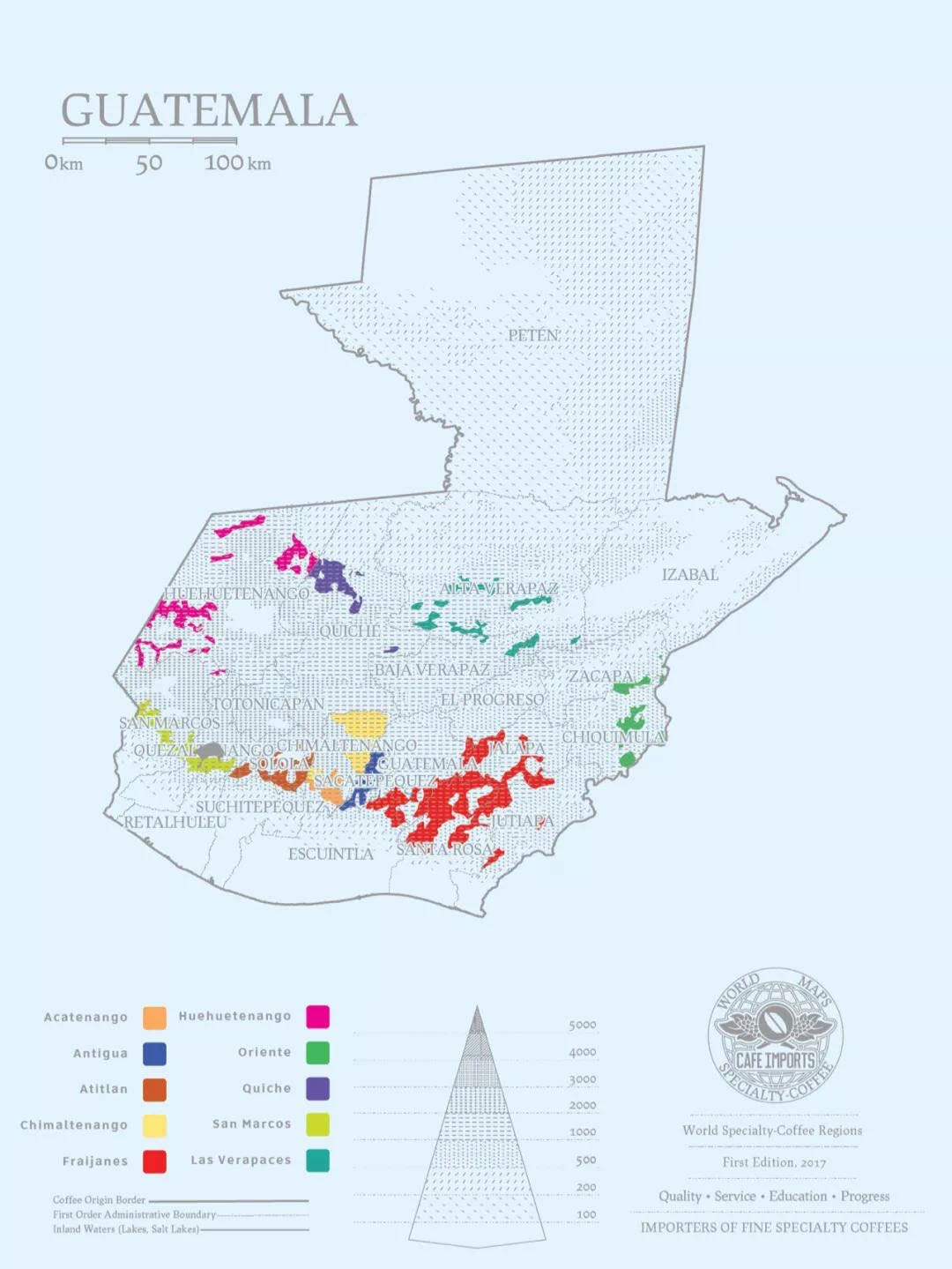
Guatemala’s coffee culture originated in 1750 when Jesuit priests first introduced coffee, gradually developing into an industry by the late 19th century under the influence of German colonists. Today, coffee production is primarily concentrated in the southern highlands, encompassing eight highly representative regions: Antigua, Acatenango Valley, Cobán Rainforest, Volcanic San Marcos, Lake Atitlán, Highland Huehue, Fraijanes Plateau, and New Oriente. Each region, shaped by its unique geography and microclimate, produces distinctly different flavor characteristics.
Take Antigua, for example. This historic former capital region is best known for its Bourbon variety grown in volcanic soil, celebrated for its well-balanced acidity and sweetness, sometimes referred to as “cigar coffee” due to its distinctive smoky aroma that has won widespread acclaim. In contrast, the Acatenango Valley, with its vast altitude range, experiences significant day-night temperature variations and is surrounded by misty volcanic terrain, yielding coffee with delicate fruit acidity, captivating aromas, and notably prominent sweetness.
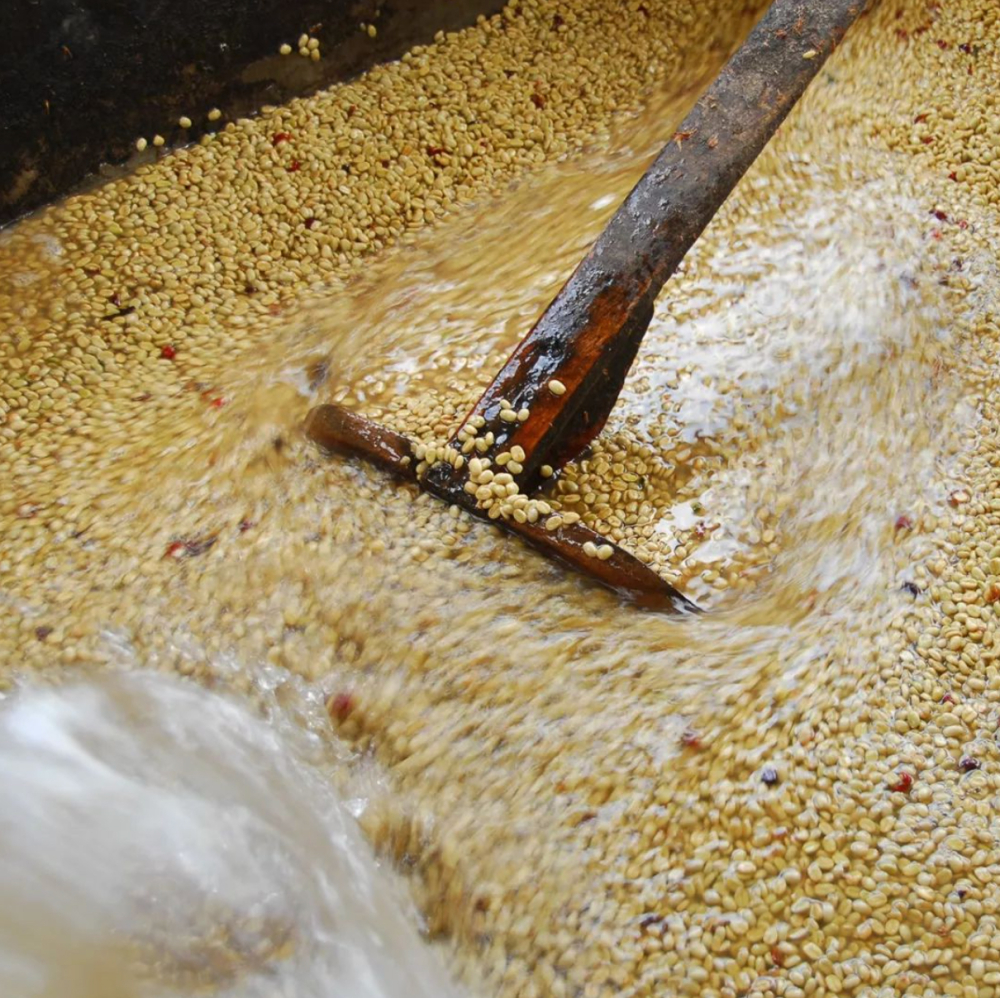
Guatemalan coffee generally employs the washed processing method, which effectively highlights the fundamental flavor characteristics of each region and serves as an entry point for many coffee newcomers to familiarize themselves with the country’s profiles. The washed process can be broadly divided into the following steps: First, during harvesting, only fully ripe coffee cherries are selected, with defective and unripe ones removed; next, a pulper is used to remove the outer fruit layer, leaving seeds coated with mucilage; then, the mucilage-covered beans are placed in fermentation tanks where microbial action breaks down the mucilage—a process taking approximately 16 to 36 hours. During this time, occasional stirring promotes the reaction, and organic acids such as citric and malic acids are generated, making the acidity of washed beans more pronounced; finally, the cleaned beans are dried by sun or machine until their moisture content reaches about 12%, after which the parchment layer is removed to produce green beans.
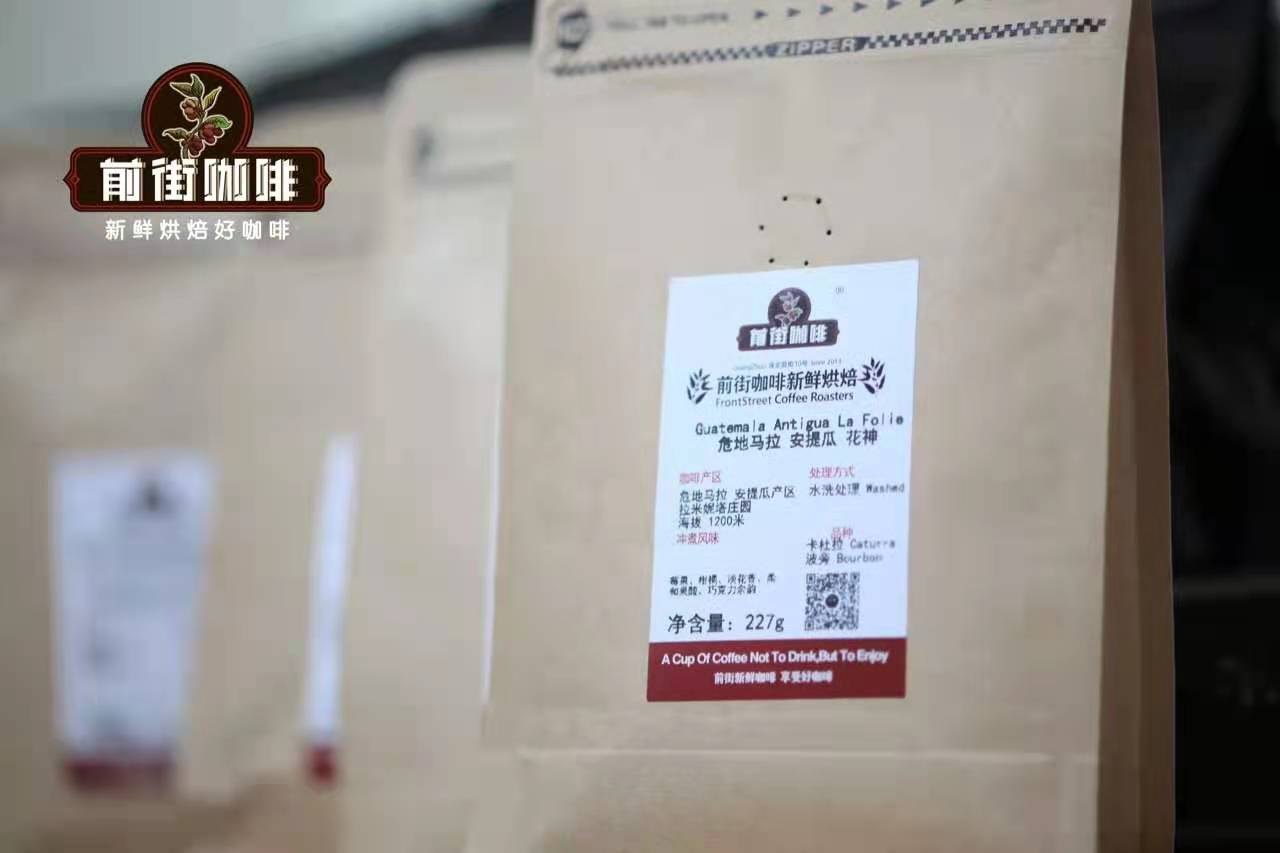
In addition to washing, some regions also use the natural (sun-dried) processing method, which can impart richer sweetness and fermentation layers, though the resulting flavors tend to be more variable depending on processing techniques. For instance, Guatemalan Huehuetenango coffee beans sold by a well-known coffee brand are a representative example that showcases bright fruit acidity and citrus notes through washed processing.
Next, we take a deeper look at the unique flavor characteristics and altitude distributions of Guatemala’s eight major regions:
Antigua (Antigua)
As one of Guatemala’s most iconic regions, Antigua boasts mineral-rich volcanic soils ideal for growing Bourbon varieties. With an altitude range of about 1,500–1,700 meters, its coffee is celebrated for its balanced acidity and sweetness, complemented by smoky and chocolatey aftertastes, symbolizing high-quality specialty coffee. However, due to its fame, counterfeit products are common in the market, so it’s important to pay attention to sourcing when selecting.
Acatenango Valley (Acatenango Valley)
Adjacent to Antigua, with altitudes ranging from 1,300–2,900 meters, the valley experiences large day-night temperature differences and a foggy volcanic environment, giving its coffee outstanding sweetness and delicate fruit acidity, with aromas and flavors deeply loved by coffee enthusiasts.
Cobán Rainforest (Rainforest Cobán)
Located in a humid, rainy tropical area at elevations of about 1,300–1,500 meters, the region is perpetually shrouded in fog. Coffee processing here is relatively challenging, but when done well, it can exhibit intense chocolate and tropical fruit flavors.
Volcanic San Marcos (Volcanic San Marcos)
With altitudes between 1,400–1,800 meters, frequent rainfall affects harvesting and drying, leading to less stable quality. However, well-processed coffee cherries can still showcase unique aromas and rich acidity-sweetness profiles.
Lake Atitlán (Traditional Atitlán)
Surrounding a high-altitude lake with fertile soils, the region sits at 1,500–1,750 meters. Its coffee often features a thick and viscous mouthfeel, making it one of Guatemala’s renowned high-altitude lake-growing areas.
Highland Huehue (Highland Huehue)
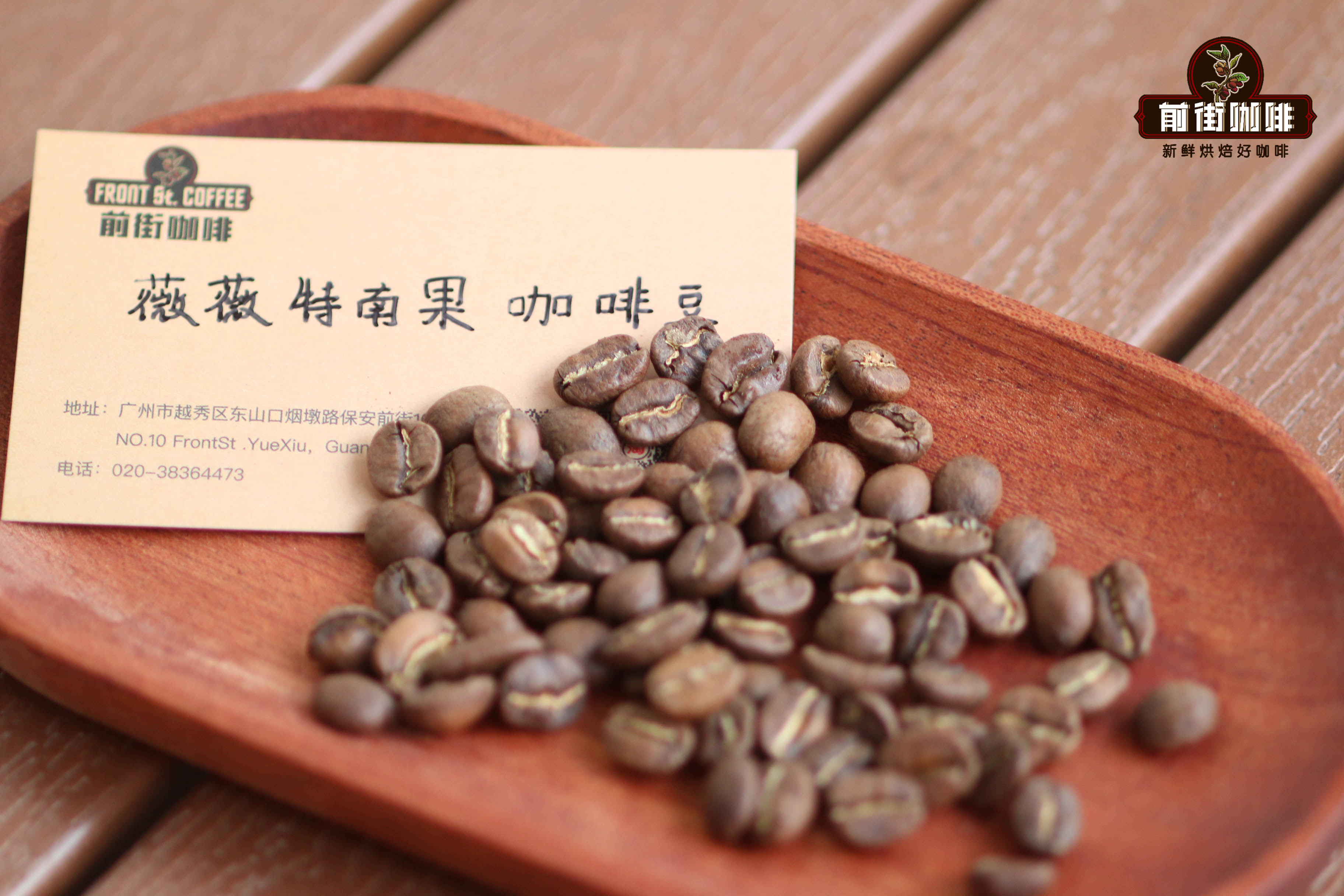
With the highest average elevation of 1,500–2,000 meters, this volcanic region benefits from a cool climate and dry hot winds that aid coffee growth. Its coffee is known for bright acidity, floral notes, and versatile flavor profiles, making it a top choice for enthusiasts of nuanced flavors.
Fraijanes Plateau (Fraijanes Plateau)
Also a volcanic zone at 1,400–1,800 meters, its pumice-rich soils are high in minerals. The coffee here offers balanced flavors with unique aromas, gentle acidity, and a rich mouthfeel.
New Oriente (New Oriente)
Near the Honduran border, at altitudes of 1,200–1,700 meters, the climate is similar to Cobán but warmer. The coffee features distinct chocolate and spice notes, presenting a flavor profile that stands out on its own.
Understanding the flavor characteristics and altitude backgrounds of these regions can help you choose the Guatemalan coffee beans that best suit your personal taste preferences. Whether you’re drawn to fruit acidity, chocolate notes, or prefer smoky and bold profiles, Guatemala’s diversity can fulfill your coffee exploration journey.
The above content is compiled by CoffeeHunters, a coffee news website.


