







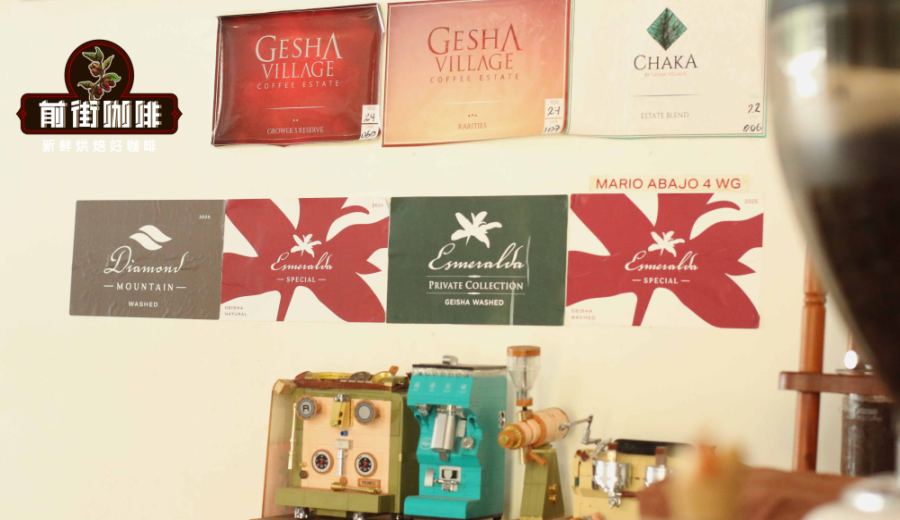
Introduction:Geisha coffee is renowned for its unique floral and fruity aromas and delicate flavor profile, but different grades and processing methods can significantly influence its taste expression. This article delves into the grading criteria for the Red and Green Label Geisha beans from Panama’s Hacienda La Esmeralda, explores the differences between Ethiopian heirloom varieties and those cultivated in Panama, and provides brewing recommendations and parameters for various processing methods such as natural and washed, helping coffee enthusiasts fully grasp the flavor potential of this premium bean from selection to brewing.
Geisha (also spelled Gesha) coffee is hailed as one of the finest in the coffee world, celebrated for its refined floral notes, bright acidity, and rich fruitiness, making it a dream coffee for many enthusiasts. From its initial discovery in Ethiopia’s Geisha forest to its stunning breakthrough at the Panama BOP competition in 2004, the rise of Geisha is not only a victory of the variety itself but also a culmination of growing environment and post-harvest processing. This article will detail the Geisha grading system, the classification logic behind Hacienda La Esmeralda’s Red and Green Labels, and offer practical pour over recommendations tailored to different processing methods, giving you a deeper appreciation of this top-tier coffee’s charm.
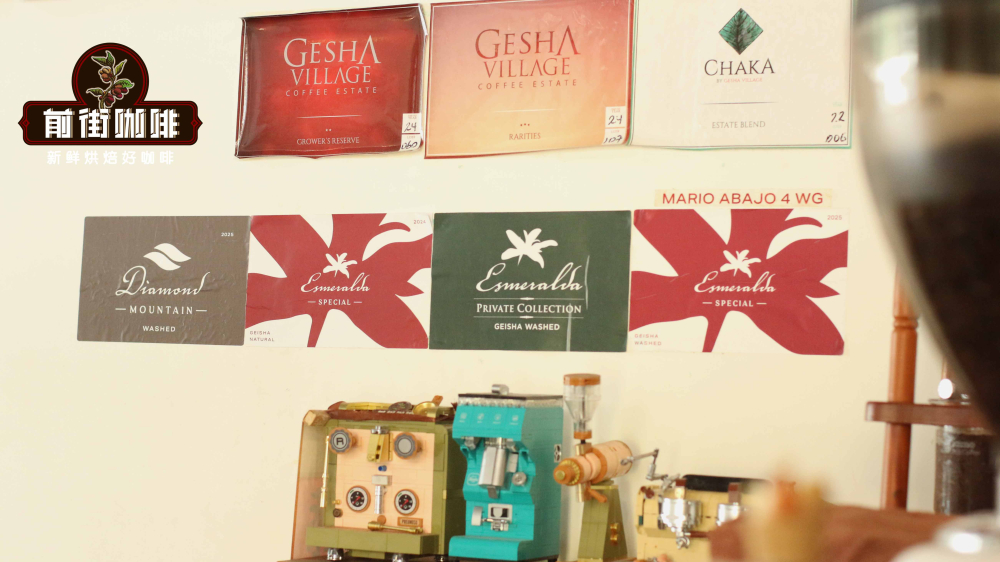
Geisha coffee is actually a coffee variety that originated in Ethiopia’s Geisha forest. It later traveled through Kenya, Uganda, Tanzania, and Costa Rica, and was finally introduced to Panama in the 1970s. Initially overlooked, it wasn’t until 2003 when Hacienda La Esmeralda (Hacienda La Esmeralda) began cultivating it separately from other varieties that it caught attention. The following year, it won the Best of Panama (BOP) competition with astonishing flavor performance, subsequently gaining worldwide fame. The flavor profile of Geisha typically includes bright citrus, tropical fruits like mango and peach, and a unique bergamot-like finish. Its clean cup and layered complexity have made it a consistent winner in many specialty coffee evaluations.
It’s worth noting that while the village of Geisha in Ethiopia also cultivates a variety known as “Gori Geisha,” it is not exactly the same as the Geisha from Hacienda La Esmeralda in Panama. Due to differences in growing environment and genetic lineage, the Ethiopian variant usually lacks the same delicate refinement and elegance found in the Panamanian counterpart, particularly in terms of aroma complexity and acidity brightness. Therefore, if you’re seeking the most classic and high-quality Geisha experience, Panamanian-grown beans remain the top choice.
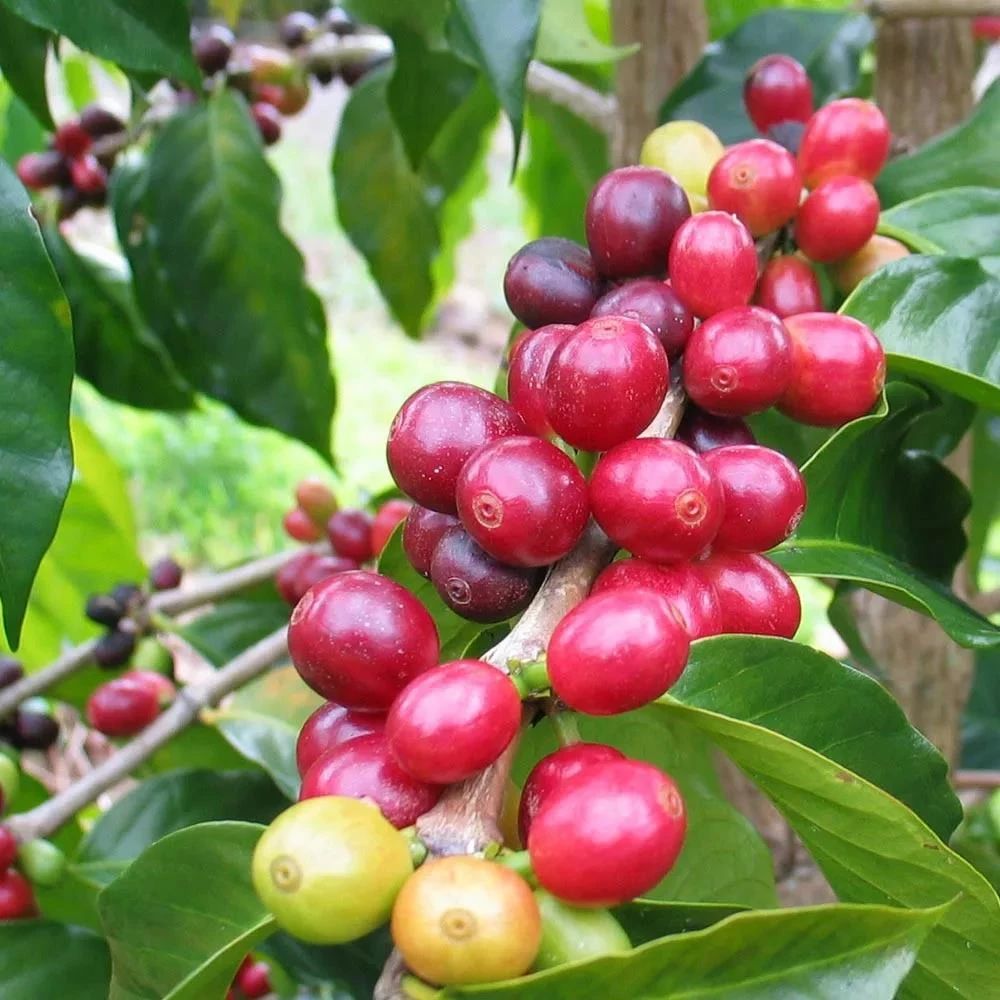
Panama’s geographic and climatic conditions play a crucial role in the flavor development of Geisha. Located in Central America and bordering Costa Rica and Colombia, Panama features an east-to-west mountainous terrain. This causes cool air from the Caribbean Sea to be blocked by the central mountain range, creating a unique microclimate in areas above 1,900 meters in elevation (such as Boquete and Candela). The region’s high altitude, foggy conditions, significant day-night temperature variations, and fertile volcanic soil contribute to Geisha coffee’s extraordinary acidity clarity and complex floral-fruity aromas.
Hacienda La Esmeralda is the representative producer of Panamanian Geisha. Originally, these coffee trees were used only as windbreaks until the farm owners discovered their exceptional cup quality and decided to cultivate them separately. Since its first BOP victory in 2004, the estate has gradually established a grading system comprising Red Label, Green Label, and Blue Label through rigorous cupping and altitude-based zoning management. These grades are mainly based on cultivation altitude and cupping scores, with higher altitudes generally yielding more refined flavors.
Red Label Geisha is the flagship offering from Hacienda La Esmeralda. It is selected from beans grown at elevations between 1,600 and 1,800 meters with cupping scores of 90 or above, sourced from high-altitude regions such as Jaramillo and Cañas Verdes. These beans are typically released only through exclusive auctions and are processed either via natural or washed methods. They are renowned for their intense floral aromas, berry-like acidity and sweetness, and honey-like finish. The cup is full-bodied and layered. It should be noted that non-auction versions of Red Label are also available on the market. Though they come from the same plots, they are not part of the auction process, making them more affordable while retaining similar flavor characteristics.
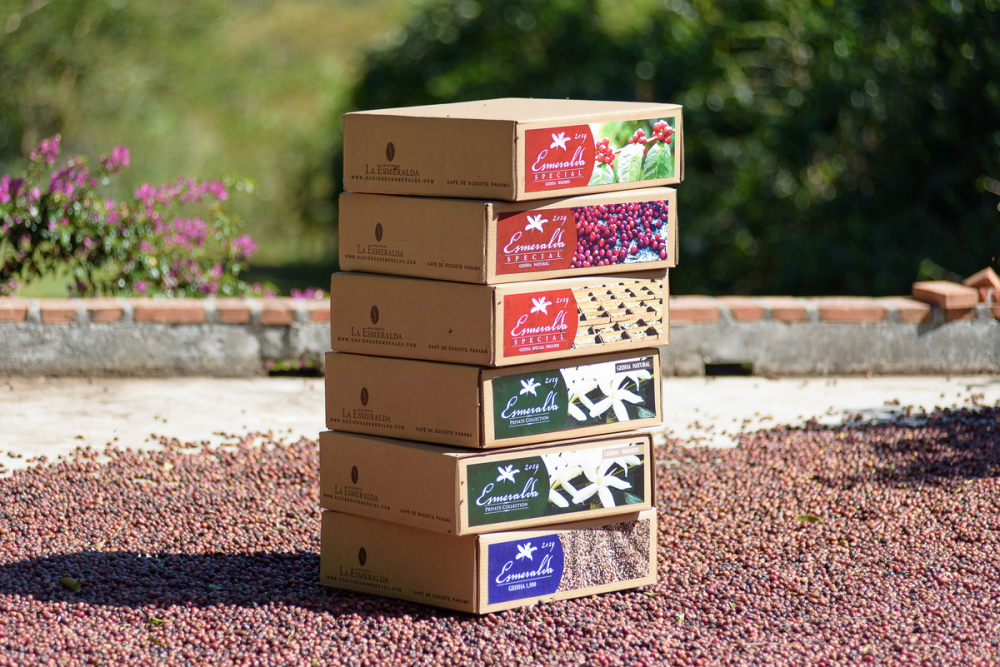
Green Label Geisha is a high-quality micro-lot from Hacienda La Esmeralda. Although it doesn’t participate in auctions, it is also grown at altitudes between 1,600 and 1,800 meters and is processed using a blend of beans. Green Label commonly employs both washed and natural processing methods: the washed version highlights bright citrus, delicate florals, and clean acidity, while the natural version offers more pulp-like texture and a richer, juicier mouthfeel—ideal for those who prefer a fuller-bodied cup. Though not as rare as the auction-grade Red Label, the Green Label remains an excellent entry point for experiencing the classic flavors of Geisha.
When selecting Geisha coffee, it’s recommended to prioritize information such as origin, altitude, processing method, and cupping score—all critical factors influencing flavor. In addition, regardless of the processing method chosen,coffee bean freshness is key to the final flavor outcome. It is generally advised to choose beans roasted no more than five days prior and to brew them within four to seven days after roasting to achieve the best flavor expression.
For Panama Geisha’s light to medium roast profile, it is recommended to use a Hario V60 dripper with a water temperature of 90°C, a water-to-coffee ratio of 1:15, and a grind size of approximately 80% passing through a #20 sieve . The brewing steps are as follows: begin with a 30-second bloom using double the coffee dose (around 30 grams) of water to release CO₂; then pour in a slow circular motion until you reach 125 grams and pause for a split pour; continue pouring until you reach 225 grams and stop, aiming for a total extraction time of around two minutes. Once dripping is complete, gently swirl the coffee in the server before pouring into your cup to better experience its layered flavors.
Red Label Geisha often showcases rose-like floral notes, citrus tones, roasted rice aroma, and berry-like acidity, with a juicy mouthfeel and a honeyed sweetness in the finish. Green Label emphasizes jasmine floral notes, citrus, and fruitiness, paired with a creamy body and delicate finishes reminiscent of green tea and cantaloupe. Overall, it presents a refreshing and layered cup. No matter which processing method you prefer, Geisha offers a highly distinctive coffee experience.
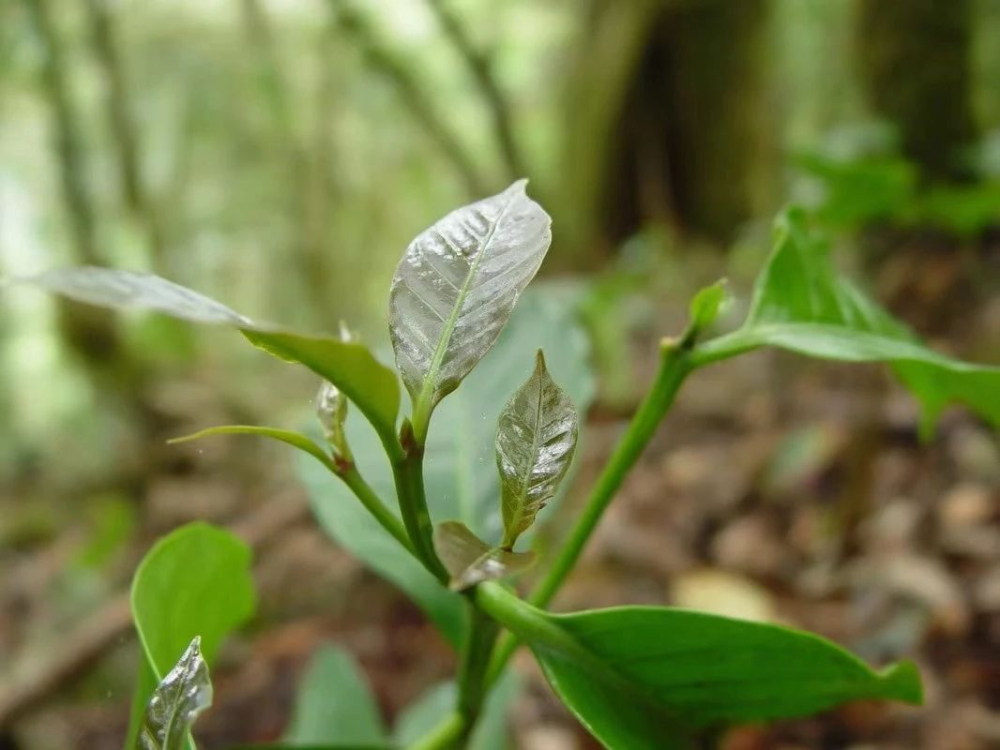
In addition to Hacienda La Esmeralda, other well-known farms in Panama such as Elida Estate and Boquete also grow Geisha. Moreover, Geisha can also be found in blends from Costa Rica’s Miramar, Colombia’s Hanami, and Panama’s Finca La Bella, among others. If you’d like to experience the flavors of Geisha on a more budget-friendly basis, these regions or blends are also great options, showcasing the same distinctive floral-fruity character and delicate acidity.
The above content is compiled by CoffeeHunters, a coffee news website.


