








Introduction:Have you ever been confused about what a Flat White (also known as Aussie flat white) is, or how it differs from a latte, cappuccino, or Starbucks’ Blonde Roast? This article delves into the origins of the Flat White, highlights the three key differences among classic Italian-style milk coffees—including foam thickness, coffee ratio, and overall flavor profile—and provides professional-grade parameters for making a Flat White. This way, you’ll understand the distinctions at a glance and be able to replicate similar flavors at home using either a pour over or espresso machine.
Flat White, also translated into Chinese as “澳白咖啡” (Aobai Coffee), “小白咖啡” (Xiaobai Coffee), or “醇艺白” (Chunyi Bai), is a classic Italian-style milk coffee that originated in Australia (though some claim it started in New Zealand). Although in Taiwan or Hong Kong, many consumers were first introduced to this coffee through Starbucks’ “Blonde Roast,” the truth is, the Flat White has long held a place in the international specialty coffee market and is considered by many coffee enthusiasts as the go-to choice for balancing coffee and milk flavors.

Compared to a latte (Latte) or cappuccino (Cappuccino), the most distinctive features of a Flat White are its “thinner foam” and “more intense coffee flavor.” All three drinks use espresso as the base and are paired with steamed milk, but they differ significantly in foam thickness, coffee ratio, and overall mouthfeel. Many people who are new to espresso-based drinks often mix up these three beverages, but once you grasp a few key parameters, it becomes easy to tell them apart.
Let’s start by understanding what a Flat White is. The origin of this coffee has always been debated—some say it was first launched in Melbourne, Australia, while others claim it comes from New Zealand. Regardless of where it originated, the essence of a Flat White lies in using silky microfoam and a single or double shot of ristretto as the base, served in a medium-sized ceramic cup with a capacity of typically 160–180 milliliters. This combination makes the coffee flavor more concentrated, with a soft milk presence that doesn’t overpower the cup.

In contrast, a latte usually comes in a larger cup size (about 240–300 milliliters), has a thicker layer of foam, and a higher proportion of milk, making it taste more like “milk with a hint of coffee.” A cappuccino, on the other hand, consists of equal parts espresso, steamed milk, and thick foam, with the foam being dense and pronounced. Cappuccinos are often topped with cocoa powder and are a popular milk coffee choice among younger crowds or children, but for coffee purists seeking the true essence of coffee, they may come across as overly sweet or airy.
The creation of the Flat White is said to have been driven by customer dissatisfaction with the “excessive foam” in cappuccinos and the “weak coffee flavor” in lattes. This led baristas to adjust the proportions of milk and foam, resulting in a new option featuring fine and even microfoam and a more prominent coffee flavor. In terms of drinking experience, a Flat White is closer to an “espresso-infused milk coffee with minimal microfoam,” allowing the aroma and bright acidity of the espresso to shine through clearly, while still maintaining the smoothness and warmth of the milk.
So, why has the Flat White become so popular in coffee shops around the world in recent years? One reason is its sensitivity to coffee bean quality. With less milk and foam, the inherent flavors of the coffee are more easily highlighted. If you use high-quality, single-origin beans or well-roasted beans—for example, ones with distinct citrus, floral, or caramel notes—these details will be clearly presented in a Flat White. As such, it’s also ideal for enjoying SOE (single-origin espresso) or beans processed with refined methods, aligning with the third-wave coffee trend of “tracing flavor origins.”
If you’d like to try making a professional-grade Flat White at home, here’s a practical reference recipe. It’s recommended to use a medium-dark roasted blend, such as one based on Honduran sherry-cask fermented beans and Yirgacheffe sundried beans, which can bring out layers of vanilla, cream, and a hint of wine. Here’s the step-by-step guide:
1. Grind approximately 20 grams of coffee, and extract around 27 grams of espresso using an espresso machine at 9–10 bar pressure (aim for a brew time of 20–25 seconds). If using ristretto, extract 18–20 grams for a more intense and concentrated flavor.
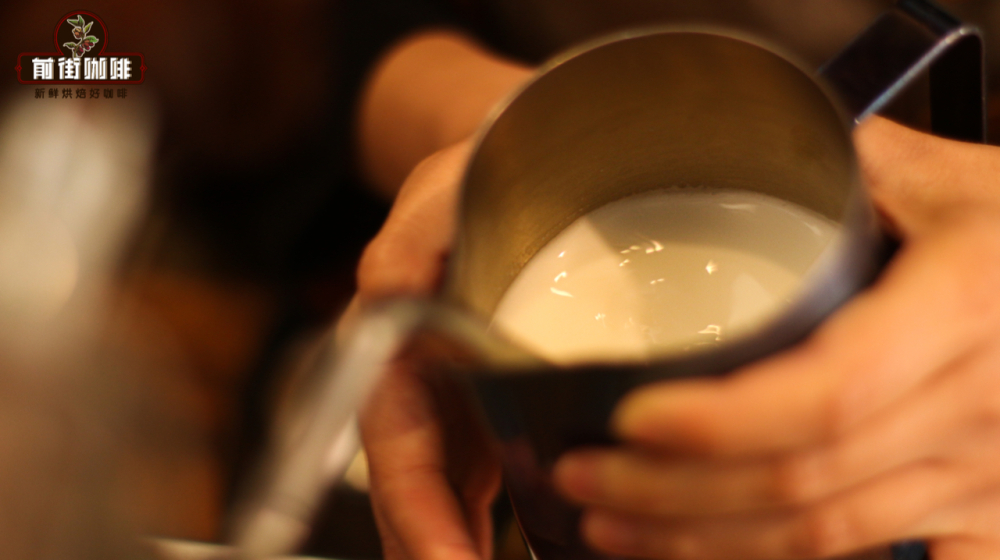
2. For the milk, it’s recommended to use fresh whole milk. Heat the milk to about 60–65°C and steam it to create fine microfoam. The foam thickness should be kept within 1–2 centimeters, with the total milk volume around 120–140 milliliters.
3. Slowly pour the milk into the espresso, following the principle of “first blending, then latte art.” It’s recommended to use a medium-sized cup with about 180 milliliters capacity. Since the foam is thinner, opt for simple patterns like small dots or hearts—or skip the latte art altogether.
4. The final drink should present a rich coffee aroma, a smooth mouthfeel, delicate and velvety microfoam, and a lingering finish with subtle sweetness and hints of wine.
This version of Flat White will showcase complex aromas like vanilla, chocolate milk, and whiskey truffles, along with the natural acidity of berries. It has a full-bodied yet layered taste, making it an excellent choice for coffee lovers who appreciate the harmony between coffee’s true character and the smoothness of milk.

The above content is compiled by CoffeeHunters, a coffee news website.


