







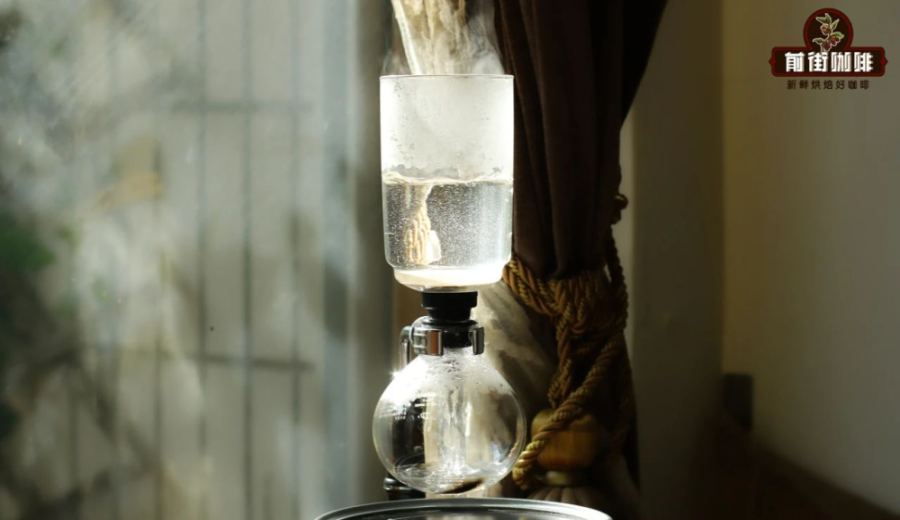
Introduction:Although the siphon (vacuum) pot is not as commonly used as pour over or espresso machines, it remains a classic brewing tool cherished by many coffee enthusiasts. This article delves into the various components of the siphon pot, operational details, and techniques—from filter material selection, heating methods, coffee-to-water ratio to stirring timing—guiding you step-by-step to master this dramatic brewing method. You’ll also learn how to achieve rich and layered coffee flavors through precise parameter control.
In today’s mainstream specialty coffee trends, the siphon pot may seem somewhat outdated, but its unique brewing process and flavor profile still attract many coffee lovers to give it a try. Even though many cafés no longer regularly offer siphon-brewed coffee, for enthusiasts who love this brewing method, making it themselves is a uniquely enjoyable experience. This article will start with the design principles of the siphon pot, gradually breaking down the differences between cloth and paper filters, choices of heating methods, coffee grounds addition timing, grind size, coffee-to-water ratio, stirring techniques, as well as how to judge the end of extraction. Finally, it will walk readers through the complete practical operation process, showing how a rich and full-bodied siphon coffee is made.
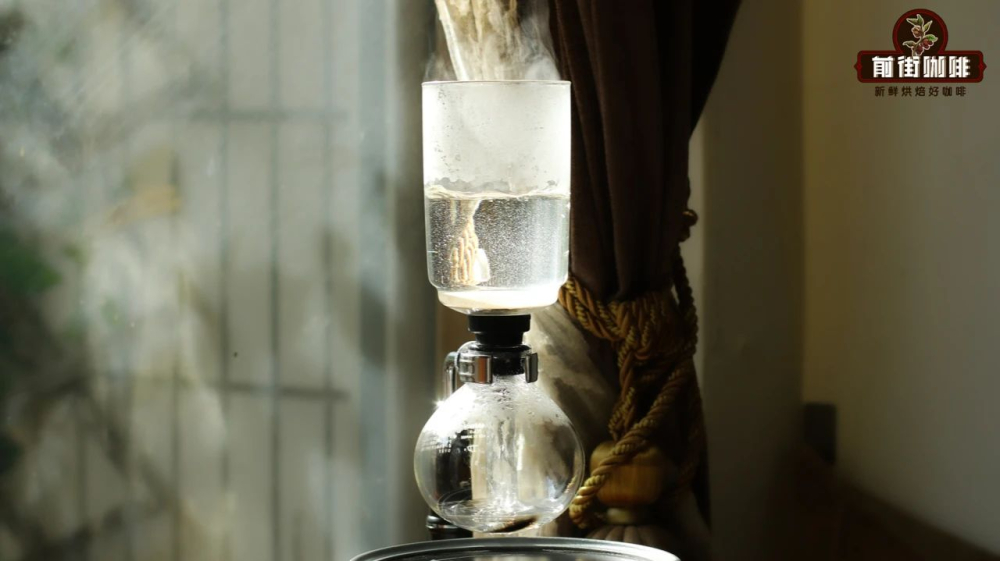
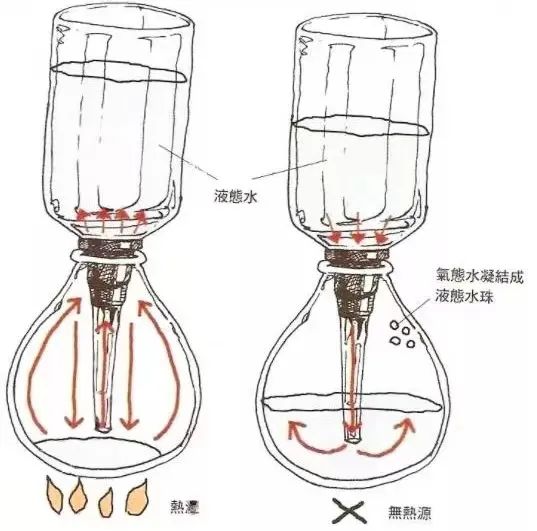
The basic structure of a siphon pot can be divided into an upper and a lower chamber. By heating, water in the lower chamber rises as steam pressure pushes it up into the upper chamber, which contains coffee grounds. Then, after the heat is turned off, changes in pressure cause the coffee liquid to flow back down, completing the extraction. This design, which utilizes the principle of thermal expansion and contraction, not only delivers a dramatic visual effect but also makes the extraction process more engaging. Paired with suitable filter materials and precise parameters, it can fully showcase the aroma and rich body of the coffee.

When it comes to filter material selection, siphon pots commonly use either a cloth filter or a paper filter. A cloth filter retains more oils and subtle flavor compounds, resulting in a rounder mouthfeel, but it needs to be pre-soaked and properly cleaned and stored. A paper filter, on the other hand, can filter out more fine particles, making the coffee clearer, but may sacrifice some of the body. Depending on personal taste preferences, one can flexibly adjust the choice of filter material.
For heat sources, common options include alcohol burners, gas stoves, or dedicated electric heating bases. Alcohol burners heat up more gently, making them suitable for beginners to control; gas stoves heat up quickly but require attention to stable flame; electric heating bases are convenient and safe, making them ideal for home use. When choosing a heat source, it is recommended to prioritize even heat conduction and ease of flame control.
Regarding the timing of adding coffee grounds, some prefer to add the grounds before the water has fully risen into the upper chamber, while others wait until the water has completely risen before adding. Both methods have their proponents, but the key lies in the contact time and uniformity between the grounds and water. It is generally recommended to wait until the water has fully risen into the upper chamber, then steadily add the coffee grounds and immediately begin stirring to ensure the grounds are fully saturated.
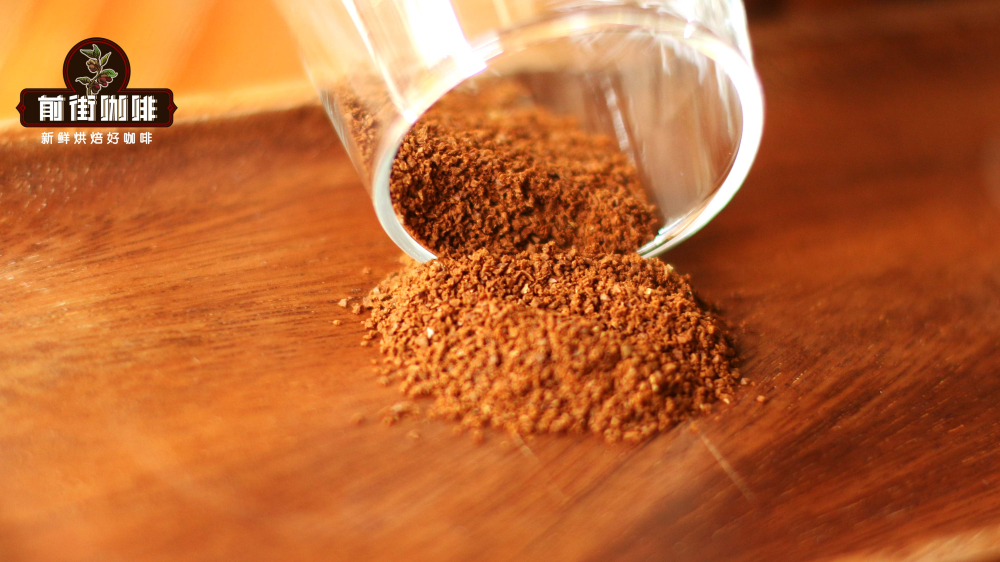
The grind size of the coffee has a significant impact on the extraction of siphon coffee. It is recommended to use a medium-fine grind, similar in texture to granulated sugar. Too coarse a grind may lead to under-extraction, while too fine a grind may cause over-extraction or channeling. A moderate grind ensures smooth water flow while fully releasing the flavors.
The coffee-to-water ratio is key to influencing coffee strength and flavor balance. A commonly recommended ratio is 1:12 to 1:16, meaning 1 gram of coffee grounds to 12 to 16 milliliters of water. For a stronger flavor, you can choose a ratio of 1:12 to 1:14; for a lighter and more balanced cup, adjust to 1:15 to 1:16. The actual ratio can be fine-tuned according to personal taste.
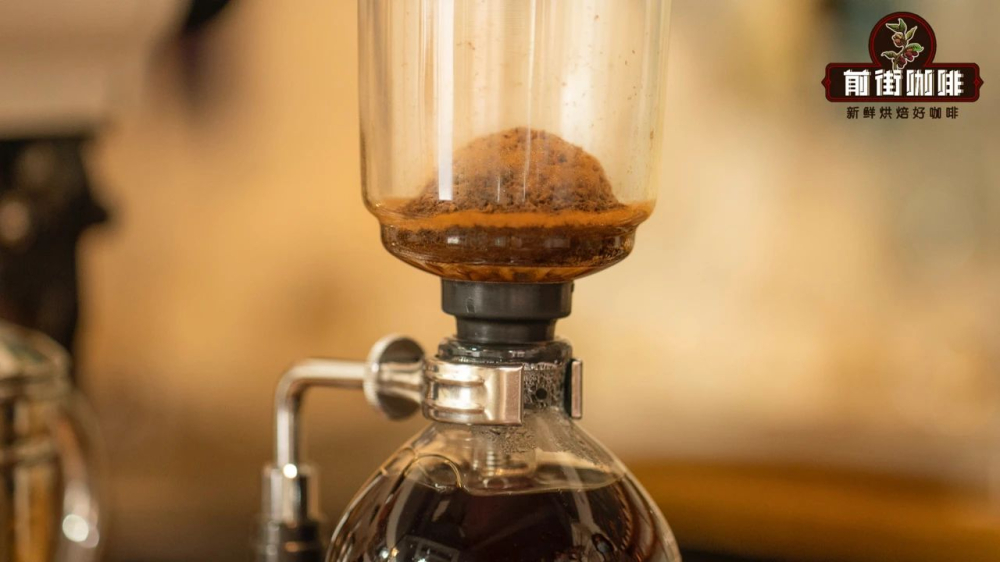
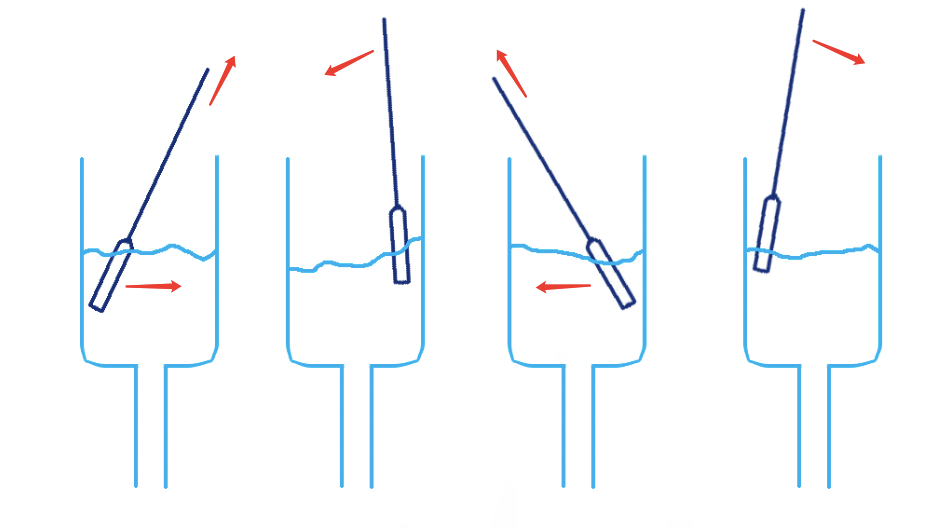
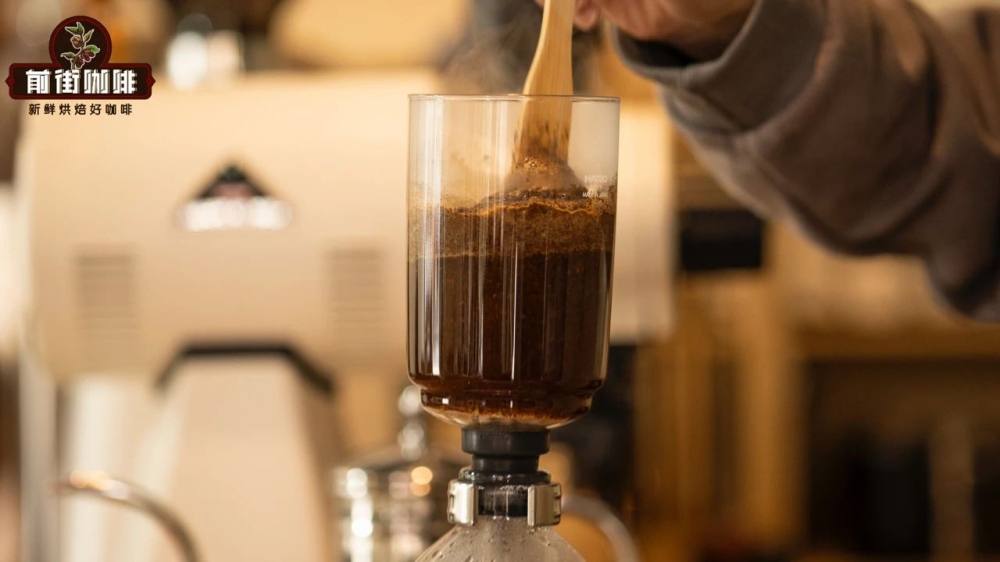
The stirring technique is crucial for achieving uniform extraction in siphon coffee. In the initial stage, it is recommended to gently press the coffee grounds into the water using light taps or a gentle stir to ensure even saturation. Around 25 seconds in, perform a second, more rhythmic stir to help enhance extraction efficiency—you may observe a clear three-layer separation: coffee liquid, coffee grounds, and foam. At around 50 seconds, stir once more in the same direction to promote more complete extraction.
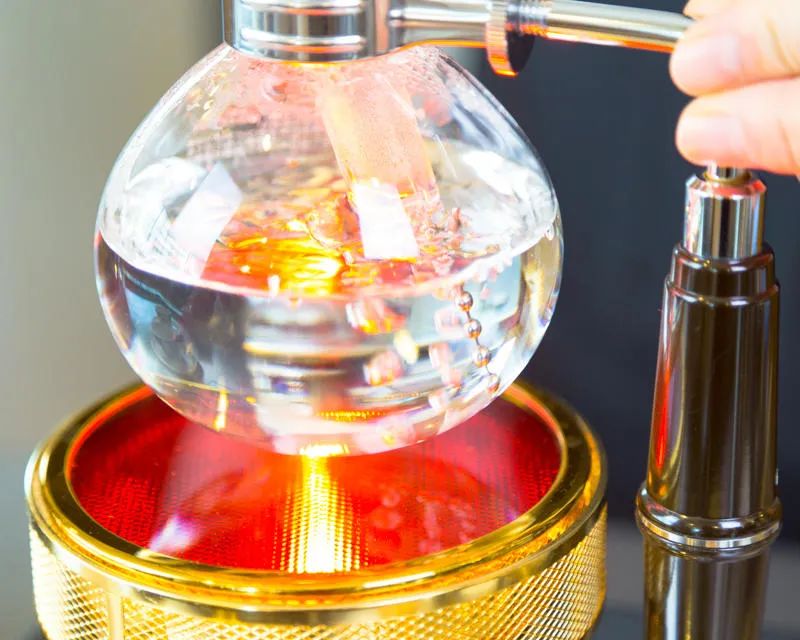
Controlling the extraction time is also a critical factor in successful siphon coffee. It is generally recommended to keep the total extraction time around 60 seconds. Start the timer when adding the coffee grounds, and remove the heat source at the 60-second mark, then allow the coffee liquid to naturally flow back into the lower chamber. Overly long extraction times can lead to over-extraction and bitterness, while too short may result in under-extraction and weak flavors.
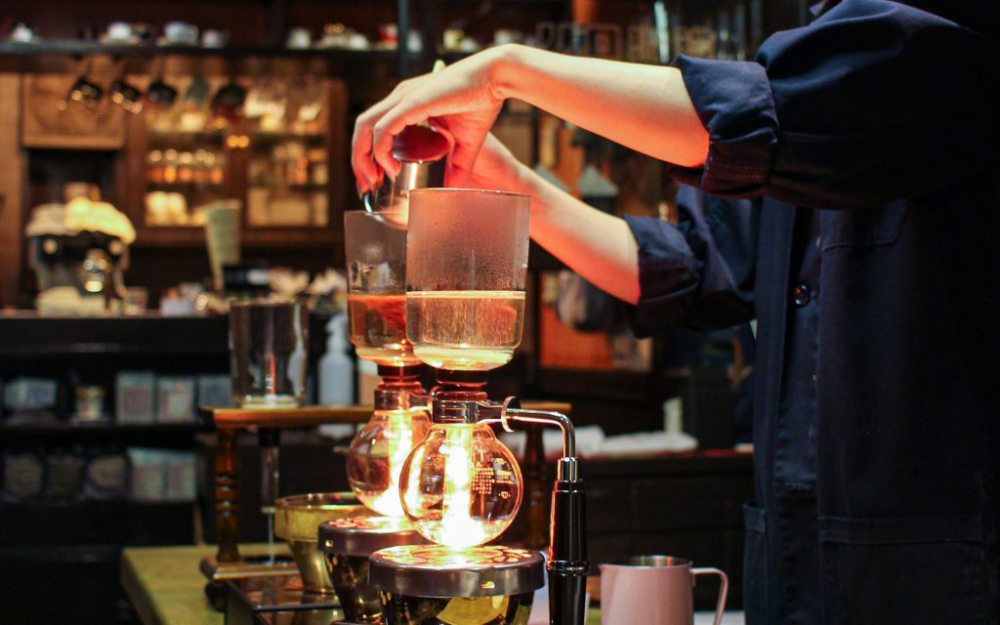
The actual operation process can follow these steps: First, pour about 200 milliliters of hot water into the lower chamber, dry the outer wall, and ignite the heat source. Place the upper chamber into the lower chamber at an angle, ensuring the safety valve (anti-explosion bead) touches the bottom. When small continuous bubbles appear on the inner wall of the lower chamber, it indicates that the water has started to warm up. At this point, straighten the upper chamber and press it down firmly, observing the water being drawn up into the upper chamber. Once the water has fully risen, add the coffee grounds and immediately start the timer. Begin with a gentle stir to evenly saturate the grounds. At around 25 seconds, perform the second stir. At around 50 seconds, stir again in the same direction. Finally, at the 60-second mark, remove the heat source and wait for the coffee liquid to flow back down. The entire process requires focus and patience to brew a siphon coffee with rich and layered flavors.
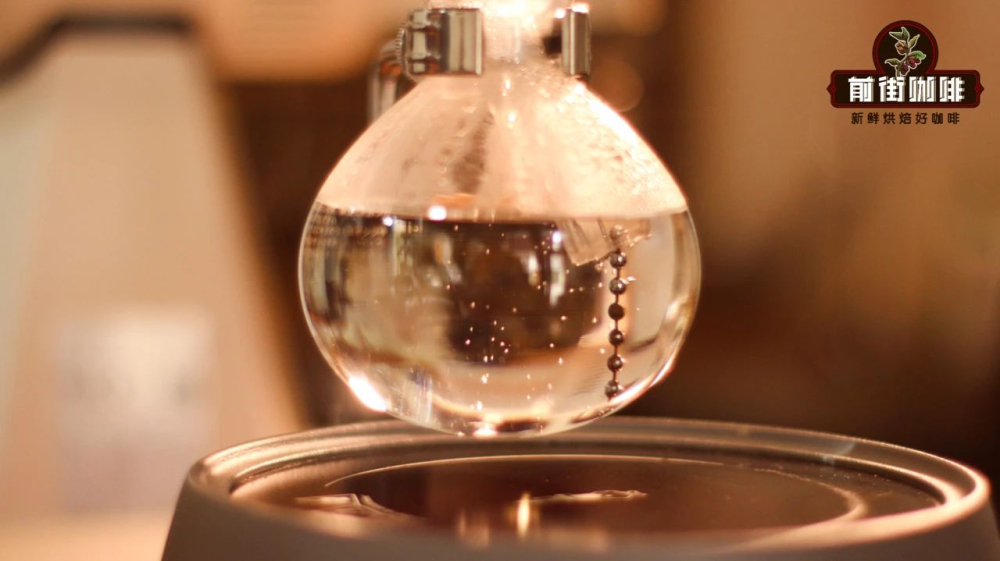

Coffee brewed with a siphon pot often has a rich aroma and full-bodied mouthfeel. Although its clarity and cleanliness may not match that of pour over coffee, the oils on the surface can add considerable depth of flavor. However, operating a siphon pot is relatively complex, requiring extra care from preparing the heat source to cleaning after extraction. Especially the cleaning and maintenance of the cloth filter is more important. If you don’t use it frequently, it’s advisable to carefully consider whether it’s suitable for daily brewing. For coffee enthusiasts who pursue precise control and the unique joy of brewing, the siphon pot remains a worthwhile method to explore in depth.
The above content is compiled by CoffeeHunters, a coffee news website.


