







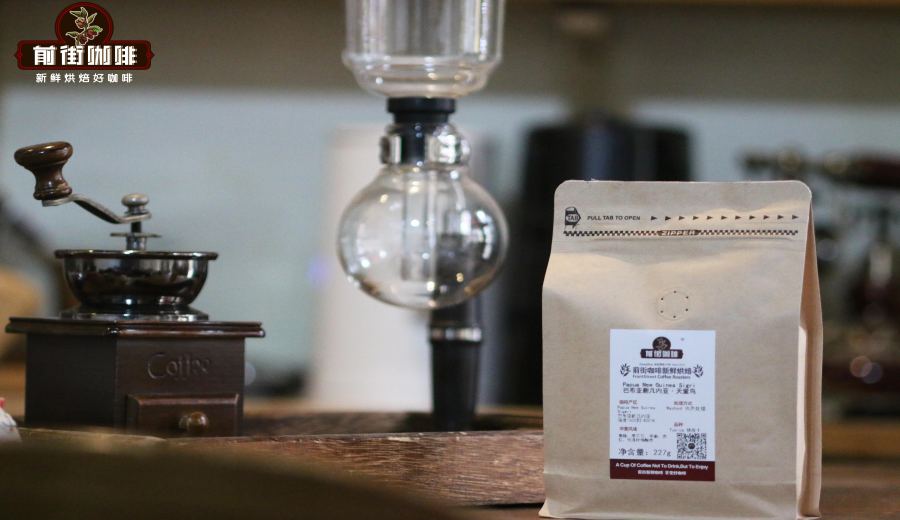
Introduction:Want to understand why Papua New Guinean coffee is often hailed as the “Little Blue Mountain”? This article delves into this specialty coffee, which originates from the Typica variety of Jamaican Blue Mountain, exploring everything from its historical introduction, regional growing environment, cultivation and processing details at Heavenbird Estate, to roast profiling and pour over brewing parameters — helping you grasp the unique flavor profile and brewing tips of this high-altitude washed coffee.
Papua New Guinea (PNG), for many coffee enthusiasts, is a destination that feels both familiar and unfamiliar. Although many have heard of “PNG coffee,” few have had the chance to actually taste it. Those who have often describe it as having an elegant character reminiscent of Blue Mountain coffee, hence the nickname “Little Blue Mountain.” But where does this moniker come from? What are the lesser-known characteristics and flavor secrets of this Typica coffee from Sigri Heavenbird Estate? In the following, we will analyze its allure from all angles — from planting origins, regional challenges, estate stories, varietal traits, processing techniques, to actual roasting and pour over recommendations.
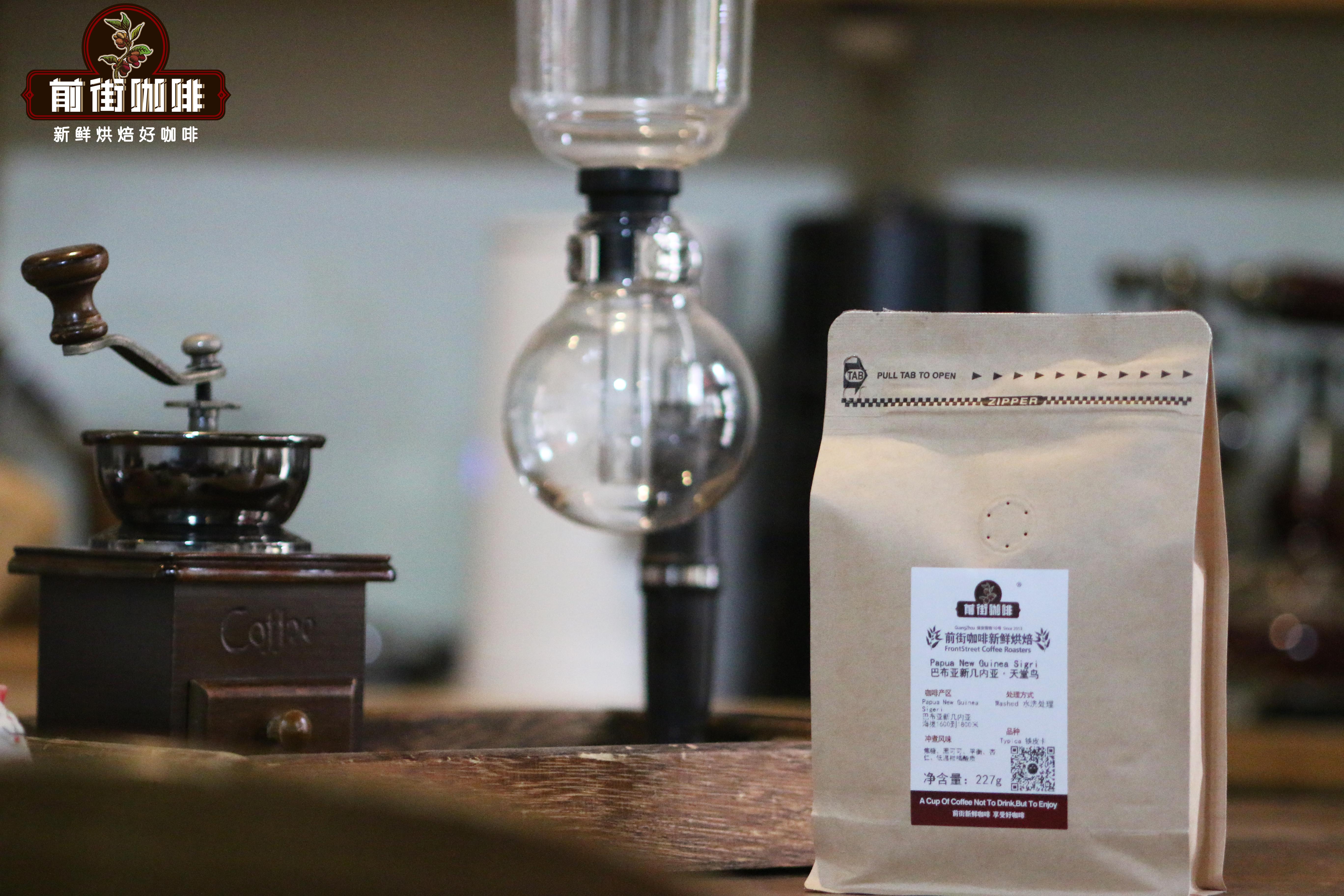
When it comes to coffee from Papua New Guinea, many people’s first impression is “Little Blue Mountain.” In fact, this name is not arbitrary but has historical roots. In 1931, the Typica variety was introduced to Papua New Guinea from Jamaica — the same heirloom cultivar used in the famous Jamaican Blue Mountain. At the time, Jamaican Blue Mountain Typica was already a world-renowned top-tier coffee, and due to historical ties — with Australia and the UK maintaining longstanding friendly relations — this variety was able to cross oceans and take root in the highlands of Papua New Guinea. Because of this shared lineage, many coffee professionals use “Little Blue Mountain” as a marketing term to help consumers quickly grasp its flavor profile.
The coffee story of PNG dates back even earlier. In 1950, the Bourbon variety was introduced from Kenya; then in 1962, Mundo Novo and Caturra were brought in from Brazil. These introduction efforts gradually laid the foundation for the country’s coffee diversity and potential. The Waghi Valley in the Western Highlands Province, where Heavenbird Estate is located, is one of the key witnesses to this history.
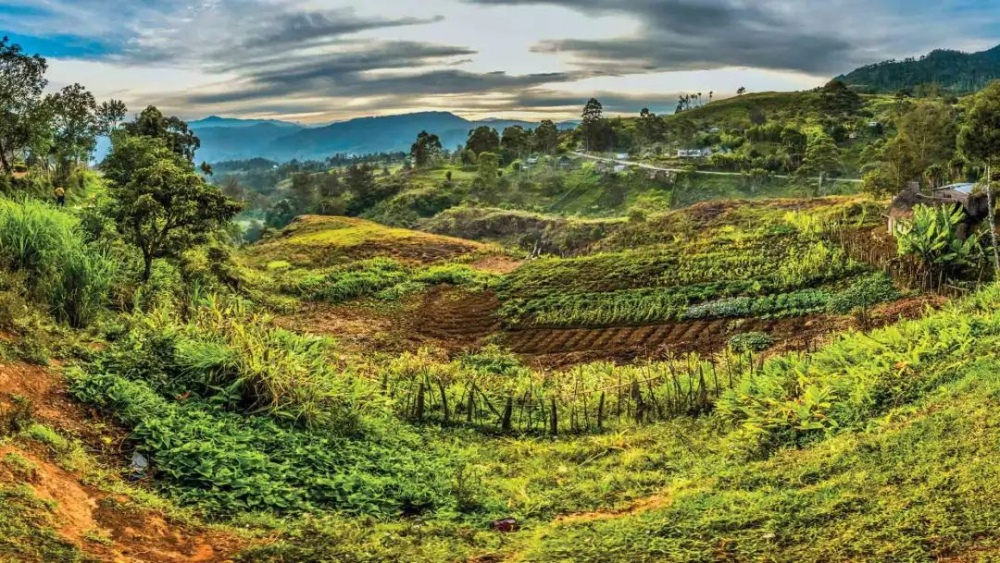
However, the development of Papua New Guinea’s coffee industry has not been smooth sailing. During the last century, due to export quota systems imposed by the International Coffee Organization (ICO), the country’s coffee relied heavily on the Australian market. But after gaining independence in 1975, with the quota system abolished, Australian importers shifted to more diverse global sourcing, which posed serious challenges for PNG coffee. Over the past decade, its annual production has declined from about 1 million bags (60 kg each) to 800,000 bags — a drop of over 20%. One major reason is the severe aging of many coffee trees, which have long lacked renewal or technical support.
Fortunately, since 2010, with assistance from the World Bank and the United Nations International Fund for Agricultural Development, over seven million coffee trees have been replanted or rehabilitated, and yields and quality have improved in some regions. However, the producing areas still face challenges: with over ten thousand tribes and more than 800 languages, knowledge dissemination is difficult, and issues such as land ownership disputes and the smallholder farming model make quality consistency a major hurdle. In fact, over 85% of the coffee comes from small-scale farmers, each with limited farmland, prioritizing food crops, with coffee often being just a side venture.
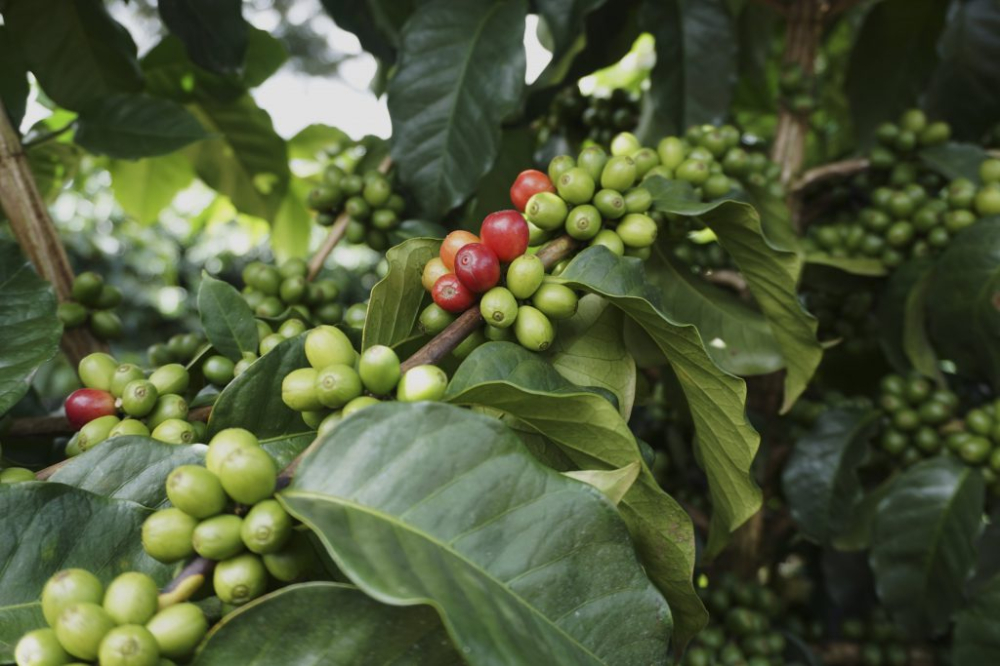
Located in the Waghi Valley of the Western Highlands Province, Sigri Heavenbird Estate sits at an altitude between 1,600 and 1,800 meters and stands as one of the representatives of specialty coffee in Papua New Guinea. Established in 1950, the estate was not only among the earliest pioneers of coffee cultivation in the area, but also benefits from ideal growing conditions including volcanic soils, cool climate, and abundant rainfall, making it perfect for the Typica variety. The estate has long committed to pesticide- and insecticide-free practices, striving to preserve the ecosystem and bird habitats — a commitment reflected in its symbolic name, “Heavenbird.”
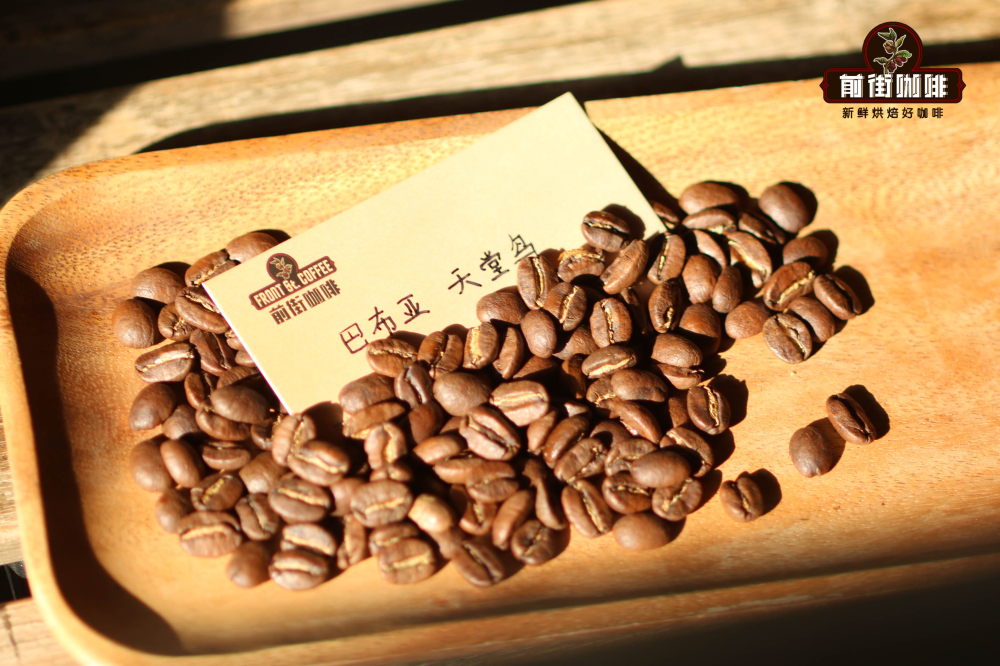
The coffee beans from Heavenbird Estate belong to the Typica variety — the same origin species as Blue Mountain coffee. Typica is known for its elegant and clean flavor profile, but also for its weaker tree structure and lower disease resistance, requiring more meticulous management. Its beans are relatively slender with pointed tips, and the top leaves often display a bronze hue, earning it the nickname “red-top coffee.” For processing, Heavenbird Estate employs traditional washed methods with triple fermentation cycles — each lasting around 24 hours — during which fresh water is changed to precisely control fermentation flavors. After washing, the beans are carefully stripped of mucilage and outer skins, then meticulously graded by bean size and defect rate, with the AA grade representing the highest quality level.
This multi-step washing process allows Heavenbird coffee to exhibit bright and delicate acidity, a clean and smooth sweetness, along with subtle hints of berry and nutty tones in the aftertaste. Meanwhile, the estate conducts daily cuppings to ensure every batch maintains a consistently high standard.
For roasting recommendations, because Typica is a low-density green bean, a medium roast is advised to highlight its bright acidity and fruity aromas. The charge temperature should be around 170°C, and before the first crack, heat and air damper settings should be controlled to stabilize moisture removal and Maillard reactions. Once first crack begins, moderately increasing the heat and adjusting the damper helps develop the flavor layers. The recommended starting temperature for first crack is about 180–188°C, with a first crack development period of roughly 3 minutes, and a final drop temperature around 198.5°C to fully realize its potential.
For pour over brewing, it is recommended to use a Kono filter cone — its rib design helps manage airflow and extends contact time between water and coffee grounds, thereby enhancing body and layered complexity. A water temperature of around 88°C is suggested, using a medium-coarse grind (e.g., 65% or 75% passing through a #20 sieve), with a 1:15 coffee-to-water ratio. Employ a three-stage pouring method: first, pre-infuse 30 grams for 30 seconds; second, pour in a circular motion for 120 grams; third, add another 75 grams, totaling 225 grams of water, with an overall extraction time of approximately 2 minutes. This method effectively highlights the nutty and cocoa core notes of Heavenbird coffee, while bringing out subtle berry sweetness.
In summary, Papua New Guinea Heavenbird coffee beans are a specialty coffee that blends history, regional character, and refined craftsmanship. With its Typica lineage from Jamaican Blue Mountain, combined with the high-altitude growing environment of the Western Highlands and rigorous processing procedures, it delivers a unique flavor profile featuring clean acidity, rich complexity, and a full-bodied aftertaste. Whether you’re a seasoned coffee connoisseur or a newcomer seeking a high-altitude washed bean to start with, this Heavenbird coffee from PNG is well worth savoring.
The above content is compiled by CoffeeHunters, a coffee news website.


