







Introduction:When brewing the same coffee beans with different extraction tools, using the wrong grind size can significantly diminish the flavor. This article will delve into the ideal grind ranges for six common coffee brewing methods — pour over, French press, siphon, moka pot, cold drip, and espresso machines. It also provides practical sieve reference values and adjustment tips to help you achieve precise control over extraction at home, ensuring a consistently delicious cup every time.
The full release of a coffee bean’s aroma and flavor is closely tied to its “grind size.” But did you know? Even when using the same beans, simply switching brewing methods may require a completely different grind level. This is because each brewing tool operates on different principles and efficiencies. Only by adjusting to the appropriate grind size can you avoid the bitterness of over-extraction or the thin acidity of under-extraction. Based on the industry-standard 20-mesh sieve extraction rate, this article will detail the recommended grind ranges for French press, pour over, cold drip, siphon, moka pot, and espresso machines. It also explains how to fine-tune based on roast level, water temperature, and brew time to help you more reliably brew coffee with your desired flavor profile.
The variety of coffee brewing tools on the market is vast — from French presses and pour over setups to siphons and espresso machines, each has its unique extraction logic. However, no matter which method you choose, the first step is grinding the coffee beans into powder so that water can efficiently extract aromatic compounds and soluble components. But extraction methods vary greatly between tools, and using the same grind size across them can easily lead to flavor imbalance. Therefore, mastering the grind size that matches your brewing tool is essential knowledge for any coffee enthusiast.
Among common home coffee tools, grind sizes from coarsest to finest generally follow this order: French press > pour over > cold drip > siphon > moka pot ≈ espresso machine. However, “coarse” and “fine” are not absolute terms but should be referenced against certain standards. To make our recommendations more useful, we adopted the industry-recognized cupping standard as the baseline — that is, a 20-mesh sieve extraction rate between 70% and 75% — and used this to define the suggested grind range for each brewing method.
French Press Grind Size
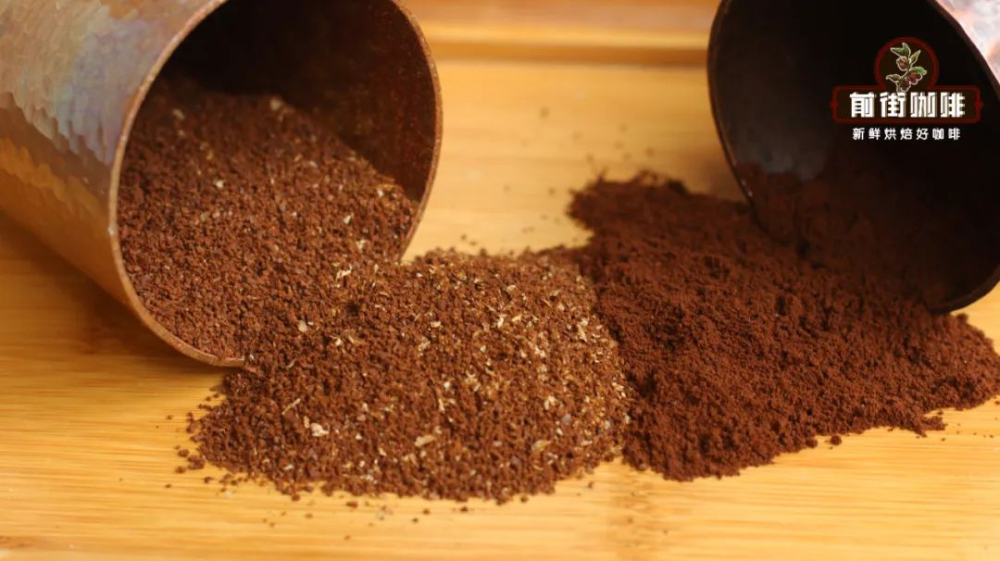
The French press uses an immersion brewing method similar to cupping, so its recommended grind size is relatively close. However, cupping typically uses water at a constant 94°C, while French press often uses freshly boiled hot water, which has higher extraction efficiency. If the grind is too fine, it can lead to over-extraction and unwanted off-flavors. Therefore, practical testing recommends setting the French press grind size between 68% and 75% extraction rate on a 20-mesh sieve, roughly the size of coarse sugar crystals. If using hotter water or darker roasted beans, aim for 68% to 71%; for normal water temperature and medium to light roasts, 71% to 75% is preferable.
Pour Over Grind Size
Pour over brewing usually involves lower water temperatures than cupping or French press, along with shorter extraction times. As a result, a finer grind is needed to improve extraction efficiency and ensure the coffee’s flavors are fully expressed. The recommended grind size is between 70% and 80% extraction rate on a 20-mesh sieve, about the fineness of fine sugar. For medium to light roasts, go for a finer grind around 75% to 80%; for medium to dark roasts, a slightly coarser grind of 70% to 75% is better. When doing cold pour over, you can increase the extraction rate by an additional 5% — that is, grind even finer.
Cold Drip & Cold Brew Grind Size
Cold drip and cold brew use ice water for extraction. Although the extraction efficiency is relatively low, the long brewing time of several hours allows the full flavor to be extracted. Therefore, there's no need to grind as finely as for pour over. You can follow the pour over grind size or increase the extraction rate by an additional 5% (i.e., grind slightly finer). If you prefer a cleaner, less intense taste, using the same grind size as pour over is also a good option. Be aware that grinding too fine may clog the filter layer, prolong filtration time, and even affect the clarity of the coffee.
Siphon Grind Size
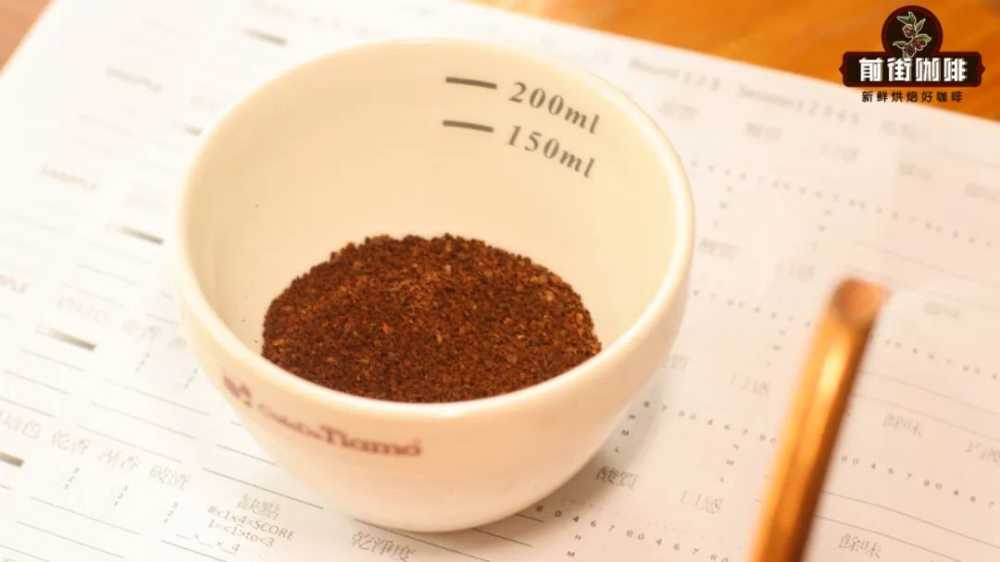
During siphon brewing, the water temperature is relatively high and there is stirring involved, which theoretically offers decent extraction efficiency. However, the actual extraction time is less than a minute, so a finer grind is needed to boost extraction rates. It is recommended to use a 20-mesh sieve extraction rate of 85% to 90%, allowing the coffee to fully release its flavors in a short time while avoiding over-extraction.
Espresso Machine Grind Size
The grind size used for espresso machines is extremely fine, almost powdery, and cannot be accurately measured with standard sieves. Due to the very short extraction time (usually 20–30 seconds), even minor changes in parameters can noticeably affect the extraction outcome. Therefore, it is recommended to adjust the grind size based on actual extraction performance. A common reference benchmark is “20 grams of coffee grounds yielding 40 milliliters of espresso in 28±1 seconds.” If this value isn’t achieved, adjust the grind coarseness until the yield and time meet expectations, then further fine-tune the coffee dose or liquid weight based on flavor characteristics.
Moka Pot Grind Size
The Moka pot grind size falls between pour over and espresso — it can accommodate the finest setting of a pour over grinder or directly use the settings of an espresso grinder. Generally, the Moka pot prefers a finer grind, which helps extract richer crema and a more intense flavor. Keep in mind that the Moka pot grind also cannot be measured with sieves. It is recommended to determine suitability through trial and flavor evaluation. Too coarse a grind leads to under-extraction, while too fine can cause over-extraction. Proper adjustments are key to finding the optimal balance.
The above content is compiled by CoffeeHunters, a coffee news website.


