







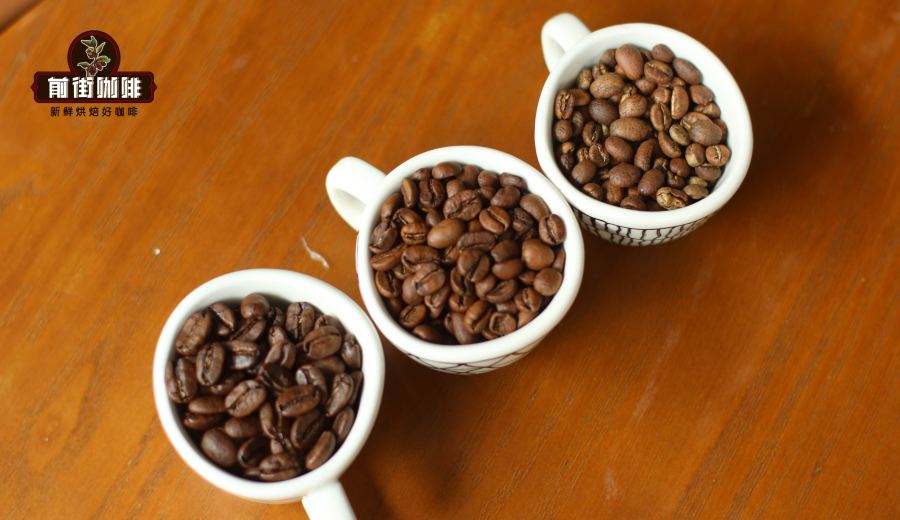
Introduction:Understanding the roast level of coffee beans is the crucial first step to mastering a great cup of coffee. From light roast to espresso roast, each roast level affects the balance of acidity, sweetness, and bitterness, as well as the overall flavor profile. This article provides a detailed analysis of the color ranges, roast stages, and flavor characteristics of various roast levels, introduces special styles such as Nordic extra-light roast and Japanese extra-dark roast, and offers practical roast stage explanations and home roasting tips to help you find the coffee beans that best suit your taste.
Coffee beans transform from their original green, raw state into the familiar brown roasted beans through high-temperature roasting. This process not only changes their appearance but also determines the final flavor expression. The control of roasting time and temperature directly impacts the beans’ color, aroma, and mouthfeel, ultimately creating a spectrum of flavors ranging from bright acidity to deep, rich bitterness and sweetness.
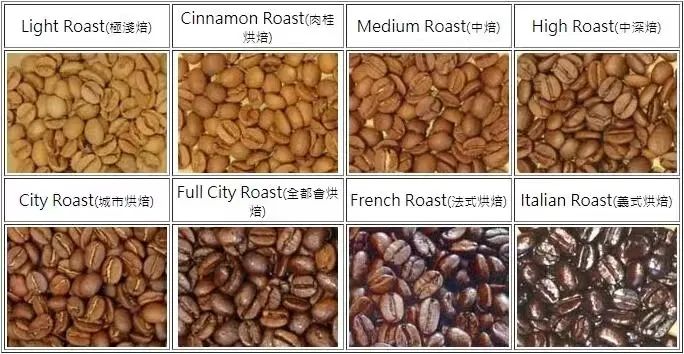
The internationally common roast classifications refer to the standards set by the Specialty Coffee Association of America (SCAA). Using the Agtron color system, this association divides roast levels into eight main grades, ranging from the lightest Light Roast to the darkest Italian Roast. Each stage has its unique color, aroma, and taste characteristics.
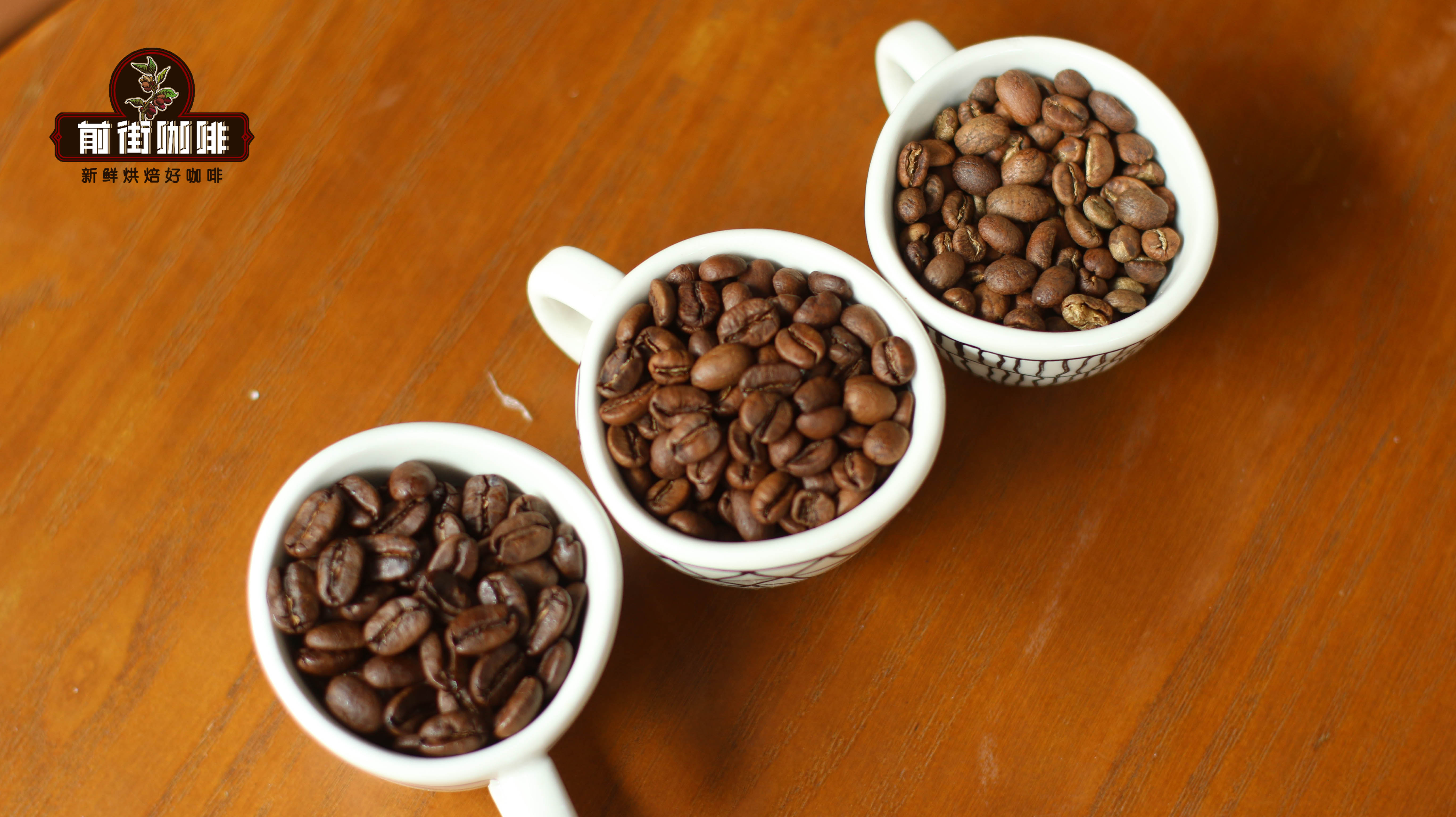
At the light roast stage (Light Roast, Agtron 95), coffee beans are usually taken out during or just after the first crack. At this point, the bean surface appears light brown, and the flavor is dominated by bright acidity. However, if the roasting time or development is insufficient, it can easily result in grassy or underripe flavors. This type of roast is suitable for those who enjoy pronounced fruit acids and floral notes.
Next is the cinnamon roast (Cinnamon Roast, Agtron 85), which is dropped just as the first crack ends. At this stage, the coffee still features prominent acidic aromas but begins to show caramel-like sweetness, with a honey or cane sugar-like aftertaste. The overall profile is relatively refreshing and is suitable for consumers who prefer lighter, more delicate flavors.
Moving into medium roast (Medium Roast, Agtron 75), beans are typically dropped right after the first crack has fully completed. At this point, the sweetness of the coffee becomes more apparent, while the acidity is relatively mellow, often accompanied by warm, caramelized notes like caramel and baked sweet potato. Many high-quality Ethiopian single-origin beans can exhibit a good balance of floral, fruity notes, and sweetness at this roast level.
Dark roast (High Roast, Agtron 65) is dropped during the silent period after the first crack ends and before the second crack begins, usually lasting about 1 to 2 minutes. At this stage, the coffee’s flavors are dominated by nuts and caramel, with acidity almost disappearing. The overall mouthfeel is round and full, making it suitable for those who prefer balanced flavors without strong acidity.
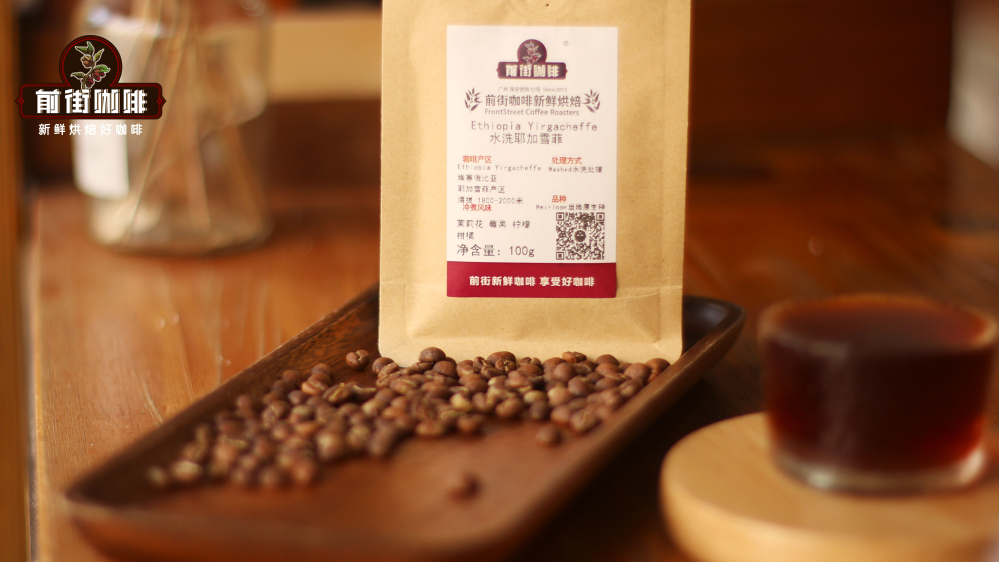
City roast (City Roast, Agtron 55) is usually performed just as the second crack begins. At this point, bitterness starts to emerge, and caramel aromas become richer. The overall flavor is close to the deep richness of unsweetened dark chocolate, making it a popular choice among many black coffee enthusiasts.
Full city roast (Full City Roast, Agtron 45) is dropped just before the second crack becomes dense, marking the starting point of dark roast. At this stage, the coffee presents a blend of bitterness and sweetness. With even roasting, a thick, syrupy mouthfeel can be extracted using coarse grind and lower water temperature, with a noticeable sweetness lingering afterward.
French roast (French Roast, Agtron 35) is generally performed during the dense phase of the second crack. At this point, the bean surface begins to show an oily sheen, and the flavor becomes intense with a distinct smoky bitterness. It is suitable for those who prefer bold flavors and is commonly used for making espresso or milk-based coffee drinks.
Finally, there is Italian roast (Italian Roast, Agtron 25), the darkest commercial roast level, usually dropped at the end of the second crack. By this time, the beans have turned black and shiny, with flavors dominated by intense smokiness and carbonization. It is generally recommended only for making espresso or pairing with large amounts of sugar and milk to balance its strong character.
In addition to these standard classifications, some distinctive roast styles have gained popularity in recent years. For example, Nordic extra-light roast (Agtron 85–90) emphasizes preserving the beans’ original aromatic freshness and bright acidity. Originating from Nordic countries such as Norway, Denmark, and Sweden, the resulting brew tends to have a lighter liquor color with vivid acidity. However, precise heat control is needed to avoid underdevelopment or sour astringency.
Another style is Japanese extra-dark roast (Agtron 25–30), originating from Japan. These beans have an oily, nearly char-black surface and are commonly brewed using methods like flannel drip or pour over. They exhibit notable expansion and degassing, with intense and rich flavors that carry a strong bitter-sweet quality. This roast is suitable for coffee lovers who enjoy bolder tastes.
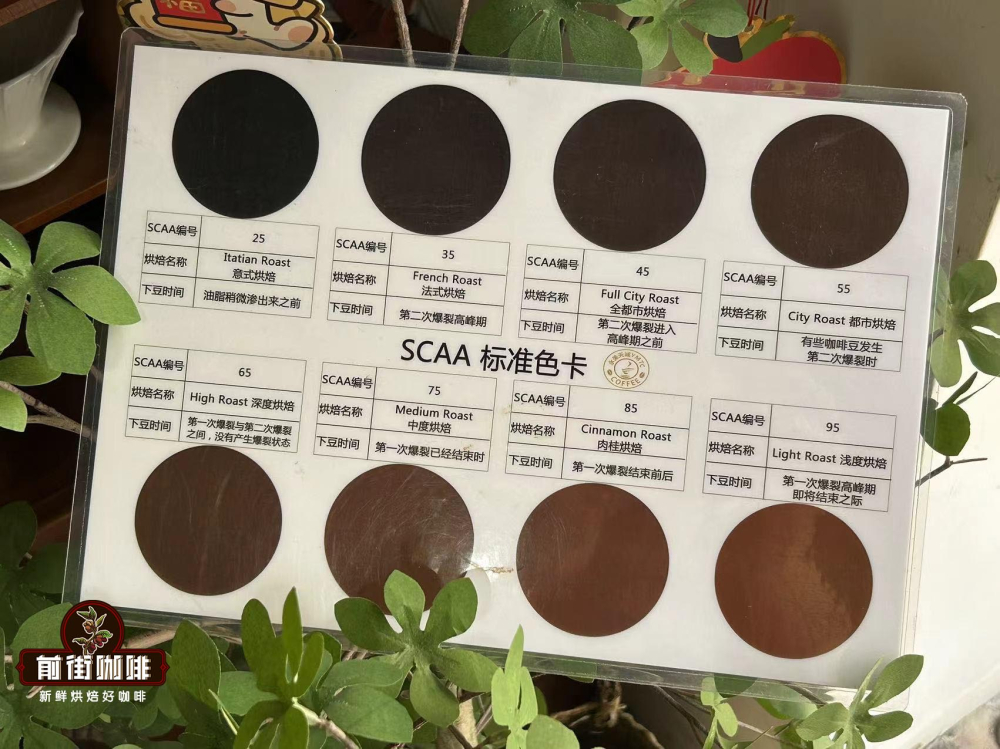
To make it easier for consumers to understand, many coffee shops simplify roast levels into categories such as light roast, medium-light roast, medium roast, medium-dark roast, and dark roast, allowing customers to intuitively choose beans that match their taste preferences.
The coffee roasting process can be roughly divided into five main stages: drying, dehydration, first crack, second crack, and dropping. First is the drying stage, which occurs around 135°C, when moisture in the green beans begins to evaporate. The beans turn from green to pale and gradually whitish. Then comes the dehydration stage, where the temperature rises to around 160°C. The beans change from green to light yellow, releasing grassy or grainy aromas and eventually turning light brown.
The first crack typically occurs around 190°C, resulting from the release of internal steam and pressure within the beans. At this point, a distinct cracking sound is heard, and it is also a critical stage for the caramelization of sugars, which significantly impacts the coffee’s sweetness and body. The first crack lasts about one minute, after which the beans enter a relatively calm phase.
This is followed by the second crack, a more intense internal reaction where the beans release a large amount of heat energy. The surface begins to show oils, and the volume expands to about 1.5 times its original size. The flavors become more intense, and bitterness increases. The second crack dense phase can be used as a cue to drop the beans according to preference. French or Italian roasts are usually completed about 1 minute after the start of the second crack, at temperatures around 230°C.
It’s important to note that if the beans are not sufficiently heated during the dehydration stage or before the first crack, the core may remain "underdeveloped," leading to grassy or sour, astringent flavors. Therefore, it is recommended to use low to medium heat and maintain a stable rotation speed to ensure even heating of the beans. For flat beans, a rotation speed of about 60 to 65 revolutions per minute is advised, while peaberry beans may require slightly slower speeds to ensure even airflow.
For coffee enthusiasts looking to try home roasting, it is recommended to choose a drum-style roaster with even tumbling design. This helps maintain stable heating of the beans in direct flame or hot air environments, improving the success rate of roasting.
The above content is compiled by CoffeeHunters, a coffee news website.


