







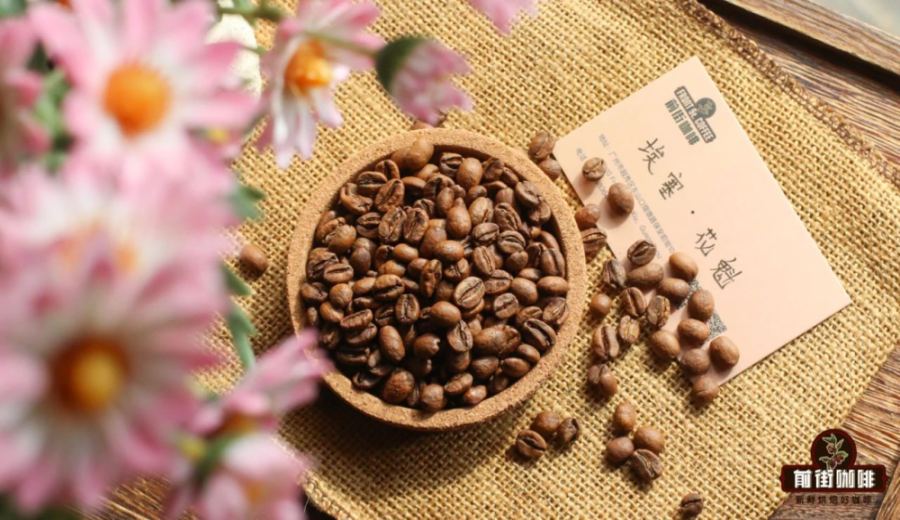
Introduction:This article delves into the origin characteristics and processing methods of Ethiopia’s Yirgacheffe Guji Hambela Huila (Huikui) coffee, analyzing its flavor profile and suitable brewing methods. Through focused practical testing, we explore the feasibility of using medium-roast Huikui in a moka pot, providing detailed operational parameters and procedures, while also extending the discussion to a medium-light roast version ideal for pour over. Additionally, moka pot latte preparation tips are included to help coffee enthusiasts brew rich, strawberry fruit-tea flavored coffee at home.
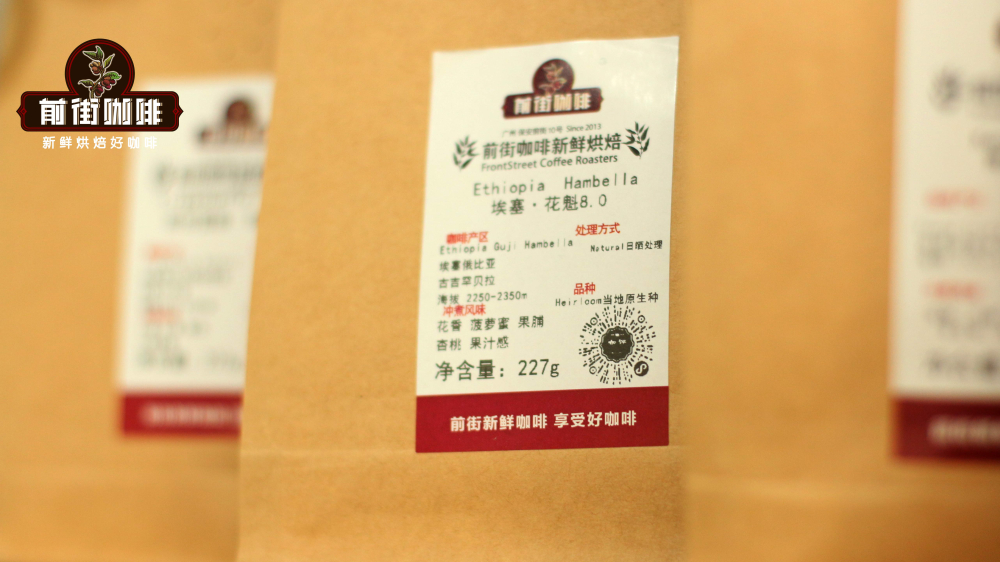
Huikui coffee originates from the Hambela district within Ethiopia’s Yirgacheffe province, renowned for its unique aromatic expression and intense sweetness. It gained prominence after winning the championship in the natural (sun-dried) category at the 2017 Ethiopia Cupping Championship, earning the representative name “Huikui.” This coffee is harvested and processed between December and January each year, relying on the region’s distinctive microclimate and high-altitude environment to develop highly recognizable flavor traits.
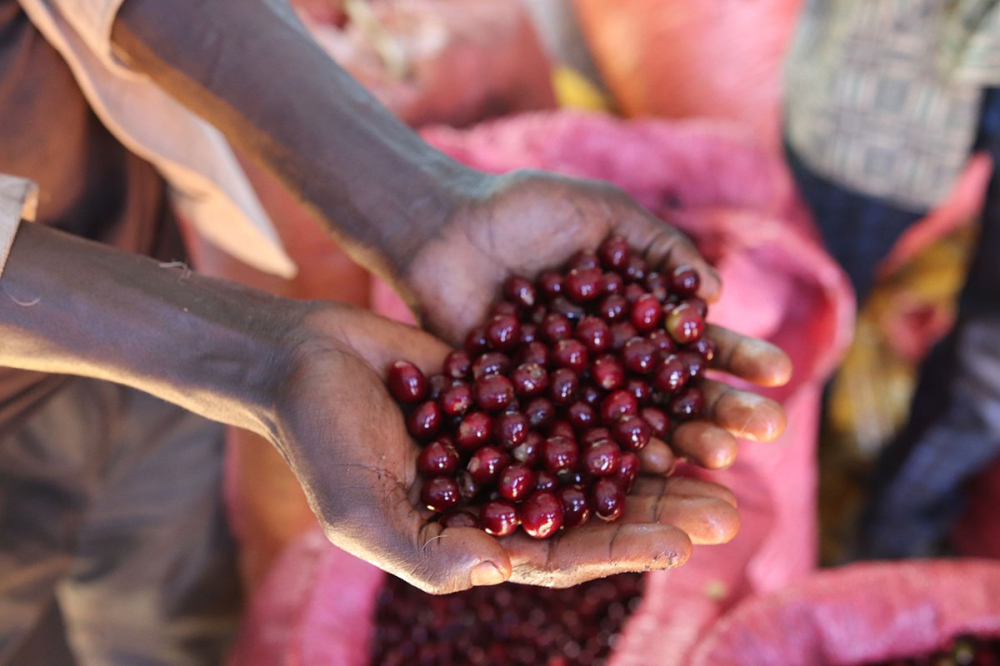
Strictly speaking, Huikui coffee beans belong to the Hambela sub-region under the larger Guji zone. During harvesting, only fully ripe red cherries are selected and undergo rigorous manual sorting. The processing employs African raised-bed drying, and the beans are required to have a brix level of 21 or above before sun-drying begins. Throughout the drying period, the beans are turned evenly every 24 hours to ensure consistent ventilation and heat exposure. Notably, this particular batch of Huikui underwent a lengthy 21-day low-temperature fermentation process (whereas typical sun-dried processes last around ten days). Such craftsmanship allows for more precise control over the fermentation rhythm, thereby highlighting an exceptionally high natural sweetness and complex aroma. When brewed, it often exhibits pronounced wine-like notes and layered floral scents, with a pour over experience reminiscent of sipping a tropical strawberry fruit tea.
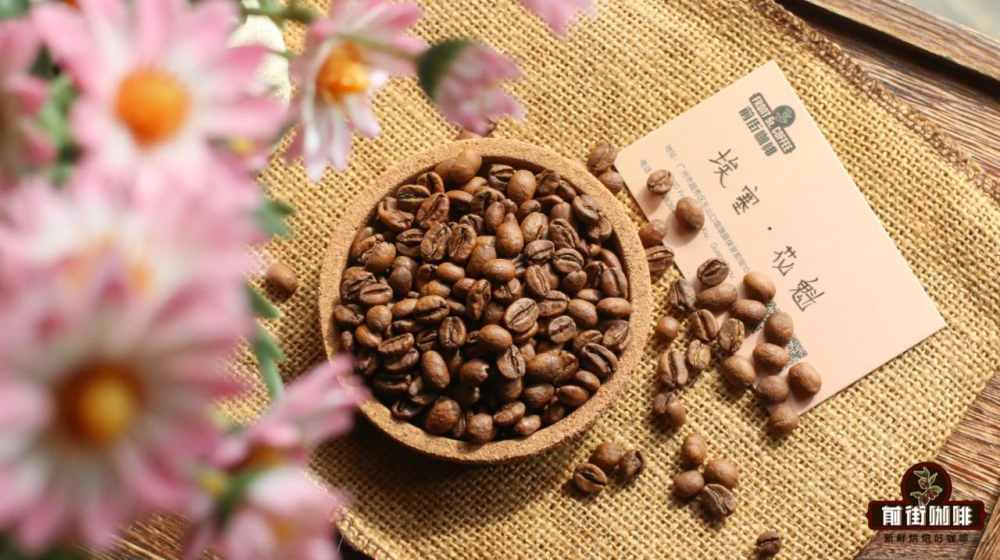
Among the many Huikui coffee products available on the market, two classic roast levels are particularly recommended: one is medium-light roasted, emphasizing floral-fruity tones and clear layering—upon tasting, subtle floral notes emerge first, followed by bright citrus and lemon-like acidity, with a finish of nutty and caramel sweetness. This version is highly suitable for pour over or drip coffee machines. The other is medium roasted, with flavors becoming richer and more balanced, making it well-suited for use in a moka pot or espresso machine as a single-origin espresso (SOE), fully showcasing Huikui’s bold base and fruity aftertaste.
So, is sun-dried Huikui suitable for moka pot extraction? The answer is yes, with medium-roast beans being especially recommended. Through the high-pressure extraction of a moka pot, the mid-layer flavors of Huikui—including caramel sweetness, berry notes, and subtle spice undertones—can be fully drawn out. With the correct parameters and steps, you can enjoy café-quality richness at home.
Recommended parameters for practical testing of moka pot extraction using Huikui SOE are as follows: the coffee-to-water ratio is suggested to be set at 1:2, with grind size between medium-fine and fine, close to espresso grind but slightly coarser to avoid over-extraction. Water temperature should be controlled at 90–92°C; too high may bring out excessive bitterness, while too low could result in under-extraction. When loading the coffee, it’s recommended to tamp the coffee bed into a gently domed shape (a small mound) to ensure even heat distribution and stable water flow.
For the specific operation procedure: First, pour cold water (preferably at room temperature or slightly warm, to avoid scalding) into the bottom chamber of the moka pot. Next, place the filter basket in position, and gently fill it with coffee grounds around the edge evenly by hand. While tamping, ensure the center is slightly raised and the edges fill the gaps between the basket and the pot walls. After filling, tightly seal the top and bottom chambers to ensure good airtightness. Then place the moka pot on an electric or gas stove to heat. When you hear a distinct “wuu wuu” steam sound, it indicates that the coffee liquid has begun to rise—immediately turn off the heat and wait for the coffee to fully extract into the upper chamber.
Freshly extracted moka pot coffee usually features a layer of fine golden coffee crema on the surface. Although this crema gradually dissipates over time, it remains an important indicator of flavor integrity. At this point, you can enjoy it directly according to personal preference, dilute it with hot water to adjust strength, or combine it with milk to make specialty coffee drinks. For example, heat and froth 200ml of fresh milk using a French press to create a creamy foam, then mix it evenly with the freshly extracted moka pot espresso. After a simple latte art touch, a uniquely flavorful moka pot latte is complete.
In summary, whether medium-light or medium roasted, Huikui coffee showcases the distinctive characteristics of Ethiopian highland coffee. The medium-roast Huikui is not only suitable as an SOE espresso base, but can also release enchanting strawberry fruit-tea flavors and rich sweetness under the high-pressure environment of a moka pot. With the right grind size, water temperature, and tamping technique, even beginners can easily replicate a professional-grade coffee experience at home.
The above content is compiled by CoffeeHunters, a coffee news website.


